

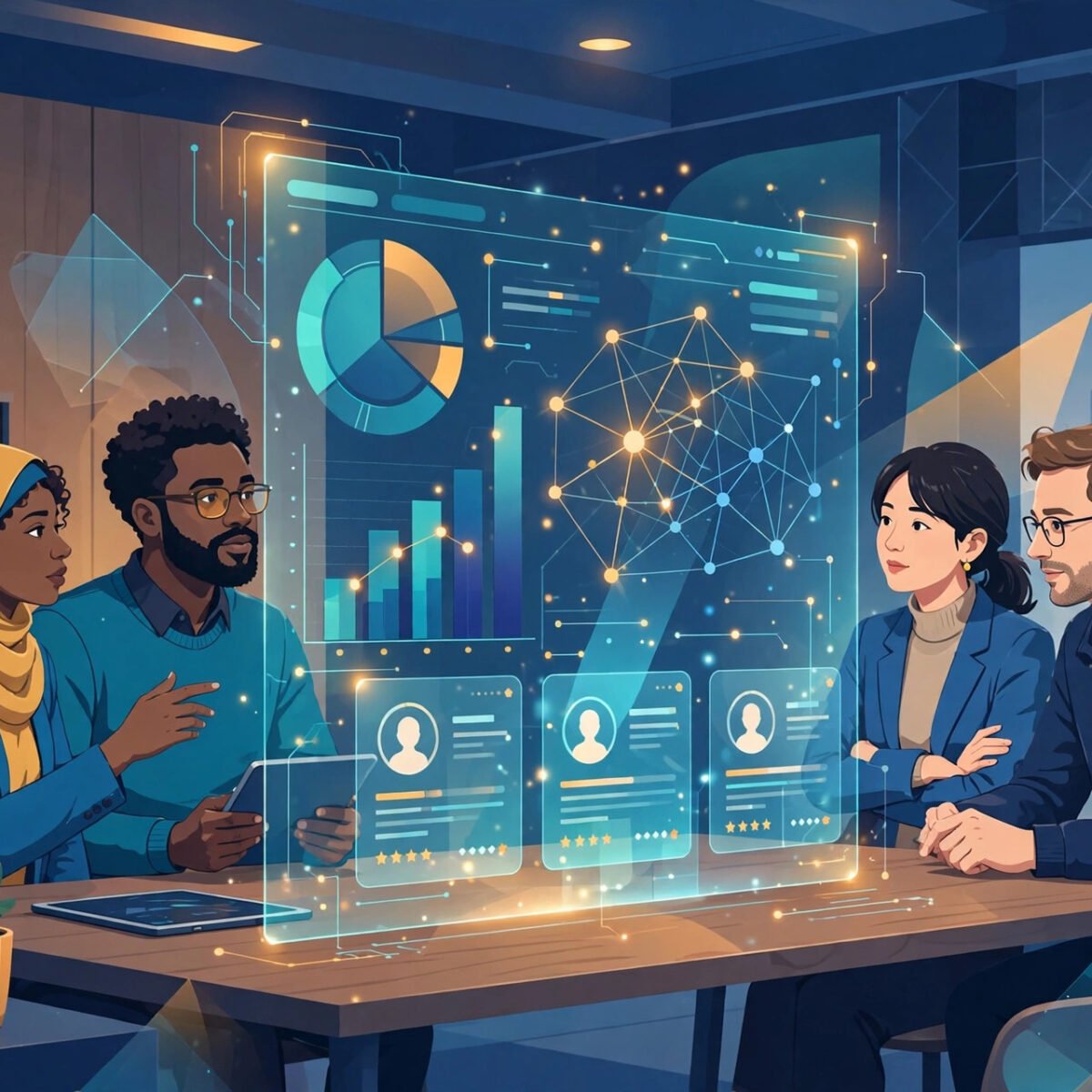
If you have come across the word “hrmtaila” online and wondered what it means, you are not alone. The term has started appearing in articles and search results as a label for AI-driven human resource management, HR software that uses automation and data analytics for recruiting, payroll, performance tracking, and workforce planning. Before anything else, one fact matters most: hrmtaila is an emerging online term, not a verified commercial product. There is no confirmed developer, no official website, and no verified pricing or feature list behind the name.
This guide treats hrmtaila for what it is, a shorthand for a real trend in HR technology. You will get a clear definition, the core HR modules people associate with the term, the AI capabilities that set modern HRMS platforms apart, an honest look at risks, and a checklist for evaluating HR technology. Nothing here is invented.
Key Takeaways
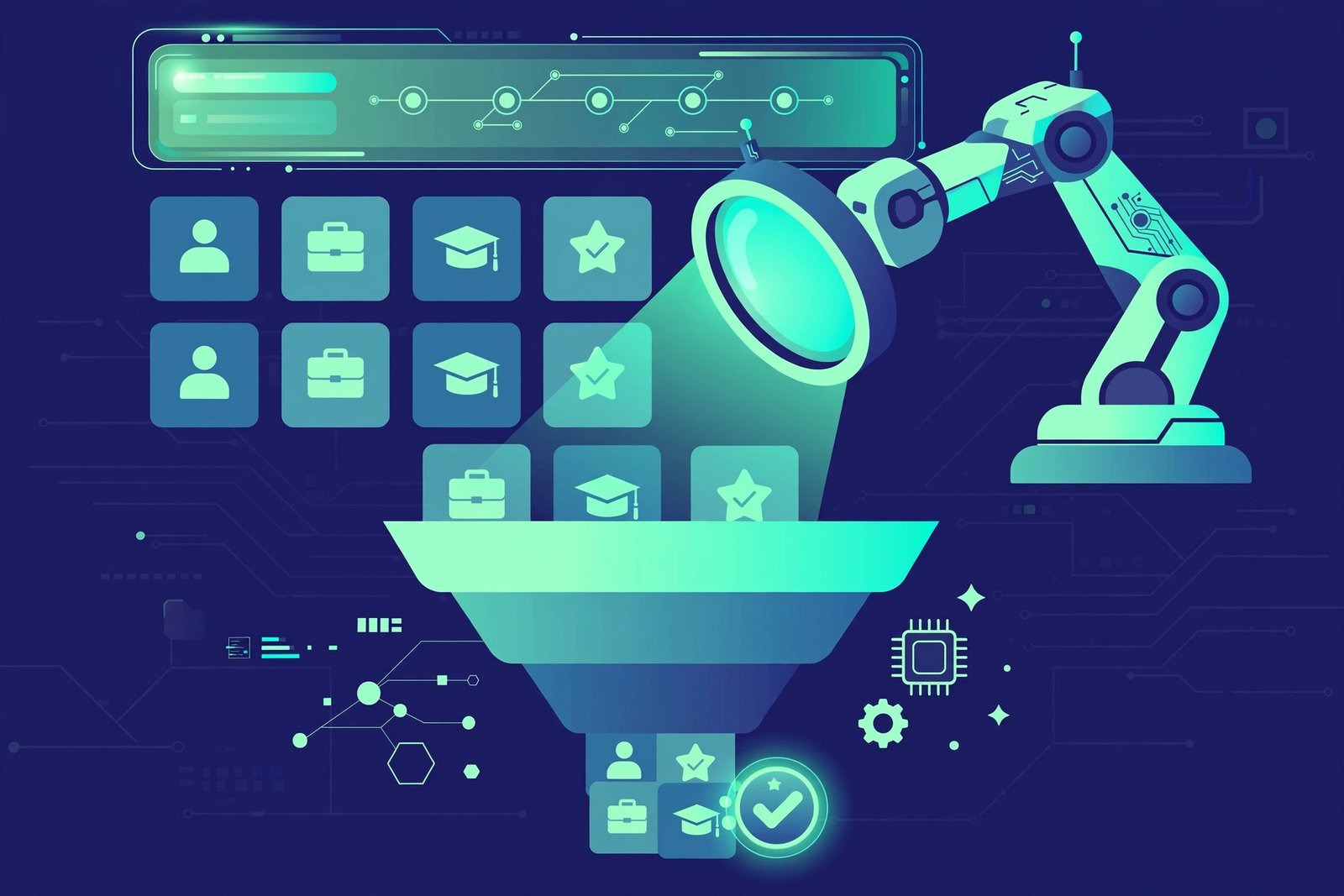
- hrmtaila is an online term, not a verified product. It describes AI-assisted HR management systems; no official company, pricing, or app has been confirmed.
- The underlying capabilities are genuine HR technology. Established HRMS platforms handle recruiting, onboarding, payroll, time tracking, performance reviews, and analytics.
- AI augments HR professionals, it does not replace them. Empathy, judgment, and culture work remain human responsibilities.
- Verify before adopting. Check vendor identity, documentation, integrations, and security protections before committing to any HR platform.
What does the term hrmtaila actually mean?
Put simply, hrmtaila is a buzzword for AI-assisted human resource management. When writers use it, they mean software systems, often called HRMS (human resource management systems) or HCM (human capital management) platforms, that automate routine HR work and apply data analytics to people decisions.
The term covers automation of administrative tasks, employee self-service portals, workforce analytics, and AI features such as resume screening, turnover prediction, and sentiment analysis of employee feedback. It is a label for where HR software is heading, not the name of a product you can download or buy.
Is hrmtaila a real software product or company?
Available information does not establish hrmtaila as a commercial platform or registered company. There is no official site, documented development team, or published pricing.
This honesty matters because several pages ranking for the term imply it is something you could purchase. That framing is misleading. What is real is the underlying technology, and plenty of established HR platforms offer the functions described under this label. If anyone pitches an “hrmtaila app” with a feature list, treat that as a vendor claim to verify.
How does AI-assisted HR differ from traditional HR?
Traditional HR was largely administrative: paper forms, spreadsheets, manual data entry, and annual performance reviews. AI-assisted HR shifts that work toward strategy, because automation handles the repetitive parts and analytics surface patterns a human would miss. Companies that process people data well hire faster and retain employees longer, the classic “talent war” framing.
| Aspect | Traditional HR | AI-assisted HR |
|---|---|---|
| Recruiting | Manual resume review, phone screening | Automated screening, interview scheduling, candidate matching |
| Onboarding | Paper forms and in-person orientations | E-signature workflows, automated checklists, digital training |
| Performance reviews | Annual appraisals | Continuous feedback, pulse checks, real-time KPIs |
| Payroll | Manual calculations and paper records | Automated withholdings, direct deposit, compliance rules |
| Decision making | Gut feel and historical experience | Workforce analytics, turnover and skills-gap reports |
| Employee access | Requests routed through HR staff | Self-service portals for payslips, leave, and updates |
What modules does a typical AI-assisted HR system include?
A modern HRMS is a connected set of modules rather than a single tool. The table below lists the core modules associated with the hrmtaila concept, what each does, and its key benefit.
| Module | What it does | Key benefit |
|---|---|---|
| Talent acquisition (ATS) | Posts jobs, screens resumes, schedules interviews, generates offer letters | Shorter hiring cycles, less manual screening |
| Digital onboarding | E-signatures, document collection, IT provisioning checklists | New hires become productive faster |
| Payroll and tax compliance | Automated withholdings, direct deposit, labor-law rule updates | Fewer payroll errors and compliance penalties |
| Time tracking and attendance | Clock-in/out, PTO and leave balances, overtime calculation | Accurate records without spreadsheets |
| Performance management | KPIs, recurring check-ins, promotion readiness tracking | Continuous growth conversations, not one annual review |
| Workforce and predictive analytics | Turnover prediction, absenteeism trends, burnout flags, skills-gap reports | Early warning of retention risks and staffing needs |
| Employee self-service portal | Payslips, personal details, leave requests, training access | Employees resolve routine needs without waiting on HR |
How does AI change talent acquisition and onboarding?
Resume filters surface candidates whose skills match a job description, automated messages schedule interviews, and template workflows generate offer letters. This can reduce hiring time, though specific percentages attached to hrmtaila are unverified.
Onboarding works the same way. New hires sign documents electronically, follow automated checklists, and trigger IT provisioning requests without HR coordinating each step. Consistent first weeks matter because early impressions shape retention. For more on AI business tools, see our overview on what is Sosoactive and other explainers on DigitalGeekSpot.
What can AI do for payroll, time tracking, and compliance?
Payroll automation calculates withholdings, issues direct deposits, and applies tax and labor-law rules as regulations change. Time-tracking modules handle clock-in and clock-out, including mobile clock-in, and maintain PTO and leave balances.
Compliance is the quieter win. Audit logs record who changed what, role-based access limits sensitive data to authorized users, and encryption plus multi-factor authentication protect payroll records. Under regulations such as GDPR or CCPA, these controls are a practical necessity.
How do analytics and predictive tools support retention?
Dashboards show staffing levels, unfilled positions, and absenteeism patterns. Predictive features flag flight risks such as burnout or disengagement signals, so managers can intervene with stay interviews or development offers before a resignation arrives.
Pulse checks, short continuous-feedback surveys, complement dashboards. One caution: analytics reveal patterns but do not always explain causes, so human judgment must stay in the loop.
How can small businesses and remote teams use this technology?
Small businesses gain the most from the scalability of cloud-based HR software. Without a full HR department, a company can automate paperwork, run payroll, and track time through one subscription, adding seats as it grows. API integrations connect the HR system with accounting and communication tools already in use.
HR professionals win back hours from admin work for strategy, coaching, and culture building, while managers get real-time visibility into attendance, performance signals, and open positions. For distributed teams, these platforms also support cross-border hiring: currency conversion for payroll, localized training content, time-zone-aware scheduling, and multi-region labor-law compliance. To see how modern software platforms keep evolving, read our Tozy Magazine review and our piece on SEO by HighSoftware99.
What are the risks and limitations of AI in HR?
An honest guide states the risks before any pitch. AI augments HR professionals, it does not replace them:
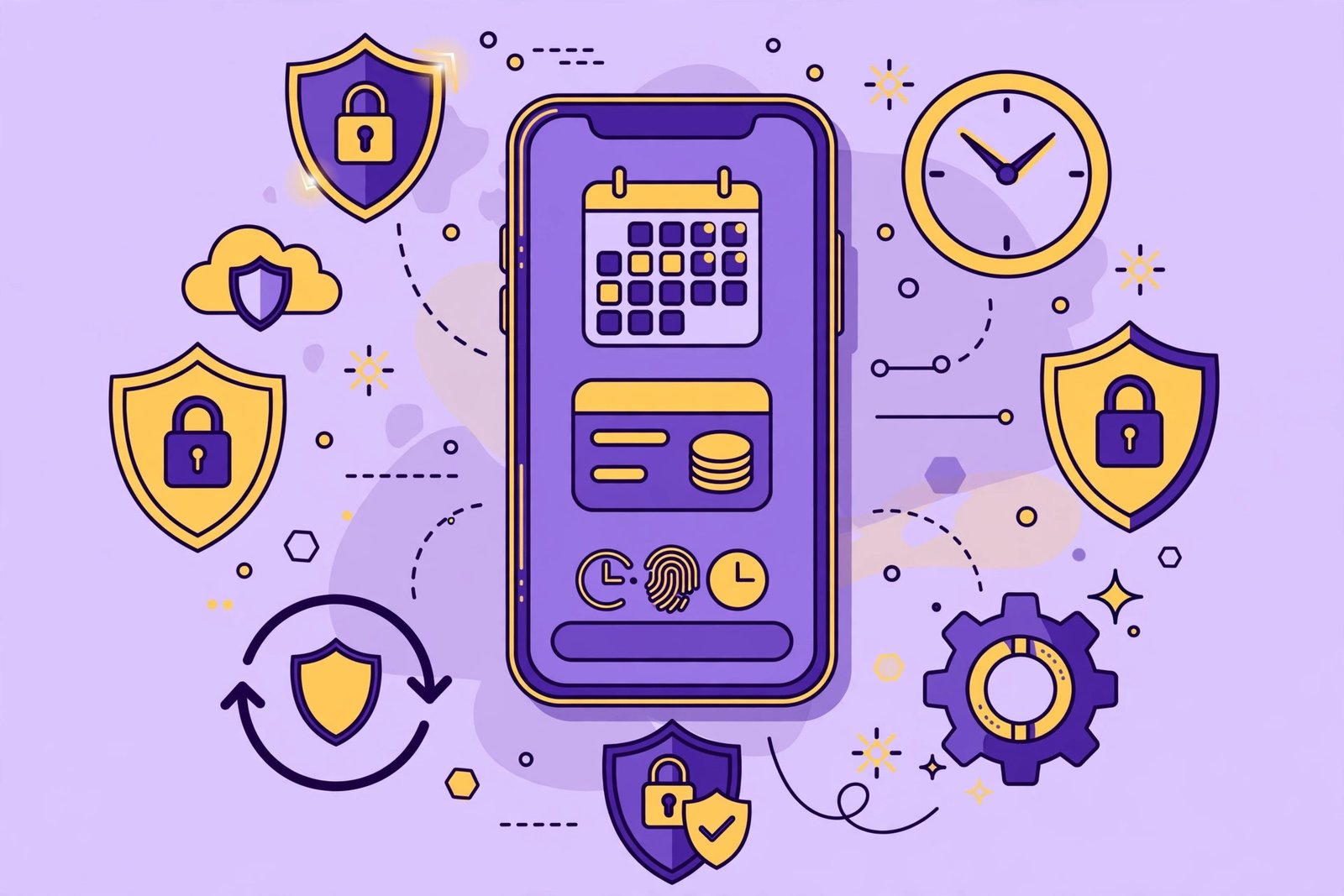
- Data privacy and security. HR systems hold salaries, health details, and government IDs. Look for encryption in transit and at rest, role-based access, multi-factor authentication, and audit logs, and ask about data retention, export, and deletion policies.
- Bias in AI screening. Screening models learn from historical hiring data, which may carry past biases. Diverse, regularly reviewed training data and ongoing bias audits are the standard defenses.
- Accuracy and human oversight. AI outputs can be incomplete or wrong, which matters most in hiring, compensation, and performance decisions. Every automated recommendation should be reviewable by a person.
- Cost and implementation. Subscriptions, training, data migration, and integrations add up. Right-size the platform to your company and run a trial before committing.
How should you evaluate an HR technology platform?
Whether you are assessing a product marketed under the hrmtaila name or any established HRMS, run through this checklist before signing anything:
- Verify the vendor. Confirm the company name, physical presence, and contact channels. Be skeptical of any “hrmtaila” app with no verifiable developer.
- Demand transparent pricing and documentation. Features, tiers, and support terms should be published, not promised verbally.
- Match modules to your needs. Map the platform against your actual requirements: recruiting, onboarding, payroll, time tracking, analytics.
- Check integrations. Confirm documented connections to your payroll provider, accounting software, and communication tools.
- Inspect security. Encryption, MFA, role-based access, audit logs, and compliance certifications should be explicit.
- Confirm data rights. You should be able to review, correct, export, and delete employee data on request.
- Require human review. Any AI output affecting hiring, pay, or termination must pass a human checkpoint.
- Run a trial. Pilot with a small group and check scalability before a full rollout.
Frequently Asked Questions
What does the term hrmtaila represent?
An emerging online term for AI-driven human resource management, covering automation, workforce analytics, employee self-service, and predictive HR features. It is a concept label, not a certified standard.
Is hrmtaila a real software product or company?
No verified product or company has been confirmed. No official site, developer, pricing, or feature list exists under the name. Real HRMS platforms offer the capabilities the term describes.
How does AI-assisted HR software improve hiring?
It automates resume screening, schedules interviews, matches candidate skills to job descriptions, and generates offer letters. Automated decisions should still be reviewed by a person.
Can small businesses benefit from this technology?
Yes. Cloud-based HR software scales with headcount, eliminates manual paperwork, and integrates with accounting and messaging tools, so a small team can run HR without a large in-house department.
Does AI replace human HR professionals?
No. AI handles repetitive admin and surfaces data-driven insights, but empathy, judgment, coaching, and culture building remain human responsibilities.
How is employee data protected in these systems?
Through encryption, role-based access controls, multi-factor authentication, and audit logs, plus compliance with regulations such as GDPR and CCPA. Verify retention, export, and deletion policies with the vendor.
What are the risks of AI in HR?
Data privacy breaches, bias in automated screening, inaccurate AI outputs affecting hiring or pay decisions, and the cost and complexity of implementation. Human review and bias audits mitigate these risks.
How do you evaluate an HR technology platform before adopting it?
Verify the vendor, demand published pricing and documentation, confirm needed modules and integrations, inspect security, secure data rights, require human review of AI decisions, and pilot before rolling out.
Final thoughts
Hrmtaila is a useful label for a real shift in HR technology: automation of the repetitive, analytics for the strategic, and self-service for the everyday. The capabilities are real, but the name has no verified product attached. Verify the vendor, test the security, and keep human judgment in charge of people decisions.




1 Comment