
Last updated: November 2026
Written by James Foster for Digital Geek Spot.
Introduction
Signs of vitamin B12 deficiency include fatigue, pale skin, a sore tongue, numbness or tingling in the hands and feet, poor balance, memory trouble and low mood. Vitamin B12, also called cobalamin, helps the body make red blood cells, build DNA and protect nerves. The signs build slowly over months or years, because the body stores vitamin B12 and uses that reserve long after intake drops. Many people blame the first signs on stress, poor sleep or age, so the deficiency goes unnoticed until anemia or nerve damage sets in. This guide lists 15 signs in order of severity, explains who is most at risk, names the blood tests that confirm low B12, and covers treatment and the point where a doctor visit cannot wait.
Key Takeaways
- Signs of vitamin B12 deficiency start with fatigue, pale skin and a sore tongue, then move to tingling hands, poor balance and memory trouble.
- The body stores 1,000 to 2,000 times the daily intake of B12, so signs can take years to appear (Source: WebMD, 2026).
- Low B12 affects about 6 percent of people under 60 and about 20 percent of people over 60 in the United States and the United Kingdom (Source: Wikipedia, 2026).
- A blood test confirms the diagnosis. Serum B12 below 148 to 185 pmol/L (200 to 250 pg/mL) points to deficiency (Source: Wikipedia, 2026).
- Anemia signs often reverse with treatment. Nerve damage and dementia in older adults may persist even after B12 levels return to normal (Source: MSD Manual, 2026).
- Vegans, adults over 60, people on metformin or acid blockers, and people after stomach surgery carry the highest risk.
Table of Contents
- What Is Vitamin B12 Deficiency?
- What Are the Early Signs of Vitamin B12 Deficiency?
- How Does B12 Deficiency Affect Your Nerves?
- Can Low B12 Affect Your Memory and Mood?
- What Mouth, Tongue and Skin Signs Point to Low B12?
- What Digestive Signs Come With B12 Deficiency?
- Who Is Most at Risk of Vitamin B12 Deficiency?
- How Is Vitamin B12 Deficiency Diagnosed?
- Vitamin B12 Deficiency vs Vitamin D Deficiency
- How Is Vitamin B12 Deficiency Treated?
- When Should You See a Doctor?
- Frequently Asked Questions
- Conclusion
What Is Vitamin B12 Deficiency?
Vitamin B12 deficiency is a medical condition in which the blood and tissues hold a lower than normal level of vitamin B12. Vitamin B12 is a water soluble vitamin the body needs to make healthy red blood cells, to build DNA and to keep the protective myelin sheath around nerves intact. The body cannot make B12. Food or supplements must supply it.
The deficiency grows in two ways. Intake falls short when a diet holds no animal foods and no fortified foods or supplements. Absorption fails when the stomach or gut cannot take B12 from food, even when intake is fine. Pernicious anemia is the best known absorption cause: the immune system attacks the stomach cells that make intrinsic factor, a protein B12 needs to enter the blood.
Mild deficiency may cause no clear signs at all. Moderate deficiency brings fatigue, pale skin, a sore tongue and the first nerve signs, such as tingling in the fingers and toes. Severe deficiency can damage nerves, shrink the red blood cell count and change thinking and mood.
What Are the Early Signs of Vitamin B12 Deficiency?
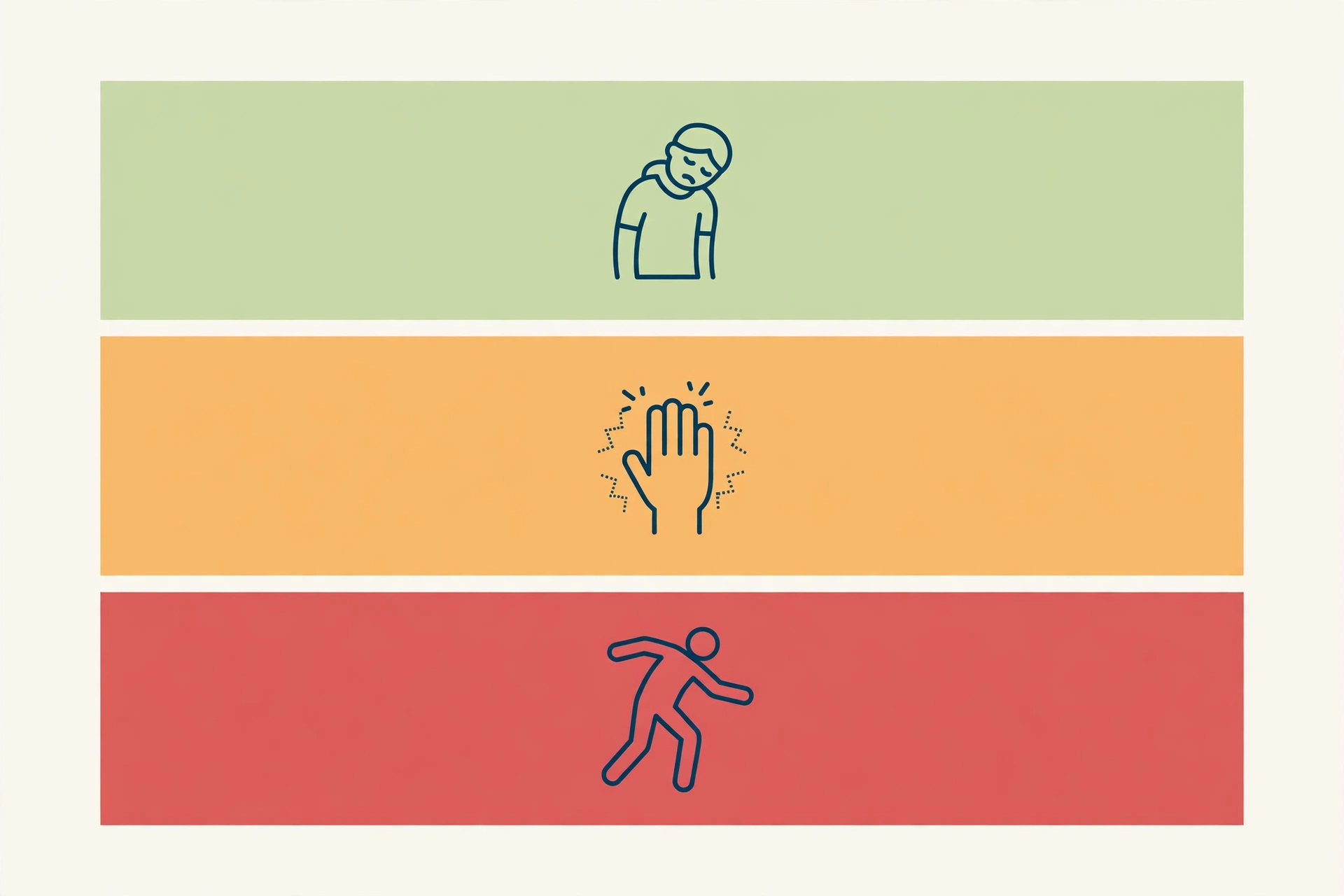
Early signs of vitamin B12 deficiency are fatigue, weakness, pale skin, lightheadedness, a sore tongue and loss of appetite. These signs appear first because low B12 slows red blood cell production, so less oxygen reaches muscles and the brain. The signs are mild at first and easy to miss, which is why they last for months before anyone checks B12.
Fatigue is the most common early sign. The tiredness feels different from a bad night of sleep: rest does not fix it, and it grows over weeks. Weakness follows the same pattern, with stairs and short walks feeling harder than they should. Pale skin, sometimes with a slight yellow tint, comes from fewer red blood cells breaking down early.
A sore, smooth tongue and mouth ulcers often show up early too. The tongue may look red and swollen, and food may taste different. Appetite drops, and some people lose weight without trying. Headaches round out the early list. None of these signs proves low B12 on its own. The pattern matters: three or more of them together, lasting weeks, is a reason to ask for a blood test rather than to wait. Readers who track their own health can note each sign, when it started and whether it is getting worse, and the Health section of Digital Geek Spot covers more nutrition topics in the same plain style.
How Does B12 Deficiency Affect Your Nerves?
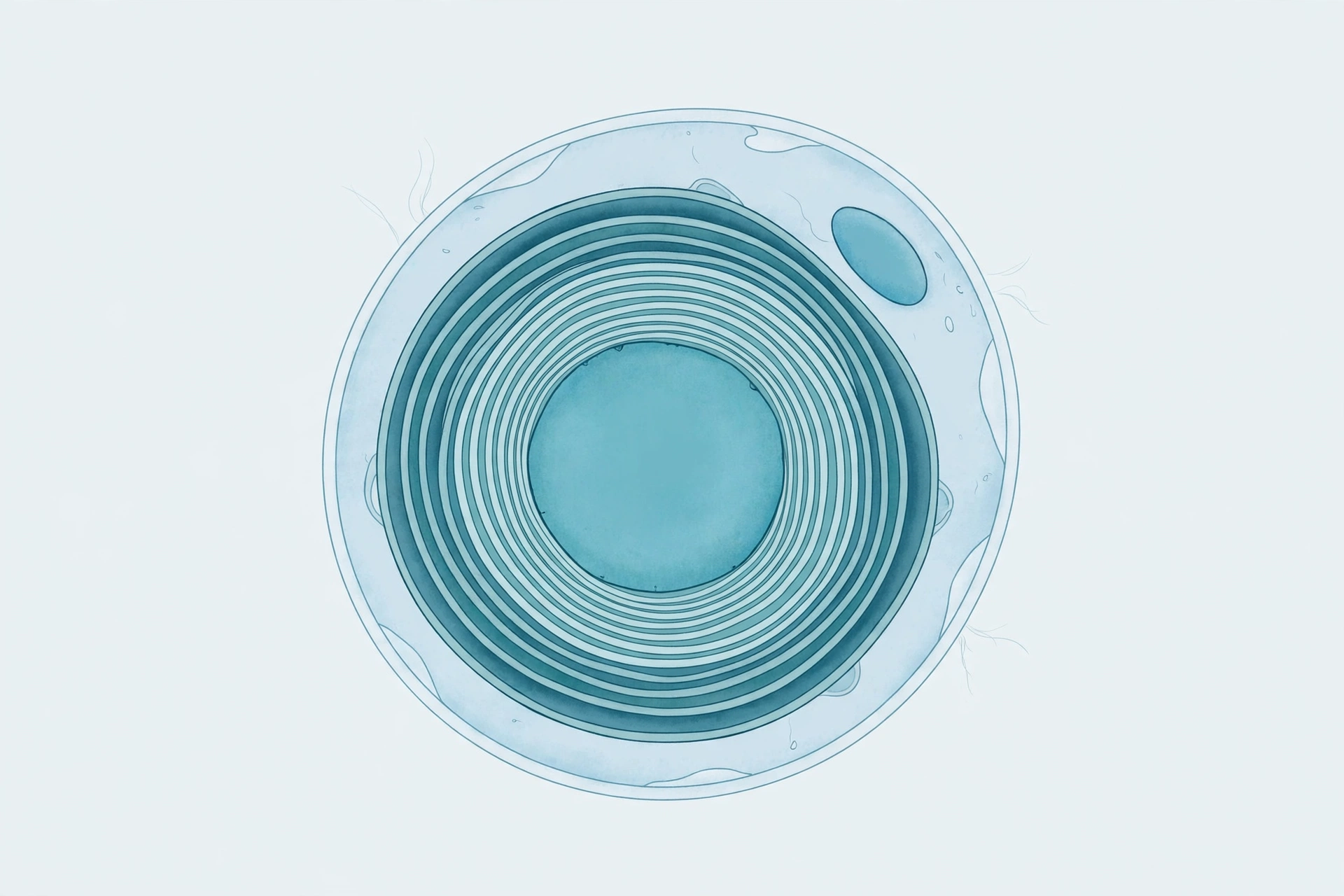
B12 deficiency affects the nerves by damaging the myelin sheath that insulates nerve fibers, which slows and scrambles nerve signals. Nerve signs often start in the feet and hands and move upward, and they can appear even when no anemia is present (Source: MSD Manual, 2026).
Numbness or tingling in the hands and feet is the classic nerve sign. Readers describe it as pins and needles, a buzzing feeling or a foot that has gone to sleep and never wakes up. The feeling starts in the toes and fingers, then spreads. Loss of position sense follows: a person cannot tell where the feet are without looking, so walking in the dark gets hard. Reflexes weaken and muscles lose strength.
Balance trouble is the sign that turns a quiet deficiency into a fall risk. Walking becomes unsteady, stairs feel unsafe and the gait turns wide and careful. In advanced deficiency the damage reaches the spinal cord, a condition called subacute combined degeneration, which brings severe balance loss, weak legs and bladder problems. Vision problems can also appear, including blurred vision and, in rare cases, optic neuropathy, damage to the nerve that carries sight signals.
Can Low B12 Affect Your Memory and Mood?
Low B12 can affect memory and mood, because B12 helps make the chemicals the brain uses to think, remember and regulate mood. Memory trouble, poor concentration, confusion, irritability and depression are all listed among the signs of vitamin B12 deficiency (Source: Wikipedia, 2026).
Brain fog is the word many patients use: names slip away, a room is entered and the reason is gone, a page needs three reads. Concentration drops, and tasks that were easy take longer. In older adults the picture can look like dementia, with confusion, disorientation and memory loss. The difference matters, because B12 related memory trouble can improve with treatment, while dementia from other causes follows a different course.
Mood changes run beside the thinking changes. Low mood, irritability and anxiety show up often. Severe deficiency can bring paranoia, delusions and, in rare cases, psychosis. The link between B12 and depression is real but narrow: studies show a link between low B12 and depression, yet no clear proof shows that raising B12 eases depression on its own (Source: WebMD, 2026). Mood treatment still needs its own plan, with B12 fixed beside it, not instead of it.
What Mouth, Tongue and Skin Signs Point to Low B12?
Mouth, tongue and skin signs that point to low B12 are a smooth red tongue, mouth ulcers, pale skin, hair loss and nail changes. These signs are easy to see in a mirror, which makes them useful early warnings for people who check.
Glossitis is the medical name for the tongue sign: the tongue turns red, smooth and swollen, and loses the small bumps that give it texture. Eating spicy or acidic food stings. Mouth ulcers and cracks at the corners of the mouth, called angular cheilitis, appear beside it. The mouth signs come from the same cause as the anemia: fast growing cells in the mouth need B12 to renew, and low B12 slows that renewal.
Skin signs are subtler. Pale skin is the most common, and some people develop a yellow tint as red cells break down. Dark patches, light patches and eczema have all been linked to very low B12 (Source: WebMD, 2026). Hair loss and early greying show up in some cases, though the proof for hair regrowth after B12 treatment is thin (Source: WebMD, 2026). Nails may turn brown grey or bluish, and they can grow brittle. A sore tongue plus pale skin plus tiredness is a strong prompt to test.
What Digestive Signs Come With B12 Deficiency?
Digestive signs that come with B12 deficiency are loss of appetite, nausea, constipation, diarrhea and weight loss. The gut lining renews fast, so it is one of the first tissues to feel a B12 shortage, and bowel habits can swing both ways.
Loss of appetite is the most common gut sign, and it often pairs with weight loss. Nausea and an upset stomach follow. The stomach itself can also be part of the cause: pernicious anemia starts with stomach damage, so gut trouble and low B12 feed each other. People who already live with gut disease, such as Crohn disease or coeliac disease, face a double risk, because the damaged gut absorbs less B12 from food. Weight loss without trying deserves attention on its own, and when it pairs with a sore tongue, tiredness or tingling, the case for a B12 test grows stronger.
Read the guide to vitamin D deficiency signs on Digital Geek Spot to compare the two deficiencies side by side.
Who Is Most at Risk of Vitamin B12 Deficiency?
The people most at risk of vitamin B12 deficiency are vegans and strict vegetarians, adults over 60, people who take metformin or stomach acid blockers, people with pernicious anemia or gut disease, and people who have had stomach or weight loss surgery.
Vegans carry the clearest intake risk, because B12 occurs naturally only in animal foods: meat, fish, eggs and dairy. Fortified foods and supplements close the gap, but the danger is the timeline. The body stores 1,000 to 2,000 times the daily intake of B12, so a person can eat no B12 for years before signs appear (Source: WebMD, 2026). New vegans often feel fine for two to five years, then the signs arrive together and look sudden.
Age is the second big risk. About 20 percent of people over 60 in the United States and the United Kingdom have low B12, against about 6 percent of people under 60 (Source: Wikipedia, 2026). The stomach makes less acid with age, and less acid means less B12 freed from food. Medicines add to the risk: metformin, used for type 2 diabetes, and proton pump inhibitors and other acid blockers, used for reflux, both lower B12 absorption, and the effect grows with dose and years of use.
Pernicious anemia is an autoimmune cause: the immune system attacks the stomach cells that make intrinsic factor, so B12 cannot enter the blood no matter how much food holds. Gut diseases such as Crohn disease and coeliac disease, and surgery that removes or bypasses part of the stomach, block absorption the same way. Heavy alcohol use also raises risk, by cutting intake and damaging the gut and liver.
How Is Vitamin B12 Deficiency Diagnosed?

Vitamin B12 deficiency is diagnosed with blood tests, because symptoms alone cannot prove it. A serum B12 test is the first step: a level below 148 to 185 pmol/L (200 to 250 pg/mL) in adults points to deficiency (Source: Wikipedia, 2026). Levels in the borderline range, 148 to 221 pmol/L (200 to 300 pg/mL), need a second test to settle the question.
Methylmalonic acid, called MMA, is that second test. MMA rises when B12 is low, even when serum B12 looks borderline, so a high MMA level supports the diagnosis. Homocysteine is a third marker: it also rises in low B12, though folate deficiency raises it too. A complete blood count, or CBC, checks the red cells: B12 deficiency anemia shows large red blood cells, called macrocytes, and abnormal white cells (Source: MSD Manual, 2026).
Doctors also test for the cause: intrinsic factor antibodies point to pernicious anemia, and a review of medicines, diet and surgery history points to the other causes. Do not start a high dose B12 supplement in the days before the test, because a recent dose can push the blood level up and hide the deficiency.
Vitamin B12 Deficiency vs Vitamin D Deficiency
Vitamin B12 deficiency and vitamin D deficiency both cause fatigue, weakness and low mood, so readers mix them up. The table below separates them by their most telling signs, their main causes and their tests.
| Feature | Vitamin B12 deficiency | Vitamin D deficiency |
|---|---|---|
| Main cause | Low intake (vegan diet) or poor absorption (pernicious anemia, medicines, surgery) | Low sunlight, dark skin, winter, indoor life |
| Fatigue and weakness | Yes, from anemia | Yes, from muscle weakness |
| Tingling or numbness | Yes, common and often first nerve sign | No, not a typical sign |
| Sore tongue or mouth ulcers | Yes, common | No |
| Bone pain or muscle pain | No | Yes, common |
| Poor balance | Yes, from nerve damage | Sometimes, from muscle weakness |
| Memory and mood changes | Yes, brain fog, depression, confusion | Sometimes, low mood |
| Key blood test | Serum B12, MMA, homocysteine | Serum 25-hydroxyvitamin D |
| Main food sources | Meat, fish, eggs, dairy, fortified foods | Oily fish, fortified milk, egg yolk |
| Treatment | B12 supplements or injections | Vitamin D supplements, sunlight |
The two deficiencies can occur together, and fixing one will not fix the other. A person with fatigue, tingling and a sore tongue should test B12 first. A person with fatigue, bone pain and muscle weakness should test vitamin D first.
How Is Vitamin B12 Deficiency Treated?
Vitamin B12 deficiency is treated with B12 supplements or injections, and the choice depends on the cause. High dose oral B12 works when absorption is normal but intake is low. Injections work when absorption is broken, as in pernicious anemia or after stomach surgery.
Oral treatment usually starts with a high daily dose, often 1,000 micrograms, until signs improve, then a lower daily dose for life when the cause cannot be removed. Injections usually start with several doses over two weeks, then a maintenance injection every two to three months. The exact schedule is a doctor’s call, and it changes with the blood level and the cause. A follow up blood test after a few months checks that the level has risen and that the dose is right.
Food helps but cannot fix a severe deficiency alone. Meat, fish, eggs and dairy are the richest sources, and fortified breakfast cereals, plant milks and yeast extracts serve people who eat no animal foods. The adult recommended dietary allowance is 2.4 micrograms per day (Source: National Institutes of Health, Office of Dietary Supplements, 2024). That amount keeps a healthy person topped up, but it will not refill a deep deficit fast.
When Should You See a Doctor?
See a doctor promptly when tingling or numbness lasts more than a few days, when balance or walking gets worse, when memory or thinking changes, or when fatigue pairs with a sore tongue or pale skin. Seek care the same day when signs turn severe: trouble walking or speaking, vision loss, chest pain, severe shortness of breath, confusion or a fall. People in the high risk groups should ask for a B12 check at a routine visit even without signs, because early deficiency often has none.
Frequently Asked Questions
What are the first signs of vitamin B12 deficiency?
The first signs of vitamin B12 deficiency are fatigue, weakness, pale skin, lightheadedness, a sore tongue and loss of appetite. These signs come from fewer red blood cells carrying less oxygen. They build slowly over weeks, and three or more of them together is a reason to ask for a blood test.
How do you know if you have low B12?
Low B12 is known from a blood test, not from signs alone. A serum B12 level below 148 to 185 pmol/L (200 to 250 pg/mL) points to deficiency (Source: Wikipedia, 2026). Borderline levels need a methylmalonic acid test, which rises when B12 is low. Tell the doctor about any B12 supplement taken before the test.
Can vitamin B12 deficiency cause tingling in hands and feet?
Yes, vitamin B12 deficiency can cause tingling in the hands and feet. Low B12 damages the myelin sheath around nerves, which scrambles nerve signals (Source: MSD Manual, 2026). The tingling often starts in the toes and fingers and spreads upward. It can appear even when no anemia is present, so test promptly.
Does low B12 cause memory loss?
Yes, low B12 can cause memory loss, poor concentration and confusion, because B12 helps make the brain chemicals used for thinking and memory. In older adults the picture can look like dementia. The difference matters: B12 related memory trouble can improve with treatment, while dementia from other causes follows a different course and needs its own plan.
How long does it take to recover from B12 deficiency?
Recovery from B12 deficiency takes weeks for anemia signs and months for nerve signs. Fatigue and pale skin often ease within weeks of treatment. Mouth and tongue signs clear in days to weeks. Tingling, balance trouble and memory trouble improve over months, and damage left untreated for a long time may not fully reverse (Source: MSD Manual, 2026).
Can vegans get enough B12 from food alone?
No, vegans cannot get enough B12 from plant food alone, because B12 occurs naturally only in animal foods. Vegans need fortified foods, such as fortified plant milks and cereals, or a B12 supplement. The body stores B12 for years, so signs can appear late, which makes regular B12 checks the safe habit for anyone on a vegan diet.
Is B12 deficiency serious?
Yes, B12 deficiency is serious when it goes untreated. It can cause anemia, lasting nerve damage, poor balance, memory loss and mood changes, and severe deficiency can bring heart problems and dementia. The good news is that a blood test finds it early and treatment works, so the risk comes from delay, not from the deficiency itself.
Conclusion
Signs of vitamin B12 deficiency move in stages: fatigue, pale skin and a sore tongue first, then tingling hands, poor balance and memory trouble, and in severe cases lasting nerve damage and anemia. The signs build slowly because the body stores B12 for years, which is why they get blamed on stress, sleep or age. A blood test settles the question fast, and treatment works best when it starts early. Anyone with three or more of the 15 signs, or anyone in a high risk group, should ask a doctor for a serum B12 test with methylmalonic acid and a complete blood count. Anemia signs reverse with treatment, but nerve damage may not, so early testing is the step that protects the most.
Readers who want to compare the two most confused vitamin gaps can read the guide to the benefits of magnesium for sleep on Digital Geek Spot next, and the Health category holds the full set of nutrition guides.