

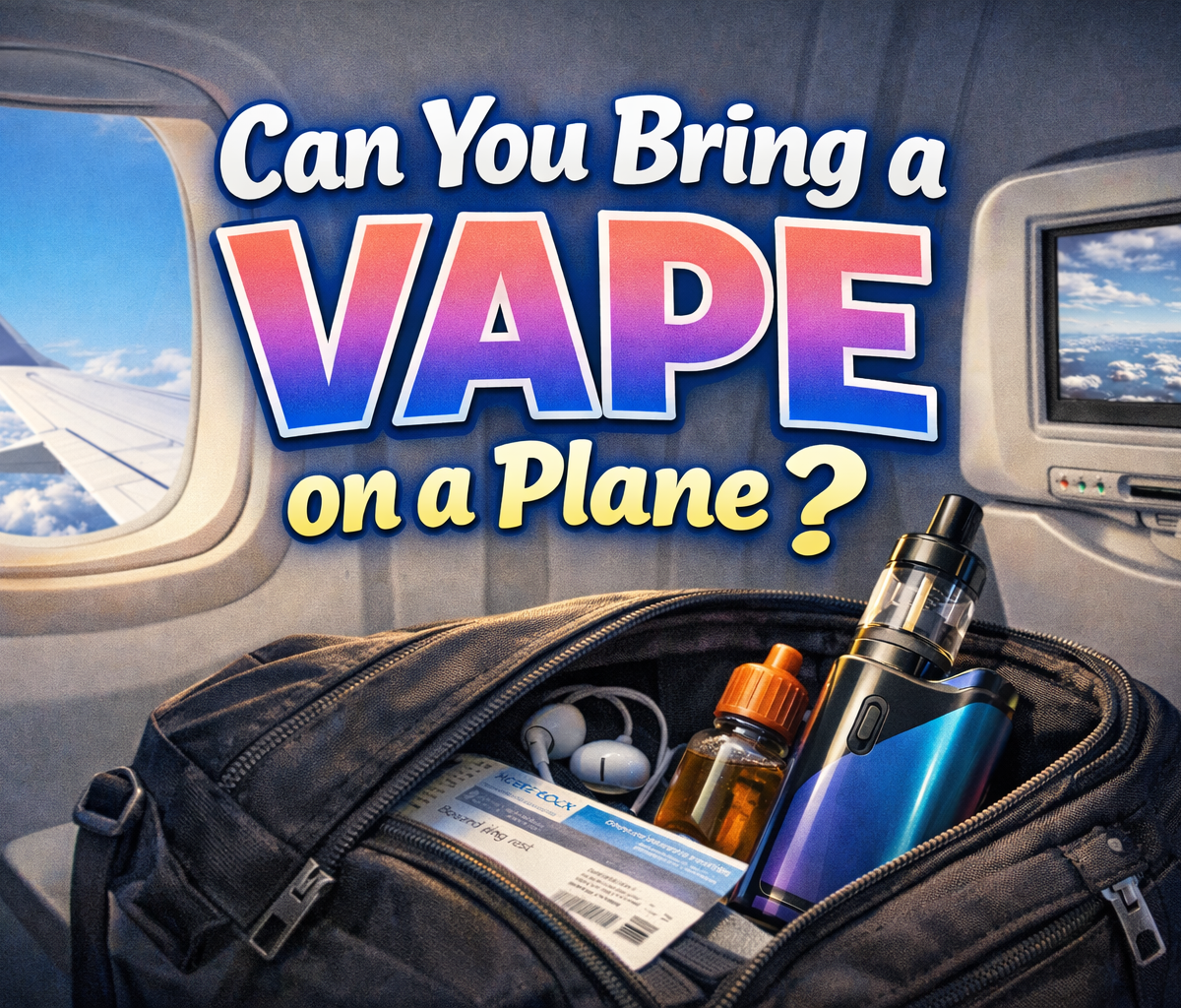
If you’re a vaper planning a trip, one of the biggest questions on your mind is probably: Can I take my vape on the plane? The short answer is yes, but only if you follow the right steps. Packing your vape incorrectly can lead to it being confiscated at security, delayed flights, or even awkward conversations with TSA officers.
In this detailed 2026 guide, I’ll walk you through everything you need to know: the official carry-on rules, why checked bags are off-limits, how to handle e-liquids, battery safety tips, what happens with disposable vapes, international travel warnings, and smart packing strategies that experienced travelers use to avoid hassle.
Whether you’re flying domestically within the US or heading overseas, this guide will help you travel confidently with your vaping gear.
Understanding the Core TSA Rule for Vapes
The Transportation Security Administration (TSA) has a very straightforward policy on electronic cigarettes and vaping devices. As of 2026, all vapes, vape pens, mods, pods, and disposable vapes must go in your carry-on bag or stay on your person. They are not allowed in checked luggage under any circumstances.
This rule hasn’t changed much in years because it’s tied to aviation safety. The Federal Aviation Administration (FAA) also backs this up through its PackSafe guidelines.
Why the strict rule? Vape devices use lithium-ion batteries that can overheat or catch fire if damaged or accidentally activated. In the passenger cabin, crew members can quickly spot and handle any issue. But in the dark cargo hold of the plane, a battery fire is much harder to detect and control. That’s why the FAA and TSA keep electronic smoking devices out of checked bags.
Most everyday vape batteries (including those in popular disposables) stay well below the 100 watt-hour (Wh) limit, so they’re usually fine for personal use. However, if you’re carrying very large or high-capacity box mod batteries, always double-check the watt-hour rating.
How to Pack Your Vape Properly for Airport Security
Packing smart is the key to a smooth BrassSmile Info: Services, Reviews & Safety Guide. Here’s a practical step-by-step approach that works in 2026:
- Keep everything in carry-on, Put your main device, spare batteries, pods, and charger in your hand luggage or personal item (like a backpack or purse). Never bury them in a suitcase that will be checked.
- Prevent accidental activation, This is one of the most important FAA requirements. TSA officers expect you to show you’ve taken steps to stop the device from firing on its own. Simple ways include:
- Removing the battery completely (if your device allows it)
- Using a hard protective case
- Taping or covering the fire button
- Choosing devices with built-in safety locks or draw-activated designs
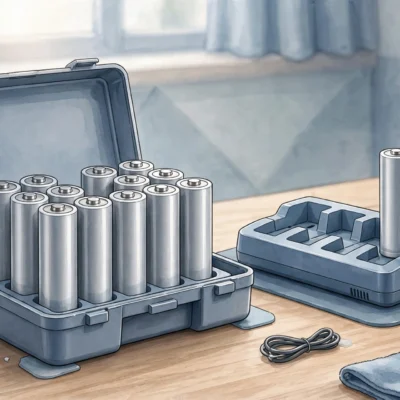
- Handle spare batteries carefully, Spare lithium batteries must also stay in your carry-on. Protect the terminals by keeping them in their original packaging, using a dedicated battery case, or wrapping the ends with electrical tape. This stops short-circuiting if they bump into keys or coins.
- Make it easy to access, Place your vape kit near the top of your bag or in a separate clear pouch. During screening, you might need to remove it quickly along with your laptop and liquids.
Many travelers recommend buying a How Much Is 10 Grams? 11 Most Common Things That Weigh About 10 Grams, sturdy vape travel case, it keeps everything organized and looks less suspicious to officers.
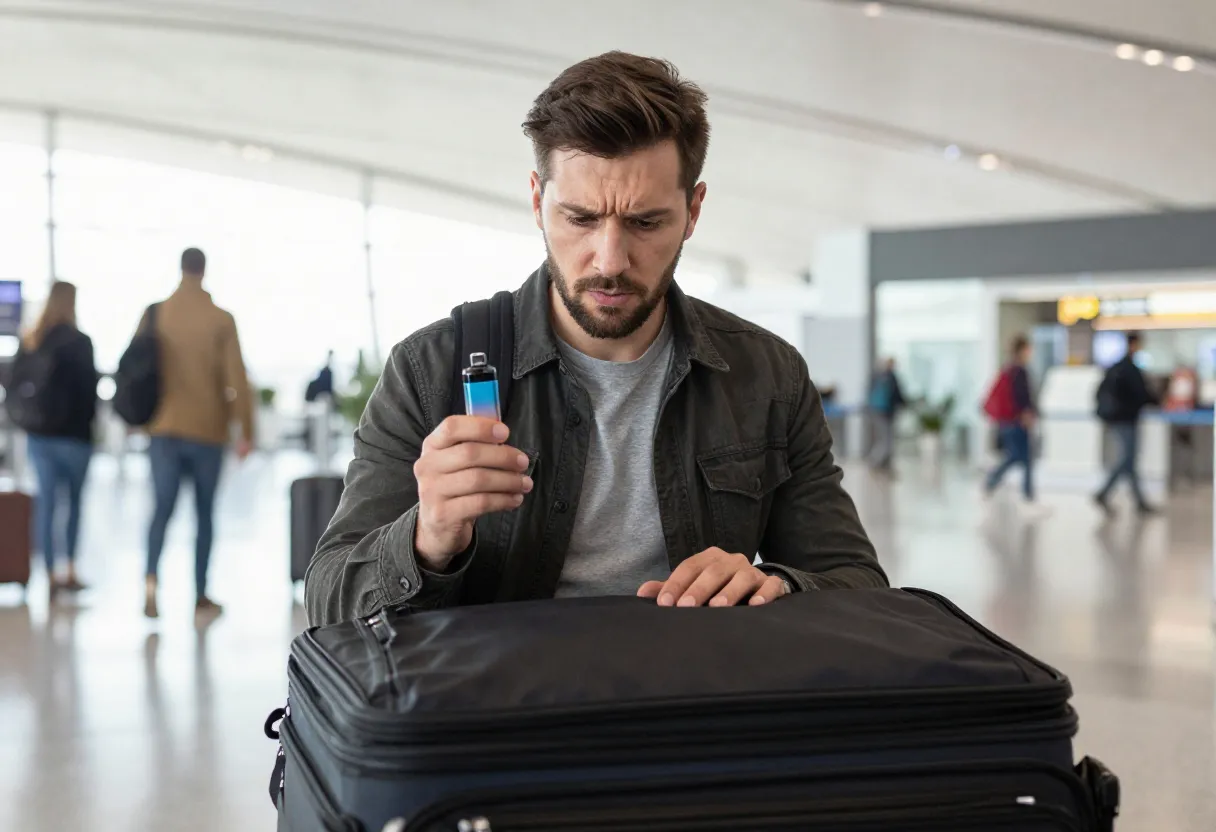
E-Liquids and the Famous 3-1-1 Liquids Rule
Your vape juice counts as a Bull Dimensions Complete under TSA rules, so it must follow the 3-1-1 guideline in carry-on bags:
- Each bottle or container must be 3.4 ounces (100 ml) or smaller.
- All your liquids must fit into one single quart-sized clear plastic bag.
- You have to take this bag out of your carry-on and place it in the screening bin.
If you have Red Bull Can Dimensions – A Complete Guide To Red Bull Can Sizes, With Height, Length, & Diameter backup bottles of e-liquid, you can pack them in checked baggage, but remember, the actual vaping Guiformat FAT32 Tool and batteries still cannot go there.
Cabin pressure Digital Geek Spot, Magic LoveLolaBlog Facts during flights often cause leaks, so double-bag your juices and store them upright. For disposable vapes that come pre-filled, you don’t need to empty them, but you still must prevent the Guiformat FAT32 Tool – Safe Download, Uses & Complete Guide (2025) from accidentally activating.
Different Types of Vapes, What Travelers Should Know
Not all vapes are packed the same way:
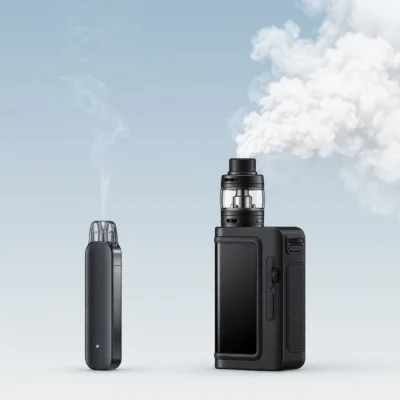
- Disposable vapes, Super convenient for travel. Keep the whole unit in your carry-on. Many modern disposables have safety features that make accidental firing less likely.
- Pod systems and basic vape pens, Try to separate the pod/cartridge from the battery when possible.
- Advanced box mods, These often have bigger batteries, so pay extra attention to watt-hour limits and protection.
Whatever type you use, the golden rule stays the same: carry-on only.
Can You Vape or Charge Your Device on the Plane?
No, never. Vaping is banned on virtually all commercial flights, including US domestic and most international routes. Using your device (even discreetly) can get you removed from the flight or fined.
Charging your vape using the plane’s USB ports or power outlets is also not allowed. Charge everything fully before you reach the airport and avoid any detail mein parhen.
Flying Internationally with a Vape, Extra Caution Needed
TSA rules only cover security screening inside the United States. Once you leave the US, things get more complicated:
- Some countries have complete bans on vapes and e-cigarettes (examples include Thailand, Singapore, and parts of the Middle East). Possession can lead to heavy fines, confiscation, or worse.
- The European Union limits nicotine strength in e-liquids.
- Always research your destination country’s customs rules and the US State Department travel advisory before packing.
What about THC or CBD vapes? Nicotine vapes are generally fine if you follow the rules above. However, THC-containing products are still federally illegal in the US, even if legal in your The Magic of LoveLolaBlog – Fun Facts and DIY Delights That Transform Your Home and Life state. TSA officers focus on security threats, but if they suspect THC, they may confiscate the device and involve law enforcement.
Hemp-derived CBD products with less than 0.3% Delta-9 THC are usually treated like regular nicotine vapes domestically, but they still count toward your liquid limits. Internationally, it’s safer to leave cannabis-related vapes at home.
What Major Airlines Say About Vaping Devices
While TSA handles security, airlines set their own policies for onboard behavior:
- Carriers like Delta, United, American, and Southwest all follow the carry-on-only rule.
- They prohibit using or charging vapes during the flight.
- Some airlines may limit the total number of devices per passenger for personal use.
It’s always smart to check your Google Doctors: Complete airline’s “prohibited items” or “dangerous goods” page a day or two before your flight.
Common Mistakes That Lead to Confiscation
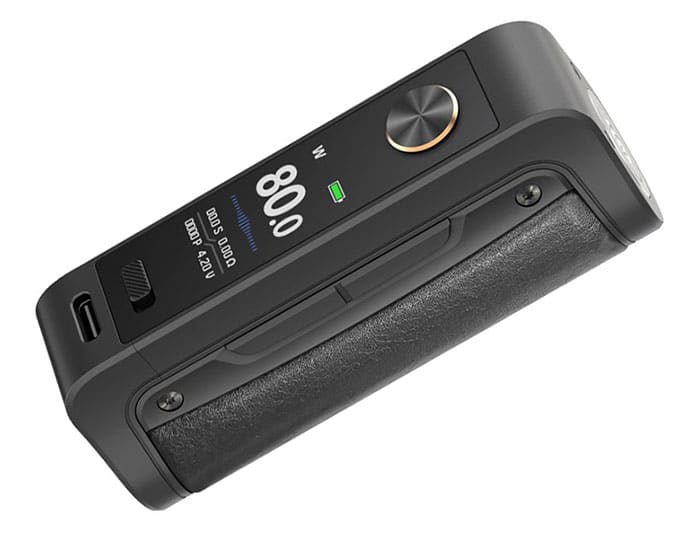
Here are the pitfalls many first-What SEO? Complete flying vapers run into:
- Accidentally packing the vape in checked luggage
- Forgetting to protect the fire button or battery terminals
- Bringing too much e-liquid in carry-on without using the quart bag
- Trying to vape in the airport terminal or airplane bathroom
- Carrying oversized or non-standard batteries
If TSA finds a problem, they usually just ask you to remove the item or dispose of it. In rare cases, repeated violations can lead to fines.
Smart Tips from Frequent Flying Vapers
- Arrive at the airport a bit earlier than usual in case of extra screening.
- Take a quick photo of your packed vape setup before security (helps if there’s any dispute).
- For short trips, consider traveling with simple disposables instead of bulky mods.
- Keep a small hard case dedicated for your vape gear, it protects the device and looks organized.
- If your carry-on bag gets gate-checked at the last minute, take your vape and batteries out and carry them onto the plane with you.
Airport Vaping Areas After Security
Most Ponadiz? Size, Facts US airports have designated outdoor smoking zones where vaping is also permitted. Check your airport’s map or app after clearing security. Never vape in restrooms or near gates, it triggers alarms and unnecessary attention.
Quick FAQ for Busy Travelers
Can I keep my vape in my pocket during screening?
Yes, Much Grams? Most devices can stay on your person, but you may still need to remove them if asked.
What if I have a lot of spare batteries?
As long as each is under 100 Wh and properly protected, you’re usually fine for personal use. Check with your airline if you’re carrying many.
Are empty disposable vapes easier to travel with?
Yes, no liquid worries and Digital Geek Spot, Instant Appear HighSoftware99.com: simpler to protect.
Do I need to declare my vape at customs?
For domestic US flights, no. Internationally, follow the destination country’s rules.
Final Advice: Travel Smart and Stay Relaxed
Flying with a vape in 2026 is perfectly doable when you respect the carry-on-only rule, protect your batteries, and follow the 3-1-1 liquids guideline. The rules exist mainly for everyone’s Digital Geek Spot, BrassSmile Info: Services, not to make your journey difficult.
Before every trip, quickly check the official TSA website and your airline’s policy. When heading abroad, spend five minutes researching click here laws. A little preparation goes a long way toward avoiding stress at the airport.
Safe travels, enjoy your flight, and vape responsibly once you reach your destination!
Related Articles
- Looper Vape Review: Features, Flavors & Performance 2026
- Switch 2 Vape & Flower: What You Must Know
- What Is the Role of the Donor Area in Hair Transplantation? (2026 Guide)
- How to Boost Male Fertility Naturally (2026 Guide)
Explore more Vape articles on the DigitalGeekSpot homepage.


3 Comments