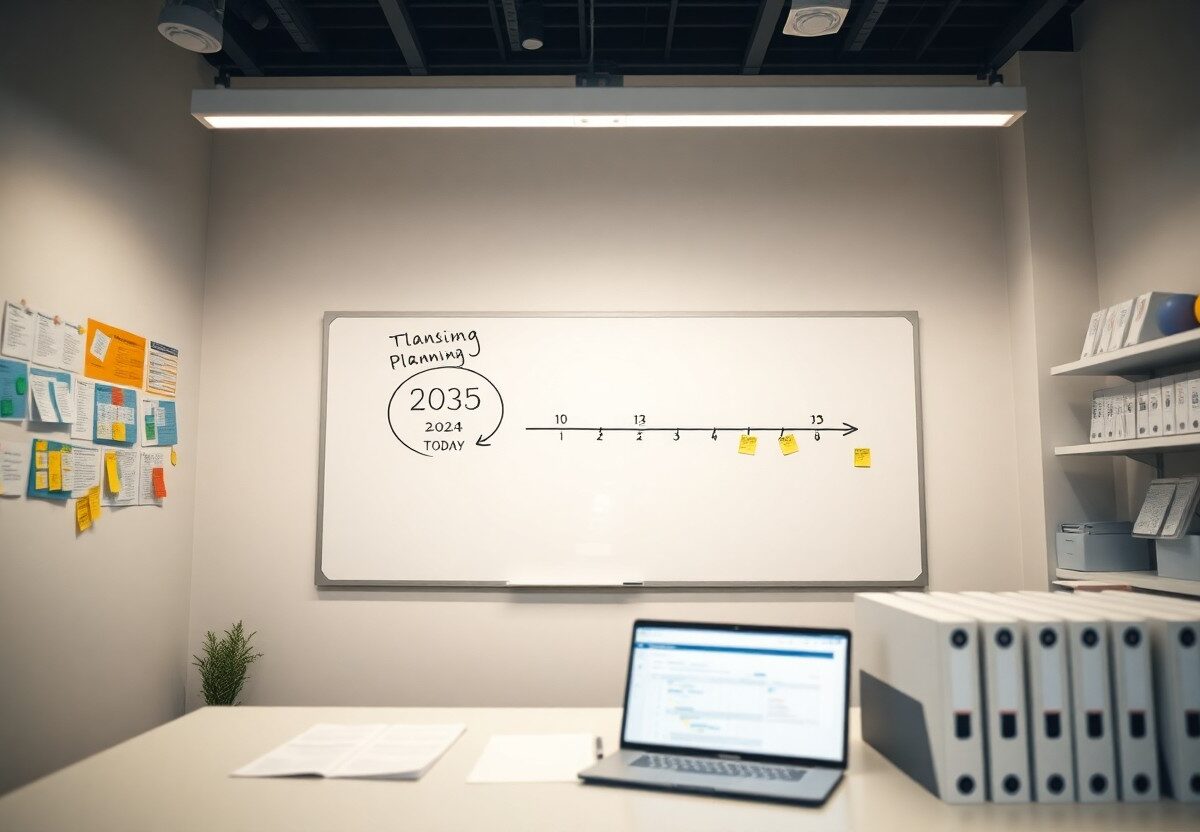
Just stepping into the back casting room changes how you understand production workflows. You’re observing where materials take shape, cooled and solidified with precision. This space supports efficiency, safety, and consistency in manufacturing. You’ll learn its function, components, and best practices directly tied to output quality and operational control.
Key Takeaways:
- The back casting room is a strategic planning method focused on starting from a desired future outcome and working backward to determine the steps needed to achieve it.
- Unlike traditional forecasting, which projects current trends into the future, back casting begins with a vision of success and identifies realistic pathways to reach that goal.
- This approach is commonly used in sustainability planning, urban development, and long-term policy design because it encourages innovative thinking and goal-oriented action.
- Effective back casting requires clear definition of the end goal, stakeholder involvement, and identification of key milestones and potential barriers along the timeline.
- It supports proactive decision-making by highlighting actions that must happen now to align with future objectives, making it a practical tool for transformative change.
The Room and the Sink
Your casting space must include a dedicated sink with both hot and cold water. This allows you to mix materials properly and clean tools immediately after use. The room should be well-ventilated and resistant to moisture, as plaster and resin work generate fumes and require frequent washing. Position the sink near your primary work surface for efficiency and safety.
The Tools for Cutting
You need precision when trimming excess material from your cast. A sharp utility knife gives clean, controlled cuts without damaging delicate edges. Flush cutters handle thicker sections smoothly, while fine-tipped scissors allow access to tight spaces. Each tool must be kept clean and sharp to maintain accuracy. Choose the right one based on the material and detail level of your piece.
The Choice of Wrap
You control the precision of your cast through the wrap material selected. Each option-plaster, fiberglass, or synthetic-offers distinct benefits in strength, weight, and water resistance. Your clinical needs and lifestyle determine the best fit, ensuring optimal healing with minimal disruption to daily activity.
The Way of the Water
You move with the current, not against it. The Way of the Water teaches timing, rhythm, and patience in every cast. Your rod becomes an extension of the stream’s flow, syncing motion with nature’s pulse. Success comes not from force, but from listening-feeling how the line settles, how the fly drifts. This is where precision meets presence.
The Safety of the Patient
You are always the top priority in the back casting room. Every tool, material, and technique used follows strict hygiene and safety protocols to prevent infection and ensure comfort. Your skin’s reaction to casting materials is considered beforehand, and hypoallergenic options are readily available. Technicians monitor each step closely, adjusting as needed to support your well-being throughout the process.
The Order of the Space
You control the flow of energy in your back casting room by how you arrange its elements. Position your tools with intention, keeping frequently used items within easy reach but not cluttering the central working area. Your altar anchors the space, ideally placed to face a direction that aligns with your practice. Movement should feel natural, not forced-each step through ritual should follow the room’s quiet logic. The space serves you when it reflects your inner order.
Conclusion
From above, the back casting room serves as the backbone of efficient production planning. You now understand its role in aligning future goals with present actions, enabling precise scheduling and resource use. By applying these insights, you streamline workflows, reduce waste, and maintain control over project timelines with confidence.
FAQ
Q: What is a back casting room?
A: A back casting room is a dedicated space used in manufacturing and metalworking industries where molten metal is poured into molds to form solid shapes after initial casting. This area supports post-casting activities such as cooling, mold removal, inspection, and minor finishing. It’s typically located behind the primary casting station, allowing for a logical workflow from pouring to solidification. The room is designed with ventilation, heat resistance, and safety protocols to handle high temperatures and potential hazards associated with cooling metal.
Q: What equipment is commonly found in a back casting room?
A: Common equipment includes cooling racks or beds for cast parts, demolding tools, lifting devices like hoists or cranes, inspection tables, and basic grinding or cutting tools for flash removal. Ventilation systems and protective barriers are installed to manage fumes and splatter. Some facilities also use automated conveyors to move castings from the pouring area into the back room. Temperature monitoring devices and fire-resistant flooring are standard for safety and process control.
Q: Why is temperature control important in the back casting room?
A: Temperature control prevents thermal shock and uneven cooling, which can lead to cracks, warping, or internal stresses in cast metal parts. Controlled cooling rates ensure metallurgical consistency and dimensional accuracy. The back casting room often uses ambient airflow, timed cooling cycles, or regulated cooling chambers to manage this process. Monitoring temperature also protects workers from burns and reduces risks associated with handling overheated materials.
Q: What safety measures are required in a back casting room?
A: Workers must wear heat-resistant gloves, face shields, aprons, and steel-toed boots. The room should have emergency shutoffs, fire suppression systems, and clear evacuation routes. Proper signage warns of high heat and moving equipment. Training in handling molten metal byproducts and emergency response is mandatory. Good housekeeping practices prevent slip hazards from debris or residual metal flakes. Regular equipment inspections help avoid mechanical failures during operations.
Q: How does the back casting room integrate with the overall production line?
A: The back casting room acts as a transition zone between casting and final processing. Once molds are poured, they move into this area for cooling and initial cleanup before being sent to machining, surface treatment, or quality testing. Efficient layout design minimizes handling time and reduces bottlenecks. Data from inspections in the back room can feed back into the casting process to correct defects early. This integration improves throughput and ensures consistent product quality across batches.
Related Articles
- Songs to Listen to When You Are Alone: 40 Picks for Every Mood (2026)
- Sweatshirt vs Hoodie: What’s the Real Difference? (2026)
- How to Clean a Fabric Couch with Baking Soda (5 Easy Steps)
- Rhythm in Art: Definition, Types & Examples Explained
Explore more Lifestyle articles on the DigitalGeekSpot homepage.