Women’s Fashion Trends: The Biggest Styles to Watch This Year
Fashion trends are most useful when they give you new ways to work with clothes you already enjoy not when they pressure you to replace your entire closet. The most wearable women’s fashion trends are usually the ones that change proportion, texture, color, or styling rather than demanding a completely different identity.
This year’s fashion conversation can be approached through a few practical themes: relaxed silhouettes, thoughtful layering, polished basics, expressive accessories, and a renewed interest in pieces that feel distinctive without being difficult to wear. That mix gives you room to experiment while keeping your wardrobe functional.
The key is to separate a trend from a temporary impulse. A good trend should answer at least one of three questions: Does it work with clothes I already own? Does it suit the way I actually live? Can I style it in more than one way? If the answer is yes, it has a better chance of becoming a useful part of your wardrobe.
What are the biggest women’s fashion trends right now?
The strongest women’s fashion trends are less about one universal item and more about styling directions. Relaxed tailoring, oversized layers, refined basics, texture, practical shoes, and accessories that add personality are all useful examples because they can be adapted to different ages, body proportions, lifestyles, and budgets.
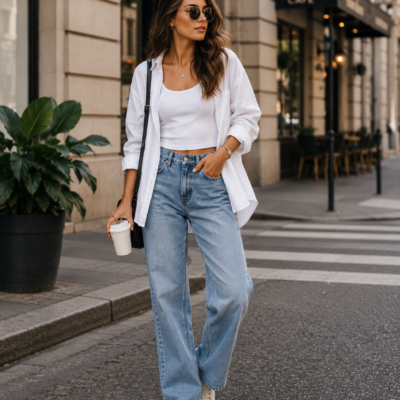
Rather than treating a runway look as a shopping list, translate the idea into a wearable version. A dramatic oversized blazer can become a relaxed jacket over straight-leg jeans. A bold color can appear in a handbag rather than an entire outfit. A statement skirt can be paired with a simple knit to keep the silhouette balanced.
1. Relaxed tailoring is becoming more wearable
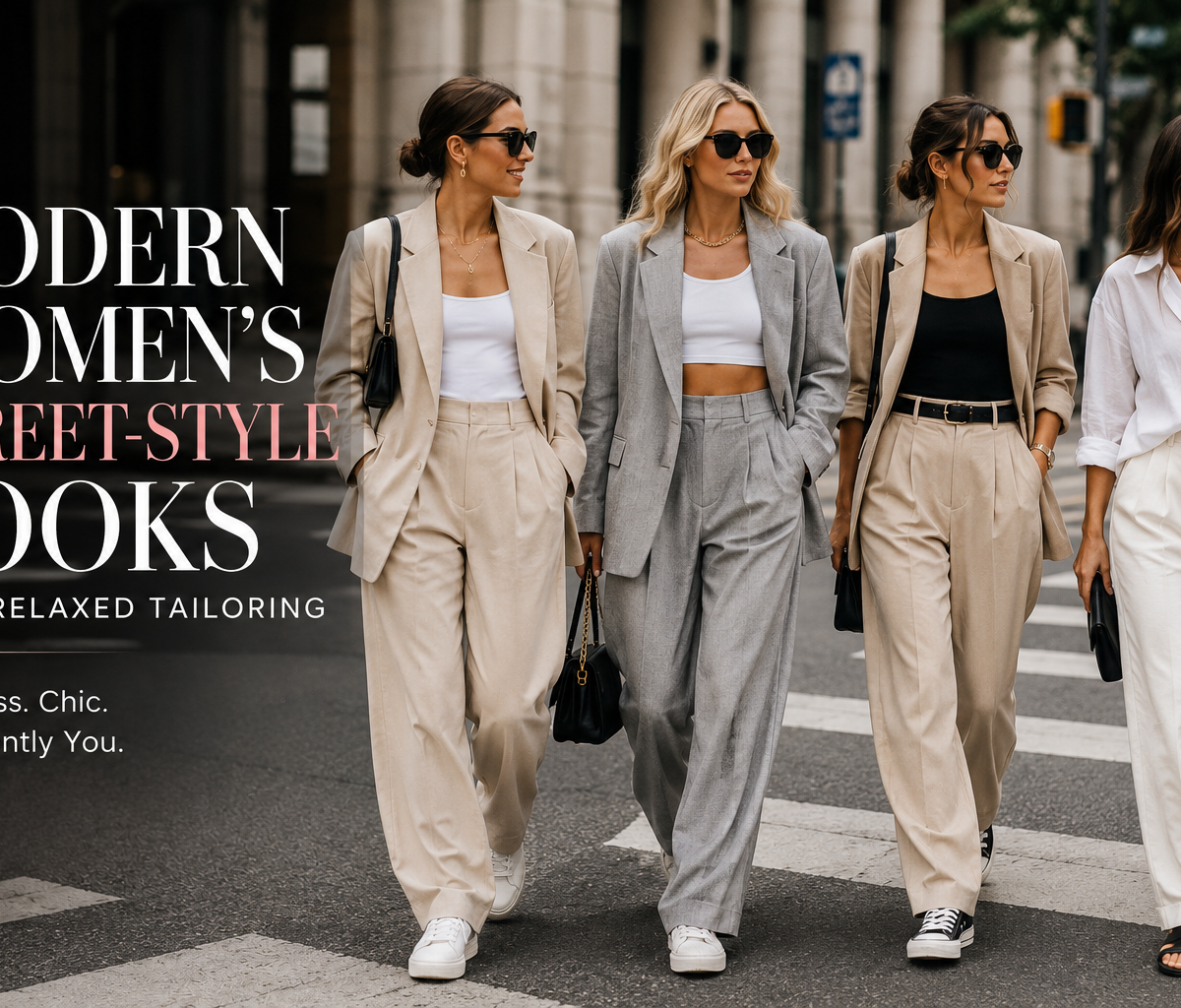
Tailoring no longer has to mean a rigid suit. Relaxed blazers, wider trousers, softer shoulders, and fluid layers can create a polished outfit without the stiffness associated with traditional office dressing.
The important detail is proportion. If a blazer is generous through the shoulders and body, consider a cleaner base underneath. A fitted tee, fine knit, or streamlined tank can give the outfit a visual anchor.
This is also why tailoring works outside the office. Pair a blazer with denim and sneakers for a modern everyday outfit, or use tailored trousers with a simple top for a look that feels elevated without being formal.
2. Oversized clothing works when proportion is intentional
Loose clothing remains appealing because it offers comfort and a relaxed visual language. But oversized fashion looks considered only when the volume has a reason.
A useful rule is to create contrast somewhere in the outfit. Pair a roomy shirt with a narrower bottom, or balance wide-leg trousers with a closer-fitting top. You do not have to make every piece fitted; you simply need enough structure for the eye to understand the silhouette.
If you are experimenting with this direction, our guide to oversized fashion trends explains how to work with volume without losing balance.
3. Elevated basics are doing more work
A wardrobe does not need to be dramatic to look current. Better versions of familiar pieces well-cut jeans, clean shirts, simple knitwear, versatile trousers, and polished outerwear can make everyday dressing feel more intentional.
Look for details that improve versatility: a neckline that works with multiple layers, a neutral color that coordinates with existing clothes, fabric with enough structure to hold its shape, and a fit that allows comfortable movement.
This is where trend-conscious dressing and practical wardrobe planning meet. Instead of buying five pieces because they are popular, you can improve the quality of the combinations you already wear.
4. Texture adds interest without complicated styling
Texture is one of the easiest ways to make a simple outfit look considered. Knitwear, denim, linen, suede-like finishes, crisp cotton, ribbed fabrics, and softly structured materials can create contrast even when the color palette is restrained.
Try combining different surface qualities rather than stacking multiple loud prints. For example, a smooth blouse with textured trousers can feel more interesting than two competing patterns.
Texture is especially useful in neutral outfits because it prevents the look from becoming visually flat.
5. Accessories are becoming a styling tool, not an afterthought
A simple outfit can look completely different with the right bag, belt, jewelry, sunglasses, scarf, or shoes. Accessories are particularly valuable if you prefer to keep clothing relatively classic.
You can use accessories to introduce a trend at a lower commitment level. A bold bag can update a familiar jeans-and-shirt combination. A belt can change the proportion of a loose jacket. Earrings can bring attention to the face without changing the rest of the outfit.
For a deeper guide, see our article on accessories that complete a look.
How to wear trends without replacing your whole wardrobe
The smartest approach is to build around a stable base. Keep the pieces you know you wear, then introduce one trend at a time.
Try this three-step method:
- Identify the trend: Choose a silhouette, color, texture, or accessory you genuinely like.
- Translate it: Find a version that fits your lifestyle rather than copying the most extreme interpretation.
- Test it: Wear the new element with at least three existing outfits before buying more.
This method reduces impulse purchases and gives you evidence about whether the trend actually belongs in your wardrobe.
How trends should fit different personal styles
A trend does not have to become your aesthetic. Someone with a minimalist wardrobe may use a current trend through a single accessory. Someone who enjoys streetwear may embrace oversized proportions more fully. Someone who prefers classic clothing might borrow a modern silhouette while keeping traditional colors.
The question is not “Can I wear this trend?” It is “What version of this trend makes sense for me?”
That distinction matters because style is cumulative. The best wardrobe is usually a reflection of repeated choices rather than a collection of every popular item.
A simple trend-shopping checklist
Before buying a trending piece, ask:
- Can I create at least three outfits with it?
- Does the fit feel comfortable?
- Does it work with my existing colors?
- Will I still want it if the trend becomes less visible?
- Is the material appropriate for how often I expect to wear it?
- Does it solve a real wardrobe need?
- Is the price reasonable for its expected use?
If several answers are no, pause before purchasing.
How seasonal trends can be adapted
Seasonality changes the way trends appear. Lightweight fabrics, open footwear, and brighter color combinations may work in warm weather, while knitwear, layering, outerwear, and richer textures become more practical in colder months.
The underlying styling idea can remain the same. For example, relaxed proportions can appear through linen trousers in summer and wide-leg wool trousers in winter.
For warm-weather inspiration, explore summer outfit inspiration and focus on the styling principles that can transfer into other seasons.
Common mistakes when following trends
The biggest mistake is treating popularity as proof that something will work for you. Other problems include buying an item before considering your existing wardrobe, copying proportions without adapting them to your frame, and combining too many statement elements at once.
Another common mistake is confusing novelty with style. A look can be fashionable and still be wrong for your lifestyle.
A practical way to test a trend in your existing wardrobe
You can test a trend without buying anything by searching your closet for pieces that already share the same design idea. If you are interested in relaxed tailoring, for example, look for an older blazer that can be worn with a different proportion. If texture is appealing, combine a knit with denim or a crisp shirt. If accessories are the trend you notice most, change the bag or jewelry before changing the clothes.
Try building three versions of the same trend:
- Low commitment: one accessory or small styling change.
- Medium commitment: one new garment that works with existing basics.
- High commitment: a stronger silhouette or statement item.
Wear each version in a real situation. The point is to discover whether you enjoy the trend in practice, not whether you can make a photograph look fashionable.
How to tell a useful trend from a passing impulse
A useful trend usually improves something. It may make an outfit more comfortable, add a new silhouette, refresh old basics, or give you a new way to combine clothes. A passing impulse often creates the opposite result: you buy a piece first and then have to build the rest of the outfit around it.
Cost-per-wear thinking can help. You do not need a precise calculation, but consider how many times you can realistically imagine wearing the item. A moderately priced garment used repeatedly can be more useful than a cheaper item that stays in the closet.
The role of fashion confidence
Confidence does not require wearing the newest trend. It often comes from knowing why an outfit works. When you understand proportion, color, and context, you can make small changes with much more control.
That is why trend awareness is most valuable when paired with a strong wardrobe foundation. Trends supply ideas; your existing style decides which ideas survive.
A simple three-level trend strategy
You can think of trends in three levels: foundation, refresh, and statement.
The foundation is a familiar garment with a current proportion, such as straight denim, a relaxed blazer, or a clean knit. The refresh is a styling change: a new tuck, layering approach, shoe, or accessory. The statement is the most noticeable version of a trend.
Most wardrobes benefit from spending more attention on the first two levels. They provide the feeling of modernity without making the closet dependent on short-lived pieces.
When to skip a trend
Skip a trend when it creates more work than value. If an item needs special care, only matches one outfit, feels uncomfortable, or makes you feel unlike yourself, its popularity is not a strong reason to buy it.
Fashion is supposed to support self-expression. A trend that does not fit your lifestyle is simply information you can leave on the runway.
Use trend inspiration to improve existing outfits
Open your wardrobe and choose an outfit you already wear. Then ask what one current styling idea could improve it. Maybe the hem can be changed, the outer layer can become more relaxed, or a simple bag can provide contrast.
This turns trend research into styling practice. Instead of asking what to buy, you are asking what you can do differently with what you already have.
FAQ
Are women’s fashion trends worth following?
Yes, when used as inspiration rather than strict rules. Trends can introduce useful silhouettes, colors, and styling ideas, but your comfort and lifestyle should remain the deciding factors.
How can I look trendy without spending a lot?
Update one visible element at a time. Accessories, proportions, layering, and styling can often modernize existing clothing without requiring a new wardrobe.
What makes a fashion trend wearable?
Wearability usually comes from versatility, comfortable fit, coordination with existing clothing, and suitability for the situations in which you actually dress.
Should I follow every seasonal trend?
No. Select trends that support your existing style and can be worn repeatedly.
How do I make trendy clothes look more timeless?
Pair them with classic pieces, keep the overall palette controlled, and avoid building the entire outfit around short-lived details.
Can oversized clothing work with a classic wardrobe?
Absolutely. A single relaxed blazer, shirt, or knit can introduce a contemporary shape while the rest of the outfit stays classic.
Conclusion
The best women’s fashion trends are not necessarily the loudest ones. They are the ideas you can translate into real outfits: better proportions, relaxed tailoring, useful basics, interesting textures, and accessories with personality.
Treat trends as a design vocabulary rather than a shopping command. Keep the clothes that serve you, add selectively, and judge new pieces by how many useful outfits they create. If you want a practical next step, start by identifying three wardrobe gaps and one trend you genuinely like. That small exercise is often more useful than a complete closet overhaul.