When you start promoting a small business, blog, or side project, one question shows up almost immediately. In the email marketing vs social media debate, where should a beginner spend their limited time and energy? Both channels promise to put you in front of customers, but they work in fundamentally different ways, and the choice you make at the beginning shapes everything that comes after.
Social media feels like the obvious starting point. It costs nothing to open an account, the people you want to reach are already scrolling every day, and a single post can, in theory, travel to thousands of strangers overnight. Email marketing looks slower by comparison. Nobody stumbles across your newsletter while scrolling, and building a list of subscribers from zero takes patience.
But first impressions can be misleading. The channel that looks quiet is often the one that quietly does the heavy lifting for small businesses: driving repeat sales, surviving platform changes, and turning casual followers into actual customers. This guide compares email marketing and social media in plain, practical terms, covering audience ownership, cost, reach, and conversion, and then gives you a clear answer about where a beginner should start.
The Difference That Matters Most: Who Owns the Audience
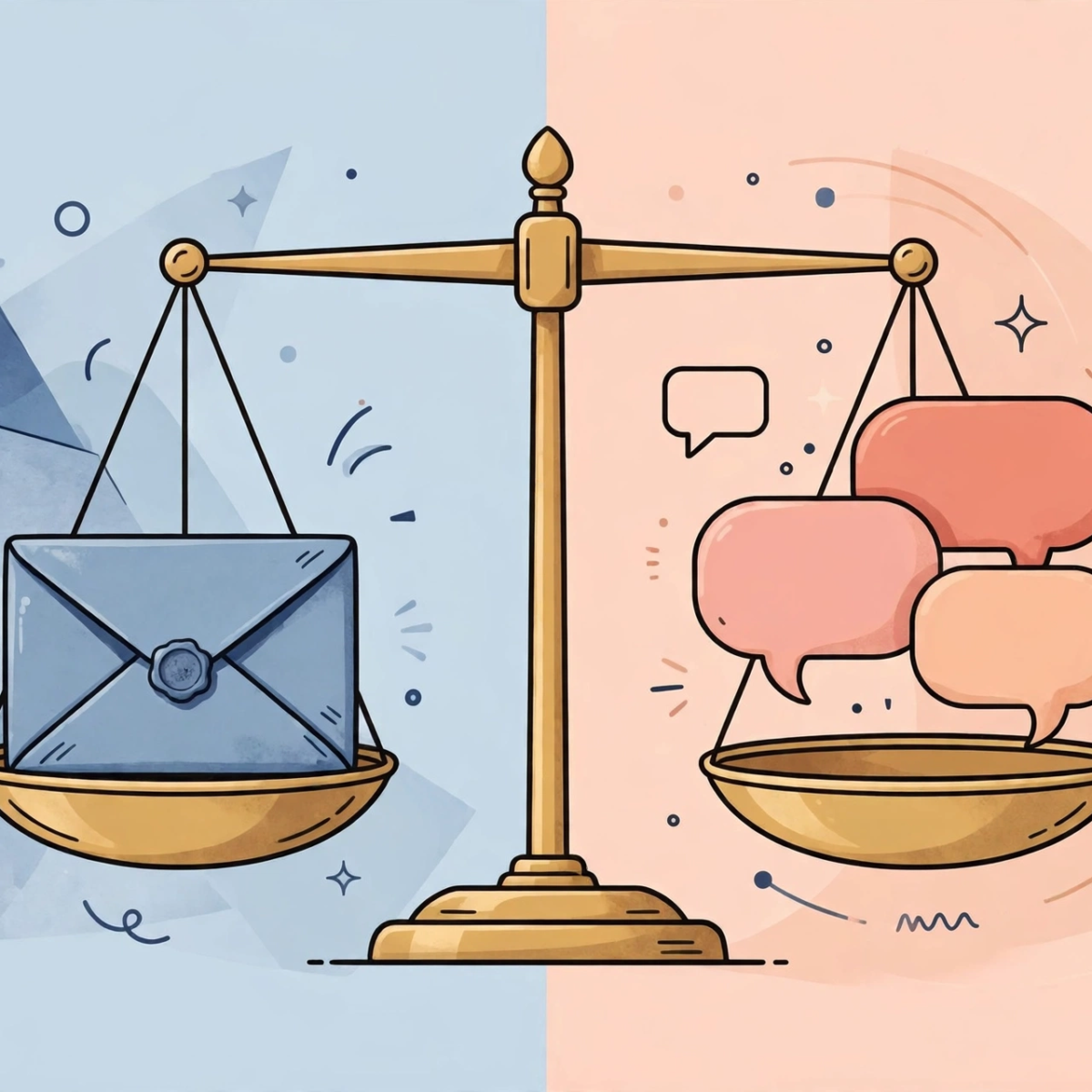
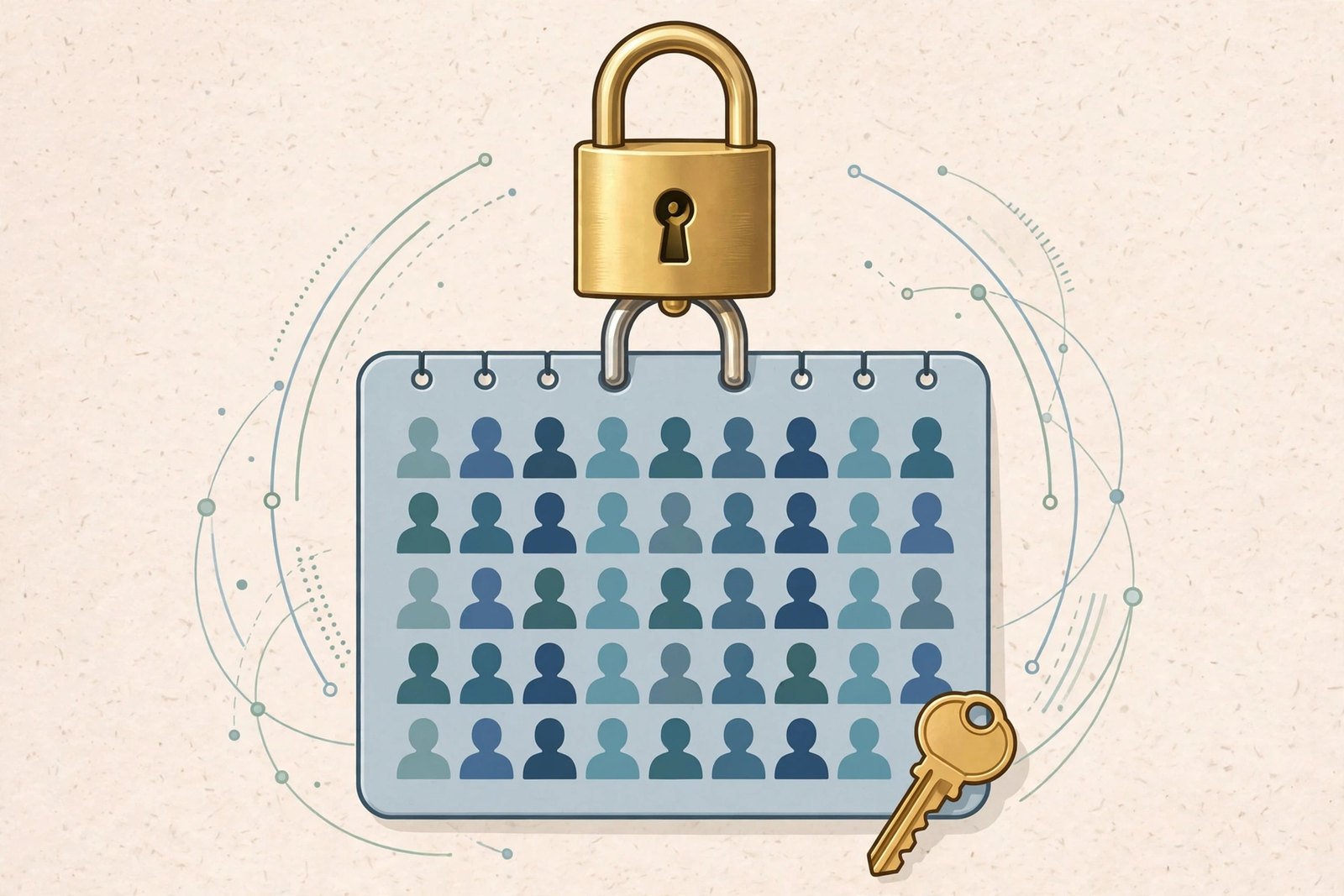
Strip away the tactics, and the email marketing vs social media question comes down to one idea: ownership. An email list is an owned audience. A social media following is a rented one. That single distinction explains almost every other difference between the two channels.
When someone joins your email list, you get their contact information directly. You decide when to write to them, what to say, and how often. No middleman stands between your message and their inbox, and no algorithm decides whether your update deserves to be seen today. If you switch email providers tomorrow, your list comes with you, and your ability to reach those people does not change.
Social media works the opposite way. Your followers belong to the platform, not to you. The platform controls who sees your posts, in what order, and how often. A change to the algorithm, a new content format the platform wants to push, or a policy decision you never saw coming can cut your reach overnight, and there is very little you can do about it.
This does not mean social media is bad. It means social media is borrowed land. Smart businesses treat it as a discovery channel, a great place to be found, while treating email as the place where real customer relationships live. Keep this ownership idea in mind, because it shapes every decision that follows.
Email Marketing: Pros and Cons for Beginners
Email marketing has been declared dead more times than almost any other channel, yet it keeps working. Here is an honest look at what it offers a beginner, and where it falls short.
The advantages:
- Direct delivery. Your messages land in a personal space, the inbox, instead of competing inside an endless scrolling feed.
- No algorithm gatekeeping. Every subscriber receives your email. You never have to pay to reach people who already asked to hear from you.
- Higher intent. Someone who typed in their email address has taken a real step toward you. That intent usually translates into stronger engagement and more sales per message than a casual social post earns.
- Cheap to start. Most email platforms offer free plans for small lists, so a beginner can start with zero budget and upgrade only when the list grows.
- Automation friendly. Welcome sequences, follow-up series, and simple reminders can run on autopilot once you set them up. Connecting your signup forms to your email tool can even be automated; this guide to automating tasks with Zapier shows how tools can pass new subscribers into your list without manual work.
- Easy to measure. Opens, clicks, and sales from each email are straightforward to track, so you always know what is working.
The disadvantages:
- Slow to build. Growing a list from zero takes consistent effort, plus a genuine reason for people to sign up, such as a useful freebie or a newsletter worth reading.
- Deliverability basics matter. You need to follow the rules: get permission, include an easy unsubscribe link, and send from a real identity, or your emails will end up in spam folders. If you are exploring newsletter tools, this overview of newsletter platforms explains what to look for before you commit.
- Writing takes practice. Email copy is a skill, and staring at a blank draft is normal at first. Free AI writing assistants can help you brainstorm subject lines and outlines; see this roundup of the best free AI tools for options that cost nothing to try.
- Inbox competition. Your email competes with dozens of others every morning, so your subject lines and timing have to earn the open.
Social Media: Pros and Cons for Beginners
Social media is where attention already lives, which makes it powerful and demanding at the same time.
The advantages:
- Free discovery. Hashtags, shares, short videos, and recommendation feeds can put you in front of strangers who never heard of you, something email simply cannot do.
- Visual storytelling. Social is ideal for anything visual: products, food, fashion, travel, before-and-after results, and behind-the-scenes moments.
- Two-way conversation. Comments and direct messages let you hear customers directly, answer questions in public, and build a genuine community around your brand.
- Built-in social proof. Follower counts, comments, and shares signal credibility to new visitors checking you out for the first time.
- Fast feedback. Post an idea in the morning and know by the evening whether people care, which makes social excellent for testing messages before you email them to your whole list.
The disadvantages:
- Declining organic reach. On most major platforms, only a fraction of your followers will see a typical post unless you pay to boost it. Building a large following no longer guarantees a large audience for each post.
- Rented audience. As covered above, algorithm changes can shrink your reach overnight, and you have no control over the rules.
- Time hungry. Social rewards constant posting. Disappear for a few weeks and the algorithm, and your audience, moves on without you.
- Shallow attention. People scroll fast. Getting someone to stop, read, and click through takes real craft, and most will not.
- Platform risk. Rules, formats, and audience behavior change constantly. A strategy built entirely on one platform is a strategy with a single point of failure.
Cost Comparison: What Each Channel Really Costs
Both email marketing and social media can be started for free, but the costs scale very differently.
With email, the free tiers of most platforms cover you until your list reaches a meaningful size, often hundreds or low thousands of subscribers. After that, paid plans grow with your list, but the cost per message stays tiny, and your cost per subscriber reached stays predictable. The real investment in email is time: writing good emails and steadily growing the list.
With social media, posting itself is free, but meaningful reach increasingly requires ad spend. Beyond ads, there is the cost of content production: designing graphics, editing short videos, and writing captions, all of which take hours every week. The biggest hidden cost of social media is not money at all. It is the sheer amount of time required to stay visible, time that could otherwise go into your product or your customers.
For a beginner on a tight budget, email is the cheaper channel to scale. Social is the cheaper channel to start, but staying competitive on it gets expensive in either money or hours.
Reach and Engagement: The Honest Picture
Reach works differently on each channel, and understanding the difference prevents a lot of disappointment.
Email reach is direct and reliable. When you send to your list, every subscriber gets the message in their inbox. Open rates vary by industry and list quality, but a healthy list will consistently see a far larger share of subscribers actually encountering your message than a social post sees from followers, simply because no engagement algorithm stands in the way.
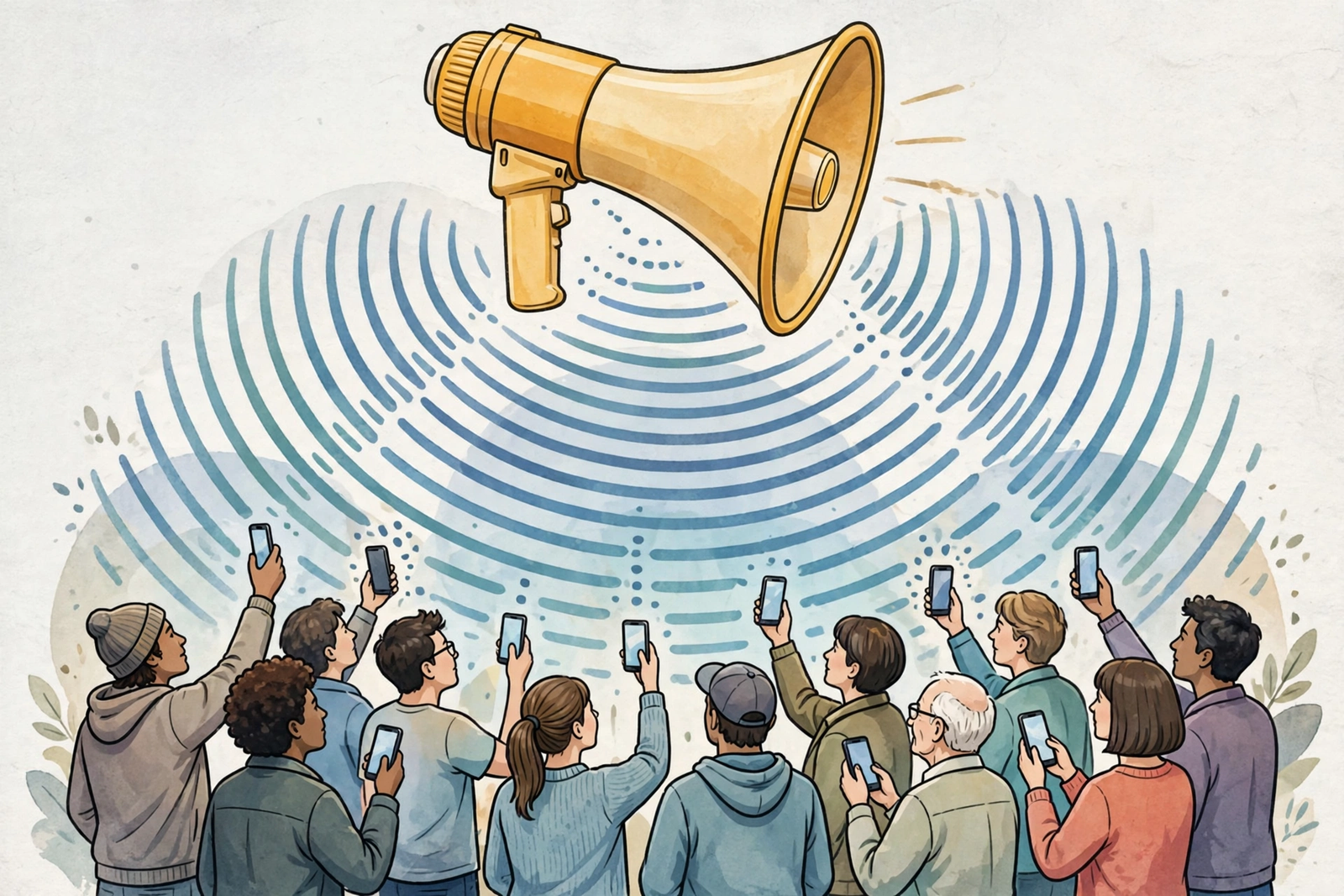
Social reach is broad but unreliable. A single post can travel far beyond your followers through shares and recommendations, which is something email can never do. But the share of your own followers who see any given post is typically small, and it shrinks further every year on most platforms. Social gives you the chance of virality; email gives you the certainty of delivery.
Engagement quality also differs. Social engagement, likes and quick comments, is easy to get but often shallow. Email engagement, replies, clicks, and purchases, takes more effort to earn but signals much deeper interest. Neither is useless; they simply measure different things.
Where Should Beginners Start? The Practical Answer
Here is the straightforward recommendation: build your email list from day one, and use social media as the engine that feeds it. Do not choose one channel and ignore the other. Instead, give each channel the job it does best.
Email is your foundation because it is the asset you own. Every subscriber is a direct line to a potential customer that no algorithm can take away. Even a small list of a few hundred engaged subscribers can drive real sales, repeat business, and launch-day momentum that social posts alone rarely deliver.
Social media is your discovery engine because it is where new people find you. Pick one platform where your target customers actually spend time, post consistently, and make joining your email list the natural next step. Put your signup link in your bio, mention your freebie in your posts, and treat every follower as a future subscriber, not the finish line.
There is one common exception. If you sell highly visual, impulse-driven products, such as fashion, food, or decor, social media may deserve more of your early energy, because discovery drives your sales directly. Even then, capture emails at every opportunity: at checkout, through giveaways, and with post-purchase follow-ups. The businesses that survive platform shifts are the ones with a list.
Avoid the two classic beginner mistakes. The first is building only on social and waking up one day to an algorithm change that halves your reach. The second is building only an email list in silence, with no discovery channel bringing new subscribers in. The winning combination is simple: social finds them, email keeps them.
Your First 30 Days: A Simple Starter Plan
You do not need a big budget or a marketing team to get going. Here is a realistic plan for your first month.
Week 1: Set up your email foundation. Choose an email platform with a free plan, create your account, and set up a basic signup form. Write a short welcome email that introduces who you are and what subscribers will get. Keep it friendly and brief; perfection is not the goal, sending is.
Week 2: Create a reason to sign up. Offer something small but genuinely useful in exchange for an email address: a checklist, a discount code, a short guide, or a free template. Add your signup link to your social profiles, and start posting on your chosen social platform three to four times per week.
Week 3: Connect the two channels. Publish social content that naturally points to your freebie, such as a tip post that ends with an invitation to get the full checklist. Send your first real broadcast email to your small but growing list, even if it only has twenty people on it.
Week 4: Review and automate. Look at which social posts drove the most signups and do more of that. Turn your welcome email into a short automated welcome sequence so every new subscriber gets introduced properly. Then plan next month’s content around what worked. Find more marketing guides on the DigitalGeekSpot homepage to keep building your skills.
How to Use Both Channels Without Burning Out
Running two channels sounds like double the work, but it does not have to be. The trick is to create once and repurpose everywhere.
Start with your weekly email, since it is the asset you own. Then break that email into three or four social posts: one main point becomes a short tip post, another becomes a quick video script, and the whole email becomes a carousel or thread. One solid email can easily fuel a week of social content.
Batch your work to protect your time. Write all of next week’s emails in one sitting, and draft the social posts that go with them at the same time. Use free scheduling tools to queue posts in advance so you are not creating content every single day. Consistency beats intensity: one email per week and three social posts per week, sustained for six months, will outperform a frantic month followed by silence.
Frequently Asked Questions
Is email marketing dead now that everyone is on social media?
No. Email marketing continues to be one of the most reliable channels for small businesses because you own the audience and every message reaches the inbox directly. Social platforms change their rules constantly; your email list does not. The two channels work best together, not as replacements for each other.
Can I do social media marketing completely for free?
You can start for free, and many businesses do. Posting, engaging, and growing organically costs nothing but time. Just be realistic: organic reach is limited on most platforms, so free social media marketing demands consistent effort, and at some point you may want a small ad budget to reach beyond your existing followers.
How many email subscribers do I need before email marketing matters?
Fewer than you think. Even a list of one hundred engaged subscribers can drive real results: sales, bookings, feedback, and word of mouth. Quality matters far more than quantity. Ten subscribers who open every email are worth more than a thousand who never do, so focus on attracting the right people rather than chasing big numbers.
Which is better for selling products: email or social media?
They serve different stages of the sale. Social media is better for discovery: helping new people find your products through visual content and shares. Email is better for closing sales and driving repeat purchases: reminding interested people, announcing launches, and recovering abandoned carts. Most successful small businesses use social to attract and email to convert.
Do I need a website to start email marketing?
Not strictly. Most email platforms provide hosted signup forms and simple landing pages, so you can start collecting subscribers without a website. That said, a basic website adds credibility, gives you a home for your signup forms, and helps with search traffic over time, so it is worth adding when you are ready.