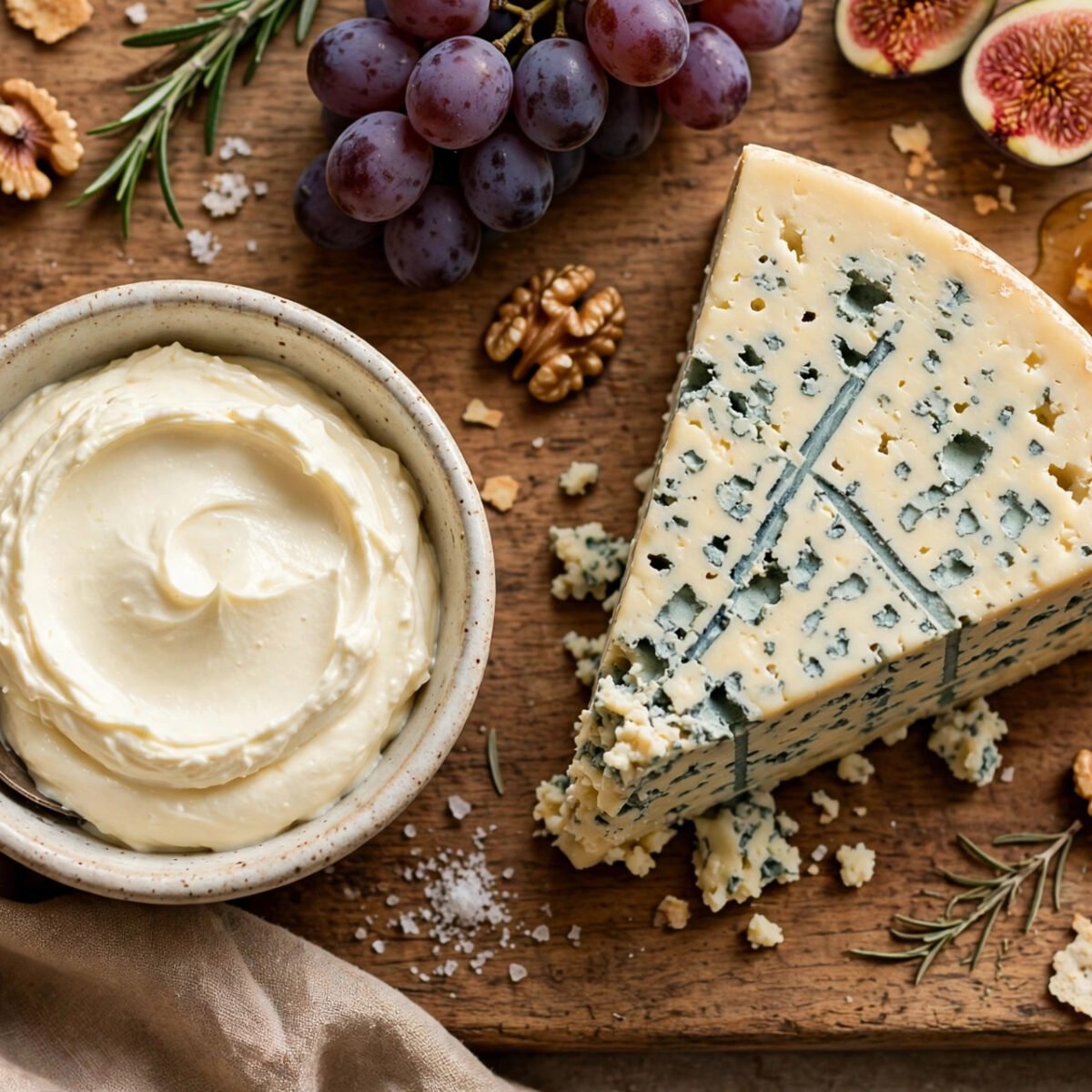
If you typed the word masgonzola into a search box, you may have paused at the results. There is no cheese, dish, or brand officially called masgonzola. The term reads like a blend of two famous Italian cheeses, mascarpone and gorgonzola, and that is almost certainly what most searchers are looking for, even if they are not quite sure which one they mean.
Misspellings and blended words like this are a normal part of how people search. In this guide, we unpack both cheeses behind the keyword: what mascarpone is, what gorgonzola is, how they differ, how to use them in the kitchen, and how to store them properly. We also look at the technology side of the story, including how food bloggers and search engines handle typo traffic, because a keyword like masgonzola sits exactly where food content and search technology meet.
Key Takeaways: “Masgonzola” is not an official cheese name; it appears to be a typo or mashup of mascarpone and gorgonzola. Mascarpone is a soft, mild, creamy Italian cheese best known as the base of tiramisu. Gorgonzola is an aged Italian blue cheese with a sharper, saltier flavor, often used in pasta sauces, salads, and cheese boards. Both cheeses should be refrigerated and used within a few days of opening. Food bloggers can capture typo traffic honestly with “did you mean” style pages instead of inventing products that do not exist.
What Does “Masgonzola” Mean?
In short, masgonzola does not refer to a real product. It is most plausibly a typo or accidental blend of mascarpone and gorgonzola, two Italian cheeses whose names share sounds and syllables with it.
This kind of blending happens when someone half-remembers a word they heard in a recipe video or saw on a menu. The brain keeps the rhythm of the word (mas-…-ola) and fills in the middle with whatever sounds close. Search engines see thousands of queries like this every day, and they are generally good at guessing the intended term, but the underlying question still deserves a clear answer.
The honest approach matters here. It would be easy to invent a definition for masgonzola, but that would only add confusion to the web. The useful move is to address the likely intent directly: explain both cheeses and help the searcher figure out which one they actually want.
What Is Mascarpone Cheese?
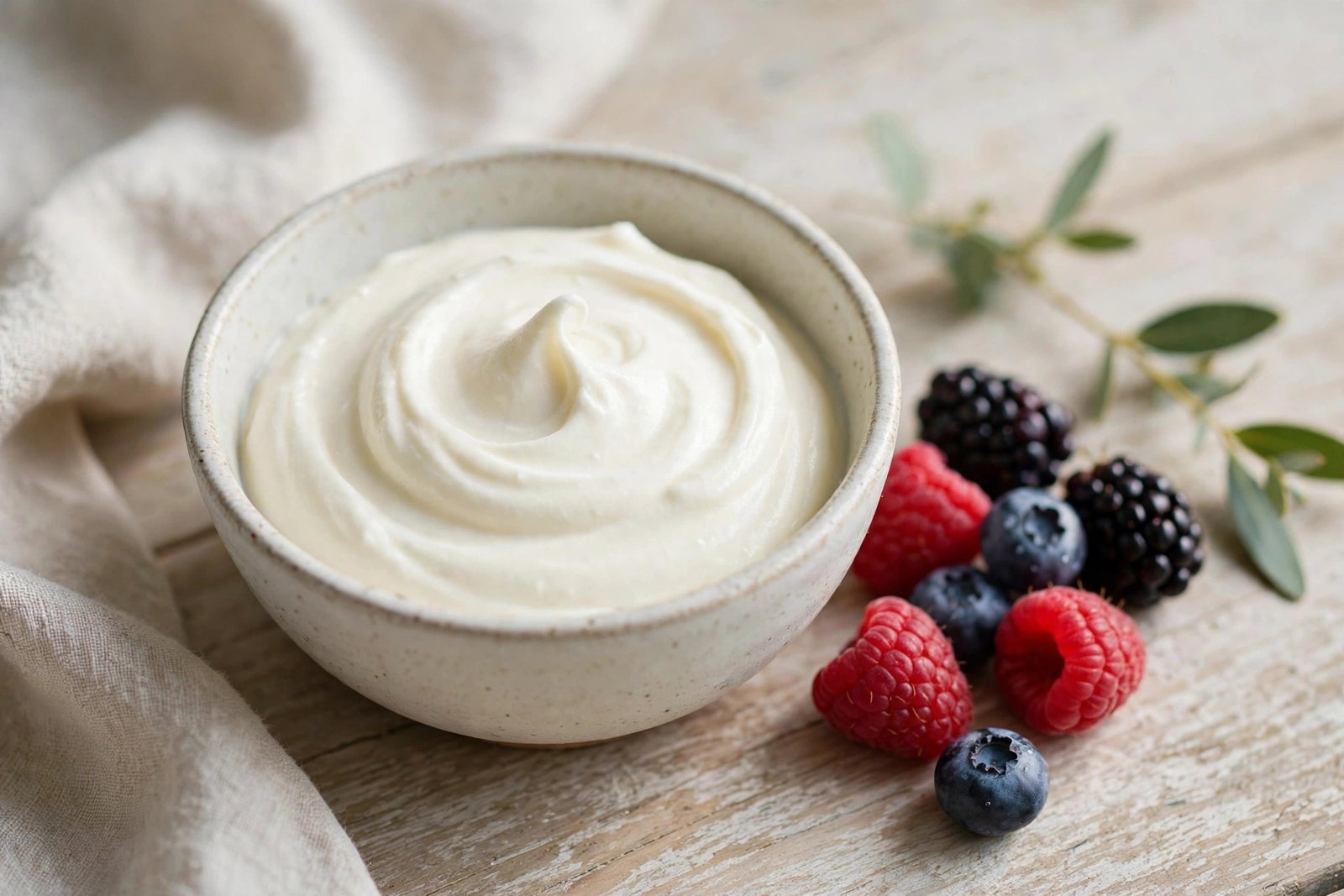
Mascarpone is a soft Italian cream cheese made from cream, known for its smooth, buttery texture and mild, slightly sweet flavor. If you have ever eaten tiramisu, you have tasted mascarpone, because it is the rich base of that dessert’s filling.
Traditionally linked to the Lombardy region of northern Italy, mascarpone is made by curdling cream with an acid such as lemon juice, then draining the whey. The result is thick and spoonable, with a high butterfat content that gives it a luxurious mouthfeel.
In the kitchen, mascarpone is remarkably versatile. Beyond tiramisu, it is stirred into risottos and pasta sauces for extra creaminess, layered into no-bake desserts, and used as a base for dips. Because its flavor is so mild, it pairs well with both sweet ingredients (honey, berries, chocolate) and savory ones (herbs, garlic, roasted vegetables).
What Is Gorgonzola Cheese?
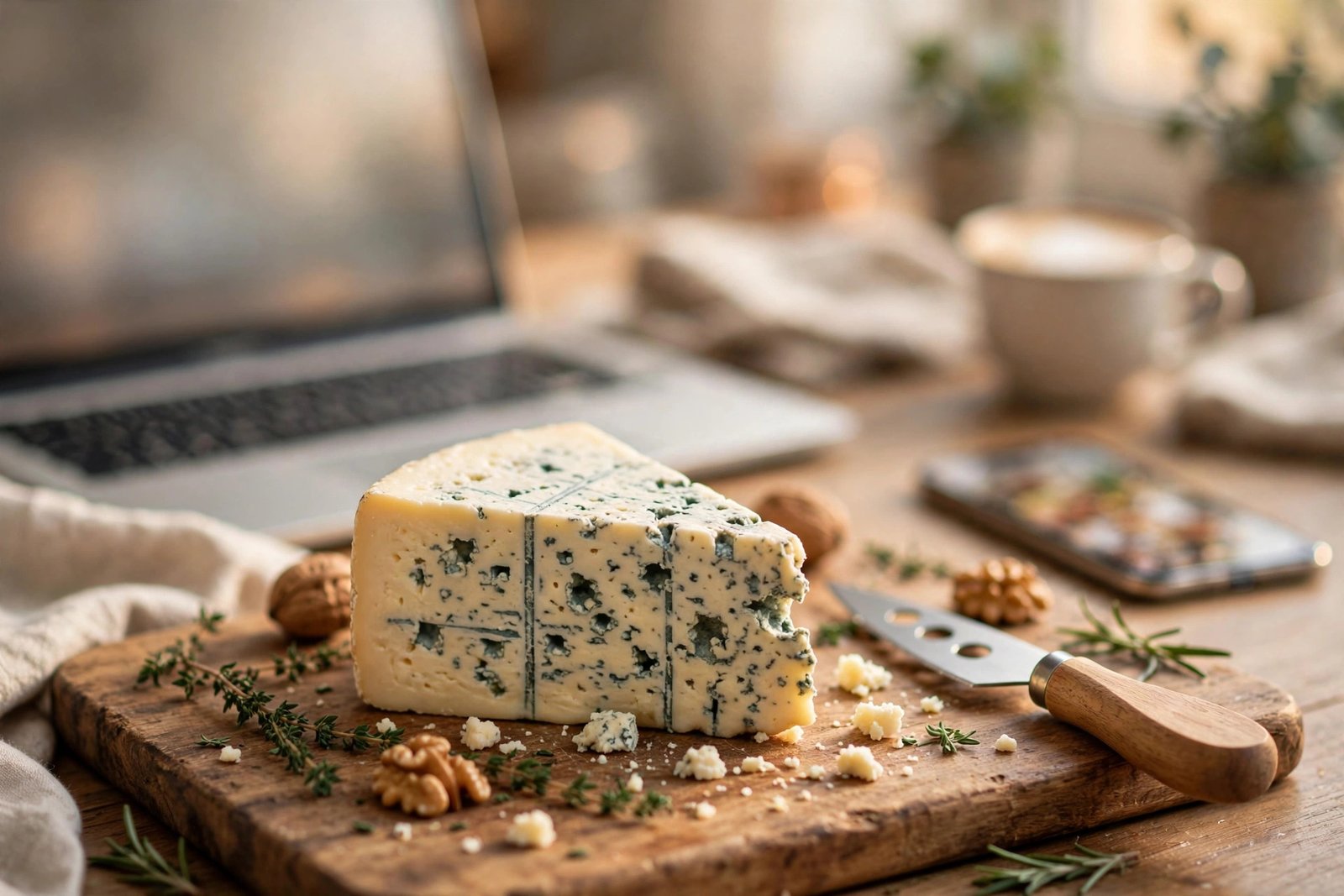
Gorgonzola is an Italian blue cheese aged with mold cultures, which create its signature blue-green veining and give it a tangy, salty bite. It is one of the better-known blue cheeses in the world and a staple of Italian cheese boards.
Gorgonzola is commonly sold in two broad styles. The milder, creamier version (often labeled dolce) is soft, spreadable, and relatively gentle, while the firmer, more aged version (often labeled piccante) is crumblier with a stronger, spicier flavor. If you are new to blue cheese, the creamy style is the friendlier starting point; if you already like bold flavors, the aged style delivers more punch.
Cooks use gorgonzola wherever a savory, funky richness is welcome. It melts into excellent pasta sauces, crumbles beautifully over salads with pear and walnuts, adds character to pizza, and enriches polenta or mashed potatoes. Because the flavor is assertive, recipes usually call for modest amounts.
How Do Mascarpone and Gorgonzola Compare?
Although their names sound similar enough to get tangled into “masgonzola,” these two cheeses could hardly be more different. The table below summarizes the key distinctions so you can quickly tell them apart.
| Feature | Mascarpone | Gorgonzola |
|---|---|---|
| Cheese type | Soft fresh cream cheese | Aged blue cheese |
| Texture | Smooth, thick, spoonable | Creamy and soft to firm and crumbly, depending on style |
| Flavor | Mild, buttery, slightly sweet | Tangy, salty, sharp, with earthy notes |
| Color | Ivory white | Pale with blue-green veining |
| Signature dish | Tiramisu | Gorgonzola cream pasta sauce |
| Best for beginners? | Yes, very approachable | Start with the milder creamy style |
| Storage | Refrigerate; use within a few days of opening | Refrigerate wrapped; use within a few days of opening |
One practical takeaway: these cheeses are not interchangeable. Swapping gorgonzola into a tiramisu recipe, or mascarpone into a dish that needs blue cheese bite, would produce a very different result. If a recipe calls for one and you only have the other, it is better to pick a different recipe than to substitute blindly.
What Can You Cook With Mascarpone?
Mascarpone’s mild flavor makes it a team player in both sweet and savory cooking. Here are some reliable ways to use it:
- Tiramisu: the classic use, whipped with eggs and sugar into a cloudlike filling layered with coffee-soaked ladyfingers.
- Creamy pasta sauces: a spoonful stirred into tomato or mushroom sauce at the end adds body without heaviness.
- Risotto: folded in just before serving for extra silkiness.
- No-bake desserts: mixed with whipped cream and fruit for quick trifles, parfaits, and cheesecake-style fillings.
- Savory dips and spreads: blended with herbs, lemon, and garlic as a crostini topping or vegetable dip.
- Breakfast: dolloped onto pancakes, waffles, or oatmeal instead of butter or cream.
What Can You Cook With Gorgonzola?
Gorgonzola brings bold flavor, so a little does a lot of work. Popular uses include:
- Pasta sauces: melted into cream for a rich gorgonzola sauce that coats short pasta shapes beautifully.
- Salads: crumbled over greens with pear, apple, or figs, plus walnuts for crunch.
- Pizza and flatbreads: scattered in small amounts alongside milder cheeses for contrast.
- Polenta and mashed potatoes: stirred in while hot for a savory, tangy upgrade.
- Cheese boards: paired with honey, dried fruit, and crusty bread so guests can balance the sharpness.
- Stuffed vegetables: mixed into fillings for mushrooms or peppers before baking.
How Should You Store Mascarpone and Gorgonzola?
Both cheeses are perishable dairy products, so proper storage protects both flavor and food safety. A few simple rules cover both:
- Keep them refrigerated at all times, ideally in the main body of the fridge rather than the door, where temperatures fluctuate.
- Reseal tightly after opening. Use the original packaging with added wrap, or transfer to an airtight container to prevent drying and odor absorption.
- Use within a few days of opening. Mascarpone in particular is delicate and does not keep long once exposed to air.
- Wrap gorgonzola separately from other foods, since its aroma can transfer to milder items in the fridge.
- Check before using. If mascarpone smells sour beyond its normal mild tang, or gorgonzola develops unusual colors or an ammonia-like smell, discard it.
- Buy in realistic quantities. Because both have short lives after opening, smaller portions waste less than bulk buys for occasional cooks.
Why Does a Keyword Like “Masgonzola” Matter in Search and Technology?
A misspelled keyword matters because it reveals real user intent hiding behind imperfect spelling, and how websites respond to it is fundamentally a technology question. Every day, people search for words they half-remember, and the sites that answer helpfully earn their trust.
Modern search engines handle typos with spelling correction and semantic matching, so a query for masgonzola will usually surface results about mascarpone and gorgonzola anyway. But content creators can do better than relying on the search engine’s guesswork. A dedicated, honest clarification page serves the searcher directly: it acknowledges the confusion and explains both likely targets.
This is also where recipe SEO comes in. Food blogs live and die by search traffic, and recipe queries are full of misspellings, especially for foreign-language ingredient names. Bloggers who understand this build content around the way people actually type, not just the dictionary spelling: natural mentions of common variants, clear headings that answer the underlying question, and structured recipe data that helps search engines display rich results. Here at DigitalGeekSpot, we regularly explore how search behavior shapes content strategy, because the technical side of publishing is half the battle.
How Can Food Bloggers Handle Misspelled Search Terms?
If you run a food blog, typo traffic is an opportunity, but only if you handle it honestly. Some practical guidelines:
- Do not invent products. Never publish a fake definition or fake recipe for a term like masgonzola just to rank. Readers notice, and trust is hard to rebuild.
- Use “did you mean” framing. Acknowledge the likely intended terms up front, as this article does, so the reader immediately feels understood.
- Mention variants naturally. It is fine to note common misspellings in the body text where it reads naturally; stuffing them into titles and headings looks spammy and can backfire.
- Answer the real question fast. Put the clarification near the top (a Key Takeaways box works well) before diving into detail.
- Use recipe structured data. Schema markup for recipes helps search engines understand your content and can earn enhanced listings, which matters in competitive food SERPs.
- Link related content. Internal links to your other ingredient guides and recipes keep typo visitors exploring instead of bouncing. For broader context on how content sites are evaluated, see our TozMagazine review and our guide to SEO by HighSoftware99, and for another walkthrough of a niche topic, the Nemin.io guide shows a similar explainer structure.
Frequently Asked Questions
Is masgonzola a real cheese?
No. There is no officially recognized cheese called masgonzola. The word is almost certainly a typo or blend of mascarpone and gorgonzola, two real Italian cheeses.
Can I substitute mascarpone for gorgonzola?
Generally no. Mascarpone is mild and creamy while gorgonzola is sharp, salty, and pungent. Swapping one for the other will dramatically change a dish. If you lack gorgonzola, another blue cheese is a closer substitute; if you lack mascarpone, a mix of cream cheese and heavy cream is sometimes suggested by cooks, though the result will differ.
Which is milder, mascarpone or gorgonzola?
Mascarpone is much milder. It has a gentle, buttery flavor that even cautious eaters enjoy. Gorgonzola has a pronounced tangy and salty character, though its creamy (dolce) style is gentler than the aged (piccante) style.
How long do mascarpone and gorgonzola last in the fridge?
Unopened, follow the date on the package. Once opened, both are best used within a few days. Keep them refrigerated in airtight packaging, and discard if you notice off smells, unusual colors, or textures that seem wrong.
Can you freeze mascarpone or gorgonzola?
Freezing is generally not recommended for either cheese if you plan to serve it fresh, because thawing can make the texture grainy or watery. Frozen and thawed cheese may still work in cooked sauces, but the texture will not be the same as fresh.
What is mascarpone traditionally used for?
Its most famous role is in tiramisu, where it forms the rich, creamy filling. It is also used in other Italian desserts, creamy risottos, pasta sauces, and as a spread or dip base.
Why do people misspell cheese names in search?
Many cheese names come from other languages, so searchers often type what they heard rather than the correct spelling. Voice search, autocorrect, and fast mobile typing add more variations. Content that anticipates this, honestly, serves those searchers better.
Whether you arrived here looking for mascarpone, gorgonzola, or just curious about the odd word masgonzola, you now know the story: one keyword, two very different Italian cheeses, and a useful lesson in how search intent works.