


Target company URL research is the process of finding, verifying, and studying the official website of a specific company before you contact it, work with it, apply for a job there, or write about it. It sounds simple, but a wrong website can lead to wrong contact details, outdated information, or, in the worst case, a lookalike site designed to mislead visitors.
This guide explains a reliable way to do target company URL research from start to finish. You will learn how to find the real corporate website, how to check that it is genuine, what information to gather from it, and which public sources can confirm what the website says.

Good research saves time later. When you begin with the verified company URL, every later step, from finding the right contact form to checking a product update, becomes faster and more trustworthy.
A company may have more than one web presence. It might run a main corporate site, a separate careers portal, a product site, a regional site, and social media profiles. Your job is to identify which one is the official source for the information you need, and to avoid unofficial fan pages, resellers, review sites, and copycat domains.
Search engines are useful, but they are not proof of ownership. Paid ads, search results, and directory listings can all point to the wrong site, especially when several companies share a similar name. That is why verification matters as much as discovery.
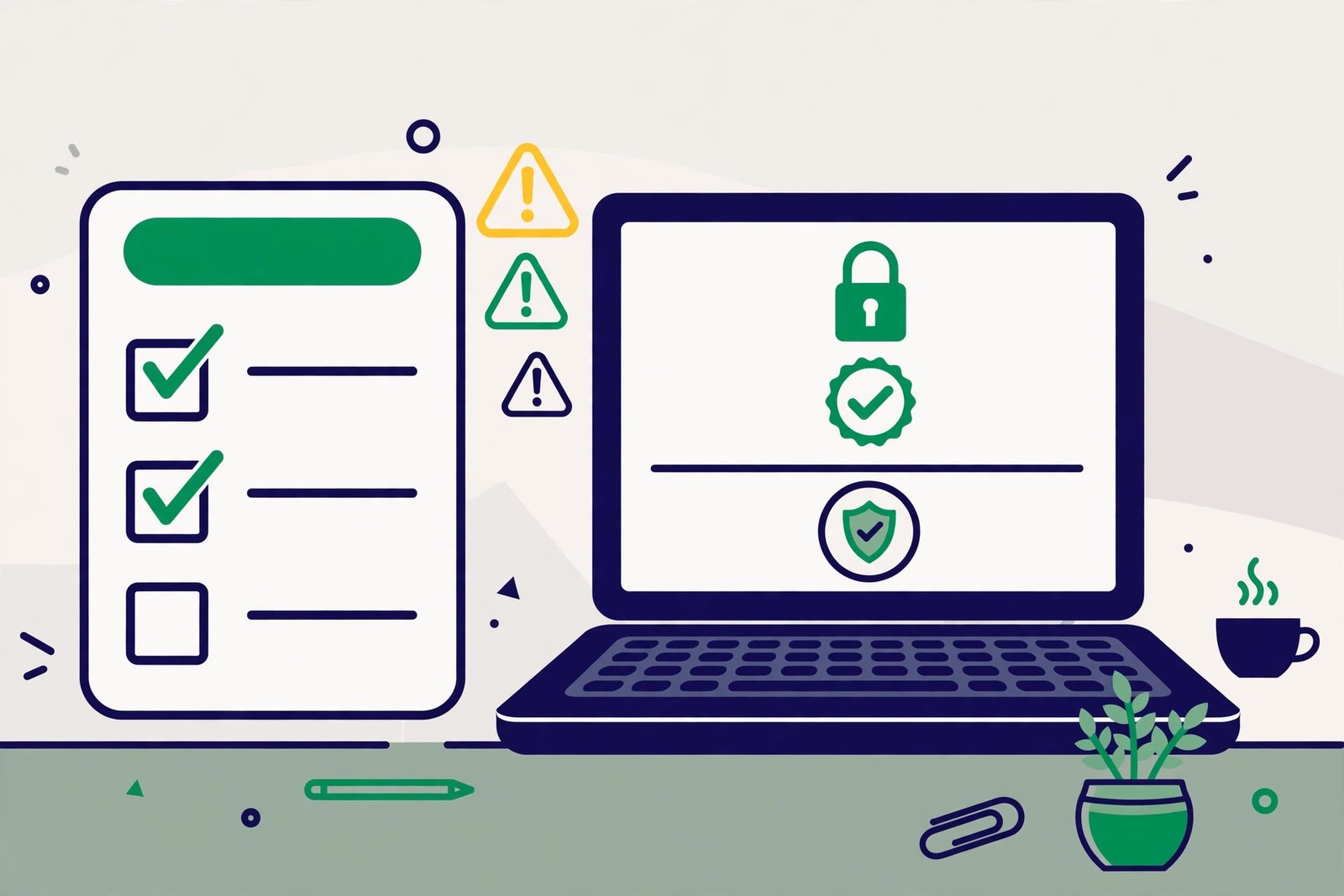
Key Takeaways: Start with the company name plus a clear identifier, such as its industry or location, and look for the official domain rather than clicking the first ad or result. Verify the domain through consistent branding, contact pages, legal pages, and independent sources such as a stock exchange listing, a business registry, or a verified social profile. Use the official site for products, leadership, locations, careers, and press information, then cross-check important facts before you rely on them. Treat any site that asks for sensitive details, payment, or login credentials with extra caution until its ownership is confirmed.
What Is Target Company URL Research?
Target company URL research means identifying the correct official website address for a named company and then using that site, together with trusted public sources, to build an accurate picture of the business.
The word target simply means the company you have chosen to study. It could be a future employer, a potential client, a supplier, a competitor, or a partner. The URL is the web address itself, and researching it means checking that it belongs to that company and understanding what it reveals.
Main, Secondary, and Supporting Keywords in This Topic
Searchers describe this task in several ways, including finding a company website, checking a company official website, verifying a business website, and researching a company online. Related topics include company background research, corporate website verification, business website lookup, and official company contact details. Understanding these variations helps you search more effectively, because different sources may use different wording for the same task.
How Do You Find a Target Company’s Official Website?
Start with a precise search, not a vague one. Search for the full company name, plus one distinguishing detail, such as its industry, headquarters city, or best known product. This helps separate the company you want from others with a similar name.
Step by Step: Find the Official URL
- Write down the exact legal or trading name of the company, if you know it. A trading name and a legal name can differ, and both can be useful search terms.
- Search using the company name plus a qualifier, such as industry, city, or product category.
- Look for results that use consistent branding, a professional domain, and a clear About or Contact page.
- Skip paid ads at first, unless you already know the advertiser is the company itself. Ads can be bought by resellers and third parties.
- Open the likely official site and check its footer, legal pages, and contact details before you trust it.
- Confirm the domain through at least one independent source, such as a verified social profile, a press release, or a business listing.
If you are researching a company as part of wider business planning, the same careful approach helps in other areas too. For example, business plan research also depends on accurate company, market, and competitor information rather than assumptions.
How Can You Verify That a Website Belongs to the Company?
Verification is the most important part of target company URL research. A convincing design is not enough, because lookalike sites can copy logos, colours, and page layouts. Use several checks together, rather than relying on one signal.
Check the Domain Name Carefully
Read the domain letter by letter. Lookalike domains often use a small change, such as a swapped letter, an extra word, a different spelling, or an unfamiliar domain ending. A genuine corporate site usually uses a short, consistent domain that matches the brand name.
Also check whether the site uses HTTPS, shown by a padlock in the browser address bar. HTTPS means the connection is encrypted, but it does not prove who owns the site. Any site can obtain a basic security certificate, so treat HTTPS as a minimum requirement, not as proof of identity.
Check Consistency Across the Site
On a genuine corporate website, the logo, company name, contact details, and tone should stay consistent across pages. The About page, careers page, press page, and legal pages should describe the same business, not different businesses or unrelated products.
Look for an address, phone number, email domain, and social media links that match each other. If the contact email uses a free email service while the site claims to be a large corporation, that mismatch is a warning sign worth investigating.
Check Legal Pages and Independent Sources
Many official sites include a privacy policy, terms of use, or legal notice that names the company operating the site. Compare that name with the company you intended to research. Then confirm the same domain through at least one independent source, such as a verified social profile linked both ways, a press release, an app store listing, a business directory, a stock exchange listing, or a job listing that links to the company’s careers page. When two or more independent sources point to the same domain, your confidence increases. When sources point to different domains, pause and investigate before using either one for contact, payment, or job applications.
What Information Should You Research on a Company’s Website?
Once you have verified the URL, the official site becomes a rich research source. The sections below show what to look for and why each section matters.
| Website section | What to look for | Why it matters |
|---|---|---|
| About and company overview | Mission, history, size, locations, and business focus | Builds a basic understanding of what the company does |
| Products and services | Main offerings, features, pricing pages, and target customers | Shows how the company earns revenue and who it serves |
| Leadership and team | Founders, executives, and board members, where published | Helps identify decision makers and company direction |
| Careers | Open roles, locations, benefits, and hiring process | Useful for job seekers and recruiters alike |
| News and press | Announcements, product launches, and partnerships | Reveals recent activity and priorities |
| Contact and support | Official email addresses, phone numbers, forms, and help pages | Ensures you reach the real company, not an impersonator |
| Legal pages | Legal company name, terms, and privacy policy | Confirms ownership and operating entity |
| Investor relations, if available | Reports, filings, and shareholder information | Provides verified financial and governance context |
What Are the Common Pitfalls in Target Company URL Research?
The first search result is often relevant, but it is not always official. It could be an advertisement, a review site, a reseller, or a news article, so always check the domain and the page itself. Many companies also share similar names across countries and industries, so use location, industry, and product details to confirm you have the right business. Old or archived pages can show outdated leadership, closed locations, or discontinued products, so prefer the live official site for current details. Finally, never enter passwords, payment details, or identity documents on a site until you have verified it. If a site pressures you to act quickly or asks for payment through an unusual method, slow down and verify through another channel. Learning the signs used in spotting a scam can also sharpen your eye for fake company sites in other industries, because many warning signs are similar.
How Do You Research a Company Beyond Its Official Website?
The official website is the starting point, not the whole picture. Business registries can confirm a legal name and registration status, depending on the country, while news archives can show how a company has been covered over time. For digital research, free SEO audit tools can show basic technical details about a domain, while keyword research tools can show which topics a site is associated with in search. These tools describe a website, they do not prove ownership on their own, so use them alongside the verification checks above. Customer reviews and social media comments can reveal service experiences, but they are subjective and sometimes manipulated, so use them as leads for further questions, not as verified facts.
A Practical Research Workflow You Can Repeat
A simple, repeatable workflow keeps target company URL research fast without making it careless. Use it every time you research a new company, and adapt it to your purpose.
- Define your goal. Are you looking for a job, a sales contact, a partnership, or background for an article? Your goal decides which pages matter most.
- Find candidate domains. Search with the company name plus industry or location, and note two or three likely candidates.
- Verify the domain. Check spelling, legal pages, contact consistency, and at least one independent source.
- Collect core facts. Record products, locations, leadership, news, and contact details, with the URL for each fact.
- Cross-check important claims. Confirm leadership changes, funding news, partnerships, and contact details through a second source before you act on them.
- Save your sources. Keep a short research note with the verified URL, the date you checked it, and links to confirming sources.
- Re-check before acting. If days or weeks pass before you contact the company or publish, revisit the official site to catch updates.
How Does Target Company URL Research Differ by Purpose?
Job seekers should prioritise the careers page, the About page, and recent news, and be cautious about any listing that asks for payment or personal documents early in the process. Sales researchers should focus on products, customers, locations, and the correct published contact route, rather than guessing personal email addresses. Partnership research needs extra care, including checking the legal entity name and confirming the business through a registry or independent listing where possible. Writers should cite the official site for basic facts and use independent sources for claims about performance or market position. For broader context on how sites build visibility over time, see the guide on topical authority in SEO on DigitalGeekSpot.
Frequently Asked Questions
What is target company URL research?
It is the process of finding a specific company’s official website address, verifying that the domain belongs to that company, and then researching the business through its site and trusted public sources.
How do I find a company’s official website?
Search for the full company name plus its industry or location, look for consistent branding and a clear About and Contact page, and confirm the domain through a verified social profile, press release, business listing, or similar independent source.
How can I tell if a company website is fake?
Warning signs include a misspelled or slightly altered domain, mismatched contact details, a free email address for a supposedly large company, missing legal pages, pressure to pay or share sensitive details, and no independent source linking to the same domain.
Is HTTPS enough to prove a website is official?
No. HTTPS only shows that the connection is encrypted. It does not prove who owns the site, so combine it with domain checks, legal pages, and independent confirmation.
What if a company has several websites?
Choose the site that matches your purpose. Use the main corporate site for company background, the careers portal for jobs, and a product site for product details, and check that each one is linked from, or consistent with, the main corporate presence.
What should I do if I cannot find an official website?
Try the legal company name, a known product name, or a business registry listing. Check verified social profiles, which often link to an official site. If no official site exists, rely on registries, reputable directories, and direct contact through a verified phone number or profile, and note that the absence of a site is itself a finding.
Should I trust information on a company’s own website completely?
Treat the official site as the best source for what the company says about itself, but not as independent proof for every claim. Cross-check important facts, especially about performance, partnerships, and market position, through independent sources before you rely on them.
How often should I re-check a target company’s URL?
Re-check before any important action, such as sending an application, making a payment, or publishing. Domains can change, companies can rebrand, and old bookmarks can go stale, so a quick verification step before acting is worth the effort.
Conclusion
Target company URL research is a small skill with a large payoff. A few minutes spent finding and verifying the official website can prevent wasted outreach, wrong facts, and risky interactions with impersonator sites. Start with a precise search, verify the domain through several signals, gather information systematically from the official site, and cross-check anything important through public sources.
Keep your research notes, record the verified URL, and re-check before you act. Done this way, target company URL research becomes a reliable habit that supports better job searches, smarter outreach, safer buying decisions, and more accurate writing.


1 Comment