How to Quit Vaping: Step by Step Guide
Last updated: November 2026
Written by James Foster for Digital Geek Spot.
How to quit vaping step by step starts with a quit date within two weeks, a method you can stick to, and a written plan for triggers and cravings. Clear devices before quit day, line up support in advance, and script the first week, when withdrawal peaks.
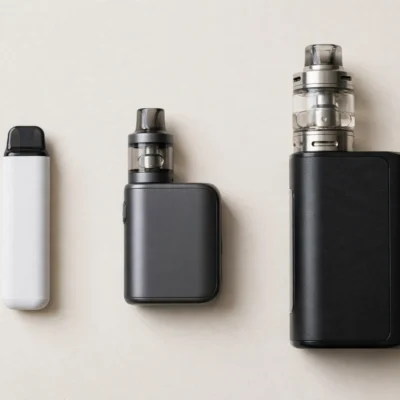
Quitting vaping means stopping nicotine vaping and breaking the habit loop that links places, feelings, and routines to a puff. Withdrawal peaks on day 2 or 3 and eases over 2 to 4 weeks. This guide gives the 8 steps, a withdrawal timeline, craving tactics, and free support options, so you can build a plan that fits your nicotine strength and routine. If stopping vaping would push you back to cigarettes, get advice from a clinician or pharmacist first.
Key Takeaways
- Pick a quit date within two weeks, and tell at least one person your date.
- Cold turkey and a nicotine taper both work; pick the method you will stick to.
- Withdrawal starts in 4 to 24 hours, peaks on day 2 or 3, and eases over 2 to 4 weeks.
- Each craving lasts only a few minutes; delay, drink water, move, and use a planned action.
- Nicotine replacement therapy, prescription medicines, and free quit lines can raise your odds of success.
- A slip is a setback to learn from, not a reason to restart vaping each day.
Contents
- What does quitting vaping involve?
- How do you quit vaping step by step?
- Should you quit cold turkey or taper nicotine down?
- What withdrawal symptoms should you expect?
- How do you handle cravings without vaping?
- What help is available to quit vaping?
- How do you rebuild routines after quitting?
- What should you do if you slip?
- Frequently asked questions
What does quitting vaping involve?
Quitting vaping involves two changes at once: ending nicotine intake and breaking the habit loop that pairs vaping with daily cues. Nicotine acts on receptors in the brain, and repeated use trains the brain to expect a dose after meals, during breaks, while driving, or under stress. When nicotine stops, the brain needs time to readjust, and that readjustment causes withdrawal. At the same time, hands, mouth, and routine still expect the old action, so a quit plan must cover both the chemical side and the habit side.
How to quit vaping step by step works best as a project with a date, a method, and a support team, not as a test of willpower on a hard day. Smokefree.gov lists preparation steps that raise success: complete a quit plan, remove vape supplies, ask a clinician about nicotine replacement or quit medicines, practice a refusal line, build support, change routines, and plan rewards. The Vape guides on Digital Geek Spot cover devices and nicotine strengths, so check your current strength before you choose a taper or stop date.
Start by writing down why you want to quit, in one sentence you can read on a hard day. Common reasons are better breathing, lower cost, less dependence, and better sleep. Then note how much you vape: device type, nicotine strength, pods per day, and the times you vape most. That record sets your taper steps and tells a pharmacist which nicotine replacement dose fits your use.
How do you quit vaping step by step?
To quit vaping step by step, set a date, map triggers, pick a method, clear supplies, arrange support, and script the first week. Work through the 8 steps below in order, and write each answer down.
- Step 1: Pick a quit date within two weeks. Choose a date that gives time to prepare without losing momentum. Avoid a date tied to a major stressful event. Put it on your calendar and tell one person.
- Step 2: Track vaping for 2 days. Note each session, time, place, feeling, and trigger. Circle the 3 to 5 moments that repeat most.
- Step 3: Choose cold turkey or a taper. Cold turkey means stopping all nicotine vaping on quit day. A taper means stepping strength down over 2 to 8 weeks, then stopping.
- Step 4: Clear devices the night before. Remove devices, pods, e-liquid, chargers, and spares from home, car, bag, and desk. Unfollow vape accounts that prompt urges.
- Step 5: Arrange support before quit day. Book a pharmacist or clinician visit if you want nicotine replacement or a prescription medicine. Sign up for a text program or quit line, and ask one person to check in during week 1.
- Step 6: Write a craving plan for each trigger. Use the form: when a trigger occurs, I will take a named action. Example: when stress hits at work, I will walk for 5 minutes and drink water.
- Step 7: Plan the first 72 hours. Stock water, sugar-free gum, and healthy snacks. Plan who you will call, where you will walk, and what you will do after meals.
- Step 8: Set rewards and a daily check-in. Track each vape-free day and money saved, with a small reward at day 3, day 7, and day 30. Review the plan each night in week 1.
Read this related guide next: What vaping is and how vape devices work
Should you quit cold turkey or taper nicotine down?
Cold turkey suits a reader who wants a clean break and can handle a sharper first week, while a taper suits a reader who wants milder withdrawal. Neither method removes withdrawal. Cold turkey brings a stronger peak sooner, then a faster fall. A taper spreads the fall over weeks, so the final drop to zero feels smaller. A 2016 trial of 697 smokers found abrupt quitting beat gradual quitting at 4 weeks and 6 months for smoking, but vaping trials are fewer, so treat that result as a guide.
| Method | How it works | Best for | Watch out for |
|---|---|---|---|
| Cold turkey | Stop all nicotine vaping on quit day | A clear break, a firm date, strong support | Sharper peak on day 2 or 3 |
| Nicotine taper | Step strength down over 2 to 8 weeks, then stop | Heavy daily use, fear of a hard peak | Drift, or vaping more often to offset a lower strength |
| Taper plus nicotine replacement | Use a patch or gum while stepping vape strength down, then stop vaping | A reader who wants steady cover for cravings | Overlapping nicotine doses, so follow pharmacist advice |
A workable taper looks like this: weeks 1 to 2, drop to the next lower strength; weeks 3 to 4, drop again to under 6 mg where your device allows it; weeks 5 to 6, move to 0 mg liquid or stop. If you vape more often after a drop, pause at that strength for a week. If you smoke as well as vape, ask a clinician about a plan that ends both.
What withdrawal symptoms should you expect?
Nicotine withdrawal starts 4 to 24 hours after the last vape, peaks on day 2 or 3, and eases over 2 to 4 weeks for most people. Nicotine has a half-life of about 2 hours, so cravings can arrive within an hour or two of the last puff. Common symptoms are strong cravings, irritability, anxiety, low mood, trouble focusing, restlessness, poor sleep, headaches, and increased appetite. Less common symptoms are tiredness, dizziness, coughing, and mouth sores. Symptoms feel strong, but they are time-limited.
| Time after last vape | What often happens | What helps |
|---|---|---|
| First few hours | Cravings build as nicotine levels fall | Water, a walk, a planned task |
| Day 1 | Edgy mood, low focus, hunger rises | Regular meals, sleep routine, support check-in |
| Days 2 to 3 | Peak: strongest cravings, irritability, poor sleep | Fast-acting support, delay tactics, early nights |
| Days 4 to 7 | Cravings come less often and pass faster | Trigger plans, exercise, reward at day 7 |
| Weeks 2 to 4 | Baseline mood and sleep settle for most people | Routine rebuild, habit swaps, review of slip risks |
| After 1 month | Occasional cue cravings, weaker and rarer | Long-term trigger plan, support contact kept open |
Research on vaping alone is thinner than research on smoking, so treat this timeline as a guide, not a schedule for your body. A review by Hughes in Nicotine and Tobacco Research (2007), covering 120 studies of tobacco quitting, found the same rise, peak, and fade shape. If symptoms worsen after 2 weeks, or feel unmanageable, seek advice from a clinician instead of restarting vaping at the old strength.
How do you handle cravings without vaping?
To handle a craving without vaping, delay the action, change the scene, and use a pre-written swap for that trigger. Cravings come in waves and usually pass within a few minutes, so the skill is waiting out the wave with a plan. Keep 3 to 4 swaps ready, because one tactic does not fit every setting.
- Delay 5 minutes. Set a timer, drink water, and do one small task. Reassess when the timer ends.
- Change the scene. Stand up, move rooms, step outside, or take a different route. A new scene breaks the cue.
- Breathe slowly. Breathe in through the nose and out through the mouth for 5 slow cycles.
- Move your hands. Hold a water bottle, chew sugar-free gum, or use a stress ball during the peak minute.
- Call or text support. Tell one person you feel a craving, and ask for a 5 minute chat.
- Review the reason. Read your one-sentence quit reason and your day count before you decide.
Plan for high-risk settings in advance: alcohol, coffee breaks, driving, social events where others vape, and stressful work days. For each setting, write one refusal line and one exit move. Practice the line out loud: “No, thanks, I quit.” If a setting keeps causing slips, change it for 2 weeks: take a different break spot, or meet friends in a vape-free place.
What help is available to quit vaping?
Help to quit vaping includes nicotine replacement therapy, prescription medicines, free quit lines, text programs, and trained quit coaches. Support plus medicine beats willpower alone for most people. Talk to a pharmacist or clinician about dose and safety, since the right product depends on your nicotine use, health history, and other medicines.
| Option | How it helps | Notes |
|---|---|---|
| Nicotine patch | Steady background nicotine through the day | Often paired with gum or spray for sudden cravings |
| Gum, lozenge, spray | Fast relief for a sudden craving | Follow pack dosing, and do not vape while using them |
| Varenicline (prescription) | Blocks nicotine reward and eases cravings | Typical course lasts about 12 weeks, clinician assessed |
| Quit line or text program | Coaching, craving tips, and check-ins | United States: 1-800-QUIT-NOW; Smokefree.gov text programs |
| Quit app | Day count, money saved, craving logs | Smokefree.gov quitSTART tracks cravings and coaches coping |
Nicotine replacement therapy gives controlled, lower nicotine doses without the rapid spikes of vaping, and a 2018 Cochrane review found all forms raise smoking quit odds by 50 to 60 percent. NHS guidance notes that a fast-acting spray is the only nicotine replacement product approved in the United Kingdom for quitting vaping, often paired with a patch. Nicotine clears the body within a few days, which explains why the first week feels hardest. This article gives general information only and does not replace medical advice.
Book free support before quit day, not after a slip. In the United States, 1-800-QUIT-NOW gives free coaching, and Smokefree.gov gives a quit plan builder. In the United Kingdom, NHS Stop Smoking Services give free adviser sessions. Tell your coach your quit date, triggers, and method, so week 1 check-ins focus on the moments that matter most.
How do you rebuild routines after quitting?
To rebuild routines after quitting, replace each vape cue with a new action in the same place and time as the old cue. A morning vape becomes a shower plus breakfast. A work break vape becomes a walk around the block. A post-meal vape becomes water, a short walk, and teeth brushing. Repetition over 2 to 4 weeks makes the new action feel normal, and new routines take about 18 days to several months to feel automatic.
Clean the environment once more at day 7: check car, coat pockets, desk drawers, and bags for spare pods. Change one routine each week, not all at once. Track money saved each week and put it toward a visible reward. Keep one support contact active past day 30, because cue cravings can return at parties, stressful weeks, or travel. Digital Geek Spot publishes health and vape guides in a plain, practical style, and this quit plan follows that approach.
What should you do if you slip?
If you slip, stop at one puff, note the trigger, fix the plan for that trigger, and keep your quit date as day 1. A slip is a single lapse, not a full return to daily vaping, and Smokefree.gov frames a slip as a temporary setback rather than a failure. The risk after a slip is the thought that the quit has failed, which can turn one puff into a full day of vaping. Break that chain fast: throw away the device again, tell your support person, drink water, and restart the craving plan for the next hour.
Review the slip the same day with 3 questions: what was the trigger, what was missing from the plan, and what action will you use next time. If slips repeat in the same setting, change the setting for 2 weeks or add medicine support through a pharmacist. If you return to cigarettes, seek help at once, and keep counting slip-free days so progress stays visible.
Conclusion
How to quit vaping step by step comes down to a date, a method, a trigger plan, and support that starts before quit day. Set the date within two weeks, clear supplies, choose cold turkey or a taper, and script the first 72 hours. Withdrawal peaks on day 2 or 3 and eases over 2 to 4 weeks, cravings pass in minutes, and a slip can be fixed with a better plan. Start today: write your quit date, reason, and 3 main triggers, and tell one person you trust.
Read this related guide next: Nicotine strength guide for vapers
Frequently asked questions
How long does it take to quit vaping?
Quitting vaping takes 2 to 4 weeks for most withdrawal symptoms to ease, with a peak on day 2 or 3. Habit cues can last longer, so keep trigger plans and support active for at least a month, and review the plan weekly until cravings feel rare and weak.
Is it better to quit vaping cold turkey or taper down?
No single method is better for every reader. Cold turkey gives a clean break with a sharper first week, while a taper gives milder withdrawal over 2 to 8 weeks. Pick the method you will stick to, and add nicotine replacement or coaching if the peak feels hard to manage alone.
What are the worst days when quitting vaping?
Days 2 and 3 are usually the worst days when quitting vaping, since nicotine withdrawal peaks then. Symptoms often include strong cravings, irritability, anxiety, poor sleep, and trouble focusing. Plan extra support, early nights, and simple days for that window.
Can nicotine replacement therapy help quit vaping?
Yes, nicotine replacement therapy can help quit vaping by easing cravings with controlled, lower nicotine doses. Patches give steady cover, while gum, lozenges, or spray give fast relief. Ask a pharmacist about dose, safety, and pairing a patch with a fast-acting product.
What should I do when a craving hits?
When a craving hits, delay 5 minutes, drink water, change the scene, and use your planned swap for that trigger. Breathe slowly, move, or call support during the peak minute. Most cravings pass within a few minutes, so waiting out the wave with a plan works better than debating it.
Is it safe to quit vaping if I used it to stop smoking?
Yes, quitting vaping is a sound goal, but only quit vaping if you can do so without returning to cigarettes. If a return to smoking feels likely, get advice from a clinician or pharmacist first, and keep nicotine replacement or a quit service in place as a safety net.