Key Takeaways: “Boyend” carries four distinct meanings, depending on context. It is a surname with English, Scottish, Irish, and Welsh origins. As the archaic noun “by-end,” it means a private or secret purpose, or selfish advantage (Webster’s Revised Unabridged Dictionary, 1913). It is pronounced BOY-end (IPA /boujend/, ARPAbet B OW Y EH N D). It is also easily confused with “beyond” (typo), “bookend” (a book support), the “box-end wrench” (a tool), and the slang “boeyened” (to get extremely wasted), none of which mean the same thing.
Type boyend into a search engine and you will get a strange mix: surname history sites, a dusty dictionary entry, a pronunciation page, a slang definition, and even a page about wrenches. No single page on the web currently covers all of these meanings in one place. This guide fixes that. Below, you will find the definition of “by-end,” the origin story of the Boyend surname across four nations, how to pronounce it, and a plain disambiguation of every word it gets confused with.
What does Boyend mean?
The oldest and most documented meaning of the word is the archaic noun “by-end.” According to Webster’s Revised Unabridged Dictionary (1913), “by-end” means a private end or interest, a secret purpose, or a selfish advantage. It is written as two parts, by + end, and the sense is “an end of one’s own,” something pursued for personal gain rather than openly.
This is an archaic usage. You will not hear it in everyday conversation today, and modern dictionaries do not list it as a standard headword. If you are reading it in an older text, translate it in your head as “hidden agenda” or “ulterior motive.”
The two lives of “by-end”
There is an important ambiguity to flag. The 1913 “secret purpose” sense and the modern “by-end 2016” phrasing you sometimes see in finance writing are two different uses of the same spelling.
- Archaic “by-end” (noun): a private interest or secret purpose. Example: “His support for the plan was not charity, it was a by-end of his own.”
- Modern “by-end” (prepositional phrase): simply shorthand for “by the end of.” Finance journalism uses forms like “by-end 2016” to mean “by the end of 2016.” This is not the dictionary word at all, just the phrase “by the end” written with a hyphen.
Here are example sentences showing how the archaic word would be used in modern writing:
- “The chairman denied that the merger served any by-end of his own.”
- “She suspected the offer carried a hidden by-end, so she read the contract twice.”
- “Critics argued the policy was less about fairness and more about political by-ends.”
Is Boyend a first name or a surname?
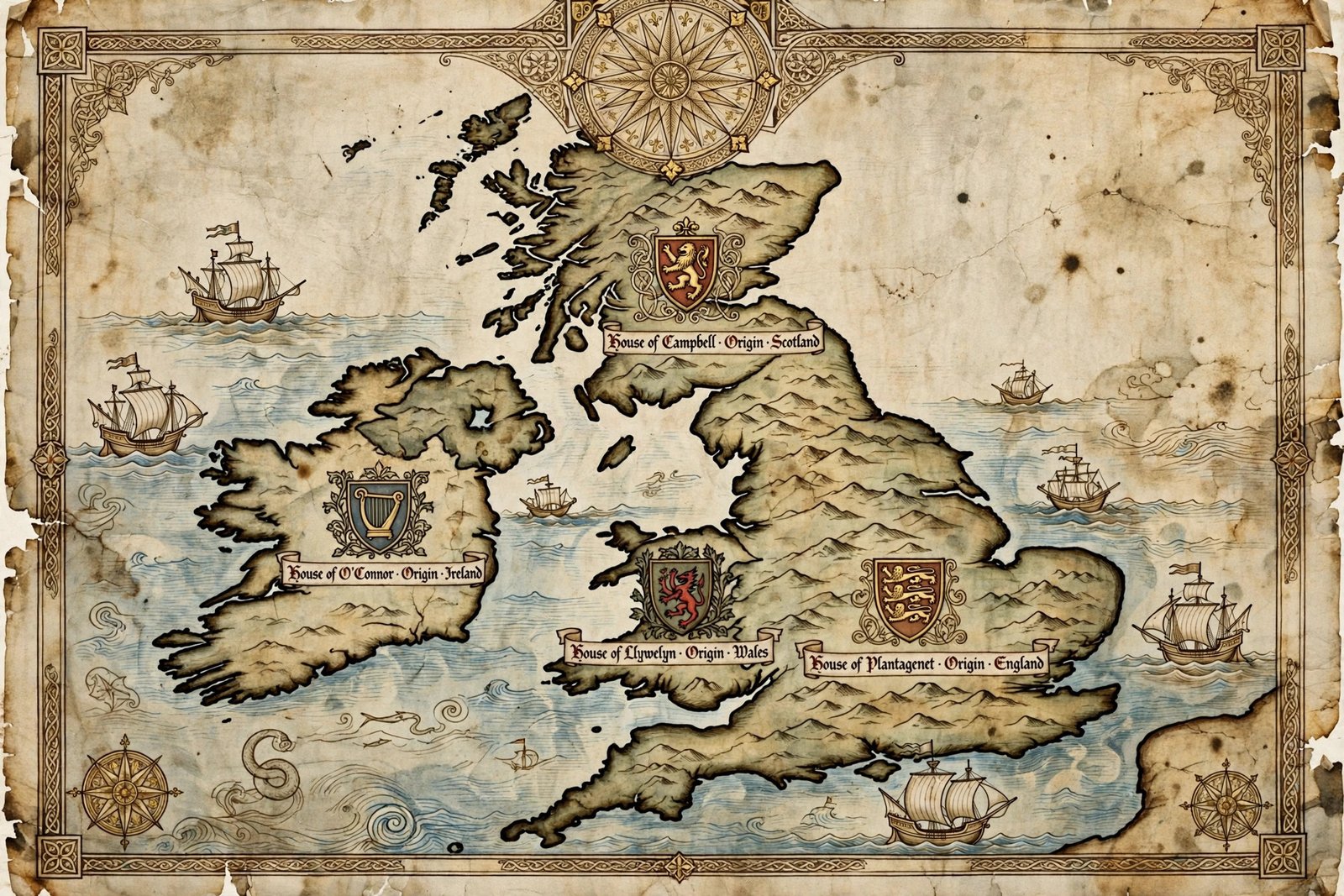
Boyend is a surname, not a first name. No credible source documents it as a common given name, and there is no verified popularity ranking for it as a first name. It appears in records as a family name with four claimed national origins: English, Scottish, Irish, and Welsh. Each origin tells a different story, and the details below are attributed to surname-history sources such as houseofnames.com, with the honesty caveat that early records for this surname are sparse and some claims cannot be independently verified.
English origin: the Norman Bohun line
The English account traces Boyend to the Norman family of de Bohun of Sussex. After the Norman Conquest, the Bohuns were an influential Anglo-Norman family, and the surname histories connect Boyend to this lineage through centuries of spelling drift. Spelling was fluid in medieval England, so a Norman root name could fracture into many local variants over generations.
Scottish origin: dweller by the river Boyne
The Scottish account gives Boyend a Pictish origin, describing it as a habitational name for someone who lived by the river Boyne, first found near Portsoy in Banffshire. In this reading, the name is geographic: a “dweller by the river Boyne,” compressed over time into Boyend.
Irish origin: descendant of Brian
The Irish account ties Boyend to O Briain, meaning “descendant of Brian,” with the family first found in the Thomond region. The famous namesake is Brian Boru, the High King of Ireland. Over centuries of anglicization, Irish Gaelic names were reshaped into English-looking forms, which is how an O Briain variant could become Boyend.
Welsh origin: son of Owen
The Welsh account derives Boyend from ab-Owen or ap-Owen, meaning “son of Owen,” first found in Pembrokeshire. The “ab/ap” prefix was the Welsh patronymic marker, and many Welsh surnames formed this way were later fused into single words in English records.
Boyend origins at a glance
| Origin | Root name | Meaning | First found |
|---|---|---|---|
| English | Bohun / de Bohun | Norman family name, Sussex | Sussex, England |
| Scottish | River Boyne | Dweller by the river Boyne (Pictish) | Portsoy, Banffshire |
| Irish | O Briain | Descendant of Brian | Thomond, Ireland |
| Welsh | ab-Owen / ap-Owen | Son of Owen | Pembrokeshire, Wales |
Boyend spelling variations
Because the surname developed across four traditions and centuries of inconsistent spelling, it appears in records under many forms. The variations most commonly listed are:
| Variation | Notes |
|---|---|
| Boyne | Closest to the Scottish river root |
| Boyn | Shortened form |
| Boynd | Minor spelling variant |
| Bohun | The Norman family root |
| Bone | Anglicized spelling |
| Boon | Anglicized spelling |
| Boone | Extended anglicized form |
| O’Brien (and variants) | Irish line spelling |
A note on the family crest
Some surname-history sites sell Boyend coat-of-arms products. No verified blazon (formal heraldic description) of a Boyend crest was found in open sources, so this article does not describe one. Claims about the crest’s appearance, motto, or notable bearers of the name should be treated as unverified unless backed by a cited record.
How do you pronounce Boyend?
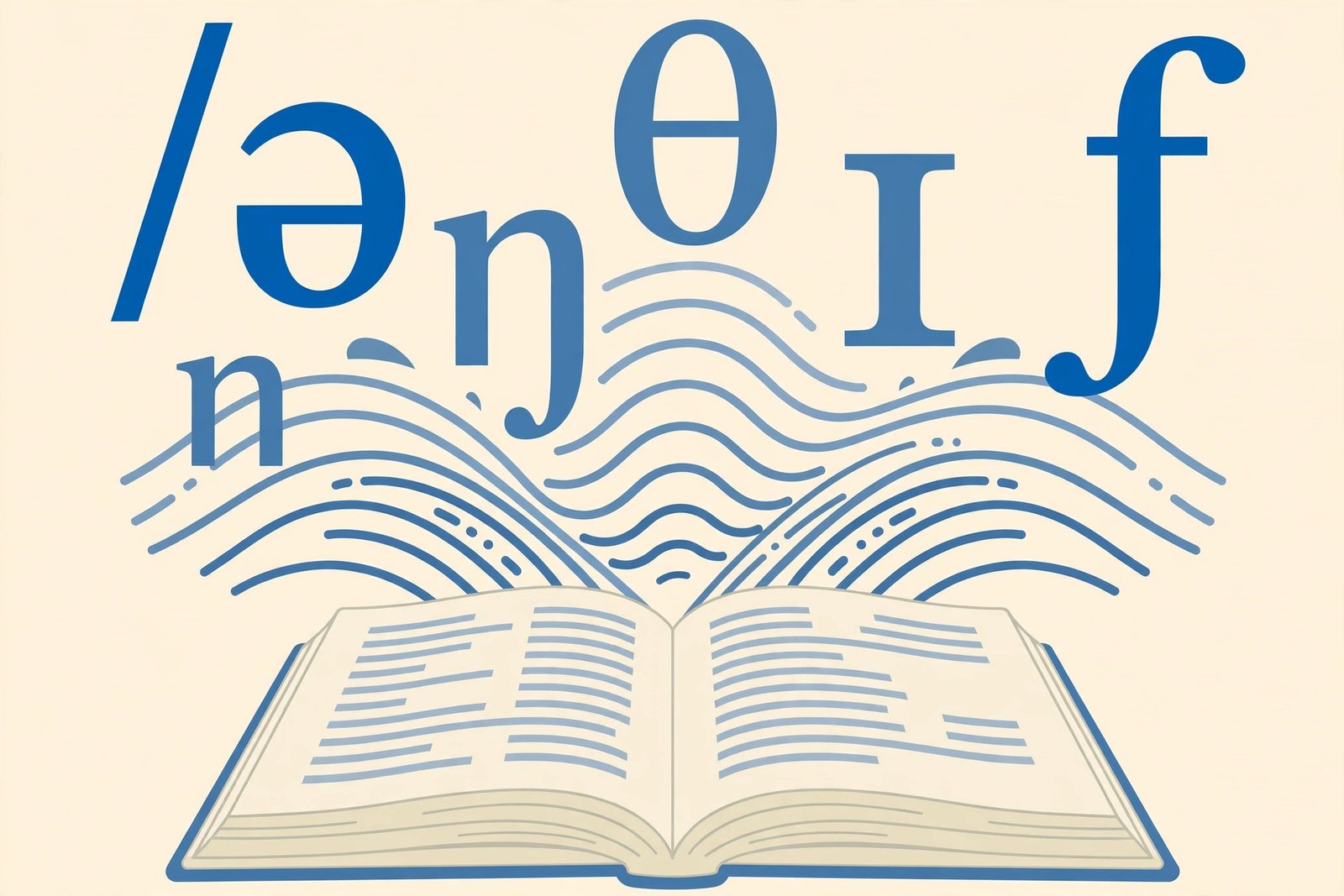
The standard phonetic reading is BOY-end, with the stress on the first syllable. Two syllables: “boy” (as in the word boy) plus “end” (as in the word end). In ARPAbet notation it is written B OW Y EH N D, and a common IPA rendering is /boujend/.
One audio-friendly tip: say the word “boy” normally, then let the second syllable “end” fall away softly and unstressed, like the ending of “weekend.” Boy-end.
An honesty note: no dictionary or official authority lists a definitive pronunciation for Boyend as a surname, since surname pronunciations vary by family. The rendering above is the standard phonetic reading based on the spelling. If you meet someone who carries the name, their family’s pronunciation is the correct one for them.
For more explainers and word-history pieces like this one, browse the other deep-dive explainers published at DigitalGeekSpot.
What is Boyend commonly confused with?
Not every “boyend” search is really about Boyend. Here is the full disambiguation, so you can confirm which word you actually meant.
Beyond (the typo)
Beyond is the most likely intended word when someone types “boyend.” It means at or to the further side of, or continuing past a point. If you searched “boyend” and the results felt off, try “beyond” instead.
Bookend (the book support)
A bookend is an object placed at the end of a row of books to keep them upright. As a verb, “to bookend” means to place at the beginning and end of something, like a show bookended by two songs. It has nothing to do with the surname Boyend or the archaic “by-end.”
Box-end wrench (the tool)
A box-end wrench is a hand tool with ring-shaped ends that grip a bolt on all sides. The heads are usually 12-point and may be offset at a 15-degree angle, and each end is a different size. Some search results match “boyend” to this tool purely because of the word overlap, but it is a query-match artifact, not a meaning of the word.
“Boeyened” (the slang)
“Boeyened” is an Urban Dictionary entry, defined as slang for getting extremely wasted, verging on annoying but entertaining. This is internet slang, not a recognized definition of Boyend.
Quick disambiguation table
| Term | What it is | Related to Boyend? |
|---|---|---|
| Boyend (surname) | Family name, English/Scottish/Irish/Welsh origins | Yes, the word itself |
| “by-end” (archaic noun) | Private end or interest, secret purpose, selfish advantage | Yes, the dictionary sense |
| Beyond | Preposition/adverb: past, further than | No, likely typo |
| Bookend | Object that holds books upright; verb: to frame with | No, near-match |
| Box-end wrench | Ring-headed hand tool | No, search artifact |
| “Boeyened” (slang) | Slang for getting extremely wasted | No, slang only |
Reading up on name meanings and word histories is a recurring theme here. If you enjoyed this breakdown, you may also like the guide to what SEO terms and web names actually mean, and the explainer on decoding unfamiliar online terms.
Frequently asked questions
What does the word Boyend mean?
As the archaic noun “by-end,” it means a private end or interest, a secret purpose, or a selfish advantage, per Webster’s Revised Unabridged Dictionary (1913). As a surname, it is a family name with English, Scottish, Irish, and Welsh origins. Context decides which meaning applies.
Is Boyend a first name or a surname?
It is a surname. No credible source lists it as a common first name, and there is no verified popularity ranking for it as a given name.
Where does the Boyend surname come from?
Four origins are claimed: English (the Norman de Bohun family of Sussex), Scottish (Pictish, “dweller by the river Boyne,” near Portsoy, Banffshire), Irish (O Briain, “descendant of Brian,” in Thomond), and Welsh (ab-Owen/ap-Owen, “son of Owen,” in Pembrokeshire). Early records are sparse, so these accounts are attributed to surname-history sources rather than presented as independently verified facts.
What is the origin of the Boyend family crest?
No verified blazon (formal heraldic description) of a Boyend coat of arms was found in open sources. Some surname sites sell crest products, but the crest’s appearance and motto cannot be confirmed from publicly documented records.
How do you pronounce Boyend?
BOY-end, with stress on the first syllable. In ARPAbet: B OW Y EH N D. In IPA: /boujend/. No official pronunciation authority exists, so a family’s own pronunciation takes precedence for their name.
Is “by-end” still used in modern English?
The 1913 “secret purpose” sense is archaic and dead in modern usage. However, finance writing still uses the spelling “by-end 2016” to mean “by the end of 2016.” These are two different things: one is a noun, the other is shorthand for “by the end of.”
What is the difference between boyend and bookend?
They are unrelated words that look similar. “Boyend” is a surname (or the archaic noun “by-end”). A “bookend” is a physical object that keeps books upright on a shelf, or, as a verb, to place things at the beginning and end of something.
What does “boeyened” mean in slang?
According to Urban Dictionary, “boeyened” is slang for getting extremely wasted, to the point of being annoying but entertaining. It is internet slang, not standard English, and not a recognized meaning of Boyend.