

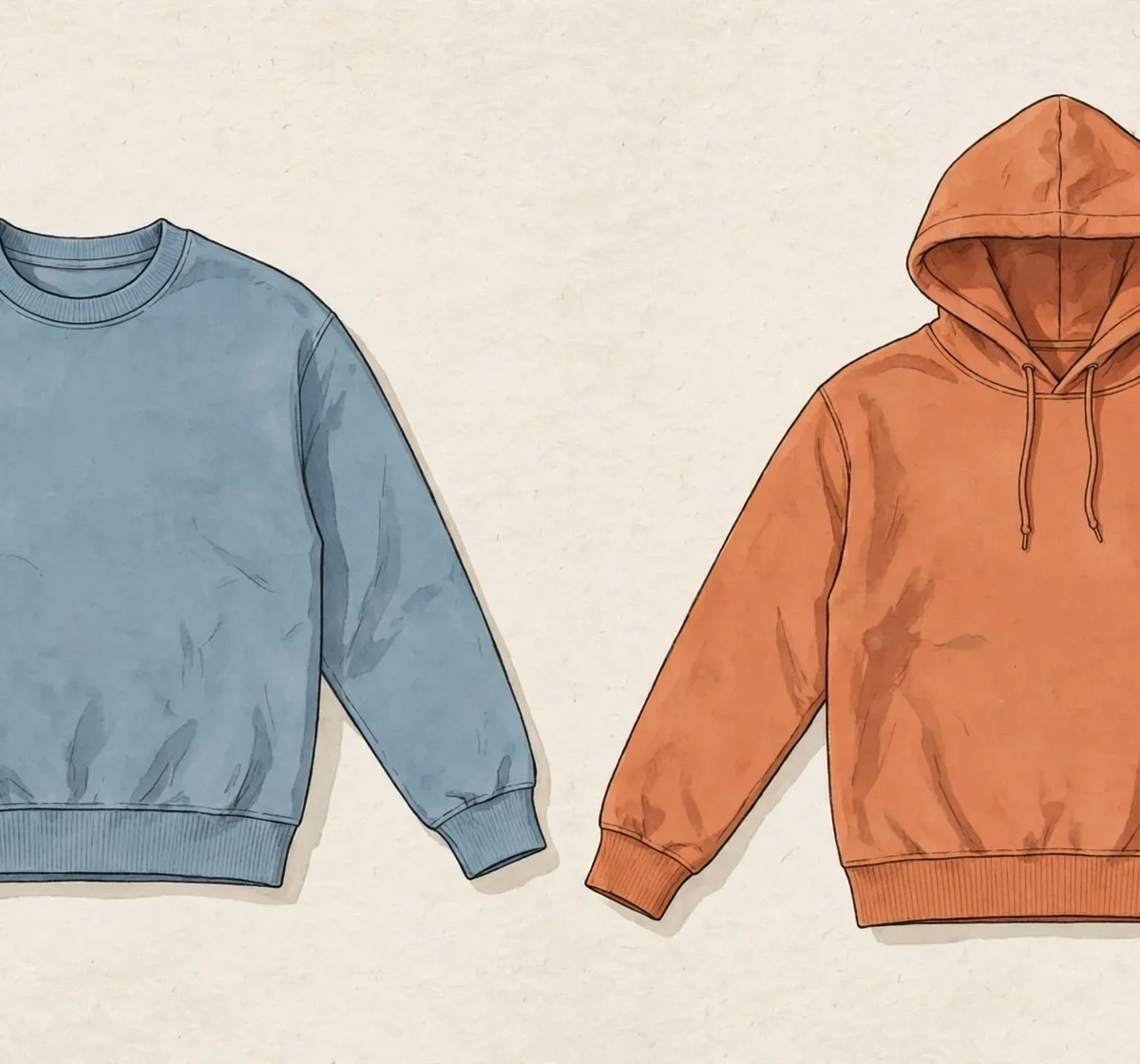
The difference between a sweatshirt and a hoodie is simple: a hoodie is a sweatshirt with a hood, plus, usually, drawstrings and a kangaroo pocket. Every hoodie is technically a type of sweatshirt, but not every sweatshirt is a hoodie. A classic sweatshirt has a plain crew neckline and no hood, while a hoodie adds the hood (and often the pocket and strings) that make it sportier, more casual, and better at keeping you warm.
That one-sentence answer covers most of it, but the details matter when you are buying, styling, or washing them. This guide breaks down the exact definitions, a side-by-side comparison of every difference, when to wear each, styling tips for both, and what to look for when you shop. Written by DigitalGeekSpot for 2026.
What Is a Sweatshirt?
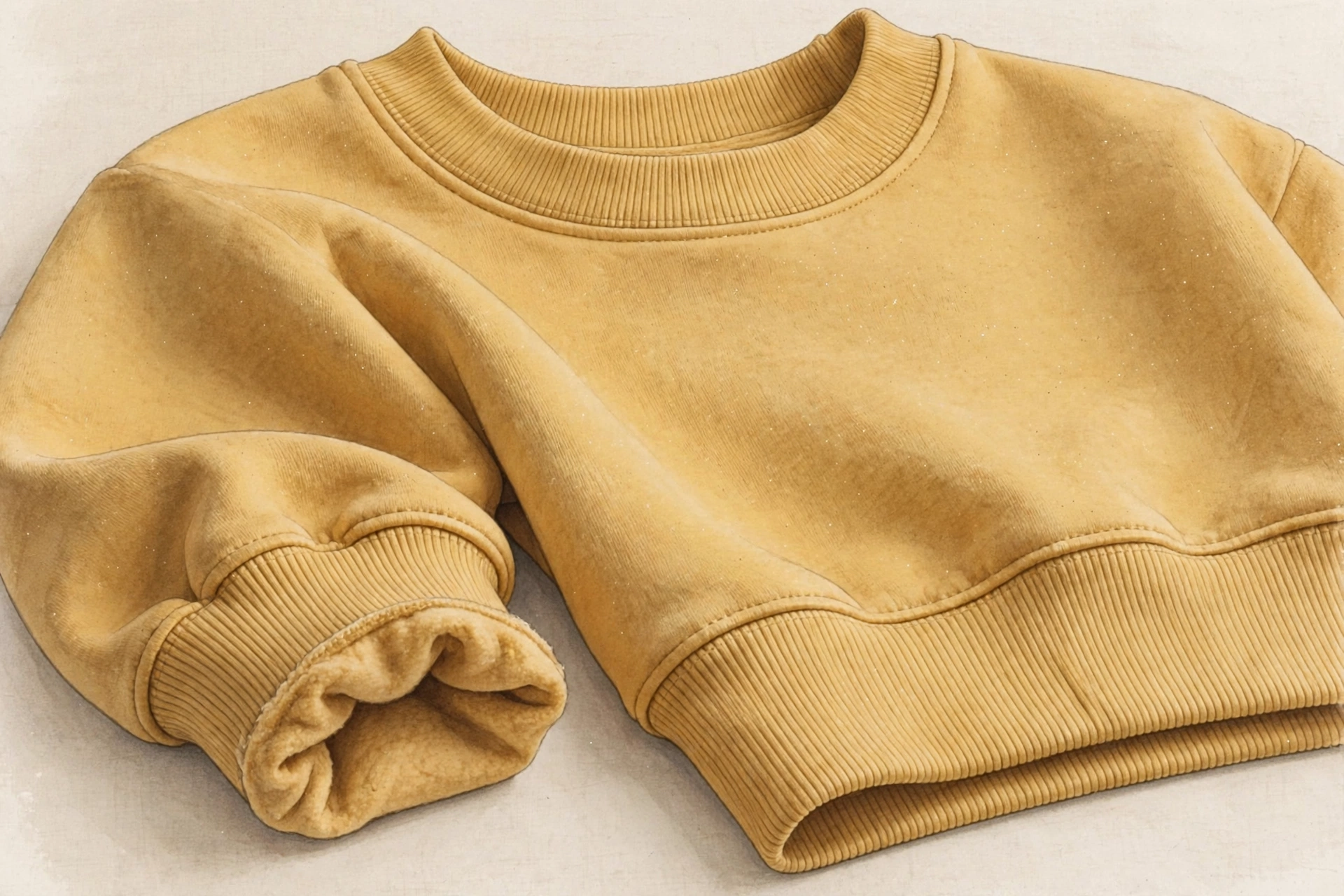
A sweatshirt is a long-sleeved pullover garment, traditionally made from thick cotton or cotton-blend fleece, with a round crew neckline, ribbed cuffs, and a ribbed hem. It was invented in the 1920s as athletic wear, the name literally comes from its original purpose of absorbing sweat during training, and it became everyday casual wear in the decades after.
Key traits of the classic sweatshirt:
- Crew neckline: a simple round collar, no hood, no zipper
- Ribbed finishes: elasticated cuffs and hem that keep the garment’s shape
- Clean front: usually no pockets (though some modern versions add them)
- Versatile look: reads as neat-casual, at home in offices with relaxed dress codes, layered under jackets, or worn with jeans
Variations exist, quarter-zip sweatshirts, mock-neck versions, and oversized fits, but the defining feature never changes: no hood. The moment a hood is added, it stops being a plain sweatshirt.
What Is a Hoodie?
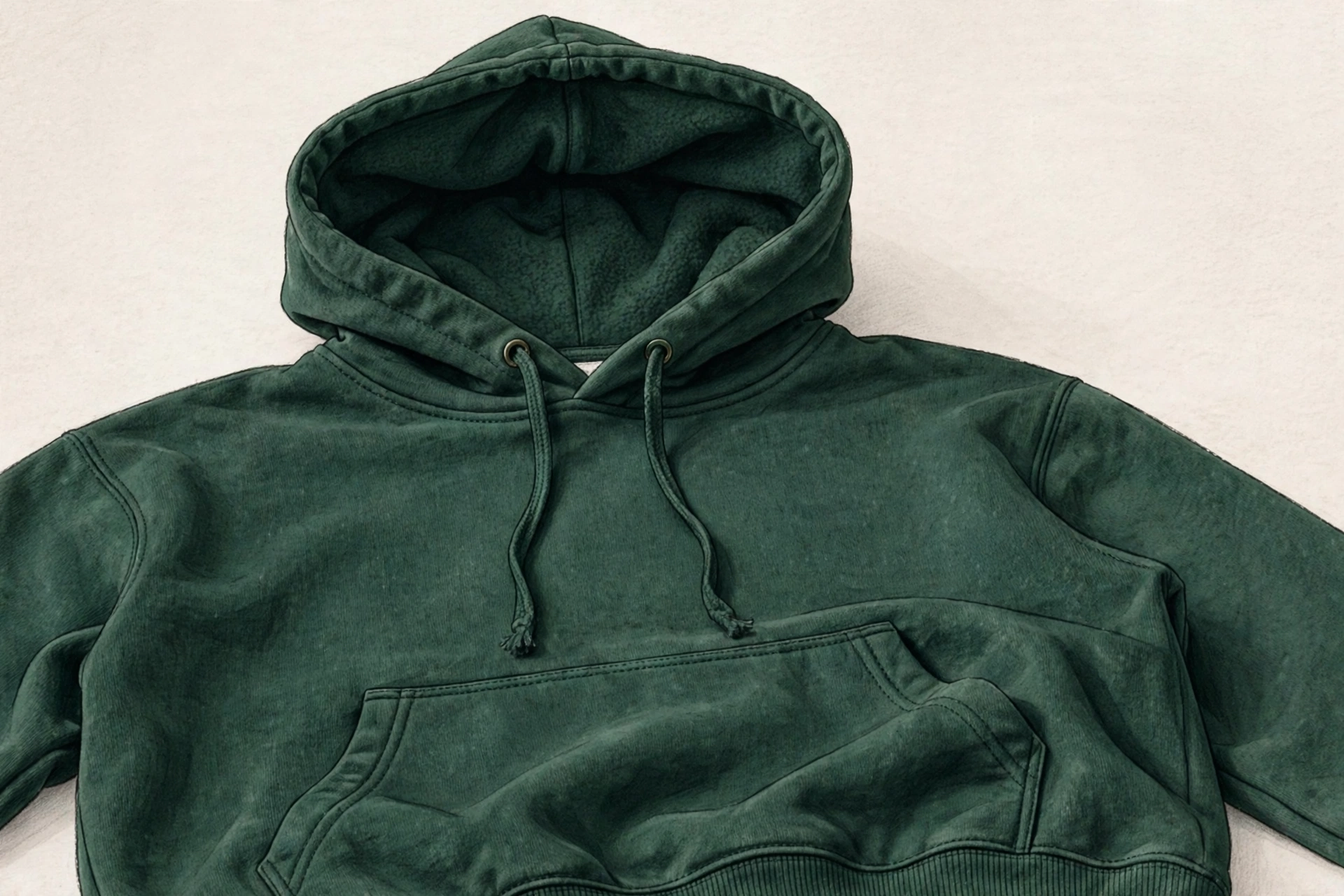
A hoodie (hooded sweatshirt) is a sweatshirt with a hood attached at the neckline. Most hoodies also have drawstrings to tighten the hood and a kangaroo pocket, the big single pouch across the lower front that you can slip both hands into. Hoodies come in two main styles: the pullover hoodie (worn over the head, like a sweatshirt) and the zip-up hoodie (opens at the front with a zipper).
The hoodie grew out of 1930s workwear and sportswear, then became a defining garment of hip-hop, skate, and streetwear culture from the 1970s onward. Today it is arguably the single most-worn casual garment in the world. Key traits:
- Hood: the defining feature, adds warmth, weather protection, and a distinct silhouette
- Drawstrings: functional (cinch the hood) and decorative
- Kangaroo pocket: hand-warmer, phone-holder, and casual-style signature
- Sportier, more casual: reads younger and more relaxed than a crewneck sweatshirt
Sweatshirt vs Hoodie: Key Differences at a Glance
| Feature | Sweatshirt | Hoodie |
|---|---|---|
| Hood | No | Yes, the defining feature |
| Neckline | Crew neck | Hooded neckline, often with drawstrings |
| Pockets | Usually none | Kangaroo pocket (pullover) or side pockets (zip-up) |
| Front opening | Pullover only | Pullover or zip-up |
| Formality | Neat-casual; easier to dress up | Casual-sporty; harder to dress up |
| Warmth | Good | Better, hood protects head and neck |
| Layering | Layers cleanly under coats and blazers | Hood bunches under structured jackets |
| Best for | Smart-casual outfits, offices, layering | Athleisure, streetwear, cold weather, travel |
| Typical price | Slightly cheaper (less material, simpler build) | Slightly more (hood, strings, pocket add cost) |
One more distinction worth knowing: fit and fabric are independent of the hood question. Both sweatshirts and hoodies come in heavyweight fleece, lightweight French terry, and performance blends. A thin zip-up hoodie and a heavyweight crewneck sweatshirt feel like completely different garments, so always check the fabric weight, not just the style name.
When to Wear Each
Reach for a sweatshirt when: you want to look put-together without trying hard. Crewnecks layer beautifully under overcoats, denim jackets, and even unstructured blazers. They work in casual offices, on dinner dates that are not formal, and anywhere a hood might look sloppy, parent-teacher meetings, casual Fridays, nice restaurants. A clean crewneck in navy, grey, or cream with dark jeans and minimal sneakers is one of the easiest good outfits that exists.
Reach for a hoodie when: comfort and warmth are the priority. Gyms, cold-weather errands, flights, lounging, outdoor festivals, streetwear outfits, the hoodie wins all of these. The hood itself is functional: it cuts wind, adds warmth around the neck, and gives you privacy on a crowded train. Zip-up hoodies double as light jackets in spring and autumn, which crewnecks cannot do.
The grey areas: on a casual weekend, either works, it comes down to the vibe you want. For travel, the hoodie usually wins for the hood-as-pillow factor. For anything where you might remove your outer layer in front of people, the crewneck sweatshirt looks tidier.
Styling Tips
- Fit matters more than style. An oversized hoodie looks intentional; a saggy crewneck looks sloppy. Buy your true size for a clean look or size up deliberately for streetwear.
- Color strategy: neutrals (grey, navy, black, cream, olive) mix with everything and look more expensive. Save graphics and bright colors for statement pieces.
- Layer the crewneck: a collared shirt peeking out under a crewneck sweatshirt is a classic smart-casual move. A plain white tee under a zip-up hoodie works; a collared shirt under a hoodie usually clashes.
- Balance proportions: pair an oversized hoodie with slim jeans or joggers; pair a fitted sweatshirt with relaxed trousers. One oversized piece per outfit is the rule.
- Footwear sets the tone: clean minimal sneakers keep either option sharp; chunky trainers push toward streetwear; boots with a crewneck land in rugged-casual territory.
- Mind the drawstrings: for a tidier hoodie look, tuck or remove drawstrings, dangling strings read sporty, hidden strings read cleaner.
Buying Tips: What to Check Before You Pay
- Fabric weight: measured in GSM (grams per square meter). 280–320 GSM is a solid midweight for everyday wear; 400+ GSM is heavyweight and very warm. Lightweight French terry (under 280 GSM) suits spring.
- Composition: 100% cotton feels great but shrinks and wrinkles more; cotton-polyester blends (typically 60/40 or 80/20) hold shape, resist pilling, and dry faster. Fleece-lined interiors are warmest.
- Hood construction (hoodies): a double-layered hood holds its shape; a single-layer hood flops. Check that drawstrings are finished, not raw cut ends.
- Ribbing: thick, tight ribbing at cuffs and hem signals quality and keeps the garment from stretching out. Thin ribbing bags quickly.
- Seams: flatlock or reinforced shoulder seams last longer and feel better. Turn the garment inside out in the store, messy seams predict a short life.
- Care labels: both garments are easy to wash, but they share enemies: high heat shrinks cotton and melts drawstring tips, and fabric softener coats fleece and reduces absorbency. Wash cold, tumble low or hang dry.
Fabric care does not stop at clothing, by the way, the same cotton and polyester blends show up in home textiles. Our guide on how to clean a fabric couch with baking soda covers how these fibers respond to gentle cleaning, which is useful context for keeping your loungewear fresh too.
Related Articles
- How to Clean a Fabric Couch with Baking Soda (Step-by-Step Guide)
- Songs to Listen to When Alone: A Curated Playlist Guide
- When to See a Cosmetic Dermatologist: Signs It’s Time
- CBD Gummies Health Benefits: What the Evidence Says
Frequently Asked Questions
Is a hoodie a type of sweatshirt?
Yes. A hoodie is a hooded sweatshirt, it is built on the same garment with a hood (and usually drawstrings and a kangaroo pocket) added. All hoodies are sweatshirts, but not all sweatshirts are hoodies.
Which is warmer, a sweatshirt or a hoodie?
A hoodie, assuming similar fabric weight, the hood adds meaningful warmth around the head and neck and blocks wind. A heavyweight crewneck can still beat a thin hoodie, so fabric weight matters too.
Can you wear a hoodie to a casual office?
It depends on the dress code. A plain, well-fitting crewneck sweatshirt is safer in relaxed offices; a hoodie reads sportier and can look underdressed. When in doubt, choose the crewneck.
What is the difference between a pullover hoodie and a zip-up hoodie?
A pullover hoodie goes over the head like a sweatshirt and usually has a kangaroo pocket; a zip-up opens at the front with a zipper and typically has side pockets. Zip-ups work better as light jackets; pullovers are warmer and simpler.
Why do sweatshirts have ribbed cuffs?
Ribbed cuffs and hems keep the garment’s shape, stop sleeves riding up during activity, and trap warmth. It is a design leftover from the sweatshirt’s origins as 1920s athletic wear, and it still works.
Which lasts longer, a sweatshirt or a hoodie?
Neither has an inherent durability edge, lifespan depends on fabric weight, construction quality, and care. Wash cold, avoid high heat, and skip fabric softener on fleece, and either will last for years.
Conclusion
Sweatshirt vs hoodie comes down to one feature: the hood. Choose the crewneck sweatshirt when you want a cleaner, more versatile look that layers well and dresses up easily. Choose the hoodie when comfort, warmth, and casual style are the goal. Both are wardrobe essentials, and now that you know exactly what separates them, you can buy and wear each with confidence. For more practical lifestyle guides, keep reading DigitalGeekSpot.



4 Comments