
What is content marketing? If you run a small business, a blog, or a side project, you have probably heard this term everywhere. The idea behind it is simple: instead of pushing sales messages at people, you create useful content that answers their questions and solves their problems, and that content quietly attracts customers to you. This beginner’s guide explains what content marketing really means, how it differs from paid advertising, which formats work best, and the exact first steps a small brand can take to get started.
Think of it this way. Every day, millions of people search Google, scroll social media, or open their email looking for answers. Content marketing is the practice of being there with those answers before your competitors are. When a helpful article, video, or newsletter teaches someone something useful, that person begins to trust the brand behind it. Over time, that trust turns readers into subscribers and subscribers into customers. No shouting, no hard selling, just steady value.
What Is Content Marketing?
Content marketing is a strategic approach to creating and distributing valuable, relevant, and consistent content to attract and retain a clearly defined audience, with the goal of driving profitable customer action. The key words here are valuable, relevant, and consistent.
- Valuable: the content genuinely helps the reader, viewer, or listener. It answers a question, explains a process, or entertains them.
- Relevant: it speaks to the problems and interests of a specific audience, not everyone at once.
- Consistent: it is published on a regular schedule so the audience learns to expect and look forward to it.
Here is a concrete example. A small bakery could run ads saying “Buy our cakes.” That is traditional promotion. Content marketing would be the bakery publishing articles like “How to keep a sponge cake moist for two days” or short videos showing how to decorate cupcakes. People find those guides through search, learn from them, and remember the bakery’s name. When they later need a birthday cake, they already know and trust that brand.
The goal is never the content itself. The goal is the relationship the content builds. Each blog post, video, or newsletter is a small deposit of trust. Given enough deposits, the audience chooses your brand when it is ready to buy.
How Content Marketing Differs from Paid Advertising
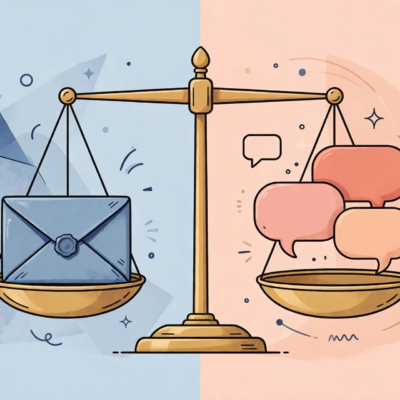
Content marketing and paid advertising both aim to grow a business, but they work in opposite ways. Advertising pays for attention. Content earns it. That difference shapes everything from cost to long-term results.

With paid ads, you rent visibility. You set a budget, your ad appears at the top of search results or in social feeds, and you get clicks while you keep paying. The moment you stop paying, the traffic stops. Ads also interrupt people. Your banner or video appears while someone is trying to do something else, which is why many users have trained themselves to ignore them.
Content marketing, on the other hand, builds an asset you own. A helpful article published today can keep attracting readers from search engines for months or even years, at no additional cost. People come to your content on purpose because they searched for the answer. That makes them far more receptive than someone who was interrupted by an ad.
| Content Marketing | Paid Advertising | |
|---|---|---|
| Cost model | Time and effort up front, keeps paying off | Ongoing spend, results stop when spending stops |
| How attention is gained | Earned through useful content | Bought through bids and budgets |
| Audience mindset | Actively looking for answers | Often interrupted mid-task |
| Trust level | High, built through genuine help | Lower, recognized as a sales pitch |
| Long-term value | Compounds, old content keeps working | Resets every month |
This does not mean ads are useless. Paid advertising is excellent for fast tests and short-term pushes. But for a small brand with a limited budget, content marketing usually delivers better value because every piece you publish keeps working for you long after it goes live.
The Main Content Marketing Formats
Content marketing is not one thing. It is a family of formats, each suited to different audiences and goals. Beginners should understand the main options before picking one to start with.
1. Blog Posts and Articles
Blog posts are the backbone of most content marketing strategies. They are easy to start, cheap to produce, and they work beautifully with search engines. A single well-written article can rank on Google and bring in readers every day for years. How-to guides, listicles, and explainer posts like this one are the most common types. If you want to understand how search traffic actually reaches your articles, read our SEO beginner guide to how it works.
2. Videos
Video is the most consumed format online. Tutorials, product demos, and short explainers on platforms like YouTube can reach people who never read blogs. Video takes more effort to produce than writing, but even simple screen recordings or talking-head clips can work if the information is useful. Many small brands repurpose each blog post into a short video to reach both audiences with one idea.
3. Guides and Ebooks
In-depth guides and downloadable ebooks serve readers who want the full picture on a topic. Because they are more substantial, they make excellent lead magnets. A visitor downloads your free guide in exchange for an email address, which lets you follow up with them later. A 20-page guide on a niche topic can generate leads for a small brand for years.
4. Newsletters and Email Content
Newsletters are content marketing delivered straight to the inbox. Unlike social media, where an algorithm decides who sees your post, email goes directly to subscribers who asked to hear from you. A weekly or monthly newsletter with genuinely useful tips builds one of the most loyal audiences a brand can have. It is also the channel you fully own, which makes it a smart long-term investment.
5. Podcasts and Social Media Posts
Podcasts let busy people learn while commuting or exercising, and they build a personal connection because listeners hear your voice. Short social media posts, threads, and carousels work as snack-sized content that keeps your brand visible day to day and points people toward your longer articles and videos.
Why Content Marketing Works for Small Brands
Large companies can afford big ad budgets. Small brands usually cannot, which is exactly why content marketing is such a good fit for them. Here is what it delivers:
- Trust and authority: every helpful piece positions you as someone who knows the subject. Customers prefer buying from brands they see as experts.
- Compounding returns: ten articles published this year can still bring traffic three years from now. Ads stop the day you stop paying.
- Qualified leads: people who arrive through your content already understand what you offer. They are warmer prospects than cold clicks from an ad.
- Better search visibility: search engines reward sites that publish useful, original content. Consistent publishing is one of the most reliable ways to grow organic traffic.
- Lower marginal cost: after the initial effort, each additional reader costs you nothing.
Content marketing also makes every other marketing effort easier. Your social posts have something worth sharing, your emails have something worth opening, and your sales pages can link to articles that answer common objections.
First Steps for a Small Brand
You do not need a team, a studio, or a big budget to start. Here is a simple path that works for beginners:
1. Define one audience. Write down exactly who you want to reach: their age, their job, their biggest problem related to what you sell. Every piece of content should speak to that person.
2. Pick one format and one channel. Beginners fail by trying to be everywhere. Choose the format you can sustain, such as blog posts, and one channel where your audience already spends time, such as Google search or one social platform.

3. List ten questions your customers ask. These are your first ten content ideas. Answer each one thoroughly. If customers keep asking how much something costs, how long it takes, or how it works, those are article titles waiting to happen.
4. Create a simple publishing schedule. One quality post per week beats five rushed ones. Put publishing days on your calendar and treat them like appointments.
5. Use free tools to speed up. You do not need expensive software to begin. Our roundup of the best free AI tools covers options that can help with research, outlines, and editing, and the best AI writing tools list goes deeper for when you are ready to scale up production.
6. Promote each piece lightly. Share every article or video with your email list and on your social channels. Early on, a little promotion helps each piece find its first readers.
7. Measure and improve. After a month or two, check which topics get the most views and comments. Make more of what works and less of what does not. Content marketing is a feedback loop, not a one-time campaign.
Expect results to be slow at first. Most blogs see little traffic in the first two or three months. That is normal. Search engines take time to trust new content, and your skills improve with every piece you publish. The brands that win at content marketing are the ones that keep publishing while others give up.
For more practical marketing help as you grow, find more marketing guides on the DigitalGeekSpot homepage.
Frequently Asked Questions
How long does content marketing take to work?
Most brands see meaningful results in three to six months of consistent publishing. Search engines need time to discover, index, and rank new content, and your audience needs time to find and trust you. Early progress is often invisible, which is why consistency matters more than speed.
Do I need a big budget to start content marketing?
No. Many successful content strategies start with nothing but time and free tools. A blog, a smartphone camera for video, and free editing or AI tools are enough to begin. Budget helps you scale faster, but it is not a requirement for starting.
What is the difference between content marketing and SEO?
SEO (search engine optimization) is the technical and editorial practice of making content easy to find in search engines. Content marketing is the broader strategy of creating content that attracts an audience. They overlap heavily: great content marketing usually relies on SEO so people can actually discover the content.
How often should a small brand publish content?
One high-quality piece per week is a realistic and effective pace for most small brands. Consistency matters more than volume. Publishing one useful article every week for a year will outperform publishing twenty rushed posts in a month and then going silent.
Is content marketing better than paid ads?
Neither is universally better. Paid ads deliver fast, short-term results and stop when you stop paying. Content marketing is slower but builds lasting assets that keep attracting customers. Most healthy businesses eventually use both, but small brands with limited budgets usually get more long-term value from content.
Can AI tools help with content marketing?
Yes. AI tools can help with topic research, outlines, first drafts, and editing, which makes consistent publishing much easier for small teams. The key is to review and improve AI-assisted drafts so the final content is accurate, original, and genuinely helpful to your readers.