


One of the first decisions every air traveler faces is the carry on vs checked baggage debate. Should you squeeze everything into a bag that stays with you, or hand your suitcase to the airline and travel light through the airport? There is no single right answer. The best choice depends on your trip length, your airline’s fees, and how much you value convenience over capacity. This guide breaks down the real pros and cons of each option so you can decide with confidence before your next flight.
What Counts as Carry-On vs Checked Baggage?
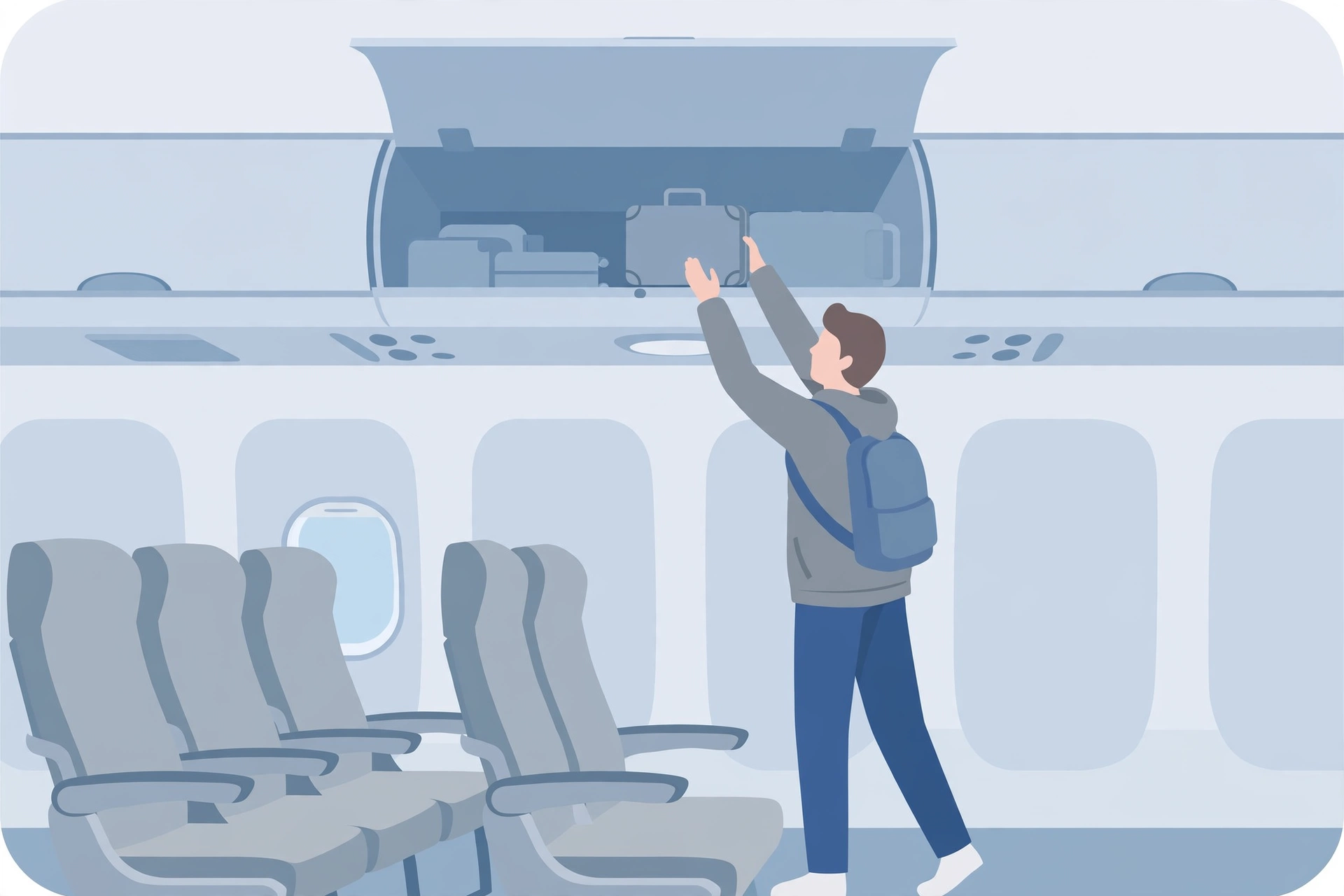
Let us start with definitions, because airline terminology confuses a lot of travelers. Carry-on baggage is the bag you bring into the cabin with you. It must fit in the overhead bin or under the seat in front of you, and airlines publish maximum dimensions, typically around 22 x 14 x 9 inches for major carriers. Most airlines also allow one smaller personal item, like a backpack or purse, in addition to the carry-on.
Checked baggage is luggage you hand over at the check-in counter. It travels in the aircraft’s cargo hold, and you collect it at baggage claim after landing. Checked bags can be much larger and heavier, commonly up to 50 pounds on domestic flights, but they come with fees on most economy fares and a small but real risk of delay or loss.
Carry-On Baggage: The Pros
No baggage fees. On most airlines, one carry-on bag is included in your ticket price, even on basic economy fares. Checked bags, by contrast, often cost extra each way. On a round trip, checking a bag can easily add a significant amount to your travel costs.
No waiting at baggage claim. When your flight lands, you walk straight out of the airport. This saves anywhere from fifteen minutes to over an hour depending on the airport, and it makes tight connections far less stressful.
Your bag cannot get lost. Airlines mishandle a small fraction of checked bags, but that fraction represents millions of suitcases a year. When your bag stays with you, the risk drops to zero. For trips where you need your belongings on arrival, like a wedding or a business meeting, that peace of mind matters.
Faster airport experience overall. Carry-on travelers can often skip the check-in counter entirely, head straight to security with a mobile boarding pass, and move through the airport with total freedom.
Carry-On Baggage: The Cons
Limited space. A week’s worth of belongings is doable in a carry-on, as our guide to packing light for a week shows, but longer trips or bulky items like winter coats make it harder. You have to pack strategically.
Liquid restrictions. Carry-on toiletries must follow the 3-1-1 rule: containers of 3.4 ounces or less in one quart-size bag. Full-size products are not allowed, which means decanting or buying travel sizes.
You haul it yourself. Overhead bins, narrow aisles, crowded terminals: you carry your bag the entire way. For travelers with mobility issues or heavy gear, this is a genuine drawback.
Overhead bin space is not guaranteed. On full flights, late boarders may be forced to gate-check their carry-on anyway, which defeats much of the purpose.
Checked Baggage: The Pros
Pack whatever you want. A checked bag gives you room for full-size toiletries, extra shoes, bulky jackets, and souvenirs on the way home. If you hate packing constraints, checked luggage feels liberating.
Hands-free airport time. After dropping your bag at check-in, you walk through the terminal unencumbered. Shopping, dining, and navigating connections are all easier without luggage in tow.
No liquid limits. Full-size shampoo, sunscreen, and other products can go in checked bags without restriction. This alone convinces many travelers to check a bag.
Better for special items. Sports equipment, large gifts, and anything oversized simply does not fit in a carry-on. Checked baggage is the only option for these.
Checked Baggage: The Cons
Fees add up. Most airlines charge for checked bags on economy fares, and the price is higher if you pay at the airport instead of online in advance. On budget airlines, checked bag fees can rival the cost of the ticket itself.
Waiting and risk. Baggage claim adds time after every flight, and delayed or lost luggage, while uncommon, can derail the start of a trip. Packing essentials in your personal item is the standard hedge against this.
Weight limits and overage charges. Exceed the weight limit and you will pay steep overage fees. A portable luggage scale is a wise investment if you check bags regularly.
Less flexibility. Rebooking onto an earlier flight is harder with checked luggage, and tight connections become riskier when your bag has to make the transfer too.
Cost Comparison: The Real Math
Let us make the cost difference concrete. Imagine a round-trip flight where checked bags cost extra each way. Checking one bag both ways adds two fees to your trip. Do that a few times a year and you have spent enough to buy a quality carry-on suitcase outright. Budget airlines tend to charge the most for checked bags, which is why carry-on-only travel pairs so naturally with cheap fares.
On the other hand, if your fare already includes a checked bag, as many international and premium fares do, the cost argument disappears. Then the decision comes down purely to convenience versus capacity.
Which Trips Suit Each Option?
Go carry-on only for: weekend trips, business travel, city breaks, budget airline flights, trips with tight connections, and any journey where you need your belongings guaranteed on arrival.
Check a bag for: trips longer than ten days, cold-weather travel with bulky clothing, family travel with kids’ gear, trips where you plan major shopping, and any itinerary involving sports equipment or oversized items.
Consider the hybrid approach: many experienced travelers check a bag on the outbound flight and go carry-on only on the return, or vice versa. There is no rule saying both directions must match.
If you carry vaping devices, note that the rules differ by bag type, so review vape rules for planes and whether you can bring a vape on a plane before deciding where to pack them.

Tips for Whichever You Choose
If you go carry-on: learn the 5-4-3-2-1 packing method, wear your bulkiest items, and use packing cubes. Board early when possible to secure overhead bin space, or choose a bag that fits under the seat as a backup.
If you check a bag: always keep valuables, medications, chargers, and one change of clothes in your personal item. Take a photo of your bag before check-in, remove old airline tags, and make sure your contact details are on both the outside tag and inside the bag.
Either way, weigh your bag at home. A five-dollar luggage scale prevents nasty surprises at the counter and works for both carry-on and checked limits.
For more trip-planning help, explore the travel guides on the DigitalGeekSpot homepage.
A Quick Decision Framework
Still torn? Run through these three questions. First, how long is your trip? Under five days favors carry-on; over ten days usually needs checked luggage unless you plan on doing laundry. Second, what is your airline’s fee structure? On carriers with steep bag fees, carry-on only saves a meaningful amount on every round trip. Third, how complex is your itinerary? Multiple connections and tight layovers reward traveling light, while a direct flight to one hotel makes a checked bag painless.
Many frequent travelers use a hybrid rule: carry-on by default, checked bag only when the trip genuinely demands it. Try carry-on only on your next short trip. You might be surprised how little you miss the extra space, and our packing light guide shows how to fit a full week into a single bag.
Frequently Asked Questions
Is it cheaper to do carry-on only?
Almost always, yes. Most airlines include a carry-on bag in the ticket price while charging extra for checked bags on economy fares. On a round trip, the savings from skipping checked bag fees on both legs are significant, especially on budget airlines.
Can a carry-on be gate-checked for free?
Yes, and it happens often on full flights. When overhead bins fill up, airlines ask for volunteers or require later boarding groups to gate-check their carry-ons at no charge. Your bag is tagged at the gate and you usually collect it at the jet bridge or baggage claim on arrival.
What happens if my checked bag is overweight?
You will pay an overweight fee at check-in, which is typically much higher than the standard checked bag fee. Weigh your bag at home with a luggage scale and shift heavy items to your carry-on or personal item if you are close to the limit.
Do airlines lose checked bags often?
Permanent loss is rare, but temporary delays affect a small percentage of checked bags, usually on trips with tight connections. The standard advice is to pack medications, valuables, and a change of clothes in your carry-on or personal item so a delayed bag is an inconvenience, not a crisis.
Can I bring a carry-on and a personal item?
On most airlines, yes. The typical allowance is one carry-on bag for the overhead bin plus one smaller personal item that fits under the seat. Budget airlines sometimes restrict this on the cheapest fares, so always check your specific ticket’s baggage allowance before you pack.




2 Comments