

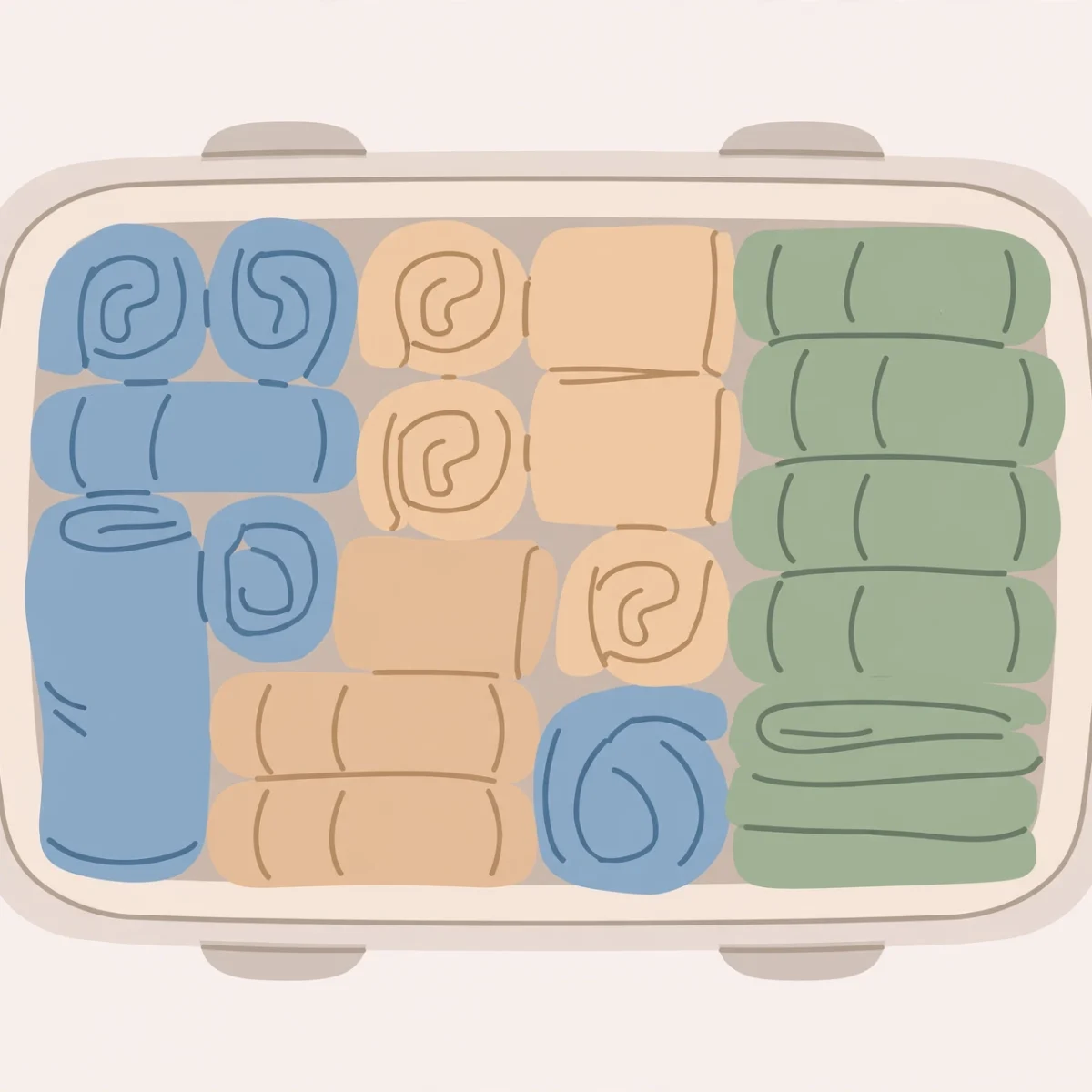
Learning how to pack light for a week is one of the most useful travel skills you can build. A lighter bag means no checked-baggage fees, no waiting at the carousel, and no dragging a heavy suitcase up hotel stairs. Whether you are flying across the country or hopping between cities, packing light gives you freedom and flexibility from the moment you leave home. The good news is that packing light is a system, not a talent. Anyone can learn it with the right method, and this guide walks you through the exact approach frequent travelers use: the 5-4-3-2-1 method, a carry-on-only setup, and simple outfit formulas that make seven days of clothes fit in one small bag.
Why Packing Light Changes Your Trip
Heavy luggage quietly shapes your whole trip. You move slower, you worry about weight limits, and you pay extra fees that add up fast. Budget airlines are strict about baggage allowances, and even full-service carriers charge for checked bags on many fares. When you pack light, you skip all of that. You walk straight past baggage claim, you can take stairs and public transport without struggling, and changing plans becomes easy. Missed a connection? You already have everything with you. Found a cheaper flight with a tight layover? No problem, because nothing is sitting in a cargo hold.
There is also a mental benefit. A small, organized bag means you always know where everything is. You spend less time repacking in hotel rooms and more time actually enjoying your trip. Many travelers who switch to packing light say they never go back, because the convenience compounds on every single trip after the first.
The 5-4-3-2-1 Packing Method Explained
The 5-4-3-2-1 method is a simple counting formula that tells you exactly how much clothing to bring for a week-long trip. Here is how it breaks down:
- 5 tops: T-shirts, blouses, or casual shirts. Choose fabrics that resist wrinkles and can be layered.
- 4 bottoms: Pants, shorts, or skirts. Pick neutral colors that match every top you packed.
- 3 pairs of shoes: One comfortable walking pair, one dressier option, and one casual or athletic pair. Wear the bulkiest on the plane.
- 2 layers: A light jacket or sweater and one warmer layer, depending on the destination.
- 1 hat: A cap or sun hat for outdoor days. This one is optional if hats are not your thing.
Add underwear and socks for each day, or plan to do laundry once mid-trip, and you are covered for seven days. The real power of the method is that it forces decisions. Instead of staring at your closet wondering what to bring, you have a clear number for each category. If you want to bring a sixth top, something else has to stay home.
The method also works because the numbers are maximums, not minimums. Traveling somewhere warm? You might only need three bottoms and one layer. The formula gives you a ceiling so you stop packing “just in case” outfits that never leave the bag.
Choose the Right Bag First
Before you pack a single sock, make sure your bag fits the plan. For a week of light packing, a carry-on suitcase or a large travel backpack in the 35 to 45 liter range is the sweet spot. Anything bigger invites overpacking. Check your airline’s carry-on size limits before you buy, because budget carriers often allow smaller dimensions than major airlines.
Soft-sided bags have a small advantage: they flex into overhead bins and under-seat spaces more easily than hard-shell cases. If you prefer a backpack, look for one with a clamshell opening (it zips open like a suitcase) rather than a top-loading design, since it makes packing and finding things much easier.
If you vape, remember that devices and e-liquids have their own packing rules, so check the rules for vapes on planes before you toss one into your carry-on.
A Step-by-Step Carry-On-Only Packing System
Here is the exact order to pack your bag so everything fits and stays organized:
Step 1: Lay out everything first. Put every item you plan to bring on your bed. Then remove at least three things. You will not miss them, and this single step prevents most overpacking.
Step 2: Roll, do not fold. Rolling clothes tightly saves space and reduces wrinkles compared to flat folding. Heavier items like jeans go on the bottom, lighter items on top.
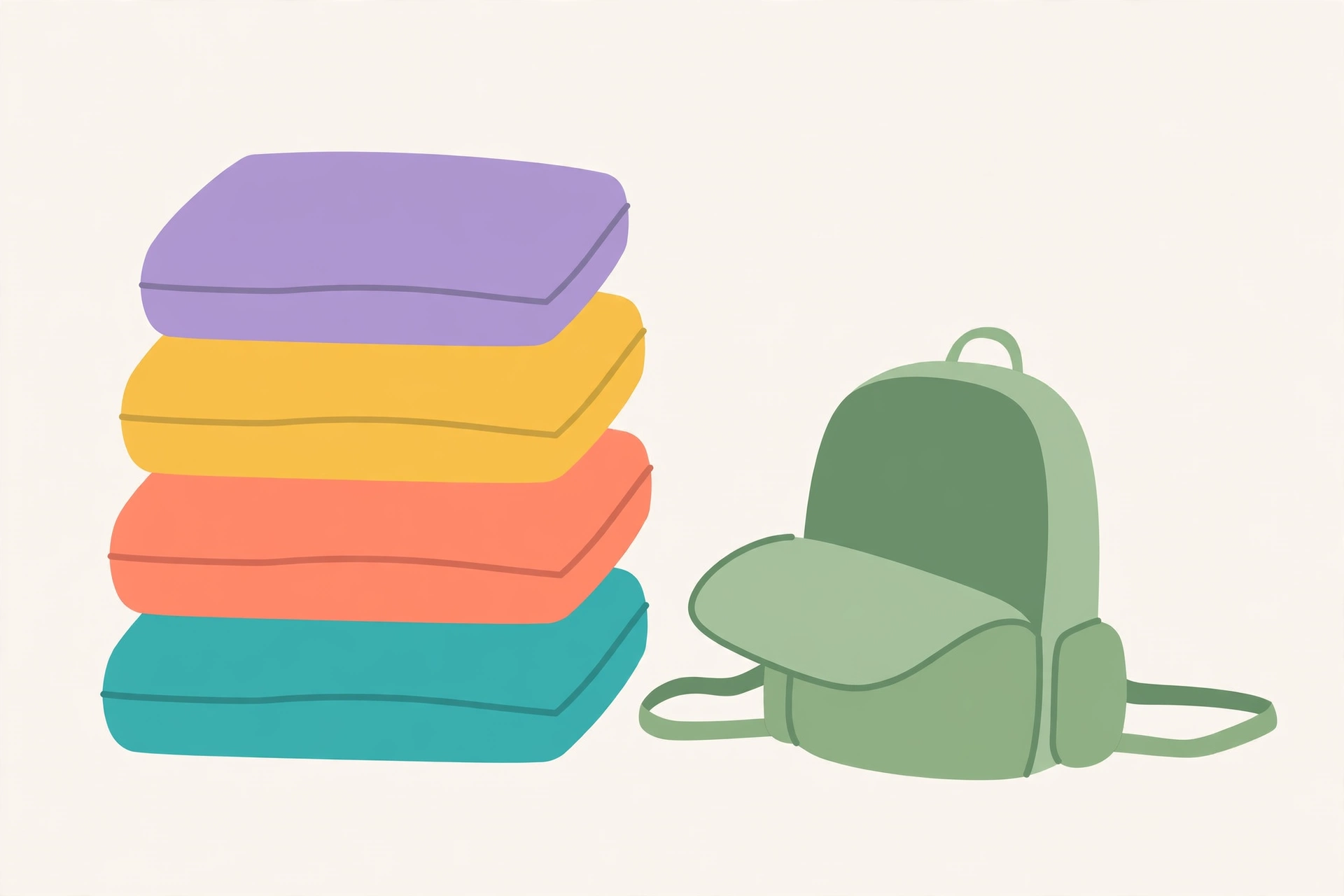
Step 3: Use packing cubes. Cubes compress your clothes and keep categories separated: one for tops, one for bottoms, one for underwear. When you arrive, you can lift a cube straight into a hotel drawer without unpacking piece by piece.
Step 4: Wear your bulkiest items. Your heaviest shoes, jacket, and jeans should be on your body at the airport, not in your bag. This trick alone can free up a surprising amount of space.
Step 5: Fill the gaps. Socks and underwear fit inside shoes. Small items like chargers tuck into corners. Every dead space in the bag is an opportunity.
Step 6: Keep essentials accessible. Documents, phone charger, medications, and a change of underwear go in an outer pocket or at the very top. If your bag is gate-checked unexpectedly, you still have what matters most.
The Mix-and-Match Wardrobe Formula
Packing light only works if every piece of clothing works with every other piece. The formula is simple: pick a color palette of two neutrals plus one accent color. Black, navy, gray, and white are classic neutrals. Then every top matches every bottom, which multiplies your outfit options without multiplying your clothes.
For example, five tops and four bottoms in matching neutrals can create up to twenty combinations, far more than you need for a week. Layers add variety: the same base outfit looks completely different with a jacket versus a cardigan. When you are deciding between similar items, such as which warm layer to bring, a quick sweatshirt vs hoodie comparison can help you pick the more versatile option for travel.
Avoid packing anything you have not worn in the last month. Travel is not the time to test-drive new clothes. Bring proven favorites that fit well and feel comfortable after a full day of walking.
Toiletries and Liquids Without the Bulk
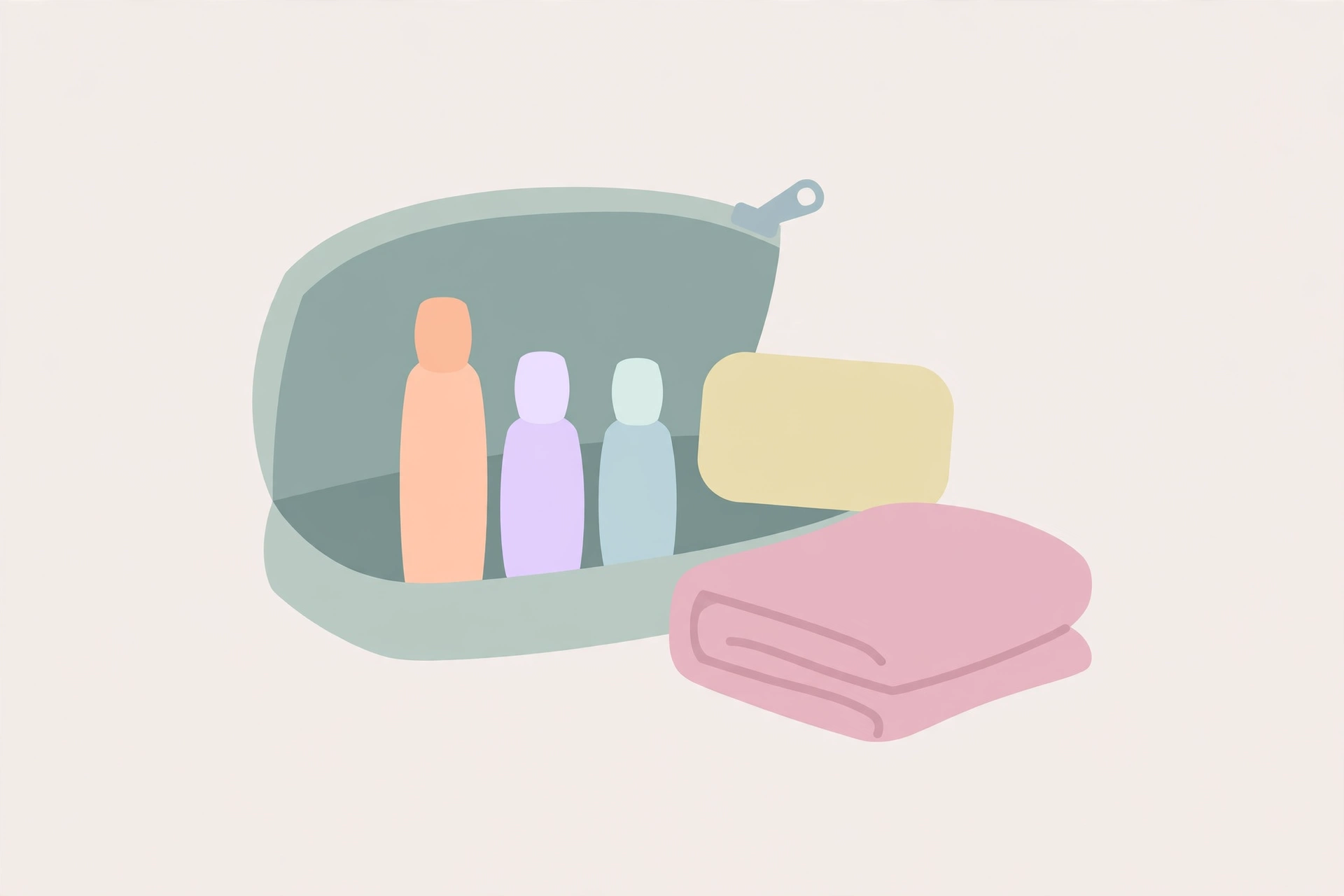
Toiletries are where bags get heavy fast. Full-size bottles are the enemy of light packing. Transfer what you need into small travel containers, and remember the standard rule for carry-on liquids: containers of 3.4 ounces (100 ml) or less, all fitting in one quart-size clear bag.
Better yet, replace liquids with solids where you can. Bar shampoo, bar conditioner, and bar soap last for weeks, weigh less, and do not count toward your liquids bag at all. A solid deodorant, a small toothpaste, and a travel toothbrush cover the rest. Most hotels provide the basics anyway, so you rarely need to bring a full routine.
Keep medications in their original labeled containers in your personal item or an accessible pocket, never buried at the bottom of your bag. The same goes for contact lens supplies and anything you might need mid-flight.
What to Wear on the Plane
Your travel-day outfit is part of your packing strategy. Wear your bulkiest shoes, your heaviest pants, and your warmest layer onto the plane. Layers are ideal for flights because cabin temperatures swing wildly: a T-shirt under a sweater under a jacket lets you adjust without digging through your bag.
Choose comfortable, breathable fabrics and shoes you can slip off easily at security. Avoid anything with lots of metal if you want a smooth trip through the scanner. A scarf or shawl doubles as a blanket on cold flights and as a layering piece at your destination, making it one of the highest-value items you can wear.
Tech and Documents: The Non-Clothing Essentials
Clothes are only half the packing equation. Keep this short checklist for the rest:
- Phone, charger, and a compact power bank
- Universal travel adapter if going abroad
- Headphones (noise-canceling if you have them)
- Passport or ID, boarding passes, and hotel confirmations (digital copies backed up in email or cloud storage)
- A small first-aid kit: pain reliever, bandages, and any prescriptions
- Reusable water bottle (empty through security, fill after)
A packing list on your phone that you reuse for every trip saves time and prevents forgotten items. After each trip, note what you did not use and remove it from the list next time. Within a few trips, your list becomes perfectly tuned to how you actually travel.
Common Packing Mistakes to Avoid
Packing for your fears, not your trip. “What if it snows in Barcelona?” is how bags get overstuffed. Check the actual forecast a day or two before departure and pack for that, not for every scenario you can imagine.
Bringing full-size anything. Full-size shampoo, full-size sunscreen, full-size anything belongs at home. Buy it at your destination if you truly need more.
Too many shoes. Shoes are the bulkiest items most people pack. Three pairs is the ceiling for a week, and two is often enough: one comfortable walking pair and one nicer pair.
Forgetting laundry options. Many travelers pack seven days of underwear when a mid-trip laundry stop would cut that in half. A hotel sink wash or a local laundromat takes an hour and saves serious space.
For even more trip-planning ideas, browse the travel guides on the DigitalGeekSpot homepage.
Frequently Asked Questions
Can you really fit a week of clothes in a carry-on?
Yes. Using the 5-4-3-2-1 method with rolled clothes and packing cubes, a week’s wardrobe fits comfortably in a 35 to 45 liter carry-on. The key is a coordinated color palette so fewer pieces create more outfits, plus wearing your bulkiest items on travel days.
How many outfits do I need for a 7-day trip?
Plan for five to seven outfits, not seven unique ones. With mix-and-match pieces, five tops and four bottoms create far more combinations than you need. Repeating bottoms with different tops is completely normal and nobody notices.
Should I do laundry on a week-long trip?
One mid-trip laundry stop lets you pack roughly half the underwear and socks, which saves noticeable space. Even a quick sink wash of basics halfway through the week makes a real difference. It is worth it if your accommodation has laundry facilities or there is a laundromat nearby.
What is the hardest thing to pack light?
Shoes, by far. They are bulky, heavy, and oddly shaped. Limit yourself to three pairs maximum, wear the biggest pair on the plane, and stuff socks inside the packed pairs to use the empty space.
How do I pack light for cold weather?
Cold-weather light packing relies on layers rather than bulky items: a thermal base layer, a mid-layer fleece, and a packable down jacket compress far smaller than one heavy coat. Wear the heaviest pieces on travel days and choose one versatile outer layer instead of two.

1 Comment