

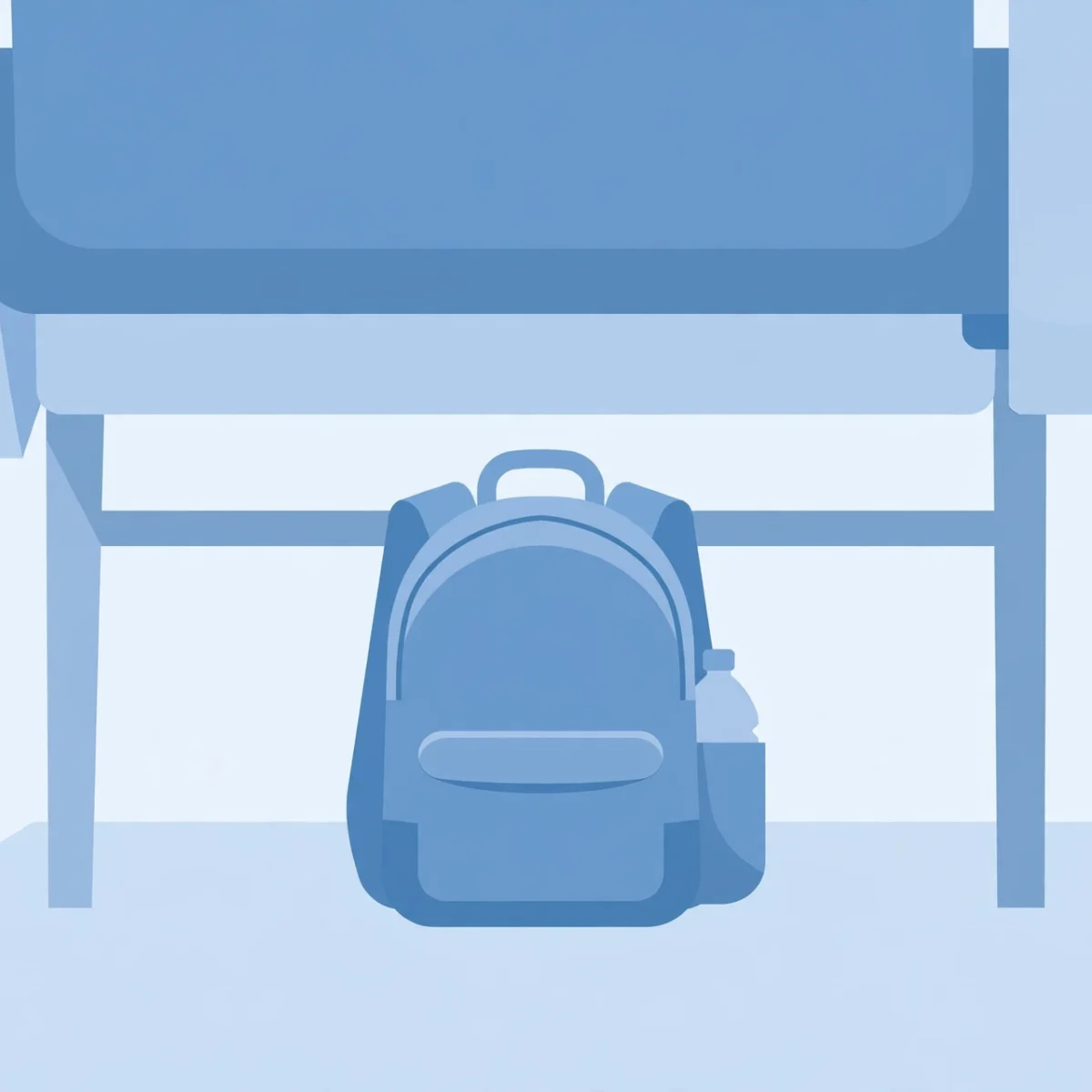
Imagine skipping baggage fees, security lines for oversized bags, and the wait at the carousel entirely. Learning how to travel with only a personal item means fitting everything into a single bag that slides under the airplane seat in front of you. It sounds extreme, but for short trips it is liberating, and this guide shows you exactly what bag to use, what to pack, and the techniques that make it possible.
What Counts as a Personal Item?
A personal item is the smaller bag airlines allow in addition to (or instead of) a carry-on: typically a backpack, tote, or small duffel that fits under the seat. Size limits vary by airline but are commonly around 18 x 14 x 8 inches. Budget airlines are the strictest, and some basic economy fares allow only a personal item, which is exactly why this skill saves real money.
Always check your specific airline’s personal item dimensions before you fly. A bag that fits one airline’s sizer may not fit another’s, and gate agents on budget carriers do check.
Choose the Right Personal Item Bag
Your bag is the foundation. Look for:
- Maximum dimensions for your airline, with a soft structure that can squeeze into a sizer
- A clamshell or wide opening so you can pack and access contents like a suitcase
- Comfortable straps, since you will carry it through airports
- Smart organization: a laptop sleeve, quick-access pockets, and a luggage strap are bonuses
- Light weight when empty, because every ounce counts at this size
A 20 to 25 liter backpack is the sweet spot for most travelers and most airlines. For more on bag strategy, see our carry-on vs checked baggage comparison.
The Personal Item Packing List
For a 2 to 4 day trip, pack:
- Clothing: 2 to 3 tops, 1 to 2 bottoms, underwear for each day, 1 set of sleepwear, and 1 versatile layer. Wear your bulkiest items (jacket, heaviest shoes) on the plane.
- Toiletries: Travel sizes only, following the 3-1-1 liquids rule. Solid shampoo and conditioner bars save space and skip the liquids bag.
- Tech: Phone, charger, compact power bank, earbuds, and a universal adapter for international trips.
- Documents: ID, boarding passes, confirmations, and cards in an accessible pocket.
- Medications: Any prescriptions plus a small pain reliever, in original containers.
- Comfort: Neck pillow (wear it or clip it outside the bag), eye mask, earplugs, reusable water bottle (empty through security), and snacks.
Our carry-on checklist covers the same categories in more detail, and the packing light guide explains the mix-and-match wardrobe system that makes tiny bags work.
Packing Techniques That Create Space
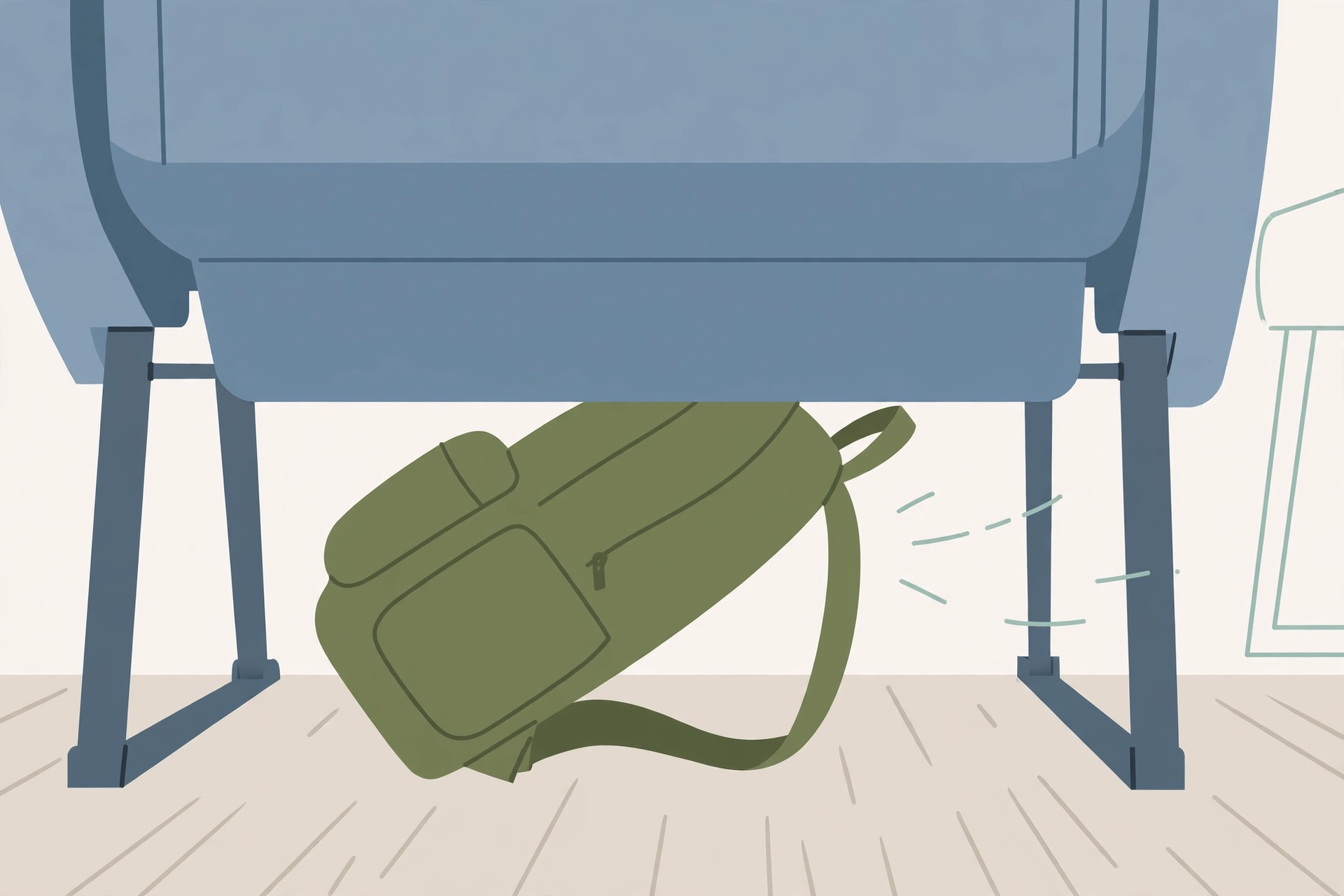
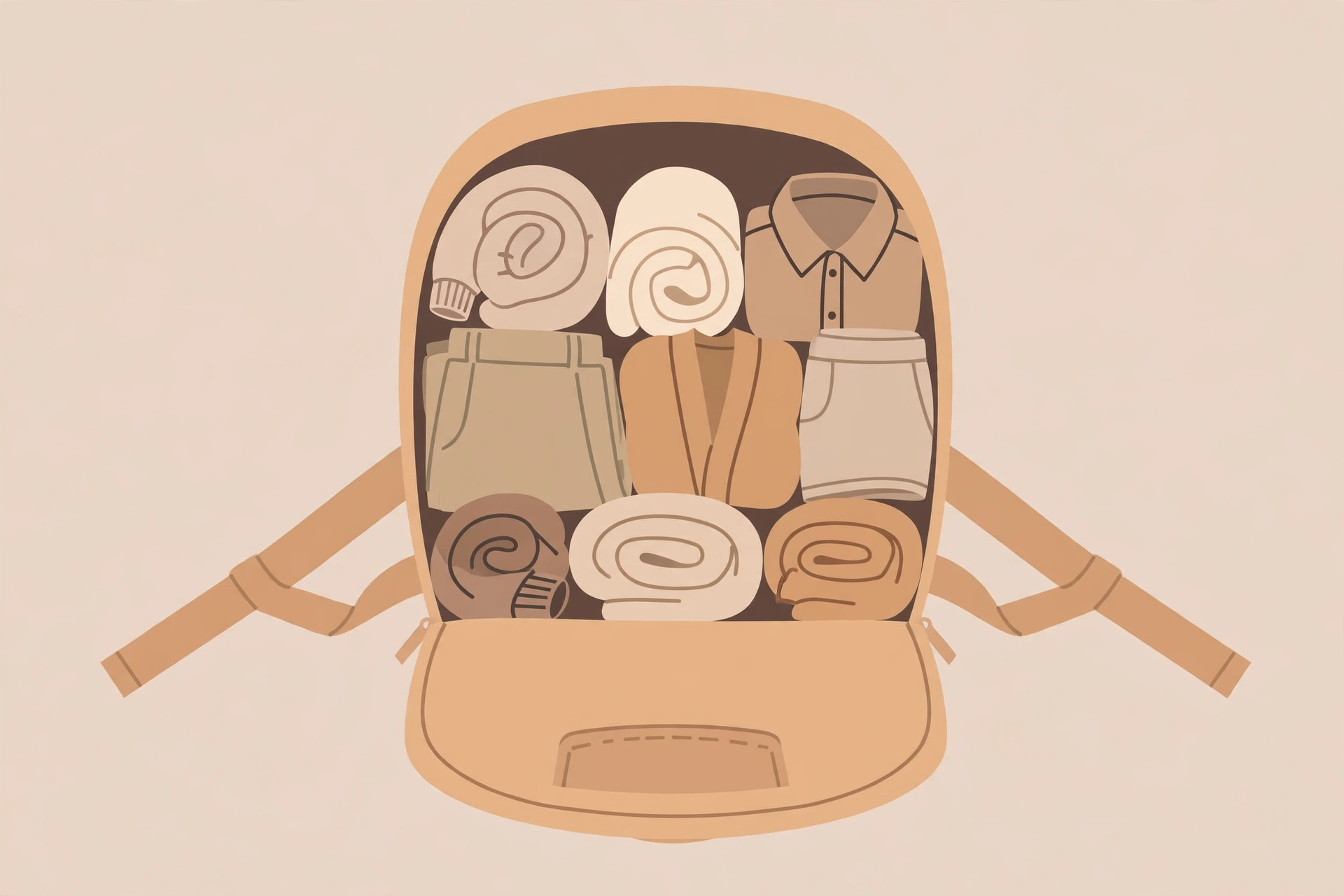
Roll, do not fold. Rolling clothes compresses them and reduces wrinkles. Use every gap. Stuff socks and underwear inside shoes. Wear your bulkiest layers. The jacket and boots you wear do not count against bag space. Choose a capsule wardrobe. Every top should match every bottom, in a neutral palette with one accent color.
Go digital. Books, guides, and entertainment live on your phone. Buy consumables there. Sunscreen, extra snacks, and full-size toiletries can be purchased at your destination instead of packed.
What to Leave Behind
Personal item travel is as much about what you skip:
- “Just in case” outfits: if you have not worn it in the last month, you will not wear it on a 3-day trip
- Full-size toiletries and duplicate products
- Multiple shoes: wear one versatile pair, pack flat sandals only if truly needed
- Heavy books, large cameras you will not use, and gadgets with overlapping functions
- Bulky towels: most accommodation provides them
Laundry: The Secret to Longer Trips
Want to stretch a personal item to a week? Do laundry once mid-trip. Hand-wash quick-dry fabrics in a hotel sink, use a laundromat, or choose accommodation with laundry facilities. Merino wool and synthetic travel fabrics wash easily and dry overnight. One mid-trip wash effectively doubles your wardrobe.
When Personal Item Only Does Not Work
Be realistic. Personal item travel struggles with: winter trips requiring bulky coats and boots, formal events needing suits or gowns, trips with specialized gear (skiing, scuba, photography expeditions), and journeys longer than a week without laundry access. In those cases, step up to a full carry-on using our week-long packing guide.
For trip ideas and more packing strategy, browse the travel guides on the DigitalGeekSpot homepage.
Personal Item Packing for Different Trip Types
City weekend. The classic personal-item trip: versatile casual clothes, comfortable walking shoes worn on the plane, and a crossbody bag that doubles as your daily carrier. Laundry is irrelevant for two days, so pack and go.
Beach getaway. Swimwear, cover-ups, and sandals pack tiny. Sunscreen is the bulky item, so buy it at your destination. A microfiber towel weighs almost nothing if your accommodation does not provide one.
Business trip. The hardest case: one wrinkle-resistant outfit worn on the plane, one packed, plus a compact toiletry kit. A laptop fits in most personal-item backpacks alongside two days of clothes if you pack ruthlessly. For longer business travel, this strategy usually breaks down, and that is fine.
Visiting family. The easiest case, because forgotten items do not matter: borrow, buy, or do laundry at your destination. Family trips are ideal for practicing ultralight packing with zero risk.
The Personal Item Mindset
Traveling this light is a skill that compounds. Each trip teaches you what you actually used versus what you carried “just in case,” and the packing list shrinks accordingly. Many personal-item travelers keep a permanent packing list on their phone, refined over trips, that makes packing a fifteen-minute job.
The deeper payoff is how it changes the trip itself. No checked bag means no baggage carousel, no lost luggage anxiety, and total mobility: change plans, catch an earlier flight, or hop on a train without a second thought. You move through the travel day like a local commuter rather than a loaded expedition. Once you have flown with everything under the seat in front of you, going back to heavy luggage feels like a choice, not a necessity.
A final tip: do a trial pack a week before your trip, then remove three items. Almost every personal-item traveler overpacks the first attempt and finds the removals painless in hindsight. The trial run also reveals whether your bag truly fits your airline’s sizer, which is far better to learn at home than at the gate.
Frequently Asked Questions
What size bag counts as a personal item?
It varies by airline, but a common limit is around 18 x 14 x 8 inches, sized to fit under the seat in front of you. Budget airlines tend to be stricter. Always check your airline’s published personal item dimensions before you fly, since gate agents do enforce them.
Can you travel for a week with only a personal item?
Yes, with a capsule wardrobe and one mid-trip laundry session. Pack 3 to 4 days of versatile mix-and-match clothing in quick-dry fabrics, wash halfway through, and wear your bulkiest items on the plane. It takes discipline but is absolutely doable.
Do budget airlines really enforce personal item sizes?
Yes, budget carriers are the most likely to check, sometimes with bag sizers at the gate and fees for oversized bags. Measure your packed bag against your airline’s stated limits, and choose a soft-structured bag that can compress into a sizer if needed.
What should I wear on the plane to save space?
Your bulkiest items: heaviest shoes or boots, jeans or heavy pants, and your jacket or coat. Layering a sweater over your travel outfit also works. Everything you wear is space you do not need in the bag.
How do I fit toiletries in a personal item?
Go travel-size and follow the 3-1-1 liquids rule: containers of 3.4 ounces or less in one quart-size clear bag. Solid shampoo, conditioner, and soap bars skip the liquids bag entirely and save significant space. Buy anything bulky at your destination.
Can I bring a personal item and a purse?
Policies vary. Most airlines allow one personal item, and a small purse usually counts as that item. Some travelers pack a tiny crossbody inside the main bag until boarding. When in doubt, consolidate into a single bag to avoid gate disputes.
What is the best backpack size for a personal item?
Around 20 to 25 liters suits most airlines’ under-seat dimensions. Measure your packed bag against your airline’s stated limits rather than trusting the manufacturer’s “personal item” label, since dimensions vary by carrier. Soft-structured bags that compress slightly are the most forgiving.
How do I pack shoes in a personal item?
Wear your bulkiest pair and pack only flat, foldable options. Stuff socks inside packed shoes to use the empty space, and place shoes in a bag to protect clothes. One pair on your feet plus one flat pair packed is the practical maximum.


2 Comments