Dropshipping remains one of the lowest-barrier ways to start an online business in 2026. No inventory, no warehouse, no packing boxes at midnight: you list products in your store, a supplier ships them directly to your customers, and you keep the margin. But the era of slapping random AliExpress gadgets on a barebones store and getting rich is long over. Winning in 2026 takes niche focus, reliable suppliers, and real marketing.
How do you start a dropshipping business in 2026? To start a dropshipping business in 2026, choose a focused niche with proven demand, find a reliable supplier with fast shipping, build a professional store on Shopify or WooCommerce, price products at 2-3x supplier cost for 20-40% margins, set up secure payments, and drive traffic with short-form video and targeted ads. Expect startup costs of a few hundred dollars for the store, domain, samples, and initial ad testing. Most beginners take 1-3 months to get their first consistent sales, and success depends far more on product selection and marketing than on the platform you choose. Note: this is general business information, not professional financial or legal advice.
Key Takeaways
- Model: you sell products you never stock; suppliers handle inventory and shipping.
- Best niches 2026: pet accessories, home office gear, fitness and wellness, eco-friendly goods, baby and kids products.
- Suppliers: AliExpress for range, CJDropshipping for speed, Spocket for US/EU suppliers, Zendrop for branding.
- Pricing: 2-3x markup over supplier cost; target 20-40% gross margins after ads and fees.
- Platform: Shopify for beginners, WooCommerce for budget and control.
- Marketing: short-form video (TikTok, Reels) plus Meta ads is the dominant 2026 playbook.
Dropshipping Startup at a Glance
| Element | Typical Choice | Typical Cost |
|---|---|---|
| Store platform | Shopify / WooCommerce | $29+/mo or nearly free |
| Domain name | .com via registrar | ~$10-15/year |
| Product samples | Order from supplier | $50-150 |
| Initial ad testing | TikTok / Meta ads | $200-500 |
| Apps and tools | DSers, email app | $0-50/mo |
| Total to launch | Lean start | Roughly $300-700 |
What Is Dropshipping and How Does It Work?
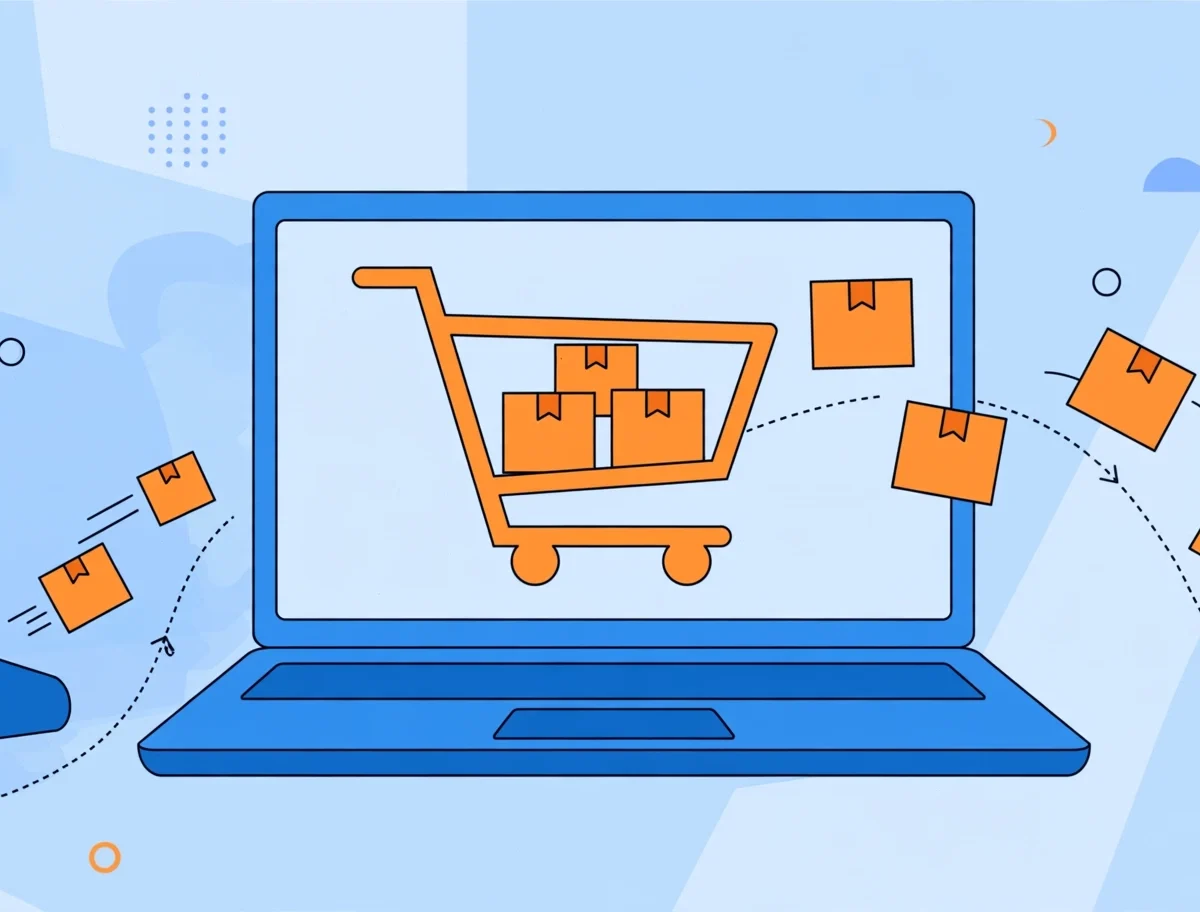
Dropshipping is an ecommerce fulfillment model where you sell products without holding inventory; when a customer orders, your supplier ships the product directly to them. You never touch the product. Your job is the storefront, the marketing, and the customer experience.
The flow: (1) A customer buys a $40 dog grooming brush from your store. (2) You forward the order to your supplier, who charges you $12. (3) The supplier ships it directly to the customer. (4) You keep the difference minus ad spend and fees. You make money on the margin between supplier cost and retail price. It is a legal, widely used model, but margins are thin and competition is fierce, which is why niche selection and supplier reliability decide everything. DigitalGeekSpot covers online business models regularly, and dropshipping’s 2026 landscape rewards specialization over scale.
How Do You Choose a Profitable Dropshipping Niche?
Choose a niche with passionate buyers, proven demand, and products you can mark up 2-3x. The best 2026 niches include pet accessories (passionate, repeat buyers), home office and productivity tools, fitness and wellness gear, eco-friendly products, and baby and kids items.
Validate before committing: check Google Trends for stable or rising interest, browse TikTok and Instagram for products getting organic traction, scan Amazon Best Sellers for category demand, and look for items that solve a real problem, have visual “wow” factor, cost roughly $10-40 from suppliers, and are lightweight to ship. Avoid ultra-saturated gadgets everyone has seen, fragile items that break in transit, and trademarked or regulated products. A focused niche store (e.g., ergonomic desk accessories) converts far better than a general store selling everything.
Where Do You Find Reliable Dropshipping Suppliers?
The main supplier platforms are AliExpress, CJDropshipping, Spocket, and Zendrop, each with different strengths. AliExpress offers the biggest product range and is beginner-friendly, but shipping can be slow. CJDropshipping provides faster shipping, quality control, and print-on-demand options. Spocket connects you with US and EU suppliers for 2-5 day delivery, which dramatically improves customer satisfaction. Zendrop is a premium option with branded packaging and automation.
Always order samples before listing anything: verify quality, measure actual shipping times, and experience the unboxing your customers will get. Check supplier reviews, response times, return policies, and tracking quality. One unreliable supplier generating refund requests and bad reviews will kill a store faster than any ad problem. Build relationships with 2-3 backup suppliers for your winning products.
Should You Use Shopify or WooCommerce for Dropshipping?
Shopify is the best choice for beginners; WooCommerce is best for budget-conscious sellers who want control. Shopify’s hosted platform, app ecosystem (DSers for supplier integration, Klaviyo for email), and beginner-friendly setup get you selling fastest, starting around $29/month. WooCommerce is free as a WordPress plugin but requires hosting, more setup, and more maintenance.
Store essentials regardless of platform: a clean mobile-optimized theme (most traffic is mobile), benefit-focused product descriptions, high-quality images, trust pages (About, Contact, Shipping Policy, Returns, FAQ), trust badges at checkout, and a simple one-product or niche-focused layout for beginners. People buy clarity, not design: a fast, trustworthy-looking store beats a flashy confusing one every time.
How Should You Price Dropshipping Products?
Price at 2-3x your supplier cost, targeting 20-40% gross margins after all expenses. The formula: product cost + shipping + ad cost per sale + platform and payment fees + your profit = retail price.
Example: a product costing $12 with $4 shipping, $10 in ad spend per sale, and $2 in fees needs to sell around $35-40 to leave a healthy margin. Never compete on the lowest price; compete on presentation, bundling, and perceived value. Bundles, quantity upsells, and post-purchase offers raise average order value, which is often the difference between a losing and winning store. Test pricing in small increments and watch conversion rate and profit per session, not just revenue.
How Do You Market a Dropshipping Store in 2026?
Short-form video plus targeted ads is the dominant playbook: organic TikTok and Instagram Reels to find winners, then Meta and TikTok ads to scale them. Without marketing, even great products sit unsold.
The beginner sequence: (1) Post organic short videos showing the problem, the product solving it, and the result, with a clear call to action. (2) Identify videos with traction and turn them into paid ads with small daily budgets. (3) Scale only proven winners; kill losers fast. (4) Add influencer seeding: send free products to micro-influencers in your niche for authentic content. (5) Build email and SMS flows (abandoned cart, welcome series) to recover otherwise-lost revenue. A realistic test budget is $200-500 to validate a product; most products fail, and that is normal. The skill is failing cheap and scaling fast when something hits.
Is Dropshipping Legal, and Do You Need a Business License?
Dropshipping is legal, but you must operate it as a real business. Requirements vary by location, but commonly include registering a business entity, collecting and remitting sales tax where you have nexus, and complying with consumer protection rules on shipping times, refunds, and advertising claims.
Practical steps: register your business (many US sellers start with an LLC; see our guide to the best LLC formation services for small business), get any required seller permits, set up proper tax collection in your store platform, write honest shipping-time disclosures, and keep clean financial records from day one with proper accounting software for small business. If you import products internationally, check tariff and customs rules for your country. This is general information, not legal advice; consult a professional for your jurisdiction.
How Much Money Do You Need to Start Dropshipping?
Most beginners can start dropshipping with $300 to $1,000. The realistic breakdown: Shopify or WooCommerce hosting and a theme ($30-60/month plus a one-time domain fee of ~$15), initial product samples and photography ($50-150), and a first ad-testing budget ($200-500). That ad budget is the variable that matters most; free marketing with short-form video can replace it if you have time instead of money.
Do not forget the ongoing costs: app subscriptions add up fast on Shopify ($10-30/month each), payment processing takes ~2.9% of every sale, and you should keep a reserve for refunds and chargebacks. Avoid the guru trap of buying $2,000 courses before your first sale; the platform documentation, free communities, and your own test data teach more than any course. Start lean, reinvest early profits, and scale only the products with proven numbers.
Frequently Asked Questions
How much money do I need to start dropshipping?
A lean launch runs roughly $300-700: store subscription, domain, product samples, essential apps, and a small ad test budget. You can start leaner with WooCommerce and organic marketing, but ad testing capital speeds up learning significantly.
Is dropshipping still profitable in 2026?
Yes, but selectively. Generic gadget stores are largely dead; focused niche stores with reliable suppliers, fast shipping, and strong video marketing still achieve healthy 20-40% gross margins. Profitability depends on product selection and marketing skill, not the model itself.
How long does it take to get sales?
Most beginners see their first sales within 1-3 months of consistent effort. Finding a winning product often takes testing several products; budget for this learning phase rather than expecting the first product to succeed.
Do I need to handle returns myself?
You handle customer communication, but suppliers typically handle return logistics per their policies. Write a clear return policy, and for low-cost items, refunding without requiring a return is often cheaper than return shipping.
What is the difference between dropshipping and print on demand?
Dropshipping resells existing supplier products; print on demand puts your designs on blank products (shirts, mugs, posters) made to order. Print on demand offers more brand differentiation but thinner margins and longer production times.
Can I dropship on Amazon or eBay?
Both allow forms of dropshipping with strict rules: Amazon generally requires you to be the seller of record on invoices, and eBay restricts sourcing from other retailers. Most beginners do better with their own Shopify or WooCommerce store.
How do I handle slow shipping times?
Use suppliers with US/EU warehouses (Spocket, CJDropshipping) for 2-7 day delivery, disclose realistic timeframes honestly on product pages, and consider upgrading to faster shipping once a product proves itself. Long unexplained shipping times are the top cause of chargebacks.
Should I start with one product or many?
Beginners usually do better with a one-product store or a tight niche collection. It focuses your marketing, simplifies testing, and converts better than a sprawling general store. Expand the catalog only after a winner funds it.
The Verdict
Dropshipping in 2026 is a real business, not a lottery ticket: pick a focused niche, vet suppliers ruthlessly, build a trustworthy store, price for real margins, and master short-form video marketing. Budget $300-700 to start and expect months of testing before consistency. Those who treat it like a business, with proper registration, bookkeeping, and customer service, are the ones still standing when trends shift.