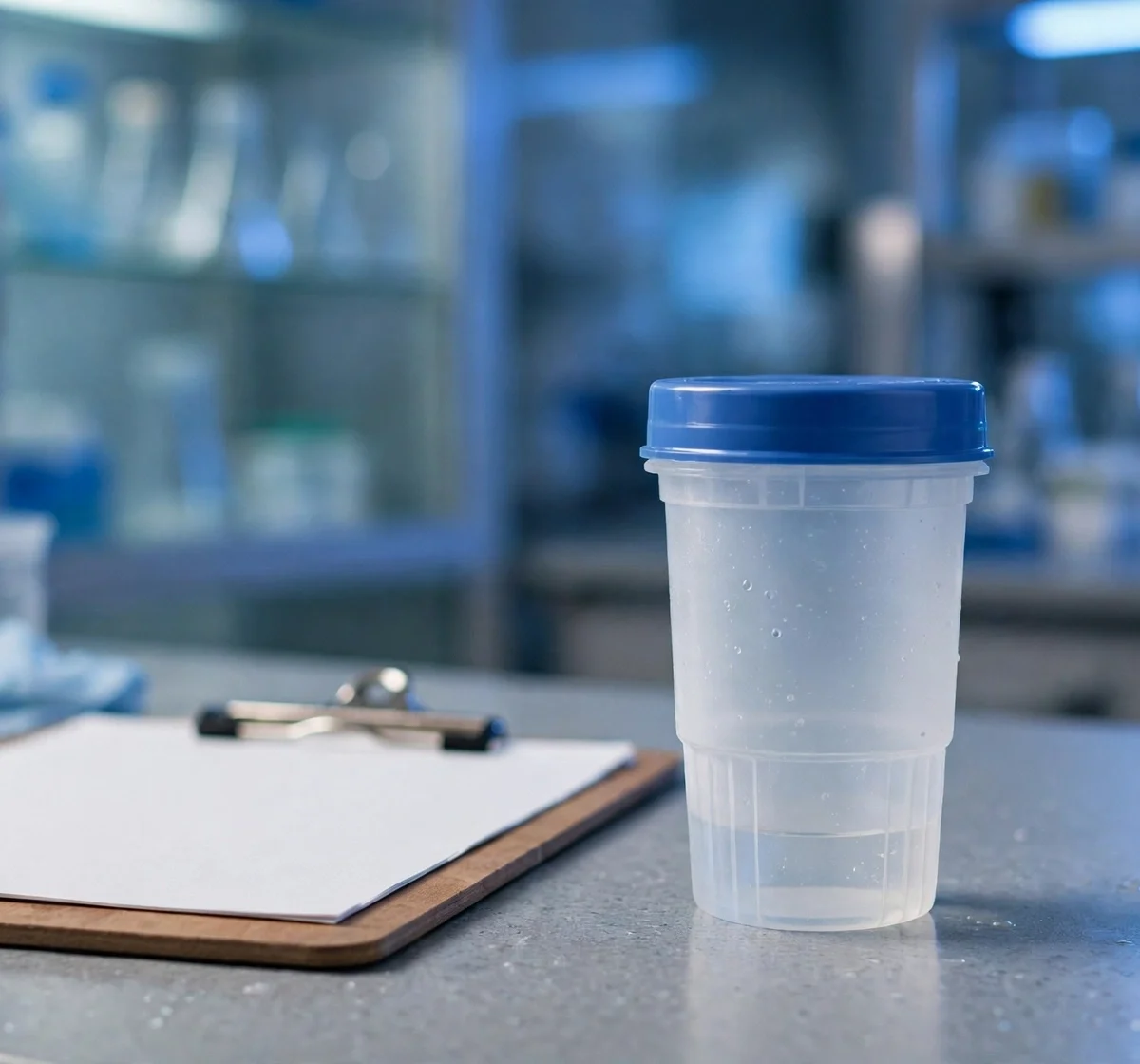
If you use CBD and your employer runs drug screenings, one question probably matters more than any other: can CBD make you fail a drug test? Here is the quick answer. CBD itself does not show up on standard drug tests. Routine workplace panels are designed to detect THC metabolites, mainly THC-COOH, the compound your body produces when it processes THC, and CBD is a different molecule that those tests are not looking for. The catch is that many CBD products contain trace amounts of THC, and that trace THC absolutely can trigger a positive result, especially with daily use or a mislabeled product. So the honest answer is two layered: pure CBD will not fail your test, but the CBD product in your cabinet might, depending on what else is in the bottle.
| CBD product type | THC content | Drug test risk |
|---|---|---|
| Full spectrum CBD | Trace amounts, legally up to 0.3 percent | Highest risk, trace THC can accumulate with daily use |
| Broad spectrum CBD | THC removed during processing | Low risk, but depends on manufacturer testing |
| CBD isolate | None, purified to around 99 percent CBD | Lowest risk with a lab tested batch |
| Delta-8 or other hemp THC products | Contains THC variants | High risk, metabolites flag standard tests |
How Drug Tests Actually Work
Most workplace drug screens, including the common five panel urine test, do not go looking for every substance you have ever consumed. They target specific drug classes and their metabolites. For cannabis, the target is THC-COOH (11-nor-9-carboxy-THC), the inactive metabolite your liver creates after you consume THC. CBD takes a different metabolic path and does not convert into THC-COOH in the body, which is why CBD on its own is invisible to these panels.
It is technically possible for whoever orders the test to request that CBD be added to the screening panel, but laboratories note that this is uncommon, particularly in places where CBD is legal. CBD is not intoxicating and is not classified as a controlled substance at the federal level in the United States when derived from hemp, so there is little reason for an employer to pay extra to screen for it. The entire drug test question, then, comes down to one thing: how much THC, if any, came along with your CBD.
Drug Test Types and THC Detection Windows
Not all drug tests work the same way, and THC lingers for different lengths of time depending on the sample type. These windows describe THC detection, not CBD detection, since CBD is not what is being measured:
| Test type | What it collects | Typical THC detection window |
|---|---|---|
| Urine test | Urine sample, the most common workplace test | Up to around 3 weeks for regular users, shorter for one time exposure |
| Saliva test | Oral fluid swab, often used for roadside checks | About 1 to 3 days |
| Blood test | Blood draw, used after accidents or in investigations | Only a few hours |
| Hair test | Hair sample, relatively rare for employment | Up to 90 days or more |
Frequency of use matters enormously. THC is fat soluble, which means it can be stored in body fat and released gradually. An occasional small exposure clears far faster than daily exposure. This is exactly why full spectrum CBD is the risky category: a tiny amount of THC per serving, taken every day for weeks, can build up to detectable levels in urine even though no single serving seemed significant.
Why CBD Users Can Still Fail a Drug Test
Trace THC in full spectrum products
Full spectrum CBD products legally contain up to 0.3 percent THC by dry weight under the 2018 Farm Bill. At that concentration, one serving will not make anyone feel intoxicated, but the THC is genuinely there, and your body processes it into the same THC-COOH metabolite that drug tests detect. With repeated daily dosing, those small amounts accumulate. Research on this specific scenario found that in one small study, 3 out of 18 participants tested positive for THC metabolites after vaping CBD dominant cannabis containing 10.5 percent CBD and 0.39 percent THC, using a confirmatory cutoff of 15 ng per mL. The researchers concluded that pure CBD isolate should not trigger positives, but full spectrum style products can, particularly with frequent use.
Mislabeled and contaminated products
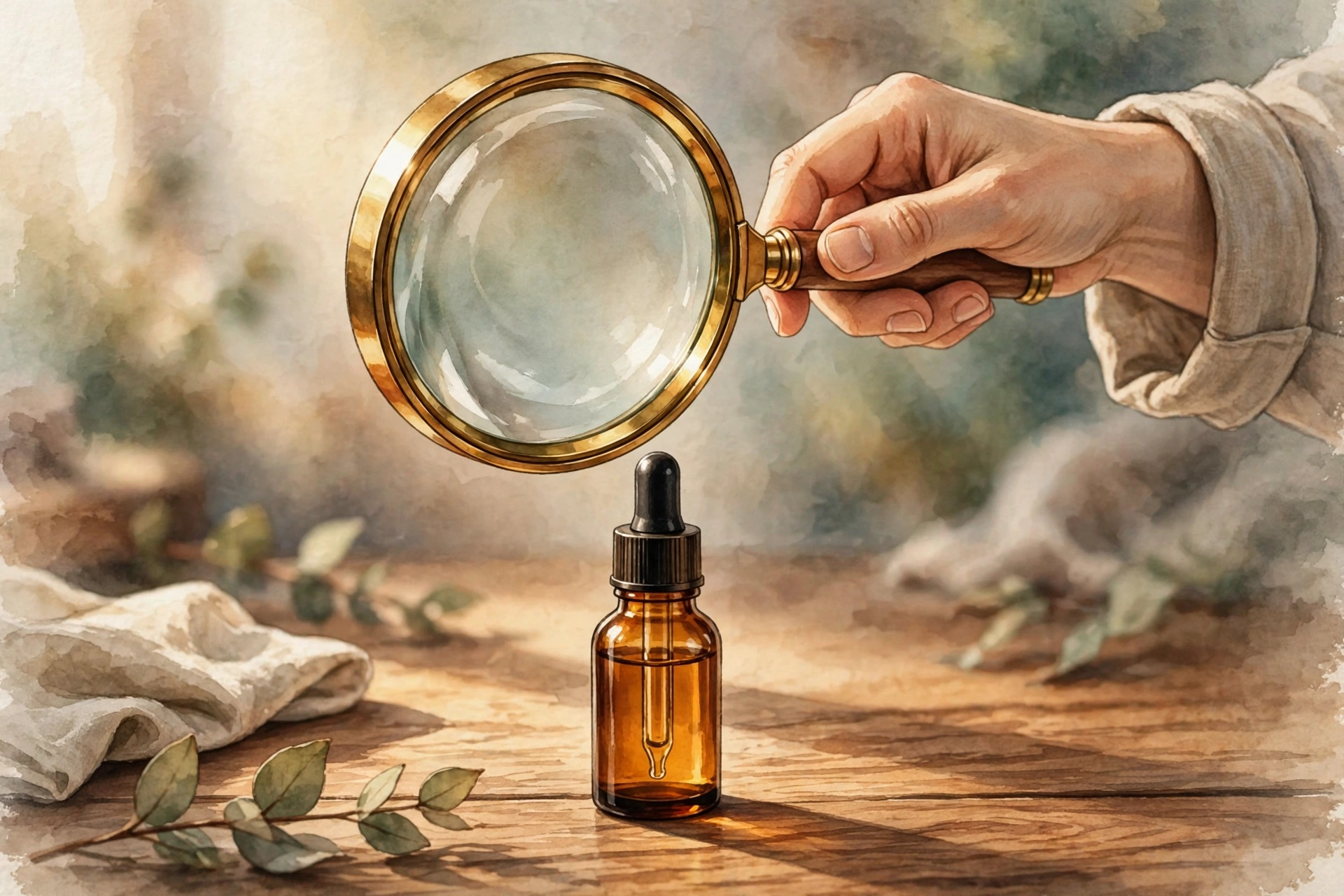
The CBD market is not uniformly regulated, and independent testing has repeatedly found products whose actual contents do not match their labels. Some products marketed as THC free or as pure isolate have been found to contain measurable THC. Others contain more CBD, less CBD, or different cannabinoids than advertised. This is the wildcard that makes blanket reassurances impossible. A certificate of analysis from an independent third party laboratory is the only meaningful evidence of what is actually in your bottle, and even then it describes the tested batch, not every bottle on the shelf.
Delta-8 THC and other hemp derived THC variants
Products containing delta-8 THC, delta-10 THC, or similar hemp derived variants deserve special caution. These are THC compounds, not CBD, and the body metabolizes them into substances that standard drug tests flag. Some are sold alongside CBD products in the same shops and online stores, and the packaging does not always make the distinction obvious. If drug testing is a concern, avoid anything labeled delta-8, delta-10, THC-O, HHC, or similar variants entirely.
Cross contamination during manufacturing
Facilities that produce both full spectrum and THC free products on shared equipment can introduce trace THC into products that should not contain it. Reputable manufacturers use dedicated lines or validated cleaning procedures and confirm the result with batch testing. Smaller or less careful operations may not. This is another reason the lab report matters more than the front label.
Rare false positives
A false positive caused by CBD alone, meaning pure CBD with genuinely zero THC triggering a cannabis positive, is considered unlikely. Some sources quote figures around 1 to 2 percent, but the mechanism is not well established and such cases are the exception. More commonly documented causes of unexpected cannabis positives include certain other medications: medical references note that drugs including some NSAIDs such as ibuprofen and naproxen, the stomach acid drug pantoprazole, and the HIV medication efavirenz have been associated with false positive cannabis results on urine screens. If you test positive and believe it is an error, ask about confirmatory testing with a more specific method such as GC-MS or LC-MS, which distinguishes individual compounds far more reliably than the initial immunoassay screen.
Drug Test Risk by CBD Type
Full spectrum CBD: highest risk
Full spectrum is the only mainstream CBD category that intentionally contains THC. Occasional use of a low dose product will often clear within days, but daily use over weeks is the scenario most likely to produce a positive urine test. If you are subject to testing, full spectrum is the type to avoid. Our breakdown of full spectrum vs broad spectrum vs isolate explains exactly what each type contains, and you can find that guide in the DigitalGeekSpot CBD archive.
Broad spectrum CBD: low risk
Broad spectrum products go through extra processing to remove THC while keeping other hemp compounds. From a drug test perspective this is a major improvement over full spectrum. The remaining risk comes from manufacturing quality: a poorly processed batch can retain trace THC, and a mislabeled product might not be broad spectrum at all. Buying from a company that publishes current third party lab reports showing non detectable THC keeps this risk as low as it can reasonably go.
CBD isolate: lowest risk
Isolate is purified to around 99 percent CBD with other plant compounds refined away, so there is no THC by design. In the small study mentioned earlier, researchers concluded CBD isolate should not trigger a positive result. The caveat, as always, is product integrity: an isolate product is only as THC free as its manufacturing and testing prove it to be. Check the certificate of analysis for THC listed as non detected or zero.
How to Lower Your Risk
If you use CBD and may be tested, these steps reduce, but cannot eliminate, the chance of a surprise positive:
- Choose isolate or broad spectrum from a tested brand. Avoid full spectrum completely while testing is a possibility.
- Read the certificate of analysis before you buy. Confirm the batch number matches your product, the test date is recent, the lab is independent, and THC is listed as non detected.
- Avoid delta-8, delta-10, and other THC variants. These metabolize into compounds that standard tests detect.
- Stop use well before a scheduled test. Because THC stores in fat tissue, stopping a few days before a urine test may not be enough after weeks of daily full spectrum use. Longer clearance times apply to regular users.
- Keep your product packaging and lab report. If a result is disputed, documentation of exactly what you took supports your case for confirmatory testing.
- Consider whether the risk is worth it. Some workplace advisors put it bluntly: if your job depends on passing, the only way to be certain is to avoid CBD products entirely while you are subject to testing, because no product can guarantee a negative result.
Topical CBD products such as creams and balms deserve a brief note. They are applied to the skin and are not generally expected to produce the systemic THC metabolite levels that urine tests detect, but research on heavy, long term topical use is limited, and product labels can still be wrong. The cautious approach treats them like any other CBD product until you have verified lab data.
Frequently Asked Questions
Will CBD isolate make me fail a drug test?
It should not. CBD isolate contains no THC by design, and standard drug tests screen for THC metabolites, not CBD. The small real world risk comes from product quality: a mislabeled or contaminated isolate could contain THC it should not have. A third party lab report showing non detected THC is your best protection.
How long should I stop using CBD before a drug test?
It depends on what you were using and how often. After occasional use of a THC free product, there is little to clear. After daily full spectrum use, THC metabolites can remain detectable in urine for weeks, similar to light cannabis use, because the THC accumulates in fat tissue. There is no universal number of days that guarantees a clean result, which is why stopping early is the safer move.
Do CBD gummies carry the same risk as CBD oil?
The risk follows the spectrum type, not the format. A full spectrum gummy carries the same kind of THC exposure as a full spectrum oil at an equivalent dose. Format affects onset time and convenience rather than drug test risk. Our CBD gummies vs CBD oil comparison covers the format differences in detail.
Can I tell the test administrator that I use CBD?
You can, and being upfront does no harm, but it does not change how the test works. The initial screen will still flag THC metabolites if they are present above the cutoff. What disclosure can help with is the follow up: if you dispute a positive, mentioning legal CBD use supports requesting confirmatory testing that identifies exactly which compounds were found.
What should I do if I fail but only used CBD?
Ask for confirmatory testing using GC-MS or LC-MS, which is far more specific than the initial immunoassay screen and can distinguish THC metabolites from other substances. Gather your product’s packaging and its certificate of analysis. Also review any other medications you take, since several common drugs have been documented to cause false positive cannabis screens.
Does secondhand cannabis smoke affect my test?
Extreme, prolonged exposure to secondhand cannabis smoke in an unventilated space has produced detectable THC in saliva in research settings, though urine positives at federal thresholds from secondhand exposure alone are considered unlikely. This is a separate issue from CBD use, but worth knowing if you are in environments where cannabis is smoked heavily.
The Verdict
CBD itself does not show up on standard drug tests, because those tests are built to find THC metabolites, not CBD. The real world answer is less comforting: trace THC in full spectrum products can accumulate with daily use and trigger a positive, mislabeled products are a documented problem, and hemp derived THC variants like delta-8 will absolutely flag a test. Broad spectrum and isolate products lower the risk substantially when they come from manufacturers with genuine third party lab reports, but no CBD product can promise a guaranteed pass. If a drug test could affect your employment, treat full spectrum CBD as off the table, verify everything else against a lab report, and when in doubt, skip the CBD until the testing window has passed. DigitalGeekSpot covers CBD topics in plain language with no hype, so browse the related guides below before you buy.
Related Articles
- CBD Dosage Guide for Beginners: Key Basics (find it in the DigitalGeekSpot CBD archive)
- CBD Gummies vs CBD Oil: Which Should You Choose? (find it in the DigitalGeekSpot CBD archive)
- How Long Does CBD Take to Work? Onset Times Explained (find it in the DigitalGeekSpot CBD archive)
Note: this article is general educational information about drug testing and CBD product types, not medical or legal advice. Drug testing policies vary by employer and jurisdiction. Talk to a qualified professional if you have questions about your specific situation.