Last updated: November 2026
Written by James Foster for Digital Geek Spot.
Introduction
CBD vape vs CBD oil: differences come down to route, speed, duration, dose control and lung exposure, not to a different active compound. Both formats deliver cannabidiol (CBD), a compound from the hemp plant, but vaping sends CBD through the lungs while oil is held under the tongue or swallowed. CBD vape acts within minutes and lasts about 2 to 3 hours, while CBD oil takes 15 to 45 minutes to act and lasts about 4 to 6 hours, so vape suits fast relief and oil suits steady, longer coverage. This guide compares the two formats on onset, duration, absorption, dose control, cost, safety and daily use, and it ends with a clear choice framework. Readers who want the short version can read the takeaways, then use the comparison table to match a format to a need.
Key Takeaways
- Vape works in minutes and lasts 2 to 3 hours. Oil takes 15 to 45 minutes and lasts 4 to 6 hours.
- Inhaled CBD absorbs at about 31 percent in reviews, against 6 to 13 percent for oral CBD.
- A dropper gives measurable doses. A vape puff does not, so oil gives tighter dose control.
- Never vape regular CBD oil. Carrier oils made for swallowing can harm the lungs when inhaled.
- Oil costs less per day for steady use, while vape adds device, coil and battery costs.
- People with asthma or other lung conditions should avoid vaping and talk with a clinician first.
Table of Contents
- What Are the Main CBD Vape vs CBD Oil: Differences?
- What Is CBD Vape?
- What Is CBD Oil?
- How Fast Does Each Format Work?
- How Long Do the Effects Last?
- Which Format Gives Better Dose Control?
- Can You Vape Regular CBD Oil?
- Is CBD Vape Safe Compared With CBD Oil?
- Which Format Costs Less Per Milligram?
- Who Should Avoid Vaping CBD?
- CBD Vape vs CBD Oil: Which Should You Choose?
- Conclusion
- Frequently Asked Questions
What Are the Main CBD Vape vs CBD Oil: Differences?
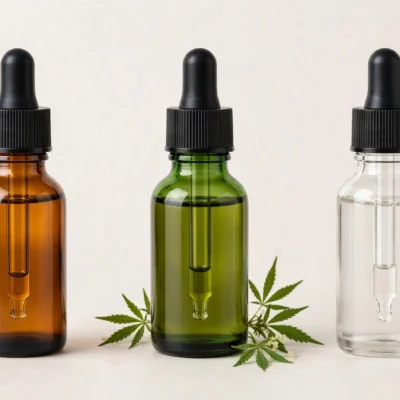
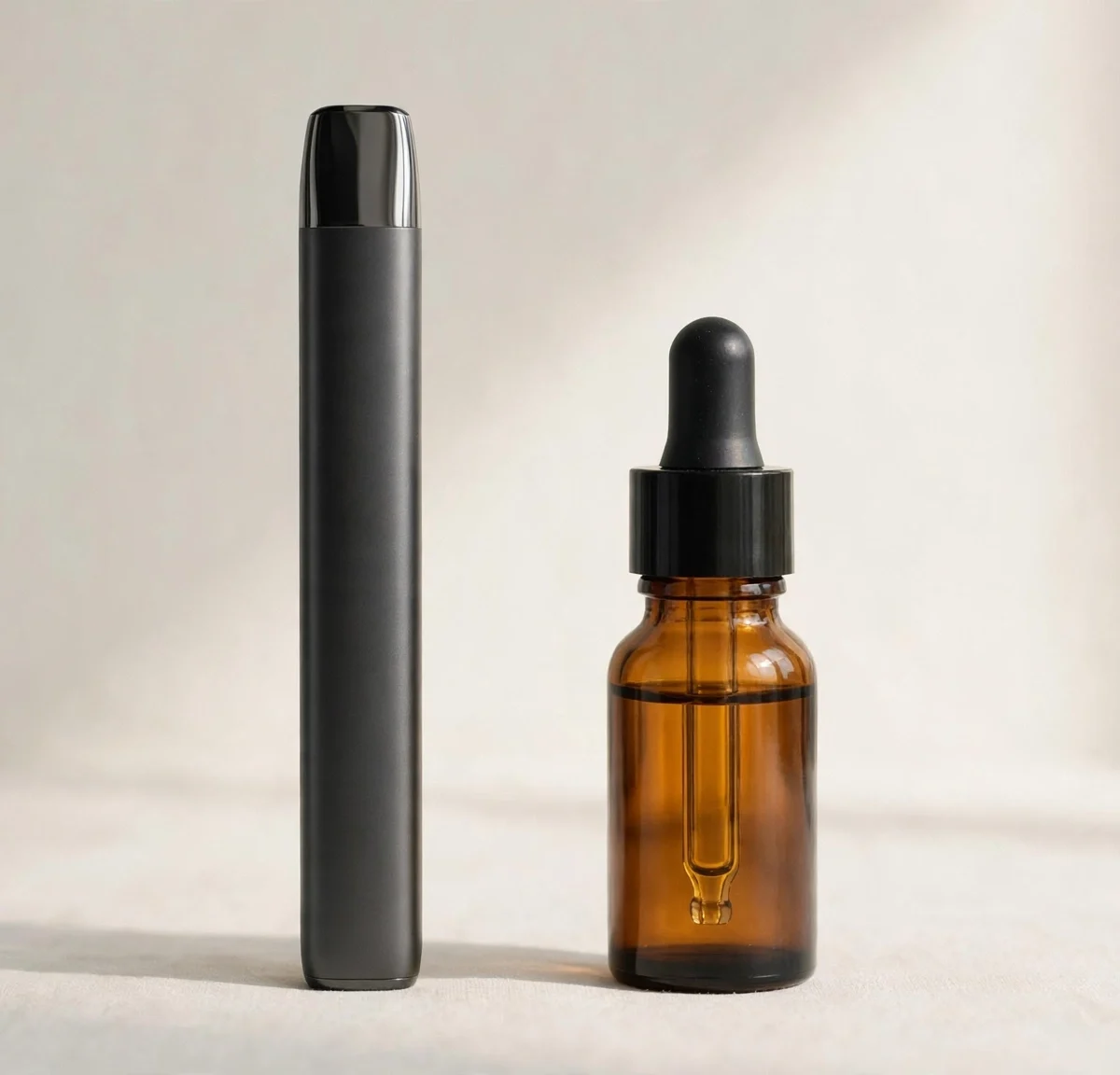
The main CBD vape vs CBD oil: differences are route and timing: vape liquid is inhaled through the lungs for fast onset and short duration, while CBD oil is held under the tongue or swallowed for slower onset and longer duration, with tighter dose control and no lung exposure. Vape liquid is thin and made for a heating coil. CBD oil is thicker, mixed with a carrier oil such as medium-chain triglyceride (MCT) oil or hemp seed oil, and sold in a dropper bottle. The active compound is the same in both formats. The delivery route changes how much CBD reaches the blood, how fast it arrives, how long it lasts and what risks come with use.
| Feature | CBD vape | CBD oil |
|---|---|---|
| How it is taken | Inhaled as vapor through a vape pen or device | Drops held under the tongue, or swallowed in food or drink |
| Onset | Minutes | 15 to 45 minutes under the tongue, 30 minutes to 2 hours when swallowed |
| Duration | 2 to 3 hours | 4 to 6 hours |
| Absorption in reviews | About 31 percent for inhaled CBD | About 6 to 13 percent for oral CBD |
| Dose control | Low, puff size and device settings vary | High, a marked dropper measures each dose |
| Equipment needed | Device, coil or pod, charger, vape liquid | Dropper bottle only |
| Lung exposure | Yes, aerosol enters the lungs | No |
| Best for | Fast, short-term relief | Steady daily use and longer coverage |
For related guides on dose, legality and product types, explore the CBD category.
What Is CBD Vape?
CBD vape is a vape liquid that contains cannabidiol and is heated by a device into an inhalable vapor. A pen or pod device holds a cartridge of vape liquid, a battery heats a coil, and the user inhales the vapor. Vape liquid uses thinning agents such as propylene glycol (PG) and vegetable glycerin (VG), or a distillate made for inhalation, so it stays thin enough to vaporize. Devices range from single-use pens to refillable pods and adjustable tanks. Single-use pens need no setup. Refillable devices need coil changes, charging and refills.
What Is CBD Oil?
CBD oil is a liquid extract of cannabidiol mixed with a carrier oil and taken by dropper under the tongue or swallowed. A standard bottle holds 10 ml or 30 ml, lists total CBD in milligrams, and includes a marked dropper. A user places drops under the tongue, holds them for 60 seconds, then swallows. Much of the oil is swallowed in practice, so onset sits between fast mouth absorption and slower digestion. CBD oil also mixes into food and drink, which slows onset further. The label term “oil” covers both true oils and alcohol-based tinctures, so buyers should read the ingredient list rather than trust the front label alone.
How Fast Does Each Format Work?
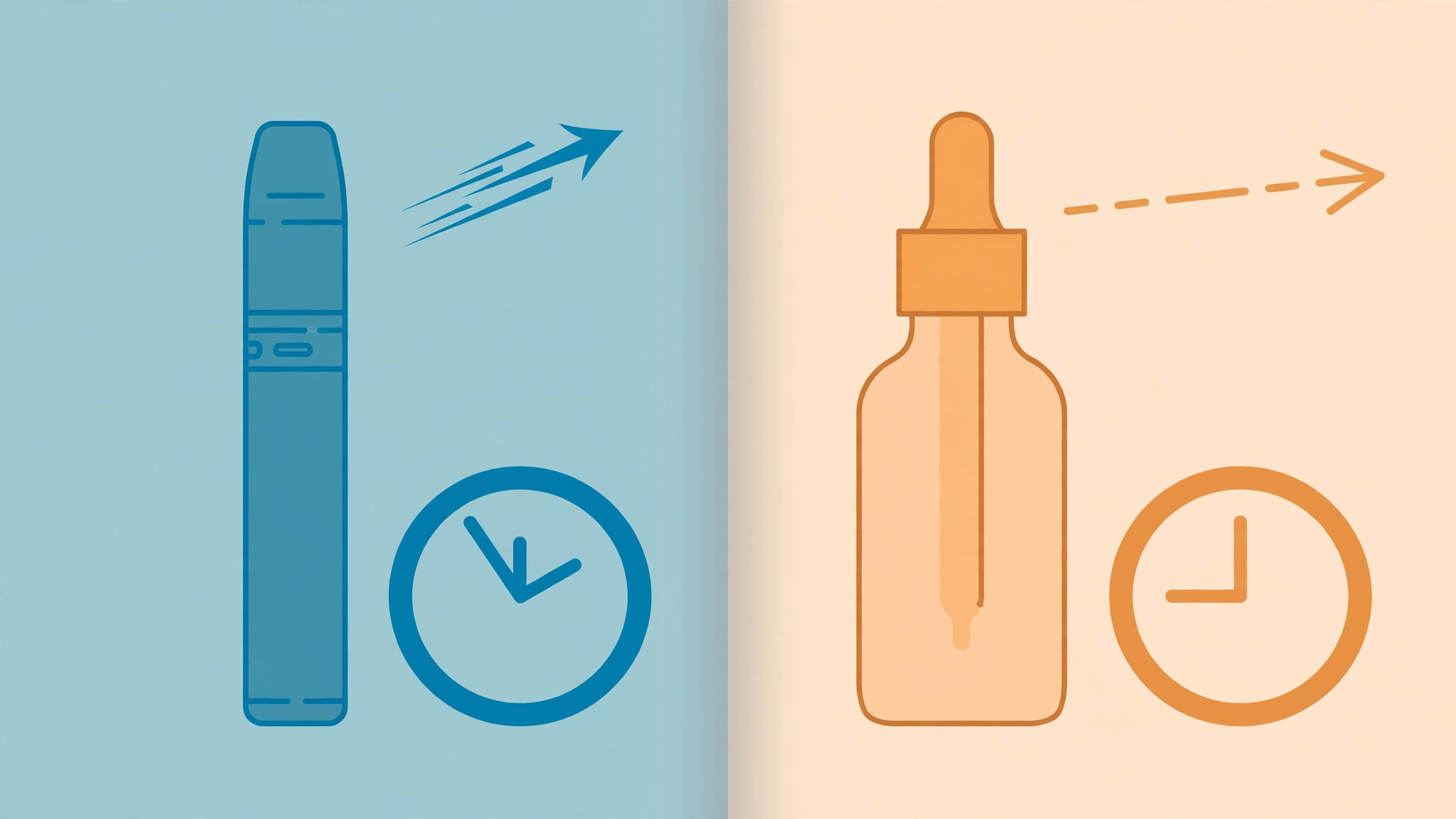
CBD vape works fastest, with effects felt within minutes, while CBD oil held under the tongue takes 15 to 45 minutes and swallowed CBD oil takes 30 minutes to 2 hours. Inhaled CBD passes from the lungs straight into the blood, with no digestion and no first pass through the liver. CBD oil absorbs in part through the mouth lining, and the swallowed share passes through digestion and the liver, where much of the CBD is broken down first. A 2024 crossover study of eight healthy men found similar blood levels for sublingual drops and swallowed capsules, with both peaking at about four hours, which suggests that much sublingual oil is swallowed before it absorbs through the mouth. A 2025 crossover trial found that a high-fat meal raised peak CBD concentration up to 17-fold against fasting for oral CBD, which shows how much food timing can change oral results. Vape timing is steadier because it skips digestion, while oil timing shifts with food, dose and hold time.
How Long Do the Effects Last?
CBD vape effects last about 2 to 3 hours, while CBD oil effects last about 4 to 6 hours. Fast entry also means faster clearance: inhaled CBD peaks within minutes and fades sooner, while oil releases more slowly for a flatter, longer curve. Duration still varies with dose, body weight, tolerance, food intake and product strength. A larger vape dose raises peak intensity but fades on a similar curve, while a larger oil dose can extend duration a little and raise the chance of drowsiness. Oil users often take one or two doses per day, while vape users take several short sessions per day.
Which Format Gives Better Dose Control?
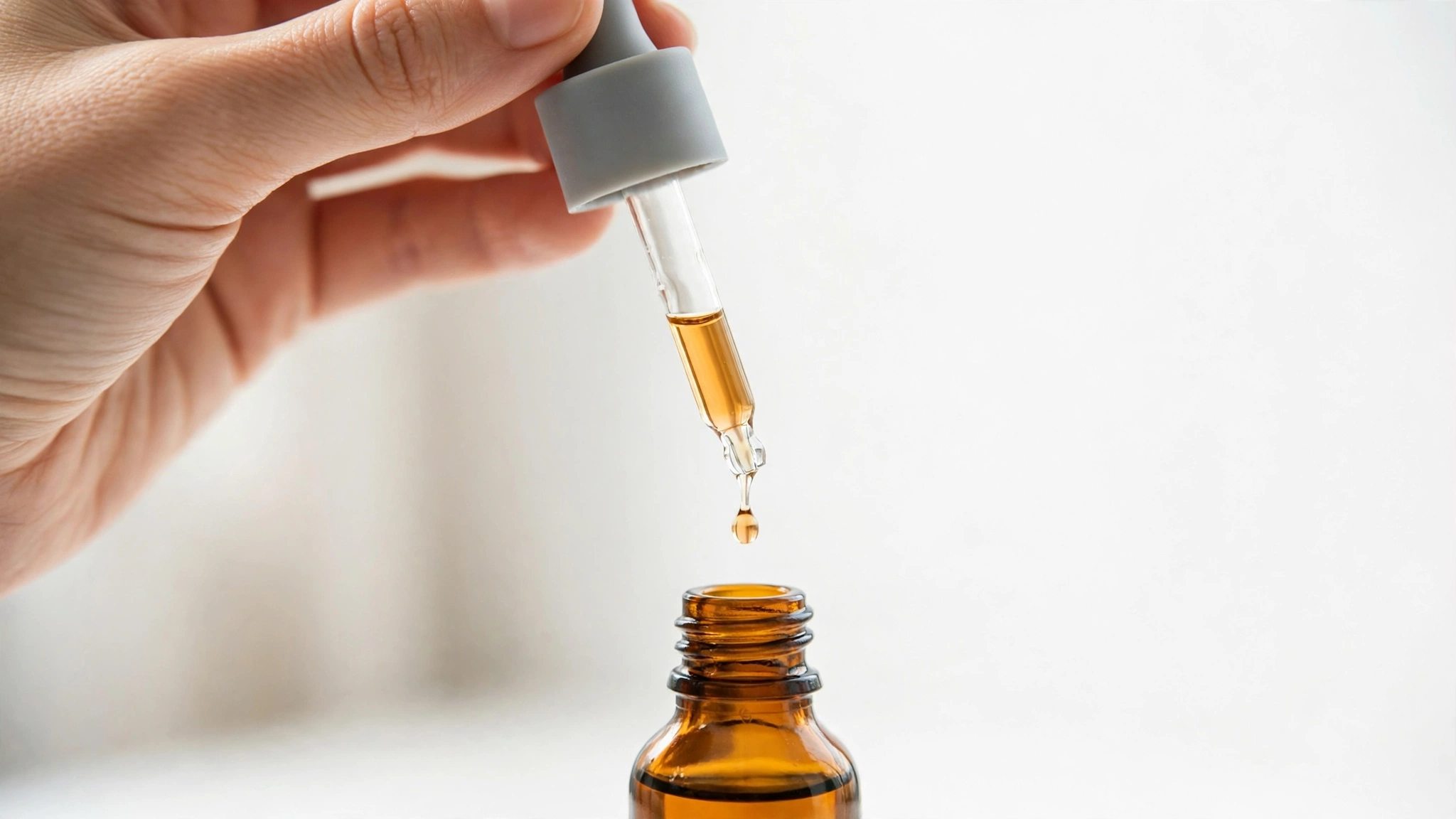
CBD oil gives better dose control because a marked dropper measures milligrams per dose, while a vape puff delivers an unknown amount that changes with puff length, device power and liquid strength. Dose math for oil is simple: divide total milligrams on the label by bottle volume in millilitres, then multiply by the dropper volume used. A 30 ml bottle with 1,000 mg of CBD holds about 33 mg per millilitre, so a 0.5 ml dropper dose gives about 16 to 17 mg. A practical first-hand check helps here: read total milligrams and bottle volume before the first dose, and write milligrams per dropper on the bottle, since front labels show bottle totals, not dose totals. Vape dose math has no such anchor: one puff from a 500 mg cartridge differs from one puff from a 1,000 mg cartridge, and a long draw delivers more than a short draw. Beginners who need a repeatable dose should start with oil.
Readers comparing vape formats in more depth can review the related Digital Geek Spot comparison of vape liquid against tincture products: read the CBD vape vs CBD tincture guide for a closer look at liquid types.
Can You Vape Regular CBD Oil?
No, you should never vape regular CBD oil, because carrier oils made for swallowing, such as coconut oil, olive oil and MCT oil, are not made for inhalation and can harm the lungs. Regular CBD oil is too thick for most vape coils, so it vaporizes poorly and clogs coils. The larger risk is lung exposure to heated carrier oil, which the lungs cannot clear the way the gut can. Vape liquid made for inhalation avoids food-grade carrier oils and uses PG, VG or inhalation-grade distillate instead. Labels cause most of the confusion: products named “CBD vape oil” are vape liquids, not regular CBD oil, and products named “CBD oil” are oral products, even when both bottles look alike. Check three label points before buying: the words “vape” or “e-liquid” for inhalation products, a carrier oil in the ingredient list for oral products, and a batch number that matches a lab report. When a label is unclear, treat the product as oral only.
Is CBD Vape Safe Compared With CBD Oil?
CBD oil carries lower lung risk than CBD vape, but both formats share CBD side effects, drug interaction risks and product quality risks, so neither format is risk-free. Common CBD side effects include drowsiness, dry mouth, reduced appetite and diarrhea, and CBD can interact with medicines broken down by the same liver enzymes, including some blood thinners and seizure medicines. Anyone taking prescription medicine should talk with a clinician before use, in either format. Vape adds lung-specific risks: aerosol exposure, contaminants in poorly made cartridges, and additives that should never be inhaled. The 2019 outbreak of vaping-related lung injury was linked mainly to informal tetrahydrocannabinol (THC) products containing vitamin E acetate, rather than to CBD itself, but the outbreak shows why cartridge source and additives matter. Avoid vape liquids that list vitamin E acetate, MCT oil or unknown thinning agents, and buy only products with a third-party certificate of analysis (COA) that matches the batch number. Oil avoids lung exposure, but it carries its own quality risks: mislabeled strength, THC above the label claim, and contaminants such as pesticides or heavy metals. On safety alone, oil wins for most users, and vape wins only when fast onset outweighs lung exposure for a particular need.
Readers who want compound background can read the Wikipedia page on cannabidiol, and the page on electronic cigarettes covers device types and regulation.
Which Format Costs Less Per Milligram?
CBD oil usually costs less per day for steady use, because vape use adds hardware, coil and replacement costs on top of liquid, while oil needs only the bottle. Compare cost per milligram, not bottle price: divide price by total CBD milligrams. A 30 ml oil bottle at 1,000 mg and a 1 ml cartridge at 500 mg may look similar on the shelf, but the cartridge holds half the CBD and needs a device. Vape devices add battery, coil or pod replacement, and single-use pens throw away the whole device at the end. Oil has no running costs beyond the bottle. Vape can still cost less for rare use, since a cartridge lasts longer when used a few times per week.
Who Should Avoid Vaping CBD?
People with asthma, chronic lung disease, a history of vaping-related lung injury or a sensitivity to PG or VG should avoid vaping CBD and use oil or another non-inhaled format instead. Vaping also suits poorly anyone who needs a precise, repeatable dose for a medical reason, since puff dosing varies too much. Pregnant or breastfeeding people should avoid CBD in all formats unless a clinician advises otherwise. People facing workplace drug tests should check THC content first, since full-spectrum products contain trace THC. When any of these points apply, oil gives the same compound without lung exposure and with a measurable dose.
CBD Vape vs CBD Oil: Which Should You Choose?
Choose CBD vape for fast, short-term relief when lung health allows it, and choose CBD oil for steady daily use, longer coverage and precise dosing.
- Need relief within minutes: choose vape, with a lab-tested liquid from a known source.
- Need coverage for 4 to 6 hours: choose oil, taken once or twice per day.
- Need an exact dose each time: choose oil, measured with a marked dropper.
- Have asthma or lung disease: choose oil, and skip inhalation.
- Travel or use in public often: choose oil for discretion, since it needs no device, vapor or charging.
- Use CBD only a few times per week: compare cartridge cost against bottle cost at equal milligrams, then decide.
Some users keep both formats: oil as the daily base dose and vape for occasional fast relief. Track total milligrams from both formats for a week before judging results, and adjust one format at a time.
Conclusion
CBD vape vs CBD oil: differences are practical, not chemical: vape delivers CBD fast through the lungs for 2 to 3 hours with loose dose control, while oil delivers CBD slowly through the mouth and gut for 4 to 6 hours with tight dose control and no lung exposure. Safety tips the choice toward oil for most users, while speed tips it toward vape for on-demand relief. Never vape regular CBD oil, always check a batch-matched lab report, and keep total daily milligrams in view. Start low, hold the dose steady for several days, and talk with a clinician when prescription medicines or lung conditions apply.
Digital Geek Spot covers CBD, health and lifestyle topics in plain language, and the homepage collects the latest guides across all sections: visit Digital Geek Spot for more guides.
Readers who want onset times for every CBD format in one place can continue with the related guide: read how long CBD takes to work across formats.
Frequently Asked Questions
Is CBD vape stronger than CBD oil?
No, CBD vape is not stronger in total effect. Vape delivers CBD faster and with higher absorption per milligram, so the peak feels stronger, but the effect fades in 2 to 3 hours. CBD oil absorbs more slowly, yet its effect lasts 4 to 6 hours. Strength depends on dose and product strength, not on format alone.
Is CBD vape vs CBD oil: differences safe for beginners?
Yes, both formats can suit beginners when doses start low and products carry a batch-matched lab report. Beginners should start with oil for dose control, since a dropper measures each dose. Vape suits beginners only when the device is simple, the liquid is lab-tested, and lung health allows inhalation.
Can I switch from CBD oil to CBD vape?
Yes, you can switch formats, but do not carry the oil dose straight across. Vape absorbs at a higher rate, so start with a lower total dose and fewer puffs, then adjust over several days. Track total milligrams per day during the switch week.
Does CBD vape or CBD oil show up on a drug test?
CBD itself is not the usual drug test target, but THC in full-spectrum products can trigger a positive result. Oil and vape carry the same THC risk when both use full-spectrum extract. Isolate products lower the risk, yet label errors still occur. Check the lab report for THC before use when drug tests matter.
How do I store CBD vape liquid and CBD oil?
Store both formats in a cool, dark place away from heat and sunlight, with caps closed. Keep oil upright and away from kitchen heat. Keep vape cartridges upright, avoid overheating the device, and replace coils when flavor turns burnt. Discard products that change color, smell or taste sharply.
Which format is better for sleep?
CBD oil usually suits sleep better, since its 4 to 6 hour duration covers the night and its dose is easy to repeat each evening. Vape acts fast but fades in 2 to 3 hours, so it suits falling asleep more than staying asleep. Users who wake at night sometimes pair an evening oil dose with a small vape dose.