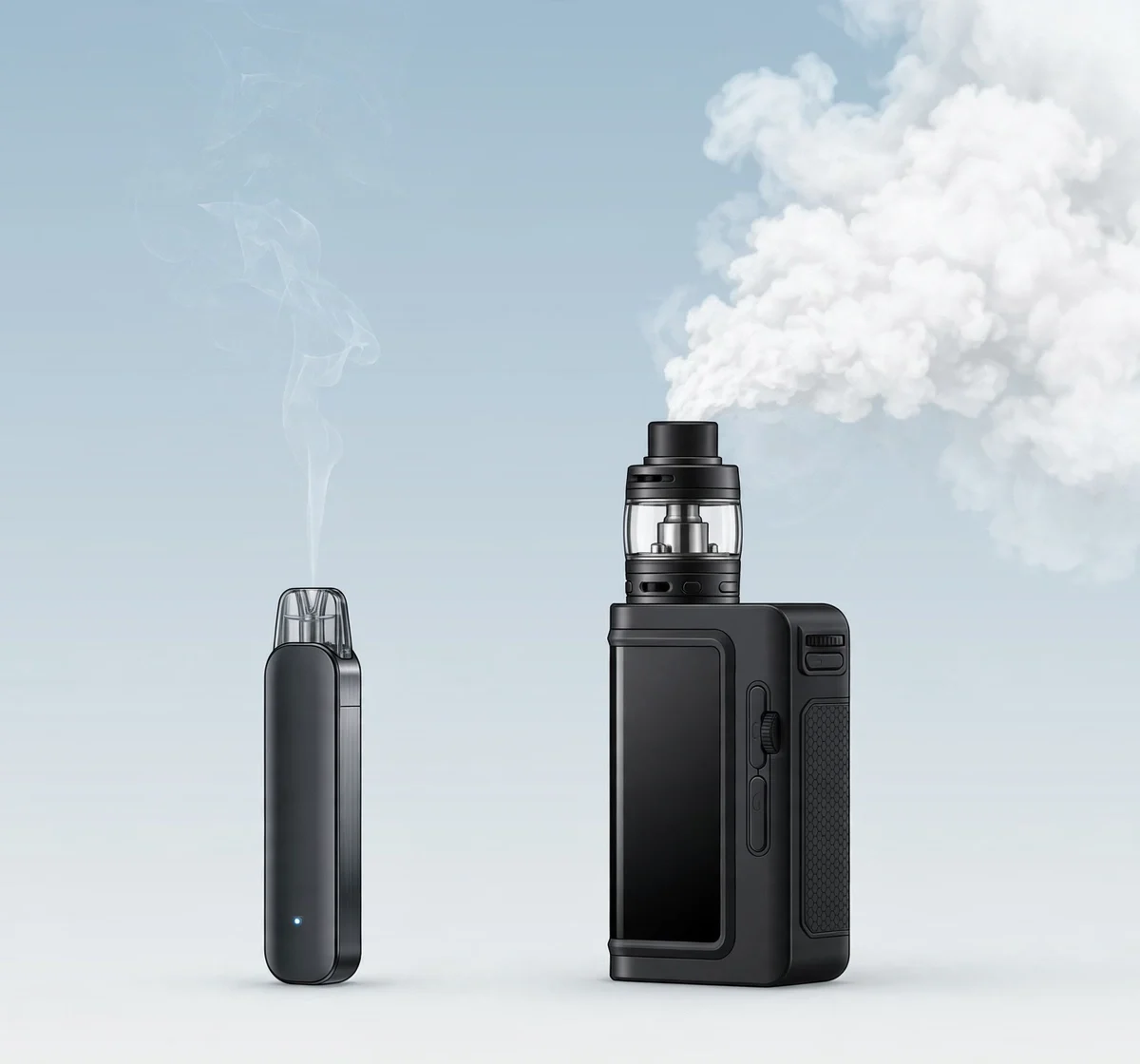
If you are shopping for your first refillable vape kit, or you have been vaping for a while and wonder why some devices feel nothing like others, the answer usually comes down to three small letters. MTL vs DL vaping is the single most important distinction to understand before you buy a device, choose e-liquid, or pick a nicotine strength. Get it right and your setup feels natural and satisfying. Get it wrong and you can end up with a vape that is harsh, weak, or burns through juice far faster than you expected.
The quick answer: MTL (mouth-to-lung) vaping means drawing vapour into your mouth first and then inhaling it into your lungs, exactly the way you would smoke a cigarette. DL (direct-to-lung, also written DTL) vaping means inhaling vapour straight into your lungs in one deep breath, the way you take a breath of air. MTL uses a tight, restricted draw with higher-resistance coils, lower power, higher nicotine strengths, and discreet vapour. DL uses an open, airy draw with sub-ohm coils, higher power, lower nicotine, and large vapour clouds.
MTL vs DL Vaping at a Glance
| Feature | MTL (Mouth-to-Lung) | DL (Direct-to-Lung) |
|---|---|---|
| Inhale style | Into the mouth first, then the lungs | Straight into the lungs in one breath |
| Draw feel | Tight and restricted, like a cigarette | Open and airy, like a deep breath |
| Typical coil resistance | Higher, commonly 0.8 ohm and above | Sub-ohm, commonly below 0.6 ohm |
| Typical power | Low, roughly 8 to 25 watts | Higher, commonly 40 to 90 watts or more |
| Vapour production | Small, discreet clouds | Large, thick clouds |
| E-liquid ratio | 50/50 VG/PG blends work best | High VG blends, typically 70/30 VG/PG |
| Typical nicotine strength | 10 to 20 mg, often nicotine salts | 0 to 6 mg for a smoother experience |
| Throat hit | Firmer, cigarette-like | Smoother and gentler |
| Device type | Pod systems, pen-style kits, most disposables | Sub-ohm tanks, pod mods, box mods |
| Best suited to | Beginners and people moving away from cigarettes | Experienced vapers, flavour fans, cloud chasers |
What Is MTL (Mouth-to-Lung) Vaping?
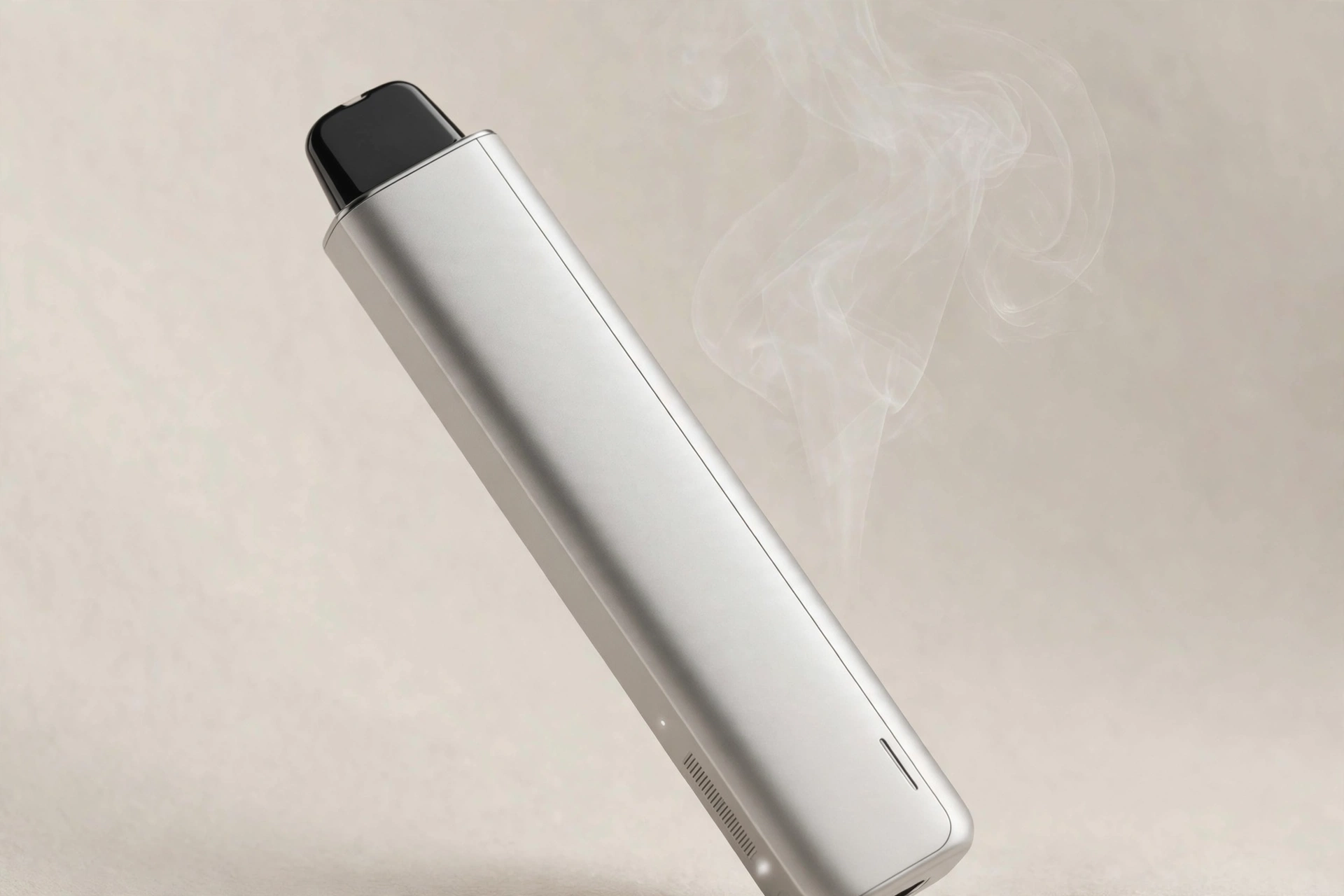
MTL vaping copies the inhaling motion of smoking. You draw vapour into your mouth first, hold it for a moment, and then breathe it down into your lungs. The airflow is tight and restricted, so there is a bit of resistance when you pull, much like drawing through a cigarette filter or a straw. If you have ever used a disposable vape, you have almost certainly been vaping MTL without realising it, because most disposables and pod systems are designed this way.
Because the draw is gentle, MTL setups run at low power and use higher-resistance coils, commonly 0.8 ohm and above. The vapour output is modest, which makes MTL ideal when you want to be discreet at work or in public. The tighter draw also delivers a firmer throat hit, which many people who have recently quit smoking find satisfying.
The Typical MTL Setup
- Coils: higher resistance, commonly 0.8 to 1.5 ohm
- Power: low, roughly 8 to 25 watts (stay inside the range printed on your coil)
- E-liquid: thinner 50/50 VG/PG blends wick best through the small coil ports
- Nicotine: higher strengths are normal here, commonly 10 to 20 mg, and nicotine salts stay smooth even at these levels
Wattage settings matter more than most beginners expect. Running a coil above its recommended range dries out the wick and can scorch it, so if the power side of vaping still confuses you, our vape wattage guide for beginners walks through how to match power to your coil. The e-liquid side matters too: a thick, high-VG juice will not wick properly through a tight MTL coil, and our article on what vape juice is made of explains how VG and PG ratios change the way a coil performs.
What Is DL (Direct-to-Lung) Vaping?
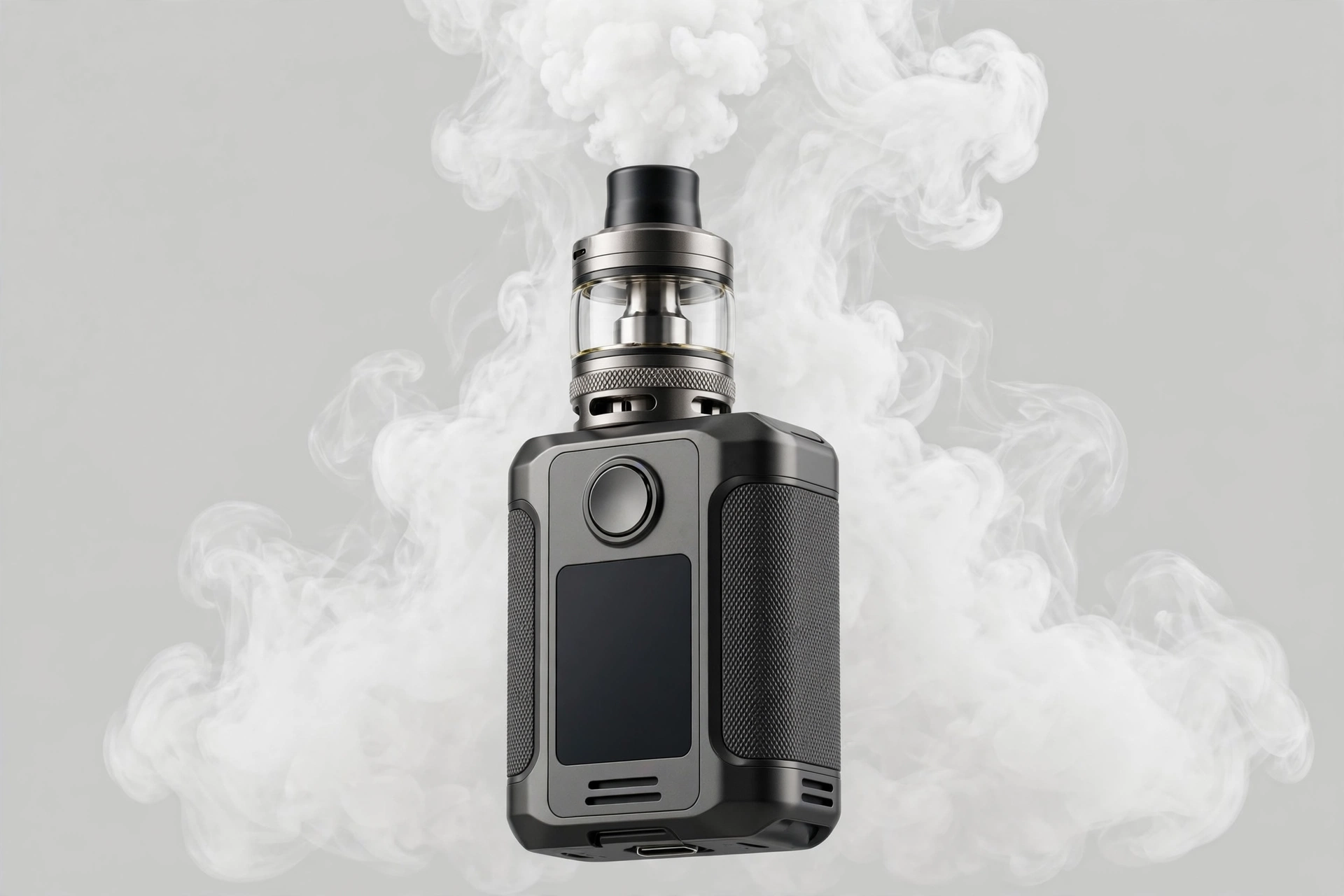
DL vaping skips the mouth stage entirely. You inhale the vapour straight into your lungs in one continuous breath, the way you would take a deep breath of air. There is no pause and very little resistance, the draw is wide open and airy. The sensation is closer to a shisha pipe than a cigarette.
To produce vapour this way, DL setups use sub-ohm coils, meaning coils with a resistance below 1.0 ohm, commonly in the 0.1 to 0.6 ohm range, and run them at much higher power, often 40 to 90 watts or more. The result is a large volume of warm vapour with a smoother, gentler throat hit than MTL. Because so much vapour reaches your lungs with each puff, DL vapers use much lower nicotine strengths, typically 3 mg or 6 mg, since higher strengths would feel harsh at this power level.
The Typical DL Setup
- Coils: sub-ohm, commonly 0.1 to 0.6 ohm
- Power: medium to high, commonly 40 watts and above
- E-liquid: high-VG blends, typically 70/30 VG/PG, for thicker clouds
- Nicotine: lower strengths, commonly 0 to 6 mg, to keep the inhale smooth
DL devices are usually larger, with bigger tanks and batteries, and they consume noticeably more e-liquid than MTL setups. That is the trade-off: richer flavour and bigger clouds in exchange for more frequent refills and higher running costs.
What Is RDL Vaping? The Middle Ground
Between the two styles sits RDL, or restricted direct-to-lung vaping. It uses the direct-to-lung inhale, vapour goes straight into the lungs, but with tighter airflow and more moderate power than full DL. Typical RDL setups use mid-range coils around 0.4 to 0.8 ohm at roughly 15 to 40 watts, with medium nicotine strengths and mid-range e-liquid ratios.
RDL has become a popular stepping stone. Many vapers who start on MTL move to RDL when they want more flavour and vapour without jumping to a bulky high-power mod, and some never leave. If your device has adjustable airflow, you may already be able to try an RDL-style draw by closing the airflow halfway.
MTL vs DL: The Key Differences in Detail
Draw and throat hit
MTL gives you resistance and a defined throat hit that feels familiar if you have smoked cigarettes. DL feels like breathing through an open straw, with very little throat sensation by comparison. Neither is objectively better, but the firmer MTL hit is usually what satisfies nicotine cravings for people who have recently switched from smoking.
Vapour production and flavour
DL produces visibly larger clouds and a warmer, fuller flavour because more vapour is created with each puff. MTL vapour is discreet, which is an advantage in public places but means the flavour experience is subtler. That said, MTL is not a flavour desert: modern MTL coils with mesh designs deliver surprisingly rich flavour in a compact format.
Nicotine delivery and e-liquid choice
This is where mismatches cause the most trouble. Using a high-nicotine liquid on a powerful DL setup will feel harsh and unpleasant, while using a low-nicotine, high-VG liquid on a tight MTL pod will wick poorly and taste weak or even burnt. Match the liquid to the style: thinner 50/50 blends and higher nicotine for MTL, thicker high-VG blends and lower nicotine for DL. If a high-VG juice keeps giving you dry, scorched hits in an MTL pod, the liquid is almost certainly the problem rather than the device.
Devices and running costs
MTL devices tend to be smaller, simpler, and cheaper to run. Coils last longer at low power and a bottle of e-liquid goes further. DL devices cost more to feed: bigger coils wear faster and the higher power vaporises juice quickly. If you are watching your budget, MTL is the more economical style.
Which Vaping Style Should You Choose?
There is no single best style, but there is a best starting point for you. Use these guidelines:
- Choose MTL if you are switching from cigarettes, you want something discreet, you prefer higher nicotine for fewer puffs, or you like small, simple, pocket-friendly devices.
- Choose DL if you are an experienced vaper who wants bigger clouds and bolder flavour, you prefer low nicotine, and you are comfortable with a larger device that uses more e-liquid.
- Choose RDL if you have moved past MTL and want more flavour and vapour without the bulk and juice consumption of full DL.
If your main goal is replacing cigarettes, start with MTL. The familiar draw and effective nicotine delivery solve the problem you actually have, which is cravings, not cloud size. You can always explore DL later once the habit change is settled.
Can You Switch Between MTL and DL?
Yes, and many vapers do. Plenty of people keep an MTL pod for work and public places and a DL setup for home. Some adjustable pod mods let you switch styles with one device by changing the coil and adjusting the airflow. If you try DL for the first time, expect a few coughs while you learn the deeper inhale, that is completely normal.
One practical tip: when you change coils or switch devices, always prime the new coil properly by saturating the cotton with e-liquid before you fire it. Firing a dry coil scorches the wick in a single puff. Our step-by-step guide on how to prime a vape coil shows the routine that prevents burnt coils from the first puff.
MTL vs DL Vaping FAQs
Is MTL or DL better for beginners?
MTL is better for most beginners. The tight draw feels familiar to smokers, the devices are simpler, and higher nicotine strengths satisfy cravings efficiently. DL is worth exploring once you are comfortable and want more flavour or vapour.
Can I use nicotine salts for DL vaping?
You can, but it is rarely a good idea. Nicotine salts are designed for smooth high-nicotine vaping on low-power MTL devices. Used at DL power levels, the nicotine dose per puff would be uncomfortably strong. Stick to low-strength freebase liquids for DL.
Why does my MTL vape taste burnt with high-VG juice?
Thick high-VG e-liquid cannot soak through the small wicking ports of a tight MTL coil fast enough. The cotton dries out and burns. Switch to a 50/50 blend and the problem usually disappears.
Does DL vaping use more battery?
Yes. Higher wattage drains batteries much faster, so DL vapers often carry larger mods, sometimes with two removable cells, and charge more often. MTL devices sip power by comparison.
Is RDL a good compromise?
For many vapers, yes. RDL gives you a direct-lung inhale with more flavour and vapour than MTL, but at moderate power and juice consumption. It is a natural next step if MTL starts to feel limited.
Can one device do both MTL and DL?
Some can. Adjustable pod mods with interchangeable coils and variable airflow can cover MTL, RDL, and DL reasonably well. Dedicated MTL pods and dedicated sub-ohm kits still perform their own style better than a compromise device.
Related Articles
- Vape Wattage Guide for Beginners
- How to Prime a Vape Coil: Step-by-Step Guide
- What Is Vape Juice Made Of? Ingredients Explained
The Verdict
MTL vs DL vaping is really a question about how you inhale. MTL draws vapour into the mouth first, with a tight draw, low power, high nicotine, and discreet vapour, making it the natural choice for beginners and anyone moving away from cigarettes. DL inhales straight to the lungs with open airflow, high power, low nicotine, and big clouds, suiting experienced vapers who prioritise flavour and vapour. RDL sits between them as a flexible middle ground.
Whichever style you choose, match your coil, wattage, e-liquid ratio, and nicotine strength to it, and you will avoid the most common beginner frustrations. For more beginner-friendly tech and lifestyle guides, visit DigitalGeekSpot.
This article is for informational purposes only and is not medical advice. Vaping products contain nicotine, which is addictive, and are intended for adult smokers only.