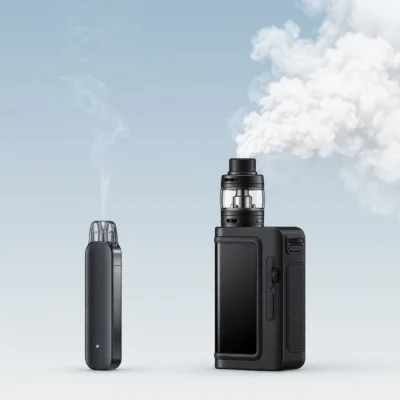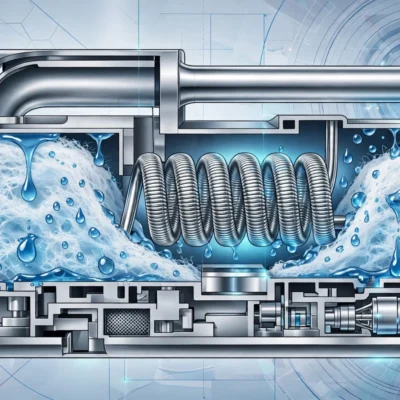
Vape batteries are high-performance lithium-ion cells, built on the same chemistry that powers phones, laptops, and electric cars. Inside a vape device they work harder than most people realise, delivering bursts of high current every time you take a puff. That power is completely manageable with a few sensible habits, but it does deserve respect. Almost every vape battery incident you hear about traces back to an avoidable mistake: a loose battery in a pocket, a damaged wrap, a cheap charger, or a battery left charging overnight.
The quick answer: The most important vape battery safety tips are to buy authentic batteries from reputable sellers, use a proper external charger, inspect battery wraps before every use, carry spare batteries only in a protective case, never leave charging batteries unattended, store cells in a cool, dry place, and recycle damaged or worn-out batteries instead of throwing them in the bin.
Vape Battery Safety at a Glance
| Do | Do Not |
|---|---|
| Buy authentic batteries from reputable sellers | Buy unbranded cells or obvious fakes |
| Use a quality external charger made for your cell size | Use damaged, modified, or mismatched chargers |
| Charge where you can keep an eye on it, on a non-flammable surface | Leave batteries charging unattended or overnight |
| Inspect wraps and contacts before every use | Use a battery with a torn wrap, dent, or leak |
| Carry spare batteries in a plastic case | Carry loose cells in a pocket with keys or coins |
| Store at partial charge in a cool, dry place | Leave batteries in hot cars or direct sunlight |
| Use matched pairs in multi-battery devices | Mix brands, ages, or capacities in one device |
| Recycle old or damaged batteries at a battery collection point | Put lithium-ion cells in household rubbish |
1. Buy Authentic Batteries from Reputable Sellers
Counterfeit and rewrapped cells of unknown origin are one of the biggest battery safety risks in vaping. Fake cells often wear the labels of well-known manufacturers but contain inferior cores with inflated or inaccurate ratings, which means the battery can be pushed beyond what it can safely handle. Some also lack the safety margins of genuine chemistry.
Buy from established vape shops or specialist battery suppliers with a track record, not from the cheapest random marketplace listing. Avoid cells with no brand identification, no printed specifications, or prices that look too good to be true. If you are unsure about a battery you already own, compare its wrap, markings, and weight against verified photos from trusted sources, and replace anything suspicious.
2. Use the Right Charger
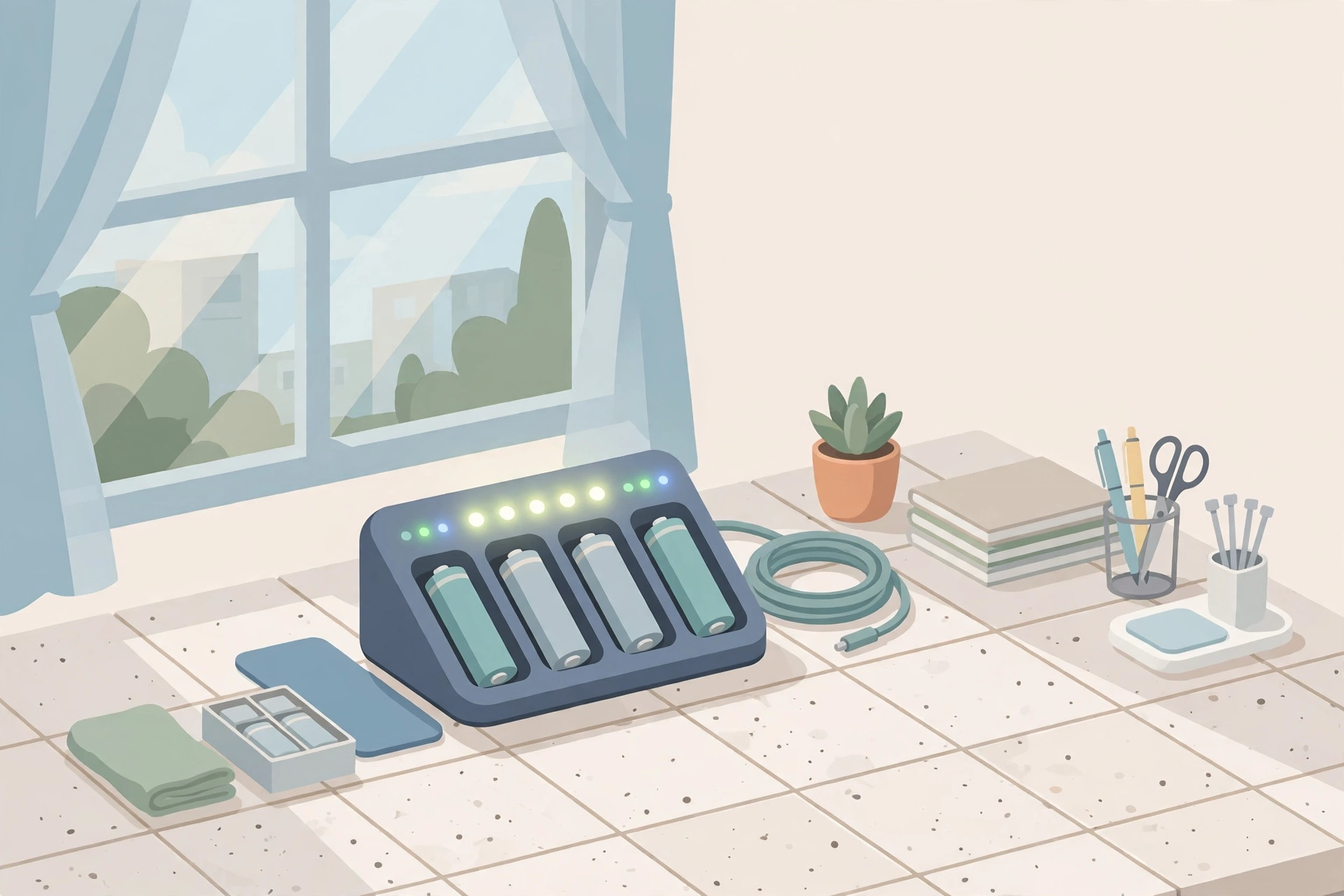
A quality external charger designed for your cell size, such as an 18650 or 21700 charger, is the safest way to charge removable vape batteries. External chargers monitor each cell individually, stop at the correct voltage, and are generally more reliable than charging through the device’s USB port, which many devices offer only as a backup method.
Follow the charger’s instructions on current and voltage, and never exceed the ratings printed on the battery. Do not use a modified or damaged charger, and do not charge a battery you know has been dropped, dented, or exposed to water. If your charger ever behaves strangely, such as displaying odd voltages or getting unusually hot, stop using it.
3. Never Leave Charging Batteries Unattended
This is the single most repeated piece of battery safety advice, because it is the one most people break. Always charge where you can see the charger, and unplug batteries once they are full. Avoid charging overnight while you sleep or leaving the house with batteries on the charger. As a general rule, do not leave a battery in the charger for more than 24 hours, and ideally remove it as soon as it finishes.
Charging at a lower current setting, when your charger offers one, is gentler on the cell and extends its lifespan. There is no real benefit to fast-charging a vape battery in a rush.
4. Charge on a Safe Surface in a Safe Spot
Charge batteries on a non-flammable surface, such as a ceramic tile or a heat-resistant mat, away from curtains, bedding, and other flammable materials. Keep the area cool, dry, and ventilated, and avoid charging in excessively hot or cold temperatures. Heat accelerates chemical wear inside the cell, and extreme cold can cause permanent damage.
5. Inspect Battery Wraps Before Every Use
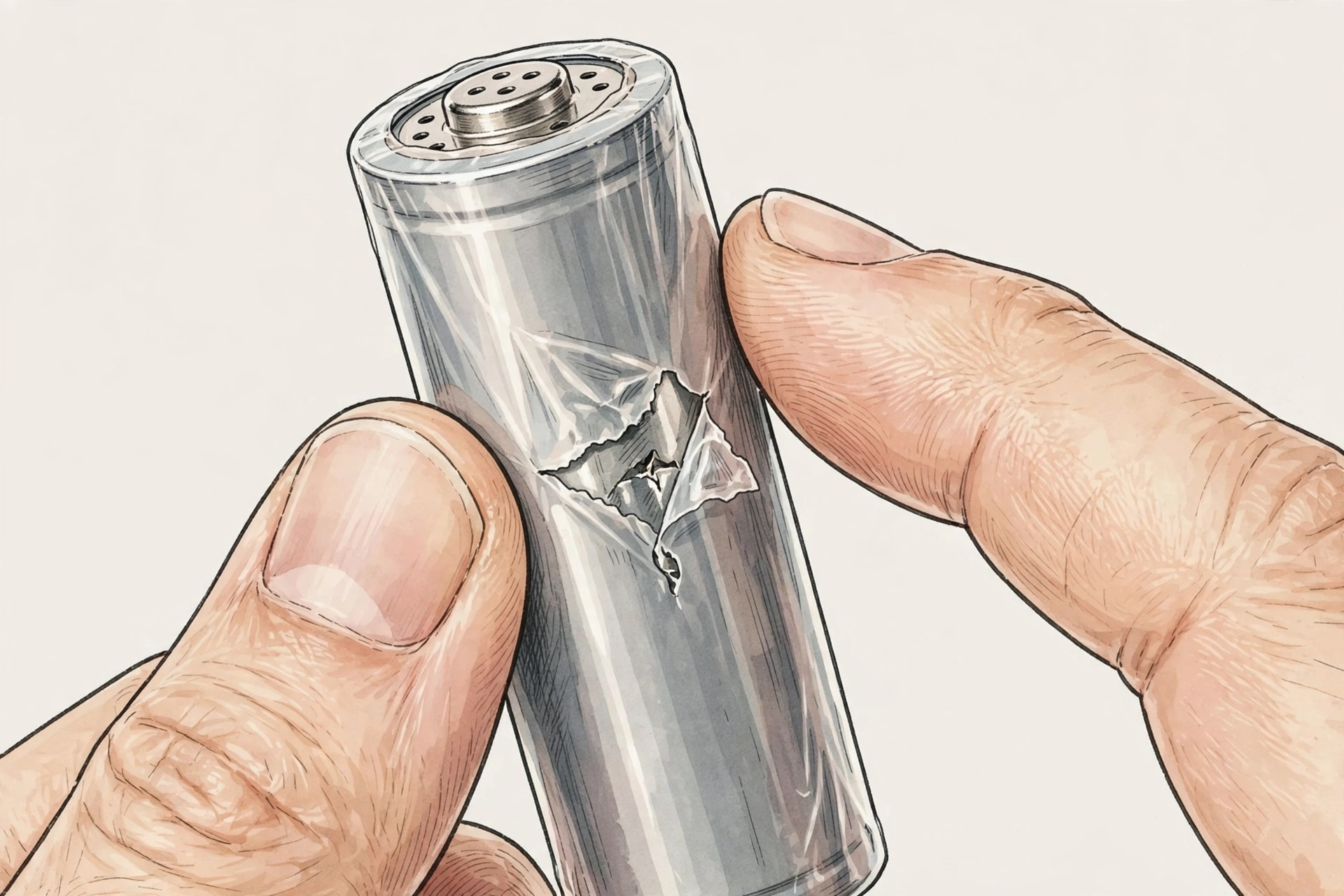
The thin plastic wrap around your battery is its first line of defence against short circuits. Before every use, give the cell a quick visual check: is the wrap intact with no tears or nicks, is the top insulator ring in place, and are the terminals clean and undamaged?
A battery with a torn wrap, a missing insulator, a dent, discolouration, or any sign of leakage should not be used. Damaged wraps can be professionally rewrapped with fresh battery wrap, but if you are not confident doing it safely, retire the cell and recycle it. Never use a battery that is abnormally hot, swollen, or deformed.
6. Carry Spare Batteries Only in a Plastic Case
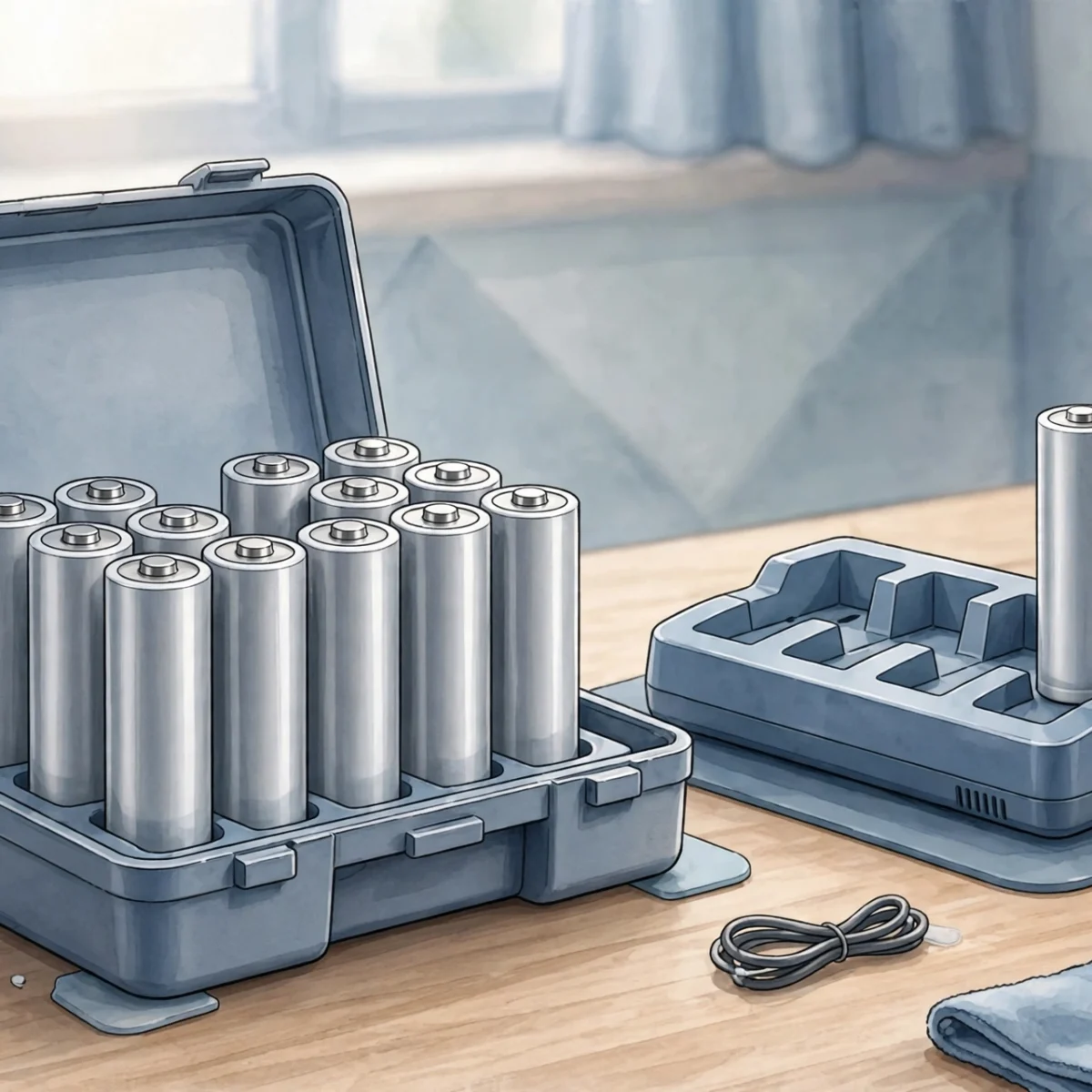
Never carry a loose battery in your pocket, bag, or purse. This is how most pocket fires happen: the battery’s positive and negative terminals touch a metal object such as keys or coins, the cell short circuits, and it can vent or catch fire. A hard plastic battery case costs very little and completely removes this risk by keeping each cell isolated from metal and from other batteries.
The same rule applies to storage at home. Spare batteries should live in cases, not loose in a drawer with screws, paperclips, or other metal objects.
7. Store Batteries Correctly for the Short and Long Term
For everyday storage, keep batteries in their cases in a cool, dry place away from direct sunlight. For storage longer than a week or two, remove the batteries from your device and store them at about half charge, roughly 3.6 to 3.7 volts. Storing cells fully charged for long periods accelerates capacity loss, while storing them nearly empty can trigger deep-discharge protection that may leave the battery unusable. If you store batteries for months, check them every month or two and top them up to around half charge if they have drifted lower.
8. Keep Batteries Away from Heat, Cold, and Water
Heat is the enemy of lithium-ion cells. Do not leave your vape or spare batteries in direct sunlight or in a parked car on a warm day, where temperatures climb far beyond what the battery is rated for. Avoid freezing temperatures too, which can cause permanent damage. Keep batteries dry at all times: if a battery gets wet, or comes into contact with fire, it should be retired and recycled rather than used again.
9. Use Matched Batteries in Multi-Battery Devices
If your device takes two or more batteries, those cells should be a matched set: the same brand, model, capacity, and age, bought together and always charged and used together. This is often called “marrying” batteries. Mixing different brands, ages, or charge levels in one device forces the weaker cell to work harder than it should, which can lead to overheating. When a married pair starts to show its age, retire both cells together.
10. Respect Charge and Discharge Limits
Every battery has limits printed in its specifications, and staying inside them keeps the cell happy. Never charge above the battery’s rated voltage, 4.2 volts for standard lithium-ion cells, and use a charger with an accurate voltage cut-off. On the discharge side, avoid draining cells completely flat, and make sure the current your device demands does not exceed the battery’s continuous discharge rating. Running a high-wattage setup on a battery with a low current rating is a recipe for overheating, so match your cells to your device. Our vape wattage guide for beginners explains how wattage relates to the current your batteries must supply.
11. Know the Warning Signs of a Failing Battery
A battery that is overheating, hissing, bulging, or leaking is in trouble, and you should stop using it immediately. Move it away from flammable materials and take it outside if you can do so safely. Do not leave a damaged battery unattended until you can dispose of it properly. Discolouration, a strange smell, or a battery that gets unusually hot during normal use or charging are all reasons to retire the cell. Trust your senses: if a battery behaves abnormally, take it out of service.
12. Extra Care for Devices with Built-In Batteries
Many pod systems and pen-style devices have internal batteries that you charge over USB. The same principles apply: use the charger or cable that came with the device, or a reputable equivalent, rather than a random phone charger, and unplug the device once it is fully charged. Do not charge on soft furnishings like beds or sofas, and stop using the device if the battery swells, the device gets unusually hot, or the case shows any sign of damage. A swollen internal battery means the device should be recycled as e-waste, not used.
13. Dispose of Old or Damaged Batteries Responsibly
Lithium-ion batteries do not belong in household rubbish or standard recycling bins, where they can be crushed and start fires in collection trucks and facilities. Take old, damaged, or worn-out cells to a battery recycling point, many electronics shops and supermarkets provide them, and follow your local rules for battery disposal. Tape over the terminals of damaged cells before transport if you can do so safely.
Vape Battery Safety FAQs
Can I charge my vape batteries overnight?
You should not. Unattended charging is the most common factor in battery incidents. Charge while you are present and unplug the batteries when they finish. If you need batteries ready in the morning, charge them in the evening while you are awake.
Is it safe to charge vape batteries with a phone charger?
It is not ideal. Phone chargers and laptop USB ports can deliver inconsistent power, and many are not matched to what the battery expects. Use a dedicated external charger for removable cells, or the charger supplied with the device for internal-battery vapes.
How do I know if my vape battery needs replacing?
Replace a battery if the wrap is torn, the cell is dented, swollen, leaking, or discoloured, if it gets unusually hot during use or charging, or if it no longer holds a reasonable charge. When in doubt, retire it. Batteries are cheap, incidents are not.
Can I carry spare vape batteries on a plane?
Airlines generally require spare lithium batteries to be carried in hand luggage in protective cases, never in checked baggage, and loose cells are prohibited. Rules vary by airline and destination, so always check the airline’s policy before you fly.
How long do vape batteries last?
A quality lithium-ion cell typically lasts 300 to 500 charge cycles before its capacity drops noticeably, which for most vapers means around a year or more of use. Good charging habits, moderate discharge, and proper storage will get you to the upper end of that range.
What should I do if a battery starts venting or smoking?
Move it away from flammable materials and take it outside if you can do so safely, then leave it in a safe open area away from people and let it finish. Do not try to charge, puncture, or cool it with water unless there is an actual fire, in which case treat it like any small fire and call emergency services if needed.
Related Articles
- Vape Wattage Guide for Beginners
- How to Prime a Vape Coil: Step-by-Step Guide
- What Is Vape Juice Made Of? Ingredients Explained
The Verdict
Vape battery safety is not complicated, and it is not about fear. Buy genuine cells, charge them properly on a suitable charger, inspect wraps regularly, keep spares in cases, store them cool and dry, and never leave them charging unattended. These thirteen habits take seconds each and cover virtually every avoidable battery incident. Treat your batteries with the same respect you would give any high-energy device, and they will serve you safely for hundreds of cycles.
For more practical tech and lifestyle guides, visit DigitalGeekSpot.
This article is for informational purposes only and is not medical advice. It covers device and battery safety, not health guidance. If you experience a battery emergency, move the device away from flammable materials and contact local emergency services if needed.