Written by James Foster for Digital Geek Spot. Last updated: November 2026.
Introduction
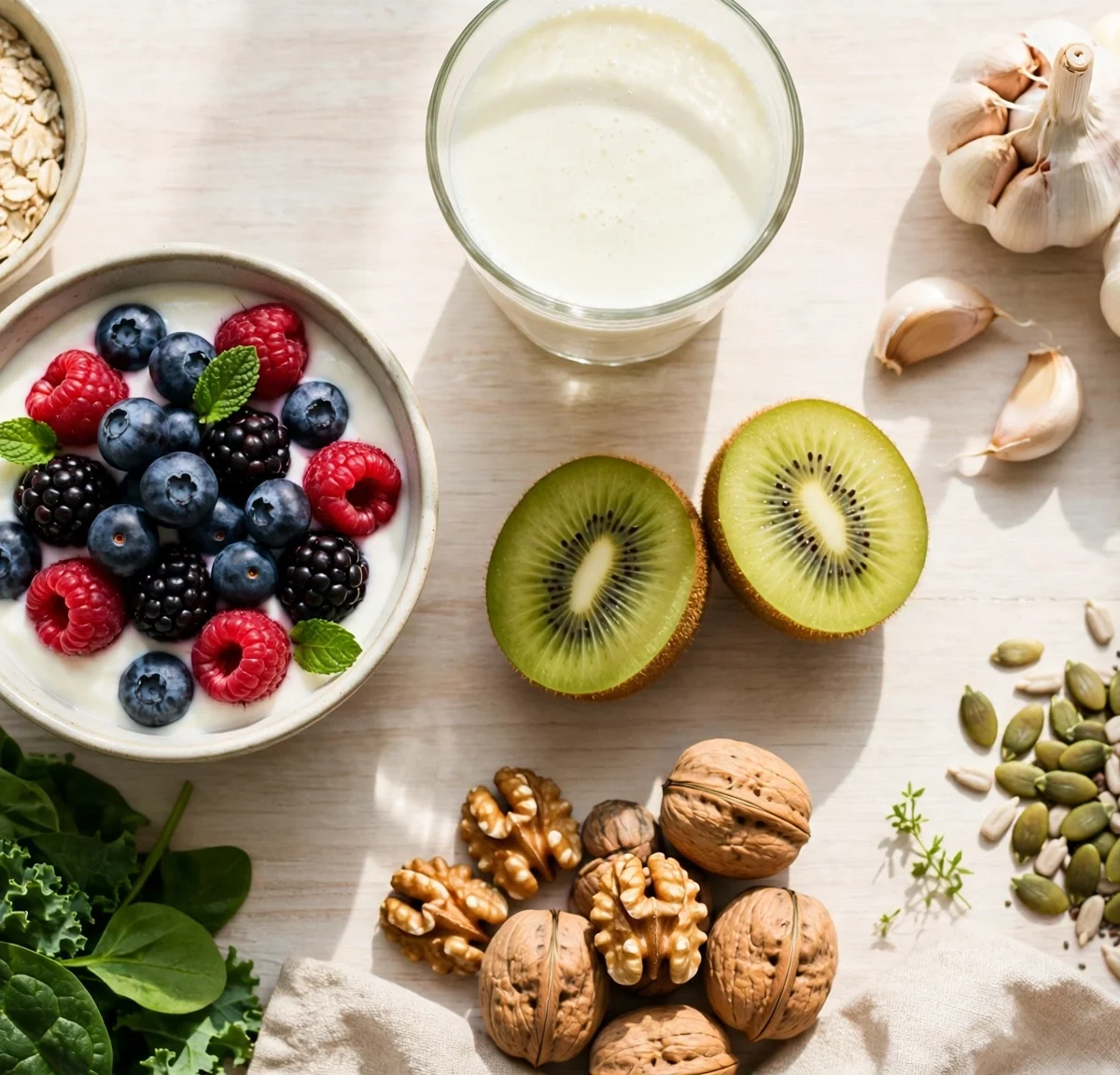
The best foods for gut health are high fibre plant foods, fermented foods with live cultures, and prebiotic foods that feed helpful gut bacteria. Yogurt, kefir, oats, beans, lentils, berries, apples, leafy greens, garlic, onions, nuts, seeds and olive oil form the core of a gut friendly diet, and the strongest evidence points to variety rather than any single food. This guide explains how each food group works, which foods help constipation and bloating, which foods to limit, and how long diet changes take to show results. It also covers a sample day of eating, a timeline for results, and answers to the most common questions about gut foods. The best foods for gut health fit into normal meals, cost little, and need no supplements to start.
Key Takeaways
- The best foods for gut health combine fibre, fermented foods and prebiotics in one varied diet.
- Yogurt, kefir, kimchi, sauerkraut, miso and tempeh add live microbes to the gut.
- Garlic, onions, leeks, asparagus, oats and slightly green bananas feed helpful bacteria.
- People who eat 30 or more different plant foods per week have more diverse gut microbiomes.
- Kiwifruit, prunes and rye bread carry the strongest food evidence for constipation.
- Gut bacteria can shift within 24 hours of a diet change, but lasting diversity takes weeks to months.
- Increase fibre slowly and drink 6 to 8 cups of fluid a day to avoid bloating.
What Are the Best Foods for Gut Health?
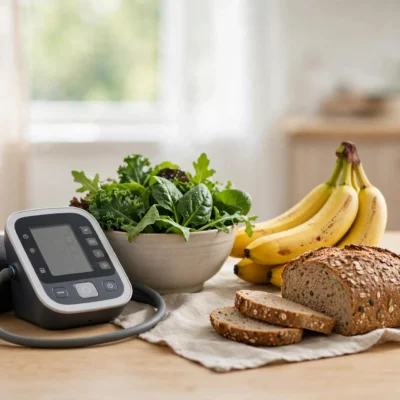
The best foods for gut health are high fibre plant foods, fermented foods with live cultures, and prebiotic foods that feed the bacteria already living in the colon. The strongest pattern is a mostly plant based, Mediterranean style diet: plenty of vegetables, fruit, wholegrains, beans and lentils, nuts, seeds and olive oil, with regular fermented foods and enough fluid. No single food earns the top spot. Research points to variety, so the goal is a wide mix of plants each week rather than one daily superfood. Digital Geek Spot covers health topics like this in the Health category so readers can find practical, evidence based food guides in one place.
How Do Gut Foods Work? Probiotics, Prebiotics and Fibre
Gut foods work through three routes: live microbes, food for microbes, and fibre that keeps digestion moving. Probiotics are live microorganisms that provide a health benefit when eaten in adequate amounts. Prebiotics are fibres and other substrates that helpful gut bacteria ferment for fuel. Fibre adds bulk to stool, softens it, and feeds beneficial gut bacteria at the same time. The gut microbiota is the community of trillions of microorganisms living in the digestive tract, and diet is one of the main factors that shapes it. When gut bacteria ferment fibre, they produce short chain fatty acids such as butyrate, which nourish the cells lining the colon and help keep the gut barrier strong. A 2014 Harvard study published in Nature showed that the gut microbiome can shift measurably within a single day of a diet change. Source: David et al. (2014). The American Gut Project, the largest microbiome study ever run with over 10,000 participants, found that people who ate 30 or more different plant species per week had far more diverse microbiomes than people who ate fewer than 10. Source: American Gut Project (2018). Diversity matters because a varied microbiome handles diet changes, stress and illness with more resilience than a narrow one.
What Are the Best Probiotic Foods for Gut Health?
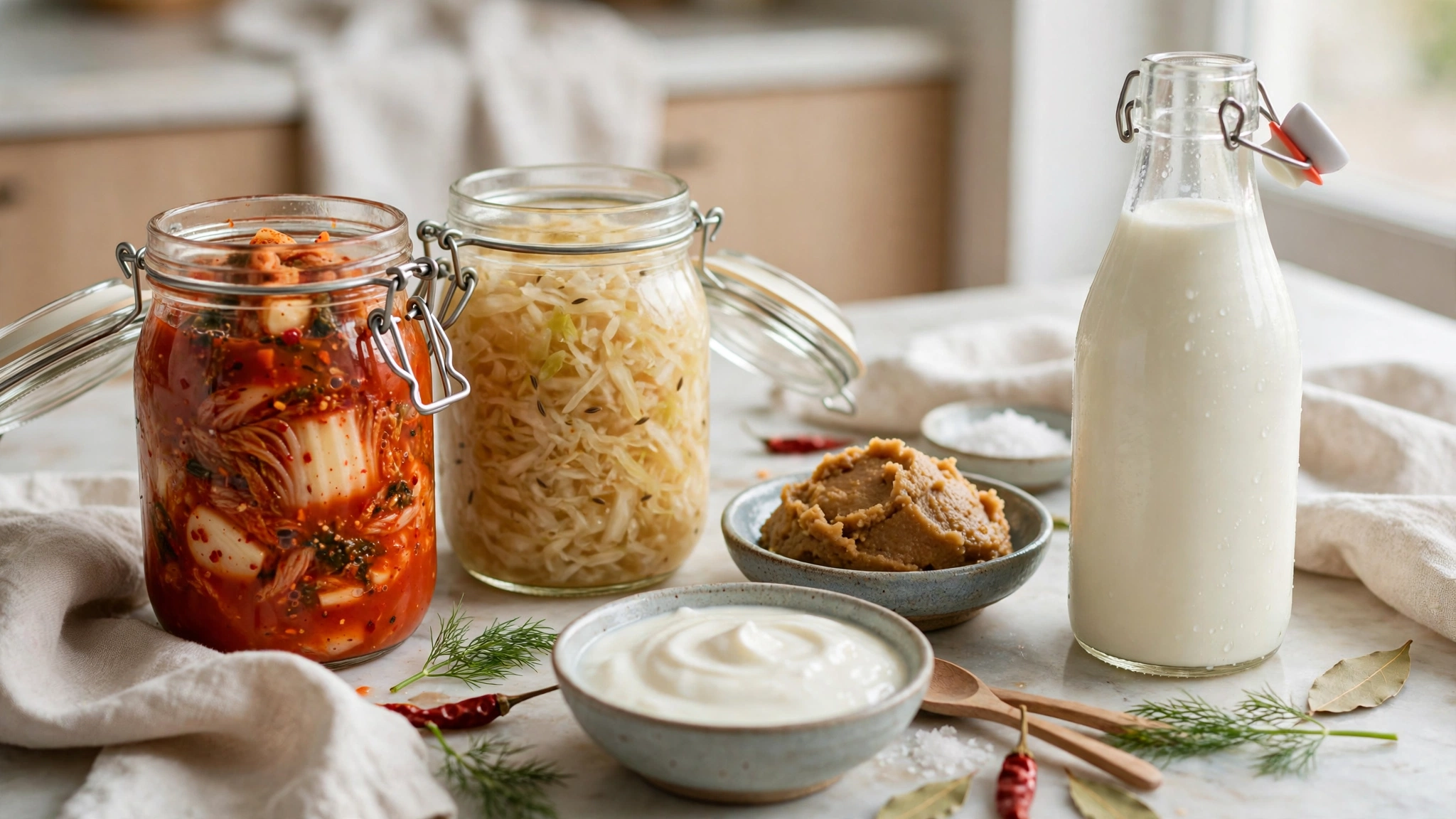
The best probiotic foods for gut health are fermented foods that still contain live cultures at the time of eating. Yogurt with live cultures is the most familiar choice, and kefir, a fermented milk drink, usually carries a wider range of bacterial strains than yogurt. Kimchi and sauerkraut add live cultures plus fibre from cabbage and other vegetables, while miso and tempeh bring fermented soy into soups and stir fries. Probiotics work best as a regular habit, so one small serving a day beats a large serving once a week. A 2021 Stanford study published in Cell found that a diet high in fermented foods increased microbiome diversity and decreased 19 inflammatory markers over 10 weeks in healthy adults. Source: Wastyk et al. (2021). Not every fermented product contains live cultures, so check labels for “live and active cultures” and pick plain yogurt over sweetened versions with added sugar. People with a weakened immune system or a serious illness should ask a clinician before adding probiotic foods or supplements, because live microbes carry a small risk for those groups. Kombucha and pickled vegetables in vinegar are often sold as gut foods, but vinegar pickles are not fermented and usually contain no live cultures, so they do not count as probiotic foods.
What Are the Best Prebiotic Foods for Gut Health?
The best prebiotic foods for gut health are garlic, onions, leeks, asparagus, oats, barley, slightly green bananas, Jerusalem artichokes, beans and lentils. These foods contain inulin and fructooligosaccharides, fibres that pass undigested to the colon where helpful bacteria such as Bifidobacterium ferment them. Garlic and onions are the easiest prebiotic foods to add, since most savoury cooking already uses them as a base. Oats deserve a special mention: they contain beta glucan, a soluble and fermentable fibre that feeds gut bacteria and supports regular bowel habits. Cooked and cooled potatoes or rice also help, because cooling creates resistant starch that gut bacteria ferment in the same way. Bananas change as they ripen, so slightly green bananas carry more resistant starch than fully ripe ones. Prebiotic foods work slowly, so add one new source at a time and give the gut a few days to adjust before adding the next. A sudden jump in prebiotic fibre can cause gas, so a gradual rise protects comfort while the microbiome adapts. For readers who want a broader view of how food timing and eating patterns shape digestion, our guide to intermittent fasting explains the evidence in plain terms.
Which High-Fibre Foods Help the Gut Most?
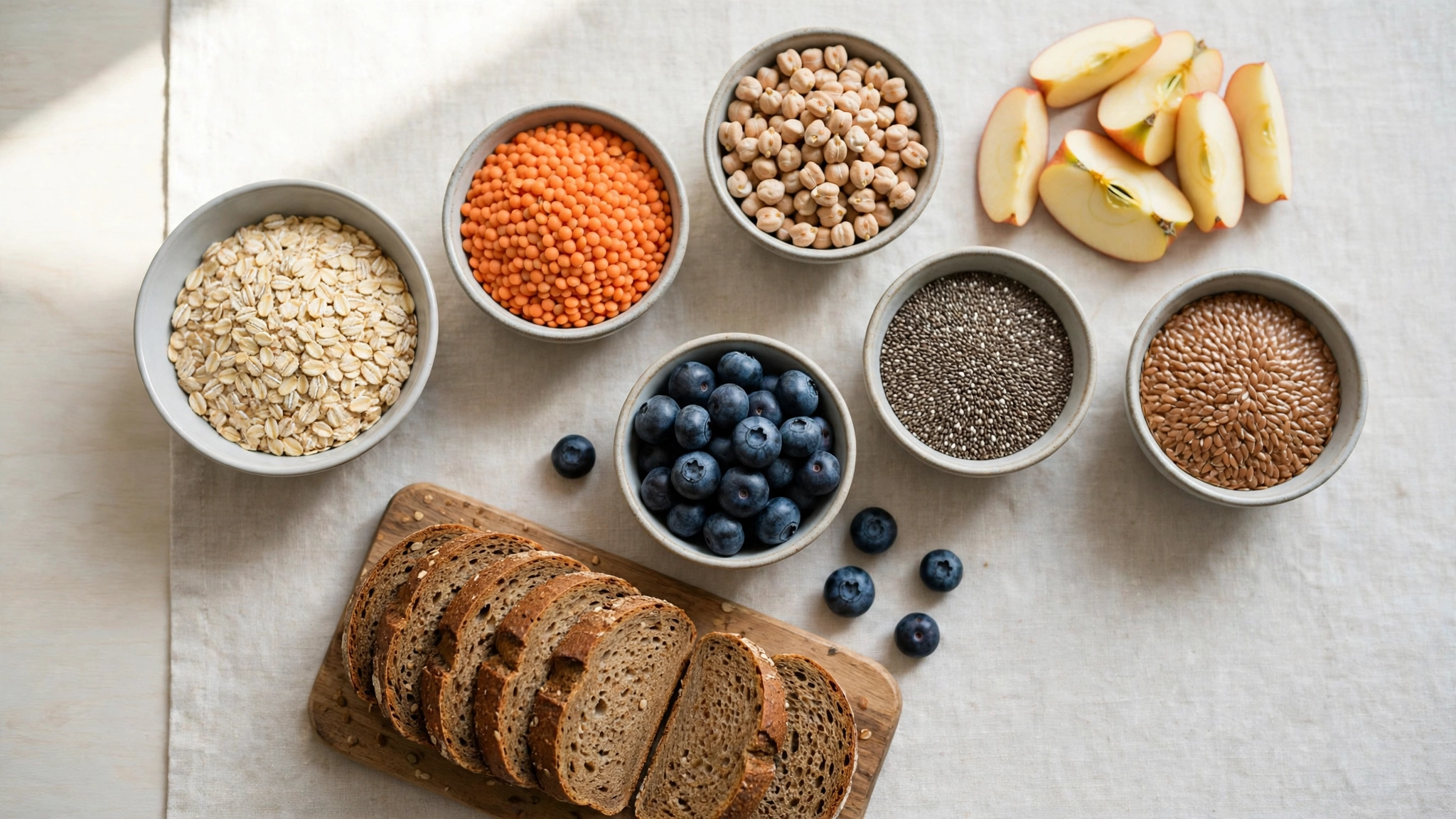
The best high fibre foods for gut health are oats, beans, lentils, chickpeas, berries, apples, pears, leafy greens, broccoli, carrots, wholegrains, nuts and seeds. Fibre is the daily foundation of gut health, and the UK guideline is 30 g of fibre a day for adults, while most adults eat only about 20 g. Source: NHS. Beans and lentils are among the most useful foods in this group, because they combine fibre, resistant starch, plant protein, potassium and magnesium at a low price. Berries and apples add soluble fibre plus polyphenols, plant compounds linked with greater microbial diversity. Leafy greens and cruciferous vegetables such as broccoli and cabbage add bulk and a wide range of plant fibres that feed different bacterial groups. Wholegrains such as rye bread, brown rice, barley and wholewheat pasta replace refined grains and keep fibre intake steady across the day. The table below ranks the most useful fibre foods by what each one adds.
| Food | Main fibre type | Why it helps the gut |
|---|---|---|
| Oats | Beta glucan, soluble fibre | Feeds Bifidobacterium, supports regular bowel habits |
| Beans and lentils | Soluble fibre, resistant starch | Feed many bacterial groups, high in potassium and magnesium |
| Berries | Soluble fibre, polyphenols | Support microbial diversity, easy daily serving |
| Apples and pears | Pectin, soluble fibre | Fermentable fibre for short chain fatty acid production |
| Leafy greens | Insoluble fibre | Add bulk, support bowel regularity |
| Rye bread | Arabinoxylan, soluble fibre | Strong trial evidence for constipation relief |
| Nuts and seeds | Mixed fibre, healthy fats | Add plant variety in small servings |
What Are the Best Foods for Gut Health When You Have Constipation?
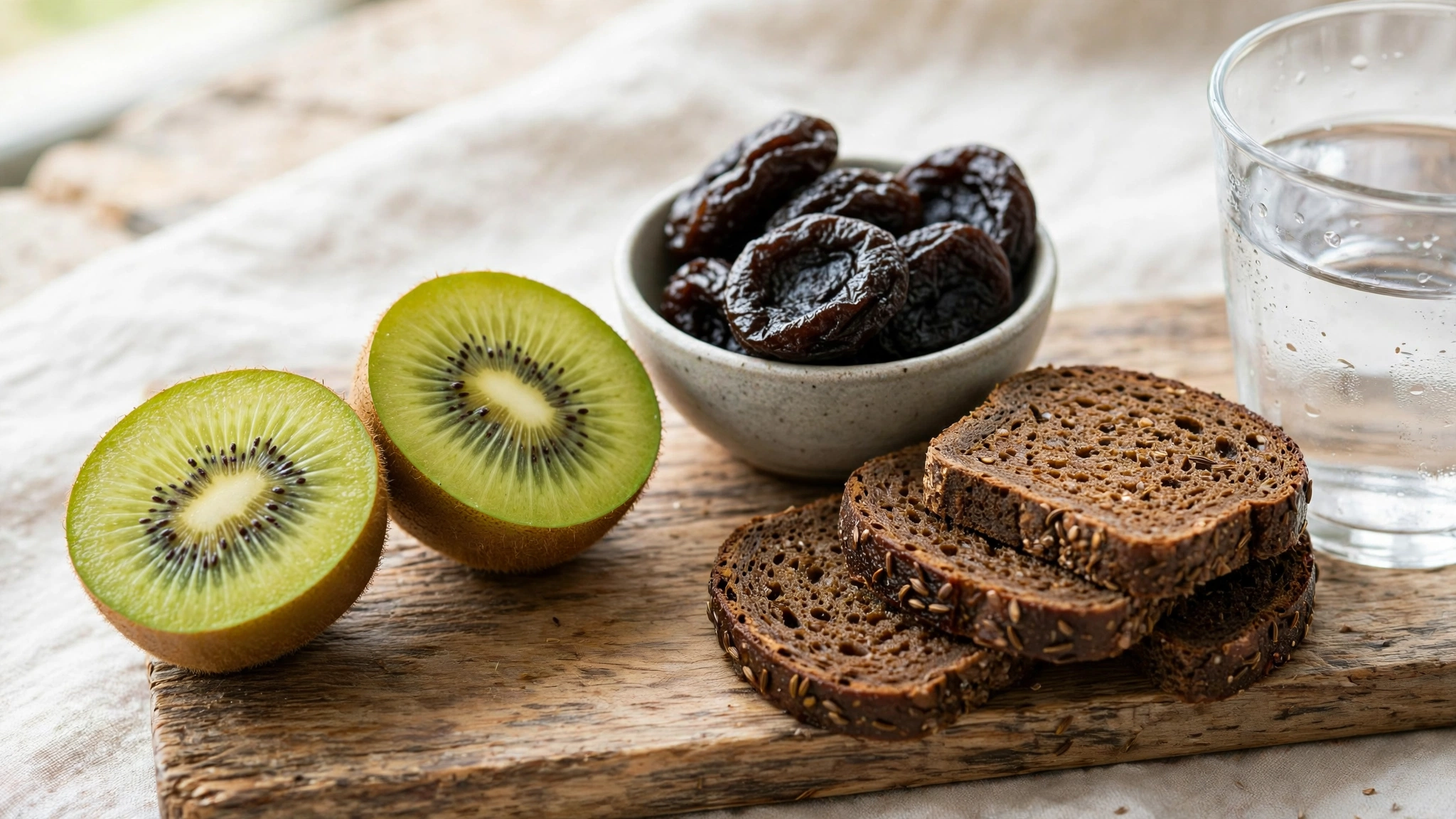
The best foods for gut health when you have constipation are kiwifruit, prunes and rye bread, because these three carry the strongest trial evidence of any single food. The 2025 British Dietetic Association guideline, which reviewed 75 randomised trials and produced 59 recommendations, suggests 2 to 3 kiwifruit a day for at least four weeks, and rye bread in place of white bread. Source: Dimidi et al. (2025). Kiwifruit works through a mix of fibre, water and the enzyme actinidin, which helps break down protein during digestion. Prunes add sorbitol, a sugar alcohol that draws water into the bowel, plus fibre and phenolic compounds. Rye bread adds fermentable fibre that softens stool and feeds helpful bacteria. Fluid matters as much as food: aim for 6 to 8 cups of fluid a day, and raise fibre intake slowly over a few weeks rather than all at once. A sudden fibre jump can cause bloating, so the slow route gives better results. People with constipation that lasts more than a few weeks, or with blood in the stool, unexplained weight loss or severe pain, should see a clinician rather than relying on food changes alone. In my own kitchen, the easiest change was swapping white bread for rye bread at breakfast and adding a spoonful of kefir to morning oats, and that small swap stayed in place because it needed no extra cooking time.
Best Foods for Gut Health vs Worst Foods: What to Limit
Gut health is shaped as much by what you limit as by what you add. The eating patterns most consistently worth limiting are diets high in ultra processed foods, added sugars and refined carbohydrates, frequent fried foods, processed meats and excess alcohol. Ultra processed foods often contain emulsifiers such as polysorbate 80 and carboxymethylcellulose, which can thin the protective mucus layer of the gut in animal studies. A 2022 randomised trial found that saccharin and sucralose impaired blood sugar responses in some participants, while stevia and erythritol showed gentler effects. Source: Suez et al. (2022). The table below pairs each food to limit with a simple swap, so the change stays practical.
| Limit this | Why it works against the gut | Eat this instead |
|---|---|---|
| Sugar sweetened drinks | Added sugar with no fibre | Water, sparkling water, unsweetened herbal tea |
| Ultra processed snacks | Low fibre, emulsifiers, additives | Nuts, seeds, fruit, plain yogurt |
| White bread and refined grains | Low fibre, displaces wholegrains | Oats, rye bread, brown rice, quinoa |
| Frequent fried foods | High saturated fat, low fibre pattern | Baked, roasted or air fried meals with vegetables |
| Processed meats | High sodium and preservatives, low fibre | Beans, lentils, fish, eggs, tofu, poultry |
| Excess alcohol | Thins gut mucus lining, cuts diversity | Alcohol free days each week, water with meals |
How Long Does It Take for Gut Foods to Work?
Gut foods start to work fast, but lasting change takes weeks. Bacterial populations can shift within 24 hours of a diet change, as the 2014 Harvard study showed. Most people notice less bloating and more regular bowel movements within 1 to 2 weeks of higher fibre and fermented food intake. Measurable rises in helpful bacterial groups such as Bifidobacterium and Lactobacillus usually appear at 4 to 6 weeks. Significant gains in microbiome diversity and lower inflammatory markers take 3 to 6 months of steady eating. A stable, resilient microbiome that handles occasional poor meals without trouble takes 12 months or more.
| Timeframe | What usually changes |
|---|---|
| 24 hours | Gut bacteria start to shift with a new diet |
| 1 to 2 weeks | Less bloating, more regular bowel movements |
| 4 to 6 weeks | Helpful bacterial groups rise, energy and sleep often improve |
| 3 to 6 months | Greater microbiome diversity, lower inflammatory markers |
| 12 months or more | Stable, resilient microbiome that tolerates occasional poor meals |
How to Build a Gut-Friendly Day of Eating
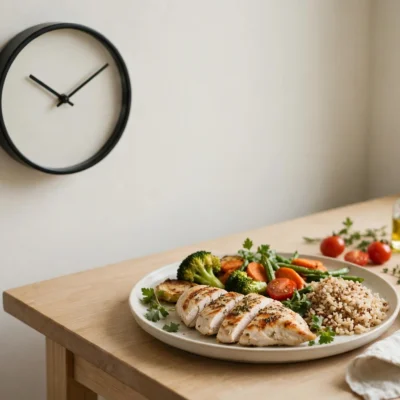
A gut friendly day of eating needs no special shopping trip, only a few swaps inside normal meals. Breakfast can be oats with berries, chia or flax seeds, and yogurt or kefir. Lunch can be a lentil soup or a bean salad with wholegrain bread, leafy greens and olive oil. Dinner can be vegetables, brown rice or barley, and a fermented side such as kimchi or sauerkraut. Snacks can be an apple with walnuts, a banana, or a small bowl of berries. Water stays the main drink through the day. The 30 plants a week target sounds large, but herbs, spices, nuts, seeds, grains, fruits and vegetables all count, so a varied week reaches it without effort. Start with one fermented food and one extra fibre rich plant each day, then build from there. Keep portions steady and raise fibre by about 5 g a day each week, which avoids the gas and bloating that a sudden jump causes.
Can Gut Foods Help With Bloating, IBS or Other Symptoms?
Gut foods can help with mild bloating and irregular bowel habits, but they need care in sensitive guts. High fibre and fermented foods sometimes worsen bloating in the first 1 to 2 weeks, and the symptoms usually ease as the gut adjusts. People with irritable bowel syndrome (IBS) face a trade off: many prebiotic foods such as onions, garlic, wheat and legumes are high in FODMAPs, fermentable carbohydrates that can trigger IBS symptoms, even though the same fibres feed helpful bacteria. People with small intestinal bacterial overgrowth (SIBO), reflux or histamine intolerance should also individualise changes with a clinician or registered dietitian. NICE advises people with IBS who choose to try probiotics to take them for at least four weeks while watching the effect. Source: NICE CG61. Persistent or unexplained abdominal pain, bloating or altered bowel habits lasting more than a few weeks need medical review. Food is a strong tool for gut health, and it is not a substitute for diagnosis or treatment when symptoms persist.
Frequently Asked Questions
What is the single best food for gut health?
There is no single best food for gut health. Research points to variety: a mix of high fibre plants, wholegrains, pulses and fermented foods beats any one ingredient. Yogurt, kefir, oats, beans, lentils, fruit and vegetables are good places to start, and the American Gut Project links 30 or more different plants a week with greater microbiome diversity.
Are bananas good for gut health?
Yes, bananas are good for gut health. Slightly green bananas contain resistant starch that feeds helpful gut bacteria, while ripe bananas add soluble fibre and potassium. Bananas are gentle on sensitive stomachs, so they suit people who find raw vegetables or beans hard to digest. Eat one a day as part of a varied diet.
Is yogurt or kefir better for gut health?
Kefir usually carries a wider range of bacterial strains than yogurt, but both help gut health when they contain live cultures. Yogurt is easier to find and cook with, while kefir works well as a drink or poured over oats.
How many grams of fibre do I need a day for gut health?
Adults should aim for 30 g of fibre a day, while most adults eat only about 20 g. Raise intake slowly over a few weeks, by about 5 g a day each week, and drink 6 to 8 cups of fluid a day. A sudden fibre jump can cause gas and bloating, so the gradual route gives better results.
Can gut foods help with constipation?
Yes, gut foods can help with constipation. Kiwifruit, prunes and rye bread carry the strongest trial evidence: the 2025 British Dietetic Association guideline suggests 2 to 3 kiwifruit a day for at least four weeks. Fluid matters too, so drink 6 to 8 cups a day. See a clinician if constipation lasts more than a few weeks.
Is best foods for gut health safe for people with IBS?
Best foods for gut health are safe for many people with IBS, but some high fibre and fermented foods can worsen bloating, IBS, SIBO or reflux. High FODMAP foods such as onions, garlic, wheat and legumes trigger symptoms in some people with IBS. Add foods one at a time, watch the effect for a week, and ask a dietitian.
What foods should I avoid for gut health?
Limit ultra processed foods, added sugar, refined grains, frequent fried foods, processed meats and excess alcohol. These patterns link with lower microbial diversity and a weaker gut barrier. Some artificial sweeteners such as saccharin and sucralose can also alter gut bacteria. Focus on what you add first, then cut back on these foods step by step.
Conclusion
The best foods for gut health are ordinary foods eaten with variety: yogurt and kefir, kimchi and sauerkraut, oats and barley, beans and lentils, berries and apples, leafy greens, garlic and onions, nuts and seeds, and olive oil. Fibre feeds helpful bacteria, fermented foods add live cultures, and prebiotic foods keep those bacteria fed. Kiwifruit, prunes and rye bread lead the evidence for constipation, while the 30 plants a week target gives a simple goal for diversity. Change works fast at first, with bacteria shifting within a day, and it deepens over weeks and months of steady eating. Start with one fermented food and one extra fibre rich plant each day, raise fibre slowly, drink enough fluid, and limit ultra processed foods, added sugar and excess alcohol. Readers who want more practical health guides can find them on Digital Geek Spot, where new food and wellness articles appear every day.
Read more on Digital Geek Spot: see why water matters for digestion in the benefits of drinking water every day.