


Last updated: November 2026 | Written by James Foster for Digital Geek Spot
Intermittent fasting is an eating pattern that cycles between set periods of eating and periods of fasting, and it focuses on when you eat rather than what you eat. The most common version, the 16/8 method, limits eating to 8 hours a day and fasts for the other 16 hours. Intermittent fasting works by lowering insulin between meals, and the body then burns stored fat for fuel. Research links the pattern to weight loss, better blood sugar control and lower inflammation, though results depend on food quality and calories.
This guide explains the 5 main methods, the benefits, the risks, who should avoid fasting, and a simple 7-day plan to start safely. It also covers what to eat and drink during a fast and the comparison with plain calorie restriction.
Key Takeaways
- Intermittent fasting is a meal timing pattern, not a diet: it sets eating windows and fasting windows.
- The 16/8 method is the easiest starting point: fast 16 hours, eat in an 8-hour window.
- Weight loss from intermittent fasting comes from a calorie deficit, not from fasting alone.
- A 2026 Cochrane analysis of 22 trials found weight loss nearly identical to calorie restriction.
- Pregnant women, people with eating disorder history, and people on diabetes medication should talk to a doctor first.
Table of Contents
- What Is Intermittent Fasting?
- How Does Intermittent Fasting Work?
- What Are the Main Types of Intermittent Fasting?
- What Are the Benefits of Intermittent Fasting?
- Is Intermittent Fasting Safe?
- How to Start Intermittent Fasting: A 7-Day Beginner Plan
- What Can You Eat and Drink During Intermittent Fasting?
- Intermittent Fasting vs Calorie Restriction: Which Works Better?
- 5 Common Mistakes to Avoid
- Conclusion
- Frequently Asked Questions
What Is Intermittent Fasting?
Intermittent fasting is an eating pattern that alternates between periods of eating and periods of fasting on a set schedule. It does not ban any food group. It tells you when to eat. During a fasting window you take in no calories, or very few, and during an eating window you eat normal meals. The pattern has 4 main forms: time-restricted eating, alternate-day fasting, the 5:2 diet and whole-day fasting.
The idea spread because it is simple: no calorie counting, no banned foods, no special shopping. A shorter eating window makes overeating harder, and most people cut 300 to 500 calories a day. The Health section of Digital Geek Spot covers eating patterns like this one. The trap is the eating window: fill it with large portions of low-quality food and the calorie deficit disappears.
How Does Intermittent Fasting Work?
Intermittent fasting works through a fuel switch called the metabolic switch. After a meal, the body burns glucose from food, and the pancreas releases insulin to move that glucose into cells. After about 10 to 12 hours without food, glucose stores run low. The body then burns stored fat and makes ketone bodies for fuel, a state called ketosis. Insulin falls during the fast, and low insulin lets the body reach stored fat more easily.
Two more changes happen during a fast. Human growth hormone rises, which helps protect muscle while the body burns fat. Cells also shift energy from digestion toward repair, including autophagy, the cleanup of damaged parts. A 2018 study by Sutton and colleagues found that early time-restricted feeding improved insulin sensitivity in men with prediabetes.
What Are the Main Types of Intermittent Fasting?
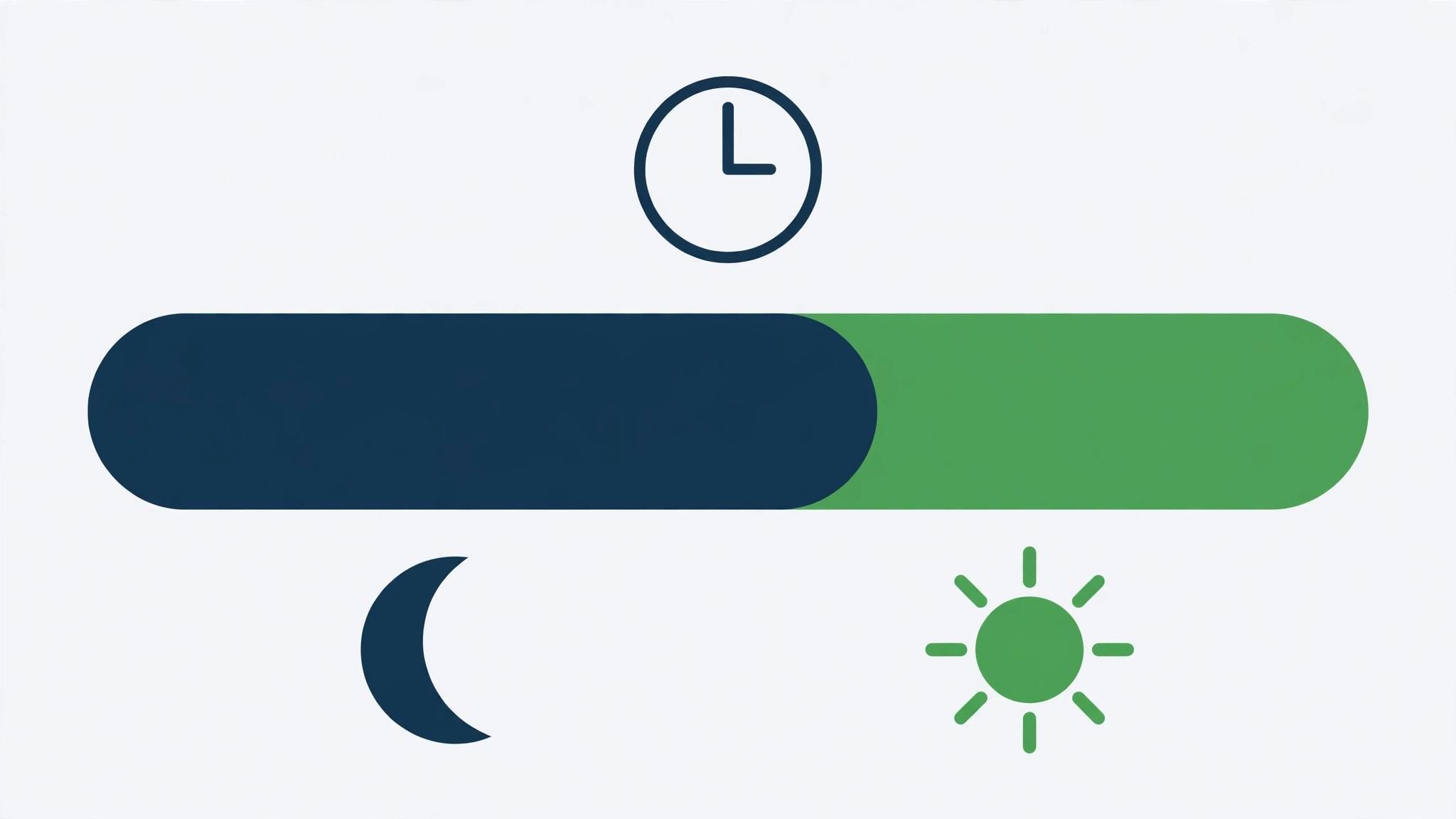
Intermittent fasting has 5 main methods: 16/8, 14/10, 5:2, alternate-day fasting and OMAD. The 16/8 method is the most popular and the easiest to sustain. Each method uses a different split of fasting and eating time, and each suits a different lifestyle.
| Method | Fasting pattern | Difficulty | Best for |
|---|---|---|---|
| 16/8 | Fast 16 hours, eat in 8 hours, daily | Easy | Beginners |
| 14/10 | Fast 14 hours, eat in 10 hours, daily | Very easy | First-time fasters |
| 5:2 diet | Eat normally 5 days, eat about 500 calories on 2 days | Moderate | Flexible eaters |
| Alternate-day fasting | Eat very little every other day | Hard | Experienced fasters |
| OMAD | One meal a day, fast about 23 hours | Very hard | Short trials |
The 16/8 method usually means skipping breakfast and eating between noon and 8 pm. Start with 14/10 for a week, then move to 16/8. Alternate-day fasting and OMAD carry a higher risk of overeating on feast days. A detailed history of the main intermittent fasting methods is available on Wikipedia.
What Are the Benefits of Intermittent Fasting?
Intermittent fasting has 5 main benefits supported by research: weight loss, better insulin sensitivity, lower blood pressure, lower inflammation and simpler meal planning. Weight loss is the best proven benefit. A 2022 review in Nutrients found that intermittent fasting over 4 to 24 weeks produced weight loss of 4 to 10 percent in overweight people. A 2026 guide reports average losses of 3 to 8 percent of body weight in 8 to 12 weeks.
Fasting lowers insulin between meals, which improves insulin sensitivity over time. The 2018 Sutton study showed that early time-restricted feeding improved insulin sensitivity and blood pressure in men with prediabetes, even without weight loss. Some studies also report lower LDL cholesterol, lower triglycerides and lower blood pressure, and a 2019 review in the New England Journal of Medicine linked intermittent fasting to better markers for obesity, diabetes and cardiovascular disease. Sleep plays a part in the same health picture, so read our guide on how sleep affects immune health.
The honest limit matters. A 2026 Cochrane analysis of 22 trials with 1,995 participants found that intermittent fasting produced nearly identical weight loss to conventional calorie-restricted dieting. A 2025 study found that time-restricted eating showed no measurable metabolic improvements when calorie intake stayed the same. Intermittent fasting is a tool for eating less, not a shortcut around calories.
Is Intermittent Fasting Safe?
Intermittent fasting is safe for most healthy adults when done correctly, and it is not safe for everyone. Common side effects in the first week include hunger, headaches, tiredness, irritability and trouble concentrating. These effects usually fade within 3 to 7 days as the body adapts. Drinking water, adding a pinch of salt to meals and sleeping well reduce most of them.
Some people should not fast, or should fast only with a doctor’s guidance. The Cleveland Clinic advises avoiding fasting for people who are underweight, pregnant or breastfeeding, people with a history of eating disorders, people on diabetes medication, people with low blood sugar history, and people with end-stage liver or chronic kidney disease. Children and teenagers should not fast.
Women should watch for warning signs: irregular periods, poor sleep or constant fatigue on strict schedules. 14/10 is a safer starting point than 16/8. Older adults over 65 should be careful too, because fasting can speed up muscle loss when protein intake is low. Anyone who feels dizzy, faint or unwell during a fast should eat and stop for the day.
Medication timing is a real risk. Some medicines must be taken with food, and fasting changes when blood sugar medicines work. People who take any daily medication should check timing with a doctor or pharmacist before starting. Fat-soluble vitamins absorb better with food, so take supplements in the eating window.
How to Start Intermittent Fasting: A 7-Day Beginner Plan
Start with a 7-day plan that begins at 12/12 and moves to 14/10, then to 16/8. The slow build lets hunger hormones adjust, and it avoids the headaches of a sudden 16-hour fast on day one.
- Days 1 and 2: use a 12/12 schedule. Finish dinner by 8 pm and eat breakfast at 8 am. Drink water first thing in the morning.
- Days 3 and 4: move to 14/10. Finish dinner by 8 pm, eat your first meal at 10 am. Black coffee or plain tea is allowed.
- Days 5 to 7: try 16/8. Eat your first meal at noon and finish dinner by 8 pm. Keep the window fixed.
- Plan your first meal. Break each fast with protein and fiber, such as eggs with whole grain bread or yogurt with oats.
- Plan your last meal. Eat a filling dinner with protein, vegetables and healthy fats.
- Track hunger, energy and sleep. Note how you feel each morning. Hunger in the first 3 days is normal, and it fades.
- Review the week. If 16/8 felt easy, keep it. If it felt hard, stay at 14/10 for another week.
Eat normal meals in the window. Eating very little all day and then fasting leads to low energy and overeating the next day. Aim for a steady deficit of 300 to 500 calories a day. Most people lose 0.5 to 1 kg per week at that pace.

What Can You Eat and Drink During Intermittent Fasting?
During a fast, water, black coffee, plain tea and sparkling water are allowed, and anything with calories is not. If it has calories, it breaks the fast. A splash of milk in coffee adds about 20 calories, so purists skip it.
| Allowed during a fast | Breaks a fast |
|---|---|
| Water, still or sparkling | Milk, cream or sugar in coffee |
| Black coffee, no sugar | Juice, soda or sweetened drinks |
| Plain green, black or herbal tea | Food of any kind, including gum with sugar |
| Salt, electrolytes without sugar | Protein shakes, bone broth |
| Apple cider vinegar in water | Alcohol |
In the eating window, food quality decides the result. A good plate has protein at every meal, vegetables at lunch and dinner, whole grains for slow energy, and healthy fats from olive oil, nuts or fish. Processed snacks, sugary drinks and fried food still count against the calorie target, even inside the window. Vitamin D is one nutrient many fasters overlook, and our guide on vitamin D deficiency signs and fixes explains the signs.
Supplements need care. A multivitamin is fine in the eating window, and creatine and electrolytes without sugar are fine during a fast. Protein powder breaks a fast, because it has calories. The fuel switch behind all of this is ketosis, where the body burns fat and makes ketone bodies, explained on the ketosis page on Wikipedia.
Intermittent Fasting vs Calorie Restriction: Which Works Better?
Intermittent fasting and calorie restriction give nearly the same weight loss, so pick the one you can keep. The 2026 Cochrane analysis of 22 trials with 1,995 participants found no meaningful difference in weight loss or quality of life between them.
| Factor | Intermittent fasting | Calorie restriction |
|---|---|---|
| Weight loss over 12 weeks | 3 to 8 percent of body weight | 3 to 8 percent of body weight |
| Daily effort | Follow a clock, no counting | Count calories at every meal |
| Hunger | Stronger at first, fades in a week | Steady, lower peaks |
| Social meals | Harder with a closed window | Easier, any meal fits |
| Evidence quality | Growing, mostly short trials | Strong, decades of trials |
| Best for | People who hate counting calories | People who want flexible meal times |
Pick intermittent fasting when you prefer rules about time over rules about numbers. Pick calorie restriction when your schedule changes daily and a fixed window is hard to keep. Some people combine the two: a 16/8 window plus a rough calorie target.
5 Common Mistakes to Avoid
The 5 common mistakes are overeating in the window, fasting too aggressively, skipping protein, ignoring sleep and quitting after 3 days.
- Overeating in the window. A 16-hour fast does not cancel a 1,500-calorie dinner. Keep portions normal.
- Fasting too aggressively. Jumping straight to OMAD or alternate-day fasting causes fatigue and binge eating.
- Skipping protein. Low protein during fasting speeds up muscle loss. Aim for protein at every meal in the window.
- Ignoring sleep. Poor sleep raises hunger hormones. Aim for 7 to 9 hours a night.
- Quitting after 3 days. The first 3 days are the hardest, and hunger fades after that. Judge the method after 2 full weeks.
Conclusion
What is intermittent fasting? It is a meal timing pattern that sets eating windows and fasting windows, and it works by lowering insulin and shifting the body to burn stored fat. The 16/8 method is the easiest place to start, and a 7-day plan that builds from 12/12 to 16/8 gives the body time to adapt. Research supports weight loss, better insulin sensitivity and lower inflammation, and the 2026 Cochrane analysis shows weight loss matches calorie restriction. The method is safe for most healthy adults, but not for pregnant women, people with eating disorder history, or people on diabetes medication without a doctor’s guidance. Start slowly, eat well in the window, drink water through the fast, and judge after 2 full weeks.
Read more health guides on Digital Geek Spot and try the 7-day plan above to see if the pattern fits your routine.
Frequently Asked Questions
What is intermittent fasting in simple words?
Intermittent fasting is an eating pattern that cycles between periods of eating and fasting on a set schedule. It focuses on when you eat rather than what you eat. The most common method is 16/8: fast 16 hours and eat all meals inside an 8-hour window.
What are the benefits of intermittent fasting?
The main benefits are weight loss, better insulin sensitivity, lower blood pressure and lower inflammation. A 2022 review in Nutrients found 4 to 10 percent body weight loss over 4 to 24 weeks. Benefits depend on food quality and total calories, not on fasting alone.
Is intermittent fasting safe?
Yes, it is safe for most healthy adults when done correctly. It is not safe for pregnant or breastfeeding women, people with a history of eating disorders, people on diabetes medication, or children and teenagers. These groups should talk to a doctor before fasting.
How long does it take to see results from intermittent fasting?
Most people notice less bloating and steadier energy within 1 to 2 weeks. Measurable weight loss usually starts in 2 to 4 weeks, at 0.5 to 1 kg per week. Research reports average losses of 3 to 8 percent of body weight in 8 to 12 weeks.
What can I drink during intermittent fasting?
You can drink water, black coffee, plain tea and sparkling water during a fast. These have no calories and do not break the fast. Milk, sugar, juice, soda and alcohol break a fast, because they add calories and raise insulin.
Does coffee break intermittent fasting?
No, black coffee does not break intermittent fasting, because it has almost no calories. Coffee with milk, cream, sugar or sweetened syrup breaks a fast. Plain tea works the same way: unsweetened tea is fine, and sweetened tea is not.



1 Comment