Written by James Foster for Digital Geek Spot. Last updated: November 2026.
Introduction
How to lower blood pressure naturally comes down to daily habits that work together: eating the DASH pattern, cutting salt to 1,500 mg a day, moving 150 minutes a week, losing a few kilograms, sleeping 7 to 9 hours, and managing stress. Each habit adds a measurable drop, and the full set works better than any single change. No single habit does the job alone, and results build over weeks, not days. This guide explains each method with the numbers behind it, shows how to measure blood pressure correctly at home, gives a 4-week starter plan, and answers the most common questions. It also covers which supplements have real evidence, which foods hide the most salt, and when a doctor visit is the right next step.
Key Takeaways
- How to lower blood pressure naturally starts with food: the DASH pattern lowered systolic pressure by up to 11 mmHg in people with hypertension.
- Cutting salt to 1,500 mg a day can lower systolic pressure by 5 to 6 mmHg.
- Regular aerobic exercise lowers systolic pressure by 5 to 8 mmHg, and each kilogram of weight lost lowers it by about 1 mmHg.
- Home readings beat single clinic readings, but only with the right cuff size and technique.
- Lifestyle changes take 2 to 4 weeks to show a clear effect.
- A reading of 180/120 mmHg or higher with chest pain, breathlessness or vision changes needs urgent care.
What Is High Blood Pressure?
High blood pressure is a long term condition in which the force of blood against artery walls stays too high. Blood pressure is written as two numbers in millimetres of mercury (mmHg): systolic pressure, the top number, measures pressure when the heart beats, and diastolic pressure, the bottom number, measures pressure between beats. Normal blood pressure is below 120/80 mmHg. Stage 1 hypertension starts at 130/80 mmHg, and stage 2 starts at 140/90 mmHg. Hypertension affects about 33 percent of adults worldwide, and about half of those people do not know they have it. Source: World Health Organization (2019). Find more health guides in the Health category at Digital Geek Spot.
| Category | Systolic (mmHg) | Diastolic (mmHg) |
|---|---|---|
| Normal | Below 120 | Below 80 |
| Elevated | 120 to 129 | Below 80 |
| Stage 1 hypertension | 130 to 139 | 80 to 89 |
| Stage 2 hypertension | 140 or higher | 90 or higher |
| Hypertensive crisis | 180 or higher | 120 or higher |
Can You Lower Blood Pressure Without Medication?
Yes, you can lower blood pressure without medication in many cases. The American Heart Association and the American College of Cardiology list diet, exercise, weight loss, less salt, less alcohol, more sleep and stress control as first line treatment. Combined changes beat any single change: diet plus exercise plus salt reduction can lower systolic pressure by 10 to 15 mmHg. Results take 2 to 4 weeks to appear and keep improving over 2 to 3 months. Medication is still the right choice for stage 2 hypertension and for readings that stay high after 3 months of real lifestyle change. Never stop prescribed blood pressure medication without a clinician agreeing the change, because stopping suddenly can cause a dangerous rebound rise.
How to Lower Blood Pressure Naturally Through Food
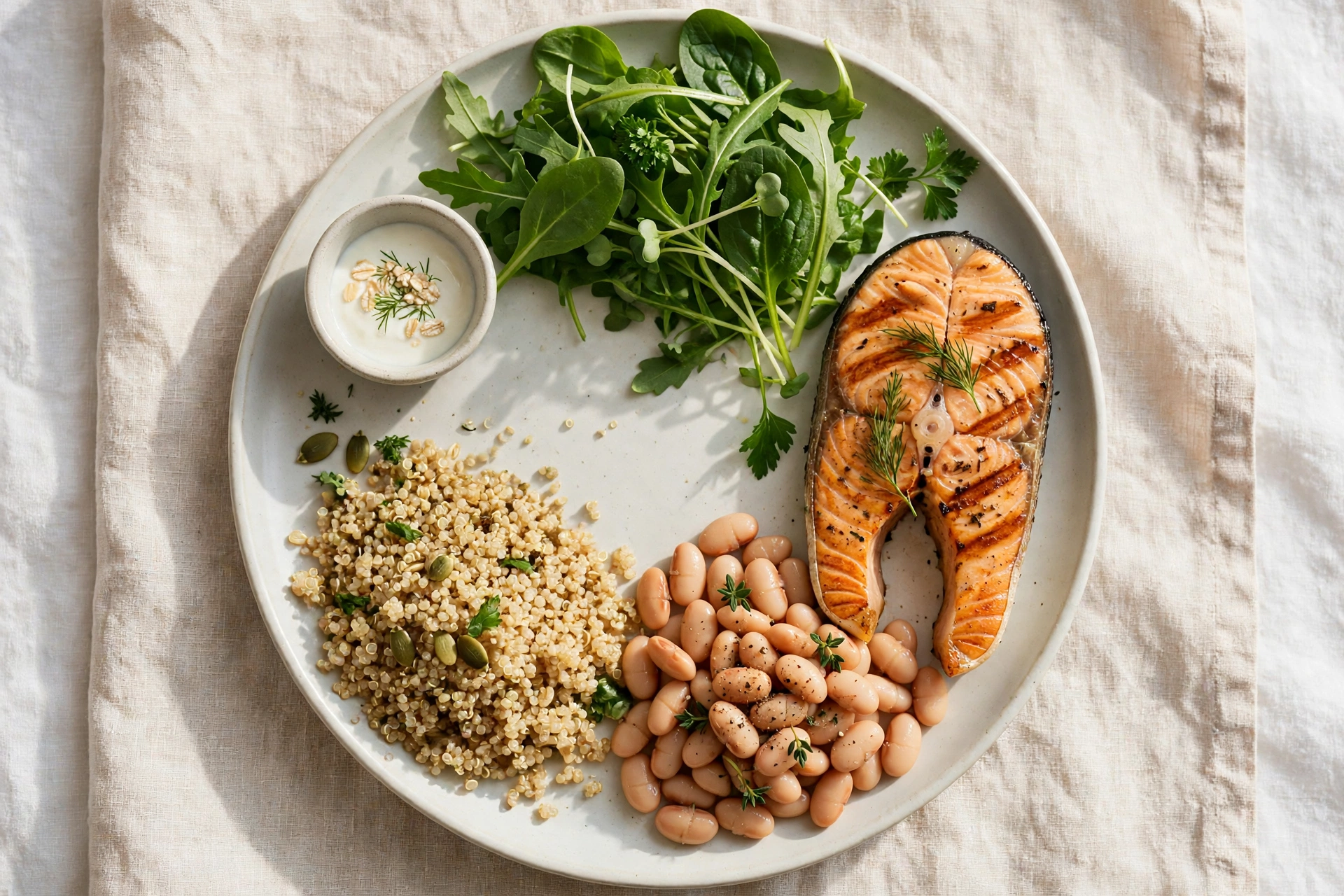
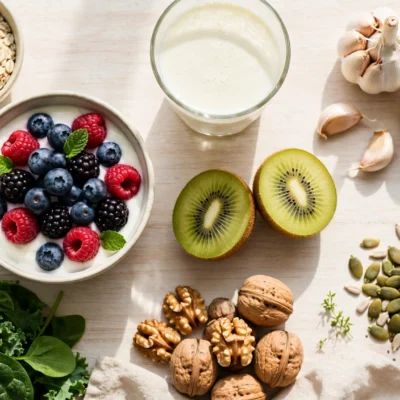
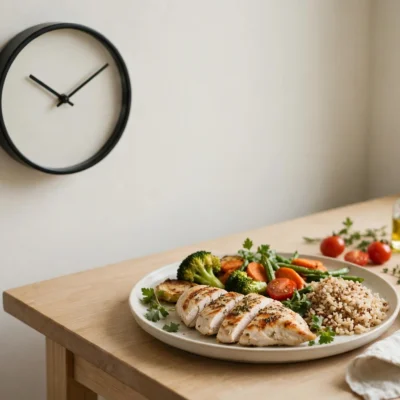
To lower blood pressure naturally through food, follow the DASH eating pattern and cut salt at the same time. The DASH diet (Dietary Approaches to Stop Hypertension) is rich in fruits, vegetables, whole grains, low fat dairy, fish, poultry, beans and nuts, and low in red meat, sweets and added fats. In the original DASH trial, the eating pattern lowered systolic blood pressure by 6 mmHg in people with high normal pressure and by 11 mmHg in people with hypertension. Source: National Heart, Lung, and Blood Institute (1997). A daily DASH plate at 2,000 calories means 6 to 8 servings of whole grains, 4 to 5 servings of fruit, 4 to 5 servings of vegetables and 2 to 3 servings of low fat dairy, with nuts, seeds or beans across the week. Start with two swaps: replace one salty snack a day with fruit and nuts, and replace one processed meat serving a week with beans. The fastest acting foods are the potassium rich ones: leafy greens, beetroot, bananas, potatoes, beans and lentils, eaten daily. A handful of unsalted nuts a day was linked with a 20 percent lower risk of developing hypertension for each extra 28 gram serving in a 2026 analysis of 8 studies covering 143,380 adults. Source: British Journal of Nutrition (2026).
How Much Exercise Lowers Blood Pressure?
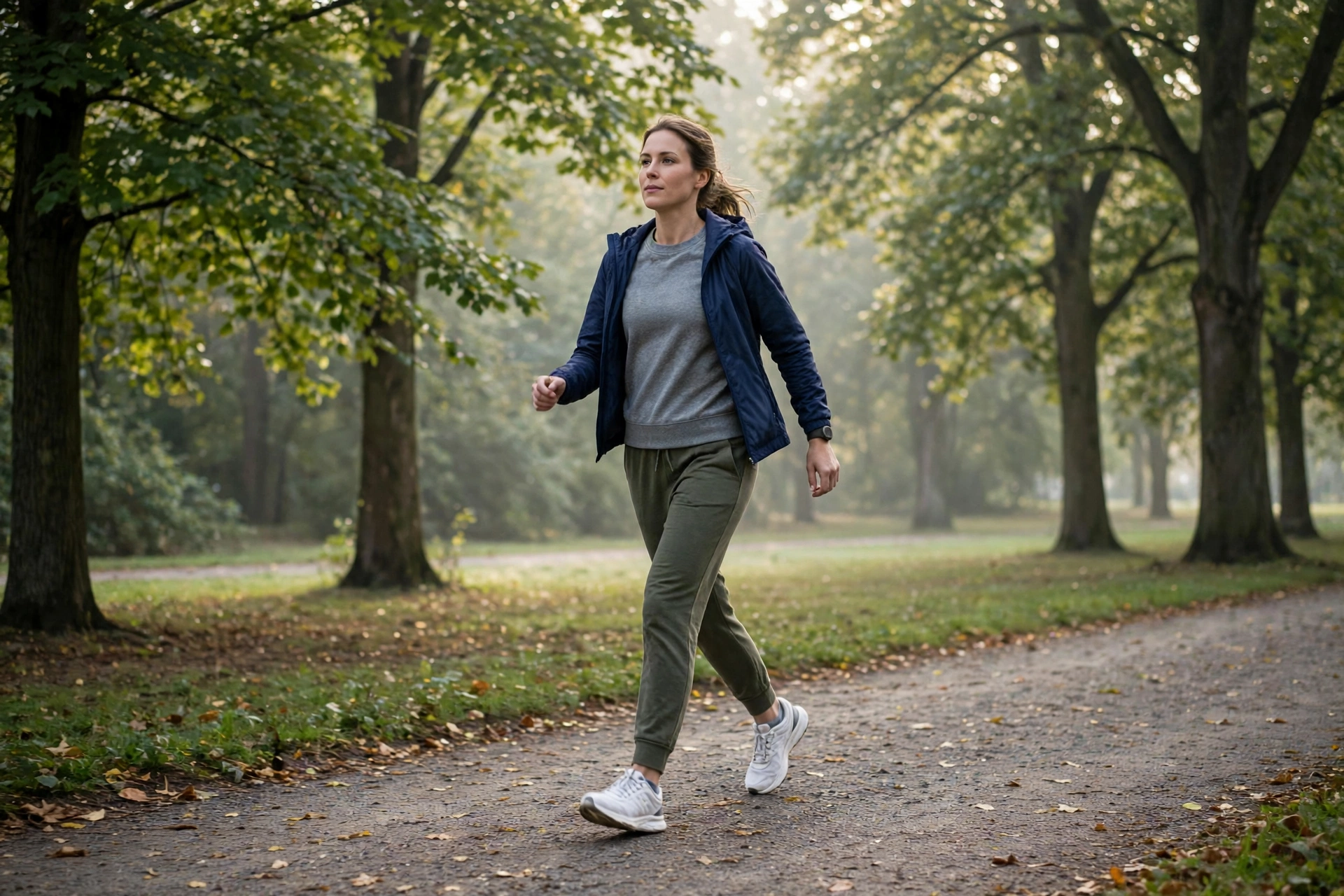
Regular aerobic exercise lowers systolic blood pressure by about 5 to 8 mmHg, and the effect lasts only while the habit continues. Source: Mayo Clinic (2026). The standard target is 150 minutes of moderate aerobic activity a week, or 75 minutes of vigorous activity, plus strength training on 2 days a week. Brisk walking, cycling, swimming, jogging and dancing all count. Strength training adds a further benefit on top of aerobic exercise. Start with walking: 30 minutes of brisk walking on 5 days a week. Our guide to the benefits of walking 10,000 steps a day shows how step targets turn into a daily habit. Blood pressure stays lower for up to 24 hours after a session, so regular sessions keep the average down.
Does Losing Weight Lower Blood Pressure?
Yes, losing weight lowers blood pressure, and it is the strongest single lifestyle factor for people who carry extra weight. Source: Mayo Clinic (2026). Blood pressure falls by about 1 mmHg for each kilogram (about 2.2 pounds) of weight lost. Losing 5 to 10 kilograms often produces a clear drop even when the person stays above their target weight. Crash diets backfire, because rapid loss is hard to keep and the pressure rises again with the weight. A steady loss of 0.5 kg a week through smaller portions, fewer sugary drinks and daily walking beats a fast loss. Waist size matters as much as weight: men should aim for a waist below 102 cm and women below 89 cm.
How to Cut Hidden Salt and Caffeine
To cut hidden salt, read labels and target the foods that supply most of the salt, not the salt shaker. About 70 percent of the salt in a typical diet comes from processed food and restaurant meals. Bread, cured meats, cheese, soups, sauces, pizza and ready meals are the biggest hidden sources. The target is 2,300 mg of sodium a day or less, and 1,500 mg a day lowers systolic pressure by about 5 to 6 mmHg. Source: Mayo Clinic (2026). Practical steps: check the sodium line on every label, use herbs, garlic, lemon and pepper instead of salt, rinse canned beans to wash away a third of their sodium, and ask for sauces on the side when eating out. Caffeine raises blood pressure for a short time after each cup. Limit coffee and energy drinks to 1 to 2 cups a day, avoid caffeine within 30 minutes before a reading, and keep total caffeine below 400 mg a day.
How Does Sleep Affect Blood Pressure?
Sleep affects blood pressure through nightly dipping and through the hormones that control stress and appetite. In healthy people, blood pressure drops by 10 to 20 percent overnight, a pattern called nocturnal dipping that lets the heart and blood vessels recover. Source: Dr Berg (2026). Aim for 7 to 9 hours of sleep a night, with a regular bedtime and wake time. Fix the basics first: keep the bedroom dark and cool, stop screens 30 minutes before bed, avoid alcohol in the evening, and keep caffeine out of the afternoon. Our guide to the best sleep hygiene tips for better rest covers the full evening routine in detail.
Can Stress Reduction Lower Blood Pressure?
Yes, stress reduction lowers blood pressure, because stress hormones tighten blood vessels and raise heart rate. Short term stress spikes readings for minutes to hours, and chronic stress keeps them higher by driving poor sleep and salty comfort eating. Slow breathing is the fastest tool: 5 minutes of deep breathing a day relaxes blood vessels and lowers readings in the moment. Meditation, yoga and tai chi show the same pattern over 8 to 12 weeks. The American Heart Association suggests meditation and deep breathing exercises as part of blood pressure care. Source: Mayo Clinic (2026). Alcohol raises blood pressure in a dose dependent way, and keeping within 14 units a week with several alcohol free days lowers systolic pressure by 2 to 4 mmHg within weeks. Source: Heart Matters (2026). Our guide to the benefits of deep breathing exercises daily explains the technique step by step. Smoking damages blood vessels, so quitting helps the heart even though the pressure drop from quitting alone is small.
Do Supplements Lower Blood Pressure?
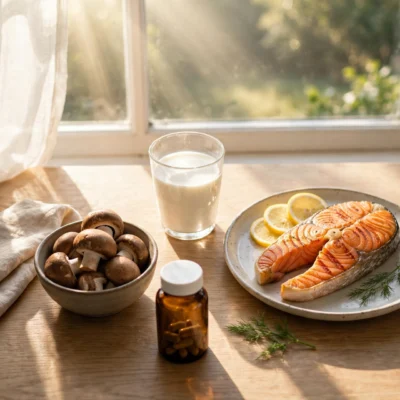
Some supplements lower blood pressure by a small amount, but none replace diet, exercise and weight loss. Aged garlic extract has the most consistent data of any supplement, with modest reductions of 2 to 4 mmHg in some studies. Source: Heart Matters (2026). Beetroot juice works through dietary nitrates that convert to nitric oxide and relax blood vessels. Hibiscus tea shows a small drop in trials, about 3 to 5 mmHg systolic. Omega 3 fish oil gives a small benefit at higher doses, around 2 mmHg, while magnesium helps only in people who are low in magnesium. Potassium supplements are risky without medical advice, because too much potassium harms people with kidney disease and interacts with common blood pressure drugs. Garlic supplements can strengthen blood thinners, so anyone on warfarin must tell their doctor first. Food beats pills for every item on this list: garlic in cooking, beetroot as a vegetable, hibiscus as a tea, oily fish twice a week and magnesium rich foods give the same compounds in safer amounts.
| Supplement | Typical effect | Evidence grade | Warning |
|---|---|---|---|
| Aged garlic extract | 2 to 4 mmHg lower | Moderate | Interacts with blood thinners |
| Beetroot juice | 2 to 4 mmHg lower | Moderate | Harmless red urine and stools |
| Hibiscus tea | 3 to 5 mmHg lower | Low to moderate | May lower blood sugar, check with a clinician if diabetic |
| Omega 3 fish oil | About 2 mmHg lower | Low | High doses thin the blood |
| Magnesium | Helps only if deficient | Low | Loose stools at high doses |
| Potassium pills | Do not take without advice | Not advised | Dangerous with kidney disease or ACE inhibitors |
How to Measure Blood Pressure Correctly at Home
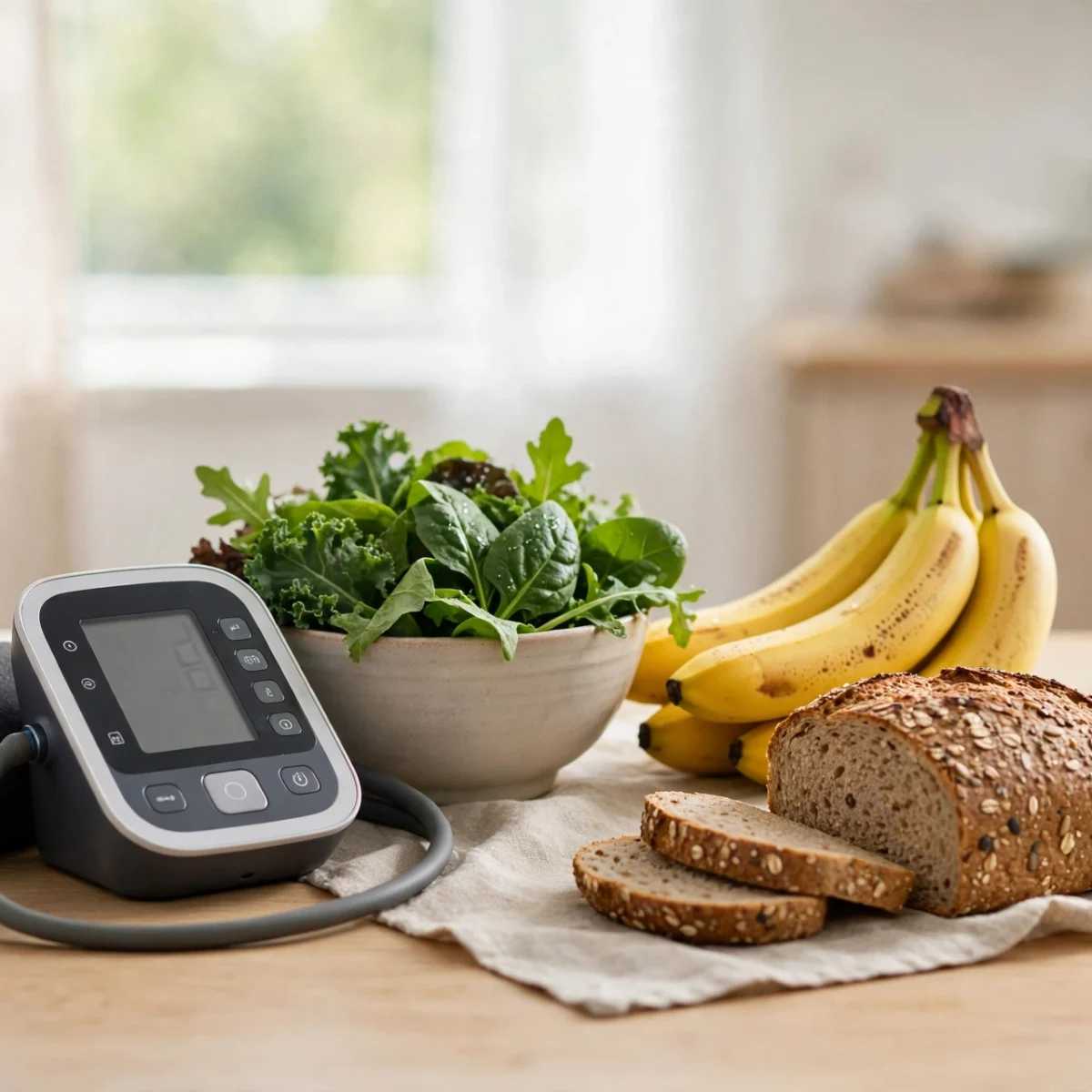
Home readings track progress better than single clinic readings, but only with the right technique. Use a validated upper arm cuff, not a wrist device, and check the cuff size: a cuff that is too small reads high, and a cuff that is too large reads low. Sit with both feet flat on the floor, back supported, arm at heart height, and rest for 5 minutes before measuring. Do not talk, cross legs, or measure within 30 minutes of caffeine, exercise or smoking. Take 2 readings 1 minute apart, morning and evening. Do this for 7 days, then average all readings except the first day. A home average below 135/85 mmHg matches a clinic reading below 140/90 mmHg. Bring the log and the device to each clinic visit. Avoid single readings as a verdict: blood pressure changes through the day, so the weekly average is the number that matters.
Your 4-Week Plan to Lower Blood Pressure Naturally
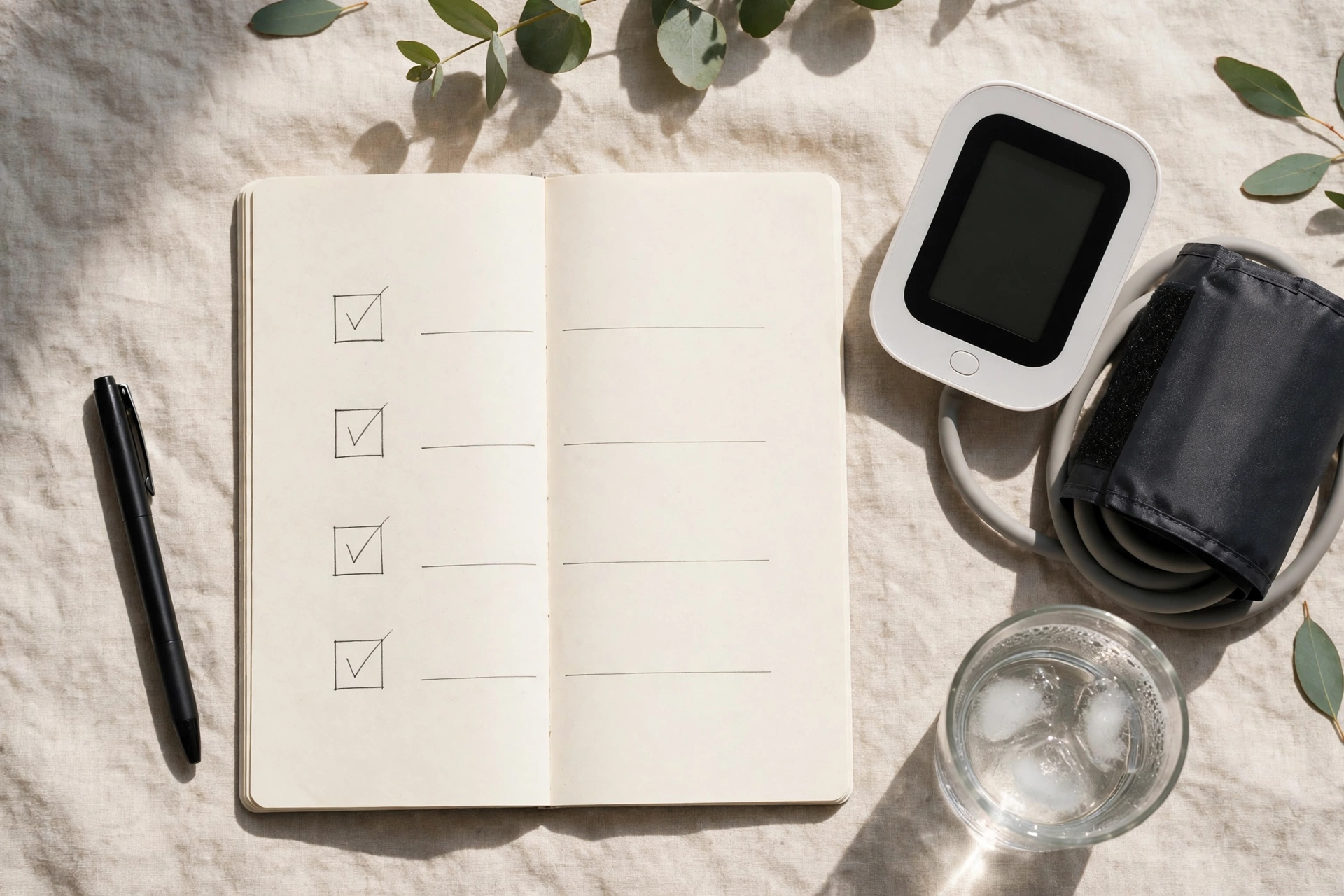
Week 1 builds the base: measure blood pressure morning and evening for 7 days, cut salt to 2,300 mg a day, and walk 30 minutes on 5 days. Week 2 adds food: follow the DASH pattern for at least one full meal a day, add a potassium rich food to every meal, and take 2 alcohol free days a week. Week 3 adds structure: move to 150 minutes of weekly activity, add 2 strength sessions, set a regular bedtime, and start 5 minutes of slow breathing each evening. Week 4 locks the routine in: cut salt to 1,500 mg a day, keep the DASH pattern for 2 meals a day, and take a fresh 7 day average to compare with week 1. Most people see a clear drop by the end of week 3, and the full effect lands by week 8 to 12. If the week 4 average is still above 140/90 mmHg, book a clinician visit with the log in hand.
DASH Diet vs Mediterranean Diet: Which Is Better for Blood Pressure?
Both diets lower blood pressure, and DASH wins by a small margin on blood pressure alone. Pick DASH for the biggest blood pressure drop in the shortest time, and pick the Mediterranean pattern for a flexible long term eating style. Many people combine the two: DASH servings with olive oil as the main fat and fish twice a week.
| Factor | DASH diet | Mediterranean diet |
|---|---|---|
| Built for | Blood pressure | Overall heart health |
| Sodium target | 1,500 to 2,300 mg a day | No set target |
| Main fat | Low fat dairy, limited oils | Olive oil |
| Fish | 2 or fewer meat servings a day | Fish twice a week or more |
| Systolic drop | 6 to 11 mmHg | 3 to 5 mmHg |
| Best for | Fastest pressure drop | Flexible long term eating |
When Should You See a Doctor?
See a doctor promptly when home readings stay at or above 140/90 mmHg after 4 weeks of real lifestyle change, or when readings rise despite the habits. Book a routine visit for a home average of 135/85 mmHg or higher, and before starting vigorous exercise with a reading above 160/100 mmHg. Seek urgent care at once for a reading of 180/120 mmHg or higher with chest pain, shortness of breath, severe headache, vision changes, confusion, numbness or weakness. High blood pressure in pregnancy always needs same day medical advice. People with diabetes, kidney disease or heart disease should not wait out a 4 week trial without telling their clinician. Bring the home log, the list of medicines and supplements, and the device itself to every visit.
Frequently Asked Questions
How fast can you lower blood pressure naturally?
Most people see a clear change in 2 to 4 weeks. Salt cuts and exercise show effects within 2 weeks, weight loss builds over 2 to 3 months, and the full benefit of combined habits lands by 8 to 12 weeks. No safe home method lowers blood pressure in minutes.
What is the fastest way to lower blood pressure naturally?
Combine the strongest habits at once: cut salt to 1,500 mg a day, walk 30 minutes daily, eat the DASH pattern, and avoid alcohol for a week. This combination can lower systolic pressure by 10 to 15 mmHg over 2 to 4 weeks. Single tricks such as one food or one supplement give only 2 to 4 mmHg.
Can bananas lower blood pressure?
Yes, bananas can help lower blood pressure, because one medium banana supplies about 400 mg of potassium, which helps the kidneys flush out sodium. The effect is small on its own, about 1 to 2 mmHg, and it works best as part of a potassium rich diet. Salted banana chips do not count, because their sodium cancels the gain.
Is coffee bad for blood pressure?
Coffee raises blood pressure for a short time after each cup, usually by 5 to 10 mmHg for about 3 hours. Regular drinkers build tolerance, so the long term effect is small. Keep coffee to 1 to 2 cups a day and avoid it within 30 minutes before a reading.
Does garlic lower blood pressure?
Yes, garlic can lower blood pressure by a small amount, and aged garlic extract has the best evidence, with reductions of 2 to 4 mmHg in some studies. Garlic supplements can strengthen blood thinners, so anyone on those drugs should ask a doctor first.
How can I lower blood pressure naturally at home today?
Take a correct home reading after 5 minutes of rest, walk briskly for 30 minutes, cook a low salt DASH style dinner with vegetables and beans, skip alcohol, and do 5 minutes of slow breathing before bed. Repeat the same routine daily for 4 weeks, then compare the 7 day average with the starting average.
Conclusion
How to lower blood pressure naturally comes down to food, movement, weight, sleep and stress, done together, every day. The DASH eating pattern and a salt target of 1,500 mg a day give the biggest food effect, 150 minutes of weekly activity and a few kilograms of weight loss add 5 to 8 mmHg more, and sleep plus stress control protect the gains. Measure at home with the right technique and follow the 4-week plan one habit at a time.
Read more from Digital Geek Spot: start with our benefits of drinking water every day guide to build the hydration half of a heart healthy routine, then keep the walking habit going with our benefits of walking 10,000 steps a day guide. For daily health guides, visit the Digital Geek Spot homepage.