
Written by James Foster for Digital Geek Spot. Last updated: November 2026.
What is melatonin and is it safe? Melatonin is a hormone the pineal gland releases after dark to signal that night has started, and melatonin supplements copy that signal to help people fall asleep. Melatonin is generally safe for healthy adults in low doses for short-term use, with mild side effects such as morning grogginess, headache, and dizziness, but long-term safety data beyond six months is limited, doses above 5 mg add no sleep benefit, and children, pregnant people, and people on blood thinners should ask a doctor first.
Key Takeaways
- Melatonin is a natural hormone that signals darkness to the body, not a sedative that forces sleep.
- Melatonin is generally safe for healthy adults at 0.5 to 3 mg for short-term use.
- The most common side effects are morning grogginess, headache, dizziness, and vivid dreams.
- Doses above 5 mg do not improve sleep onset and raise the risk of next-day grogginess.
- Long-term safety beyond six months is unproven, and the American Academy of Sleep Medicine limits use for chronic insomnia to 3 to 4 months.
- Label amounts are unreliable: tested products held 74% to 347% of the stated dose (Source: Journal of the American Medical Association, 2023).
Table of Contents
- What Is Melatonin?
- How Does Melatonin Work in the Body?
- What Is Melatonin and Is It Safe for Adults?
- What Are the Side Effects of Melatonin?
- How Much Melatonin Should You Take?
- When Should You Take Melatonin?
- Is It Safe to Take Melatonin Every Night?
- Who Should Not Take Melatonin?
- Does Melatonin Interact With Medications?
- Melatonin vs Other Sleep Aids
- How to Choose a Safe Melatonin Product
- 5 Safe Ways to Use Melatonin
- Is Melatonin Safe for Children?
- Frequently Asked Questions
- Conclusion
What Is Melatonin?
Melatonin is a hormone that the pineal gland, a small gland in the center of the brain, releases in response to darkness to regulate the sleep-wake cycle. The body makes about 0.3 mg of melatonin each night, with levels rising before bedtime, peaking in the middle of the night, and falling by morning. Light stops melatonin release, which is why bright screens and room light late at night delay sleepiness. Melatonin is also sold as a dietary supplement, usually as a tablet, capsule, liquid, or gummy, in doses from 0.3 mg to more than 10 mg per dose. The supplement form is synthetic melatonin made in a lab, and it adds to the natural signal that tells the body night has started. Melatonin does not knock a person out the way a sleeping pill does. It lowers alertness and core body temperature and shifts the timing of the internal clock, which makes falling asleep easier when the timing is right. The Health section at Digital Geek Spot covers sleep topics like this one, from nightly habits to the supplements people ask about most.
How Does Melatonin Work in the Body?
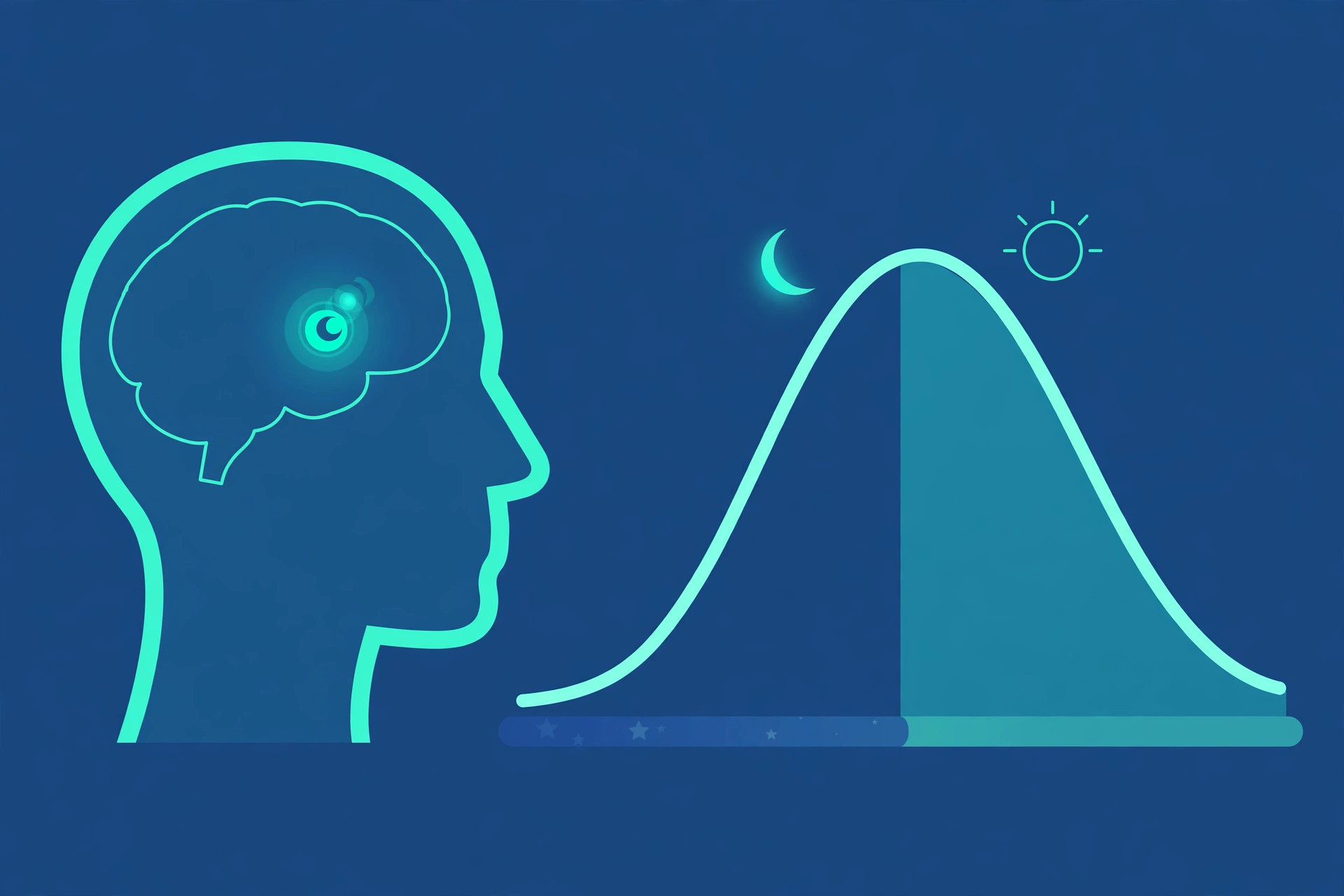
Melatonin works by binding to MT1 and MT2 receptors in the brain, which lowers alertness, reduces core body temperature, and shifts the circadian rhythm toward sleep. The circadian rhythm is the 24-hour internal clock that controls sleep, body temperature, and hormone release. Darkness triggers the pineal gland to release melatonin, and the rising level tells the brain that the sleep window has opened. Melatonin has two effects that matter for sleep. The first effect is hypnotic, a mild sleep-inducing effect that helps a person fall asleep at the start of the night. The second effect is chronobiotic, which means melatonin shifts the timing of the body clock earlier or later depending on when it is taken. Taken in the evening, melatonin shifts the clock earlier, which is why it helps jet lag and delayed sleep phase syndrome, where the body clock runs late. The circadian rhythm page on Wikipedia explains how the 24-hour clock controls sleep and wake timing.
What Is Melatonin and Is It Safe for Adults?
Yes, melatonin is generally safe for healthy adults when taken in low doses for short-term use, and the side effects are usually mild and short-lived. Mayo Clinic states that melatonin taken orally in appropriate amounts is generally safe. A review of 37 trials found the most common adverse effects were daytime sleepiness at 1.66%, headache at 0.74%, and dizziness at 0.74%, and none of the effects were life-threatening (Source: review of 37 trials, cited by absohealth.com, 2026). A 2022 meta-analysis of high-dose melatonin studies found no increase in serious adverse events compared with placebo. The safety picture changes with dose, duration, and the person taking it. Doses of 10 mg or more raise drowsiness, headache, and dizziness by about 40% compared with placebo, and the Food and Drug Administration (FDA) does not regulate melatonin supplements the way it regulates medicines, so the amount in the bottle may differ from the label. Melatonin is not a treatment for chronic insomnia on its own. The American Academy of Sleep Medicine recommends against melatonin as a first-line treatment for chronic insomnia in adults, because the benefit is small and roughly equals the harm.
What Are the Side Effects of Melatonin?
The most common side effects of melatonin are daytime drowsiness, headache, dizziness, nausea, and vivid dreams or nightmares. These effects are usually mild and fade within a day. Less common effects include short-lasting feelings of depression, mild tremor, mild anxiety, abdominal cramps, irritability, reduced alertness, and confusion. High doses raise the risk. In pooled trials, drowsiness, headache, and dizziness were about 40% more common at doses of 10 mg or more than on placebo (Source: 2022 meta-analysis, cited by absohealth.com, 2026). High doses can also reduce slow-wave sleep, the deep sleep phase that handles repair, growth hormone release, and immune function, while slightly raising REM sleep by 1 to 2%. That trade leaves some people feeling groggy and foggy the next morning even after a full night in bed. People should not drive or use machinery within five hours of taking melatonin. Side effects that last more than a few days, or that interfere with daytime function, are a reason to stop and ask a doctor.
How Much Melatonin Should You Take?
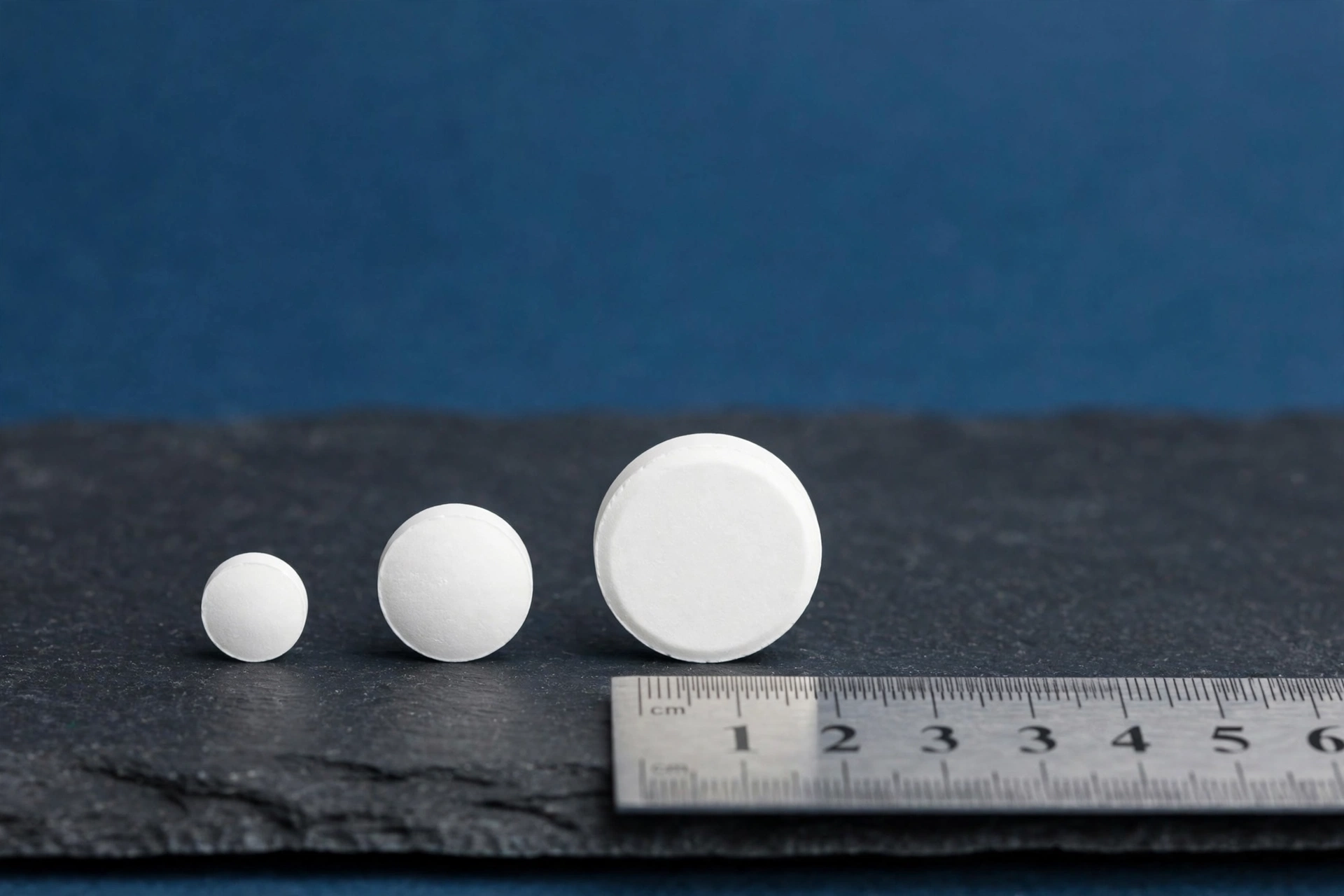
Most adults should start with 0.5 to 1 mg of melatonin, and few people need more than 3 mg, because higher doses do not improve sleep onset. The body makes about 0.3 mg of melatonin per night, so a 0.3 mg dose restores normal night-time blood levels in trials. Pooled trial data show the benefit stops rising near 4 mg, and doses of 10 mg or more bring more drowsiness, headache, and dizziness without faster sleep. The European Food Safety Authority (EFSA) concluded that 1 mg of melatonin taken close to bedtime reduces the time taken to fall asleep (Source: EFSA Journal, 2011). Yale Medicine sleep specialist Brienne Miner states that generally no one should need more than 5 to 10 mg, except people with REM sleep behavior disorder. Older adults should start at 0.5 to 1 mg to reduce morning sleepiness.
| Use | Dose | Timing |
|---|---|---|
| Sleep onset (trouble falling asleep) | 0.5 to 3 mg | 30 to 60 minutes before bed |
| Jet lag (5 or more time zones) | 0.5 to 5 mg | 30 minutes before desired sleep in local time, 2 to 5 days after arrival |
| Delayed sleep phase syndrome | 0.3 to 0.5 mg | 5 to 7 hours before desired sleep time |
| Older adults (55 and over) | 0.5 to 2 mg | 30 to 60 minutes before bed |
| Shift work sleep disorder | 1 to 3 mg | Before the daytime sleep period |
A low dose taken at the right time beats a high dose taken at the wrong time. People who take 10 mg and still lie awake are usually facing a timing problem, not a dose problem.
When Should You Take Melatonin?
Take melatonin 30 to 60 minutes before bed for sleep onset, or 5 to 7 hours before the target bedtime for delayed sleep phase, because timing decides whether melatonin helps or harms the body clock. The same dose can shift the clock earlier or later depending on the hour it is taken. The American Academy of Sleep Medicine found that taking melatonin between 1.5 and 6 hours before bedtime can be effective, and natural melatonin levels peak about two hours before bedtime. Taking melatonin after midnight shifts the sleep phase later and worsens sleep the next night. Ordinary room light before bed also delays natural melatonin release, so dim light in the hour before bed supports the supplement. For jet lag, take melatonin 30 minutes before the desired sleep time in the new time zone, and keep it up for 2 to 5 days after arrival. A 2002 Cochrane review of 10 trials found a 50% reduction in jet lag symptoms when crossing 5 or more time zones (Source: Cochrane, 2002).
Is It Safe to Take Melatonin Every Night?
Melatonin is safe for short-term nightly use of up to 3 months, but safety beyond 6 months of daily use is unproven because the longest controlled trials run about 29 weeks. Most trials of melatonin last 4 weeks or less. One open-label study followed patients for 6 to 12 months and found no tolerance, no withdrawal symptoms, and no suppression of natural melatonin production. Even so, the American Academy of Sleep Medicine recommends limiting melatonin therapy for chronic insomnia to a maximum of 3 to 4 months, because extended safety data is thin. New research adds a caution for high doses. An American Heart Association Scientific Sessions 2025 abstract reported that long-term use of melatonin supplements may have negative effects on heart health, and the concern is strongest for heart patients on high doses (Source: American Heart Association Scientific Sessions, 2025). People who take melatonin every night should reassess after 3 months: if sleep has not improved, the cause is likely not a melatonin shortage, and a doctor should check for sleep apnea, anxiety, or another sleep disorder.
Who Should Not Take Melatonin?
Children, pregnant people, breastfeeding people, people with autoimmune disease, people with dementia, and people with liver problems should avoid melatonin or use it only under a doctor’s care. Mayo Clinic states that people with an autoimmune disease should not use melatonin, because melatonin can stimulate the immune system. The National Center for Complementary and Integrative Health (NCCIH), part of the National Institutes of Health, does not advise melatonin for pregnant people, breastfeeding people, or people with dementia, because evidence in those groups is limited. Melatonin should be avoided in infants. People with liver problems should avoid doses above 10 mg, because the liver clears melatonin from the blood. Older adults face higher risks from side effects such as cognitive problems, falls, and driving impairment, so they should start at the lowest dose. Anyone with a diagnosed sleep disorder, such as sleep apnea or restless legs syndrome, should treat the underlying condition rather than masking it with melatonin.
Does Melatonin Interact With Medications?
Yes, melatonin interacts with blood thinners, blood pressure drugs, immunosuppressants, diabetes drugs, birth control pills, and sedatives, so people on prescription drugs should ask a doctor or pharmacist before taking it.
- Blood thinners: melatonin may slow blood clotting, which raises bleeding risk with warfarin, aspirin, or clopidogrel.
- Blood pressure drugs: melatonin can affect blood pressure, and people on blood pressure medicine should check with a cardiologist first, especially after the 2025 heart research.
- Immunosuppressants: melatonin can stimulate the immune system, which may reduce the effect of drugs that suppress immunity after organ transplant or for autoimmune disease.
- Diabetes drugs: melatonin can affect blood sugar levels, so people on diabetes medicine should monitor blood sugar more closely.
- Birth control pills: oral contraceptives can raise melatonin levels in the blood, which raises the risk of side effects.
- Sedatives, antidepressants, and seizure drugs: combining melatonin with sedatives adds drowsiness and raises fall risk, and melatonin may change seizure control in people on anti-seizure medicine.
A pharmacist can check a full medicine list in minutes. That check is worth doing before the first dose, not after a problem appears.
Melatonin vs Other Sleep Aids
Melatonin suits short-term circadian problems such as jet lag and delayed sleep phase, while other sleep aids suit different problems and carry different risks. Melatonin is not a sedative, so it does not force sleep the way prescription sleeping pills do.
| Sleep aid | Best for | Main risks | Dependence risk |
|---|---|---|---|
| Melatonin (0.5 to 3 mg) | Jet lag, delayed sleep phase, short-term sleep onset trouble | Morning grogginess, headache, vivid dreams | None known |
| Prescription sleeping pills | Short-term insomnia under doctor care | Next-day impairment, falls, complex sleep behaviors | Yes, with regular use |
| Antihistamines | Occasional sleeplessness | Next-day grogginess, dry mouth, confusion in older adults | Low, but tolerance builds fast |
| Magnesium | Mild sleep trouble, muscle relaxation | Diarrhea at high doses | None known |
| Cognitive behavioral therapy for insomnia (CBT-I) | Chronic insomnia | None | None, and the most lasting benefit |
Cognitive behavioral therapy for insomnia (CBT-I) has the strongest evidence for chronic insomnia, and it works without drugs. Melatonin is a tool for timing, not a cure for insomnia.
How to Choose a Safe Melatonin Product

Choose a melatonin product with third-party testing from USP or NSF, a low dose of 0.5 to 3 mg, and a short ingredient list, because label amounts are unreliable. A 2023 study in the Journal of the American Medical Association tested melatonin products and found the actual amount ranged from 74% to 347% of the amount on the label (Source: Journal of the American Medical Association, 2023). Some products also held cannabidiol (CBD), which was not listed on the label. The FDA does not approve melatonin supplements for safety or efficacy before sale. USP Verified and NSF Certified marks mean an independent lab checked the product for identity, potency, and contaminants. Gummies are popular, but gummies are the hardest form to dose exactly, because the melatonin is mixed into the candy base. Tablets and liquids give more consistent doses. Price does not predict quality: a cheap USP Verified tablet beats a costly untested gummy. Read our guide to better sleep habits for the nightly routine that makes any sleep aid work better.
5 Safe Ways to Use Melatonin
The safe way to use melatonin is a low dose, at the right time, for a short period, in a dark room, with a doctor’s check for medicines and health conditions.
- Start at 0.5 to 1 mg. Begin with the lowest dose and raise it only if sleep does not improve after a week.
- Take it 30 to 60 minutes before bed. Keep the same time each night so the body clock gets a steady signal.
- Dim the lights. Bright light blocks natural melatonin, so dim screens and room lights in the hour before bed.
- Limit use to 3 months. Reassess after 3 months, and ask a doctor if sleep is still poor.
- Check medicines first. Ask a pharmacist about blood thinners, blood pressure drugs, and sedatives before the first dose.
These five steps cover the points most people get wrong: dose too high, timing too late, lights too bright, use too long, and no medicine check.
Is Melatonin Safe for Children?
Melatonin is generally safe for children in low doses for short-term use under a doctor’s care, but children should not take adult doses or use it nightly without medical advice. Multiple studies found melatonin generally safe in children, with side effects limited to drowsiness, headache, dizziness, agitation, and increased bedwetting. Long-term use of up to 10 years in children with sleep disorders did not harm sleep quality, puberty development, or mental health in the studies reviewed by consensus.app. Guidelines suggest a maximum dose of 3 mg for children and 5 mg for adolescents, for select medical conditions only. Parents should try sleep hygiene first: a fixed bedtime, no screens in the hour before bed, a cool dark room, and no caffeine after midday. Melatonin gummies marketed to children often hold adult doses, so parents should read the label and never give a child a 10 mg adult gummy. The Melatonin page on Wikipedia covers the hormone, its uses, and its safety record in one place.
Frequently Asked Questions
Is melatonin safe to take every night?
Yes, melatonin is safe to take every night for short-term use of up to 3 months at a low dose of 0.5 to 3 mg. Safety beyond 6 months of daily use is unproven, because the longest controlled trials run about 29 weeks. Reassess after 3 months and ask a doctor if sleep has not improved.
How much melatonin is safe?
A dose of 0.5 to 3 mg is safe for most adults, and 1 mg taken close to bedtime reduces the time taken to fall asleep. Doses above 5 mg add no sleep benefit and raise grogginess, headache, and dizziness. Older adults should start at 0.5 to 1 mg.
Can melatonin cause vivid dreams?
Yes, melatonin can cause vivid dreams and nightmares. Vivid dreams are a known side effect, and they are more common at higher doses. Lowering the dose to 0.5 to 1 mg and taking it earlier in the evening usually reduces vivid dreams.
Does melatonin help with anxiety?
Melatonin has a mild calming effect because it lowers alertness, but it is not an anxiety treatment. People with anxiety-related sleeplessness get more lasting benefit from cognitive behavioral therapy for insomnia (CBT-I) and from fixing sleep habits. Ask a doctor if anxiety is the main cause of poor sleep.
Is melatonin safe for older adults?
Melatonin is safe for older adults at a low dose of 0.5 to 2 mg for short-term use, but older adults face higher risks of falls, confusion, and next-day impairment. Prolonged-release melatonin 2 mg is approved in Europe for short-term treatment of chronic insomnia in patients 55 and older, for up to 13 weeks.
Can I take melatonin with other sleep supplements?
Melatonin can be combined with magnesium, but combining it with other sedatives, antihistamines, or prescription sleep drugs adds drowsiness and raises fall risk. Ask a pharmacist before combining melatonin with any other sleep aid, especially if you take prescription medicine.
Conclusion
Melatonin is a natural hormone that signals darkness to the body, and melatonin supplements copy that signal to help people fall asleep. Melatonin is generally safe for healthy adults at 0.5 to 3 mg for short-term use, with mild side effects and no known dependence risk. The dose, the timing, and the product quality decide whether melatonin helps or harms. A low dose at the right time, for no more than 3 months, with a third-party tested product, is the safe pattern. Doses above 5 mg add no benefit, nightly use beyond 6 months is unproven, and children, pregnant people, and people on blood thinners need a doctor’s advice first. What is melatonin and is it safe? The short answer is yes, for most adults, in low doses, for a short time, with the right product. Learn how sleep affects your immune health to see why fixing sleep matters beyond feeling rested.