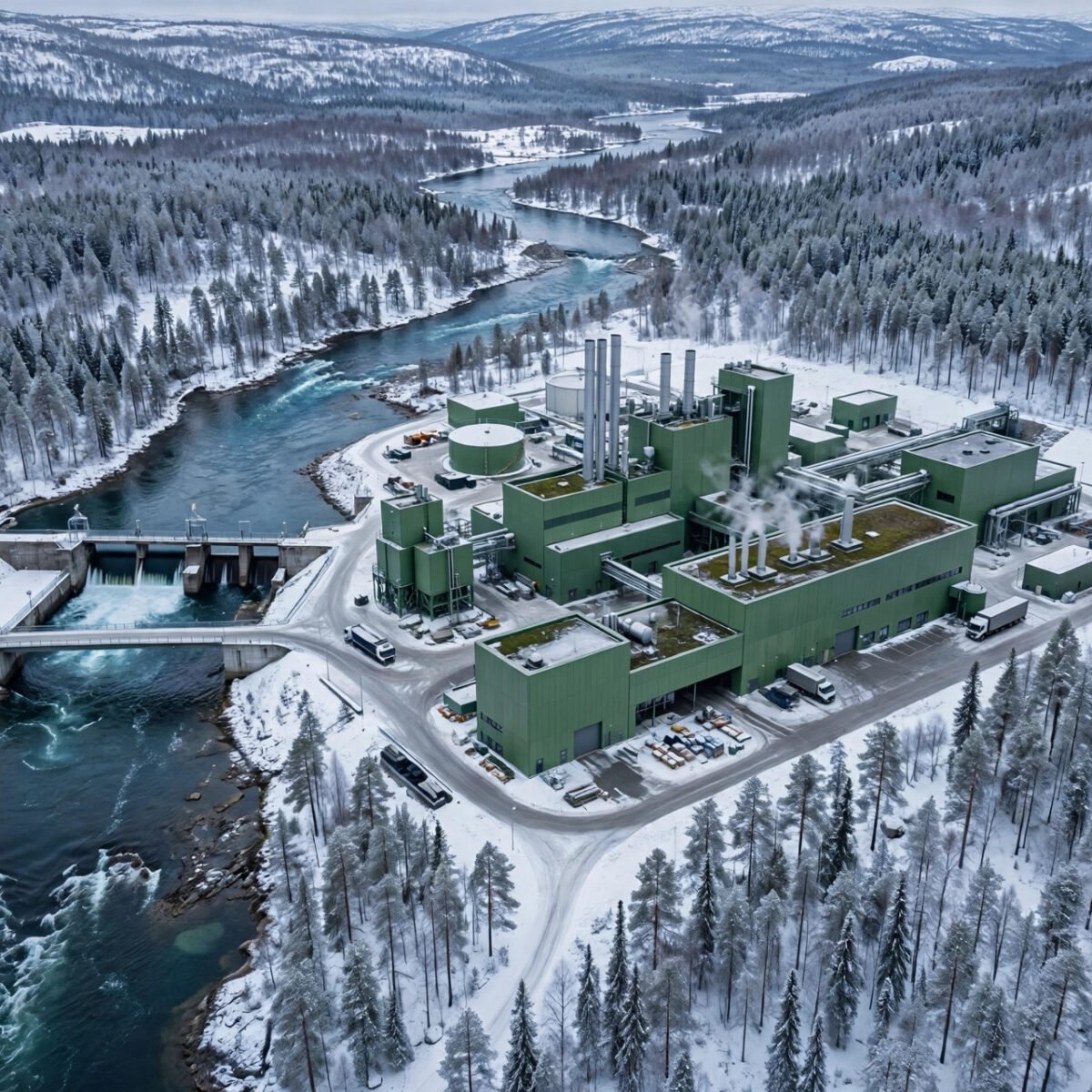
If you searched for bodenxt and got confusing results, you are not alone. Some pages describe it as an app, an AI system, or even a blockchain project. In reality, Bodenxt is the Municipality of Boden’s platform for managing one of northern Sweden’s most ambitious community transformations. It is not software you download or a service you subscribe to. It is a coordination model that helps an entire town plan for roughly 20 years of growth in just a few years, driven by green steel and a major defence expansion.
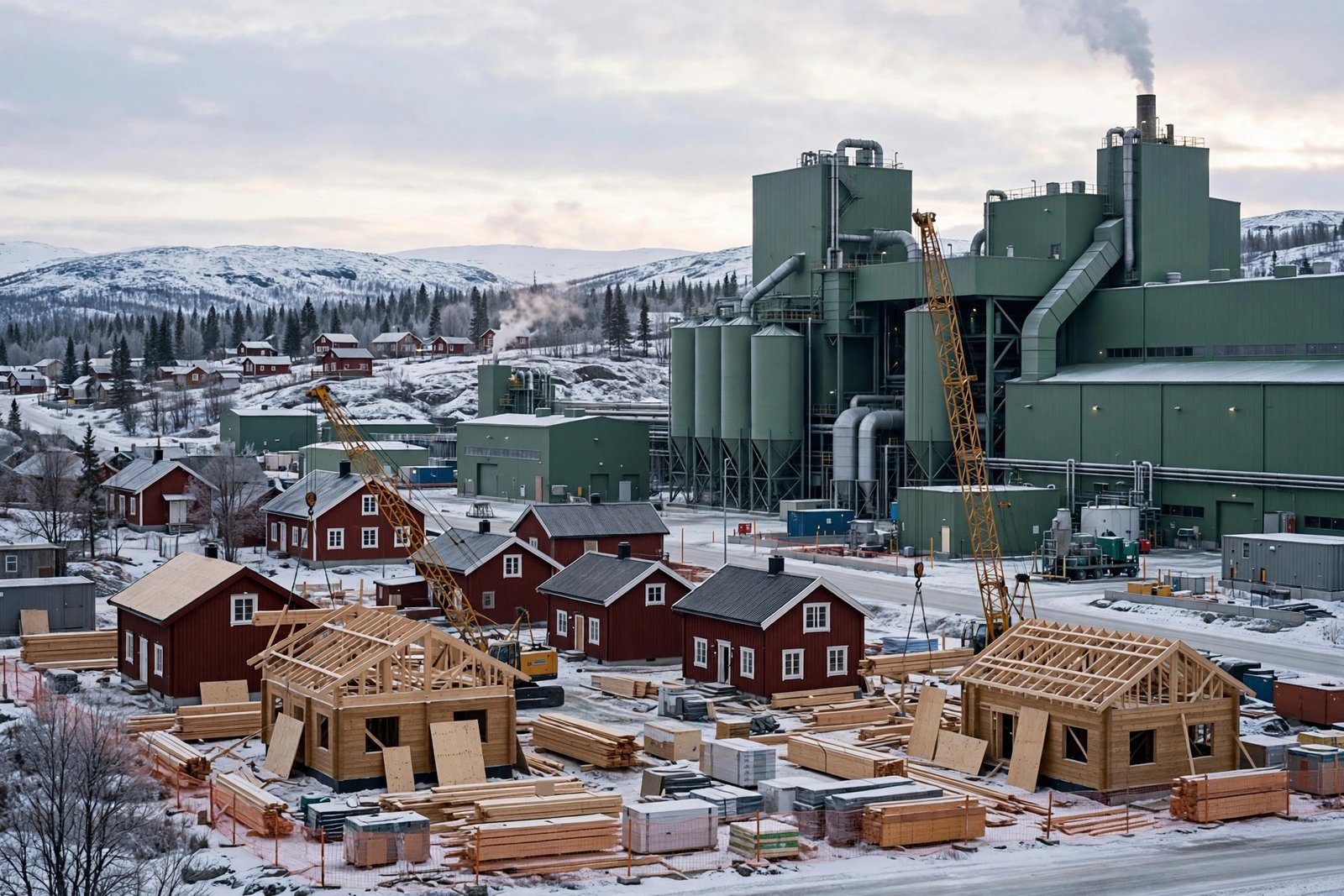
Boden is a municipality in Norrbotten County in the far north of Sweden. In the early 2020s, the industrial company Stegra, then known as H2 Green Steel, began developing a large green steel plant at Boden Industrial Park. Around the same time, the Swedish Armed Forces started a long-term expansion in the region. Together, these two drivers promised thousands of new jobs, new residents, new homes, new roads, new schools, and new businesses, all arriving faster than ordinary municipal planning could absorb. Bodenxt is the municipality’s answer to that challenge.
Key Takeaways
- Bodenxt is the Municipality of Boden’s development platform for its green societal transformation. It is not an app, an AI product, or a crypto project.
- The core idea is compressing about 20 years of community development into a few years through coordinated planning across housing, skills, business, and infrastructure.
- Stegra’s green steel plant, formerly H2 Green Steel, is the main industrial accelerator. The municipality estimates its investment will create around 3,000 direct and indirect jobs by 2029.
- The Swedish Armed Forces’ expansion is the second major driver, with regional staffing needs expected to grow by several thousand over the next 20 years.
- Work is organized into five sub-projects: skills supply, living and housing, business development, above-ground infrastructure, and below-ground infrastructure.
It helps to state clearly what Bodenxt is not, because much of the confusion online starts here. There is no Bodenxt app to install, no subscription plan, and no AI assistant with that name. Some websites have described it as emerging digital technology, an AI system, or a productivity solution. Those descriptions do not match the municipality’s own documented initiative. When the Municipality of Boden calls Bodenxt a platform, it means an organizational platform: a way for departments, municipal companies, businesses, and civic groups to work toward one shared goal.
The concept borrows from platform thinking in a broader sense. Instead of each municipal department, housing, schools, roads, water, business services, tackling the green transition separately, Bodenxt coordinates them as parts of one transformation. Project structures cut across traditional administrative boundaries and include municipal companies, so decisions can move quickly. Local reporting from Boden Business Park describes this as thinking in processes rather than administrations, with dedicated coordinators, working groups, and mandates for each theme.
Speed is the whole point. Industrial investors do not plan on municipal budget cycles, so Bodenxt was designed to move several times faster than ordinary municipal work. Local development leaders have described the required pace as five to seven times faster than usual. Reporting has called the setup a rapid positive crisis organization: quick reconciliation, informal decisions, and broad inclusion of businesses and civil society, all backed by formal municipal decisions and permits where the law requires them.

What Does the Name Bodenxt Mean?
The name blends Boden and next. It signals that the initiative is about Boden’s next chapter: the community the municipality wants to build for today’s residents and for future generations. The official messaging frames it as building something new, green, and smart that will last for many generations.
Why Did Boden Need Bodenxt?
The short answer is that the industrial boom arrived faster than normal planning could handle. A major industrial project needs workers, and workers need homes. Growing neighborhoods need roads, water, schools, services, shops, and transport. Companies supplying the new industry also need room to expand. If every part of that chain is planned separately, bottlenecks appear everywhere. Bodenxt exists to manage the chain as one connected system.
Two powerful drivers created this pressure at the same time. The first is the new industrial sector emerging around green steel. The second is the strengthening of Sweden’s defence capabilities, with the Armed Forces expanding their presence in the region. The municipality describes both as forces that are creating new opportunities and shaping the development of the entire community, far beyond industry and defence alone.
The Two Main Drivers
- Green industry: Stegra’s green steel establishment at Boden Industrial Park, with an estimated 3,000 direct and indirect jobs by 2029.
- Defence expansion: the Swedish Armed Forces’ long-term growth in the region, with staffing needs expected to rise by several thousand over the next 20 years.
- Knock-on demand: as people and skills arrive, demand rises across construction, services, education, and innovation, which is exactly the wider growth Bodenxt was built to coordinate.
What Is Stegra, and Why Does Its Green Steel Project Matter?
Stegra is the industrial company building a large-scale green steel plant at Boden Industrial Park in Boden. It was previously known as H2 Green Steel. Steel is one of the hardest industries in the world to decarbonize, because conventional steelmaking relies on coal and coke in blast furnaces, releasing large amounts of carbon dioxide.
Green steel takes a different path. Instead of coal, it uses green hydrogen, produced by splitting water with fossil-free electricity, to remove oxygen from iron ore in a process called direct reduction. The resulting iron is then melted in electric arc furnaces. Northern Sweden is well suited to this approach because its electricity grid is among the cleanest in the world, built largely on hydropower and wind. For Bodenxt, Stegra’s project matters both as a climate technology milestone and as the economic engine creating thousands of jobs in the region.
What Are the Sub-Projects Inside Bodenxt?
Bodenxt is organized into five sub-projects, according to the official Bodenxt site. Each has its own coordinators, working groups, and mandate to carry out the steering group’s tasks. Local reporting has sometimes grouped the same work into slightly different theme names over time, but the five areas below reflect the official structure.
| Sub-project | What it covers | Why it matters |
|---|---|---|
| Skills supply | Training, education, and attracting talent, including from abroad | Thousands of new roles need people with the right skills at the right time |
| Living and housing | New homes, neighborhoods, and relocation support for newcomers | Workers and families need somewhere to live before industry can grow |
| Business development | Conditions for suppliers, startups, and expanding companies | A strong local business base multiplies the effect of the anchor investment |
| Above-ground infrastructure | Roads, transport, energy grids, and public spaces | Physical connections keep a fast-growing town functioning |
| Below-ground infrastructure | Water, sewage, and other underground networks | Invisible systems that must scale before the visible growth arrives |
For readers interested in how sensor-driven technology supports circular industrial ideas more broadly, our guide to Matarecycler’s smart recycling technology is a useful companion read on the green technology side of this story.
Is Bodenxt a Technology Company?
No. Bodenxt is a municipal initiative, not a company, and it does not sell technology products. That said, technology runs through everything it coordinates. Green steel production is itself a deep-tech industrial process, and northern Sweden’s fossil-free electricity grid is the energy platform that makes it viable. Digital planning tools, industrial symbiosis, and smart infrastructure all play supporting roles. The distinction is that Bodenxt is the governance model around the technology, not the technology itself. If you are looking for explainers on actual digital technology platforms, our breakdown of the Aelftech platform covers one such example.
How Is Bodenxt Changing Housing and Infrastructure?
Housing is one of the most visible fronts of the transformation. New workers arrive faster than homes can be built, so the municipality works proactively with employers on relocation. Local reporting describes the municipality’s relocation service employees working closely with Stegra’s recruitment staff, so that incoming families get support before they arrive rather than after. A cooperation agreement between the municipality and Stegra is the formal tool for this, covering the municipality’s responsibilities around detailed plans, permits, and land first, and later expanding into shared areas such as housing, skills supply, residual flows, and community services.
Infrastructure follows the same logic. Roads, energy, water, and sewage must scale in step with housing and industry, which is why above-ground and below-ground infrastructure are separate sub-projects with their own mandates. Local reporting has described around 40 joint workflows between the municipality and Stegra in various constellations, all aimed at making sure the positive effects for residents are as strong as possible.
Could Other Cities Copy the Bodenxt Model?
The model is specific to Boden’s situation, but its principles are worth studying. The core ideas are simple to state and hard to execute: organize around processes instead of departments, give working groups real mandates, move at the speed of the industrial investor rather than the budget cycle, and include businesses and civil society early. Outcomes depend on local conditions such as energy supply, land availability, and political support, so treat Bodenxt as a case study in municipal innovation rather than a ready-made template.
Where Can I Follow Official Updates on Bodenxt?
For authoritative information, go to the sources themselves. The Municipality of Boden publishes updates on its official Bodenxt page, and the initiative has its own site at bodenxt.se. Be cautious with third-party pages that describe Bodenxt as an app, AI tool, or investment product, since none of those match the documented initiative. For more technology explainers in this style, visit the DigitalGeekspot homepage.
Frequently Asked Questions About Bodenxt
What is Bodenxt in simple terms?
Bodenxt is the Municipality of Boden’s plan for managing rapid green growth in Boden, Sweden. It coordinates housing, jobs, skills, businesses, and infrastructure so that roughly 20 years of development can happen in just a few years.
Is Bodenxt a company?
No. It is an initiative of the Municipality of Boden, organized as a development platform with sub-projects, coordinators, and working groups that cut across municipal departments and companies.
Is there a Bodenxt app I can download?
No. There is no Bodenxt app, software, or subscription. Online descriptions presenting it as an app, AI system, or blockchain platform do not match the municipality’s documented initiative.
What is Stegra?
Stegra is the industrial company building a large green steel plant at Boden Industrial Park. It was formerly known as H2 Green Steel, and its project is the main industrial driver behind the Bodenxt transformation.
Why is Boden growing so fast?
Two drivers arrived at once: Stegra’s green steel investment, estimated to create around 3,000 direct and indirect jobs by 2029, and the Swedish Armed Forces’ long-term expansion, with regional staffing needs expected to grow by several thousand over 20 years.
Is Bodenxt related to cryptocurrency or blockchain?
No. Some third-party pages have used the name in crypto or tech-product contexts, but the documented Bodenxt initiative is a municipal development platform in Sweden with no connection to cryptocurrency.
Where is Boden?
Boden is a municipality in Norrbotten County in the far north of Sweden, known for its hydropower resources and its growing role in green industry and defence.
Bodenxt shows what happens when a small municipality decides to meet a once-in-a-generation industrial boom with organization instead of improvisation. Whether you follow it for the green steel technology, the urban planning lessons, or the sheer speed of the transformation, it is a story worth watching through official sources.