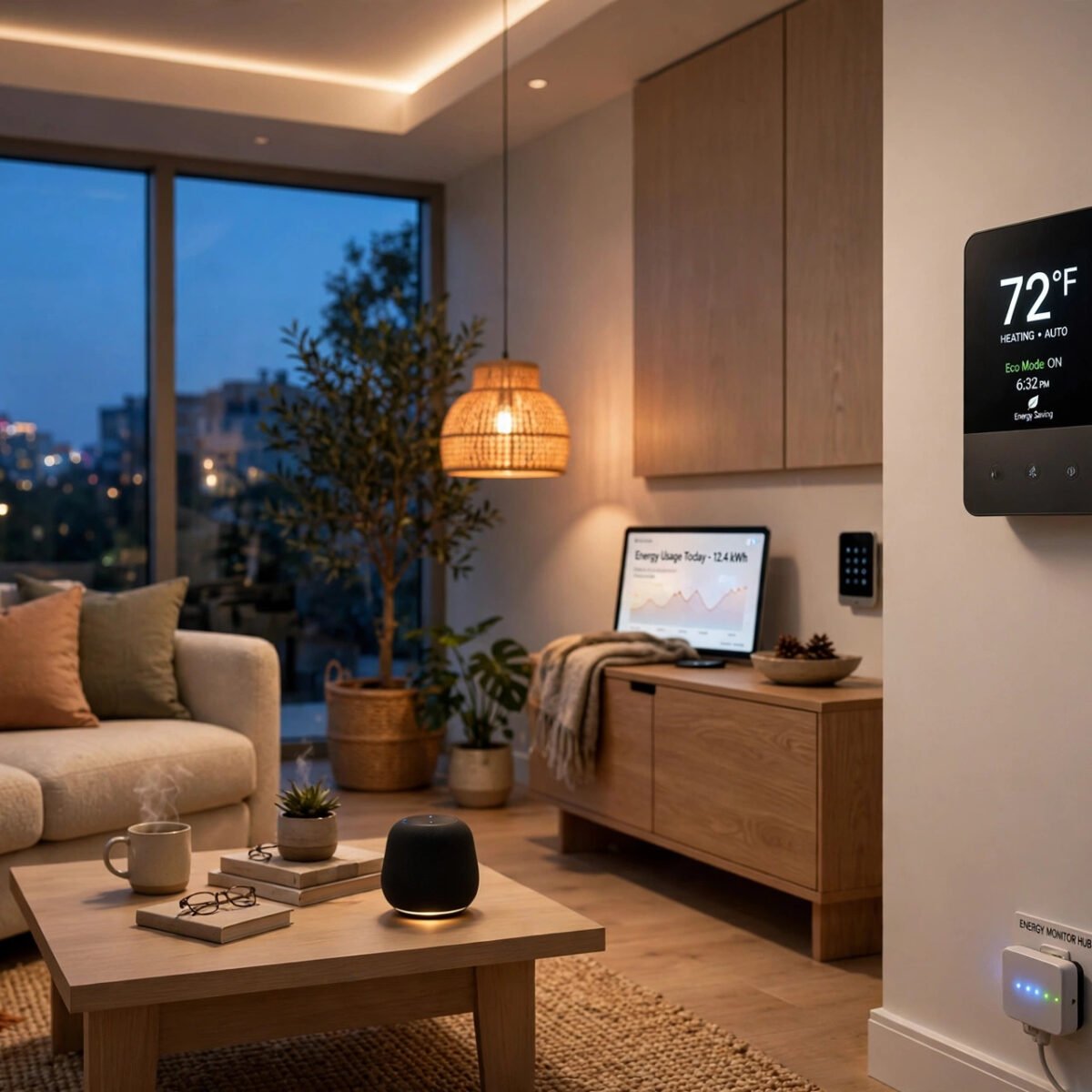
If you have searched for wattios and wondered what it actually is, here is the short version: Wattio (the spelling most sources use) was a Spanish smart home and energy IoT startup from San Sebastian that built a connected home system called the Wattio SmartHome 360. Its promise was simple and appealing: give ordinary households the ability to monitor electricity use, control appliances remotely, and manage heating from a phone, without rewiring the house. Founded by Patxi Echeveste in 2010, it raised venture and crowdfunding money and sold its system through retailers such as Leroy Merlin and Amazon. Public information about the company is concentrated in the early to mid 2010s, and its current operating status is not verifiable from public sources.
Key Takeaways
Wattio is the company behind the search term wattios, a Spanish IoT startup founded in 2010 and based in San Sebastian.
Its flagship product was the Wattio SmartHome 360, a kit of four wireless devices (Gate, Thermic, Bat, and Pod) controlled through a mobile app.
The system focused on two things: cutting electricity and heating waste, and letting users switch appliances off remotely for convenience and safety.
Wattio raised a 500,000 euro round in 2012, more than 90,000 euros on Indiegogo in 2013, and 1.25 million euros in late 2014, and was retailing its system in Spain and on Amazon in the United States.
No recent public reporting confirms whether the company or its cloud services still operate, so check the official channels before buying anything second hand.
Wattio belongs to a generation of early European smart home startups that appeared around 2010 to 2014, alongside companies such as Tado, a German smart thermostat maker that took a different route. While Tado focused narrowly on heating control, Wattio tried to sell the whole connected home as one integrated package: one hub, one app, and a set of add-on devices that together covered energy monitoring, heating, and appliance switching. That bundled approach made the company one of the most visible Spanish entrants in the early smart home market.
Why does the name matter? The official brand is Wattio, without the final s, but many people spell or search it as wattios. If you see a listing, review, or forum thread that says wattios, it is almost certainly referring to the same Spanish company and its SmartHome 360 system. This article covers the company under both spellings so you can find the facts you are looking for either way.
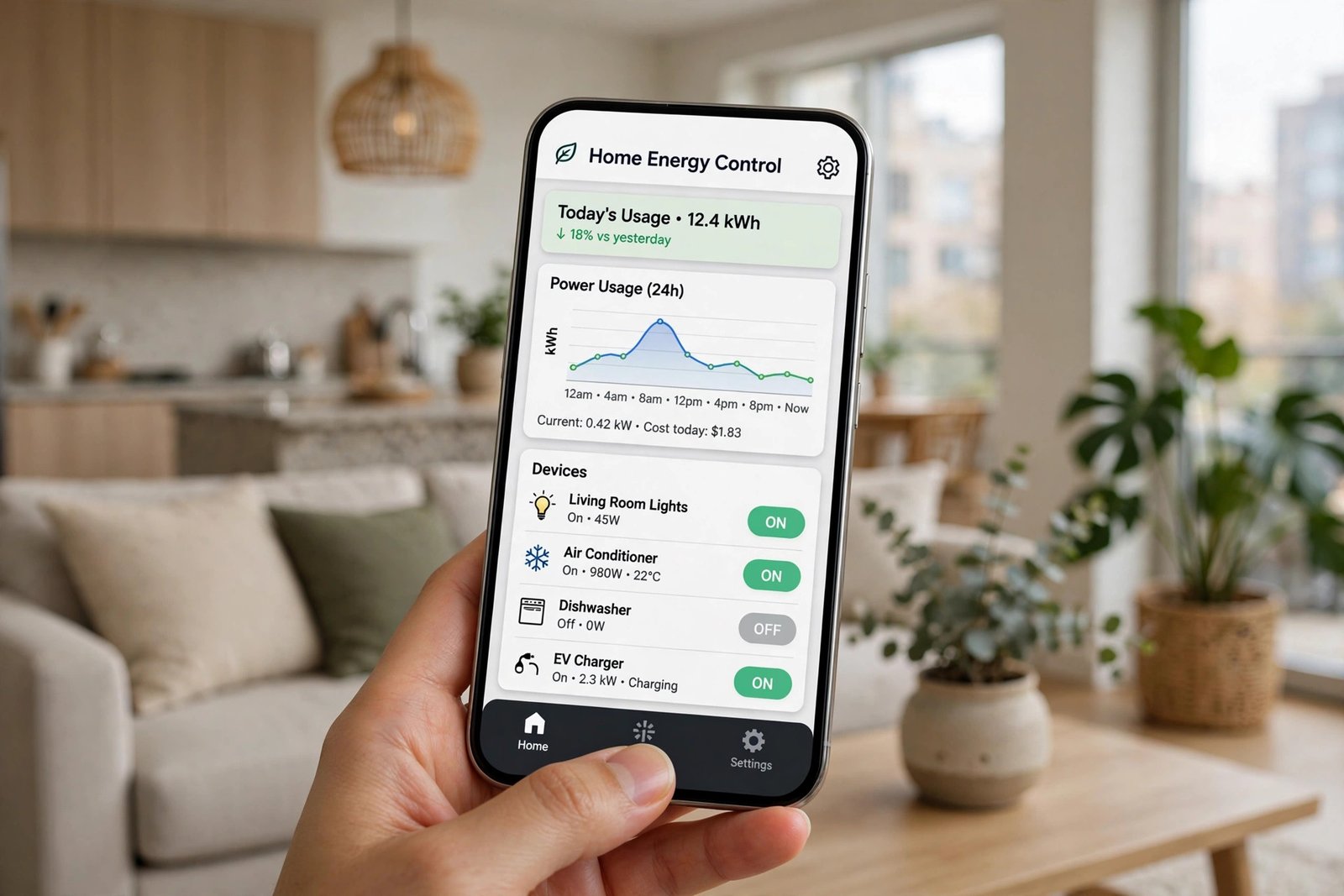
The core idea behind Wattio was that saving energy should not require technical expertise. Instead of asking homeowners to interpret electricity meter data, the system translated consumption into charts, alerts, and plain notifications inside a mobile app. If energy use spiked unexpectedly, the app could push a notification. If you left the house and realized the iron or oven might still be on, you could open the app and switch the connected plug off remotely. For the early 2010s, that level of simplicity was a real selling point.
What was the Wattio SmartHome 360 system?
The Wattio SmartHome 360 was a modular smart home kit built around four connected devices, all managed through a single cloud platform and smartphone app. Each device had a distinct job, and users could start with a basic kit and add more components over time. A household could start with simple remote switching and add heating control or energy monitoring later, without replacing anything.
The Gate: the hub of the system
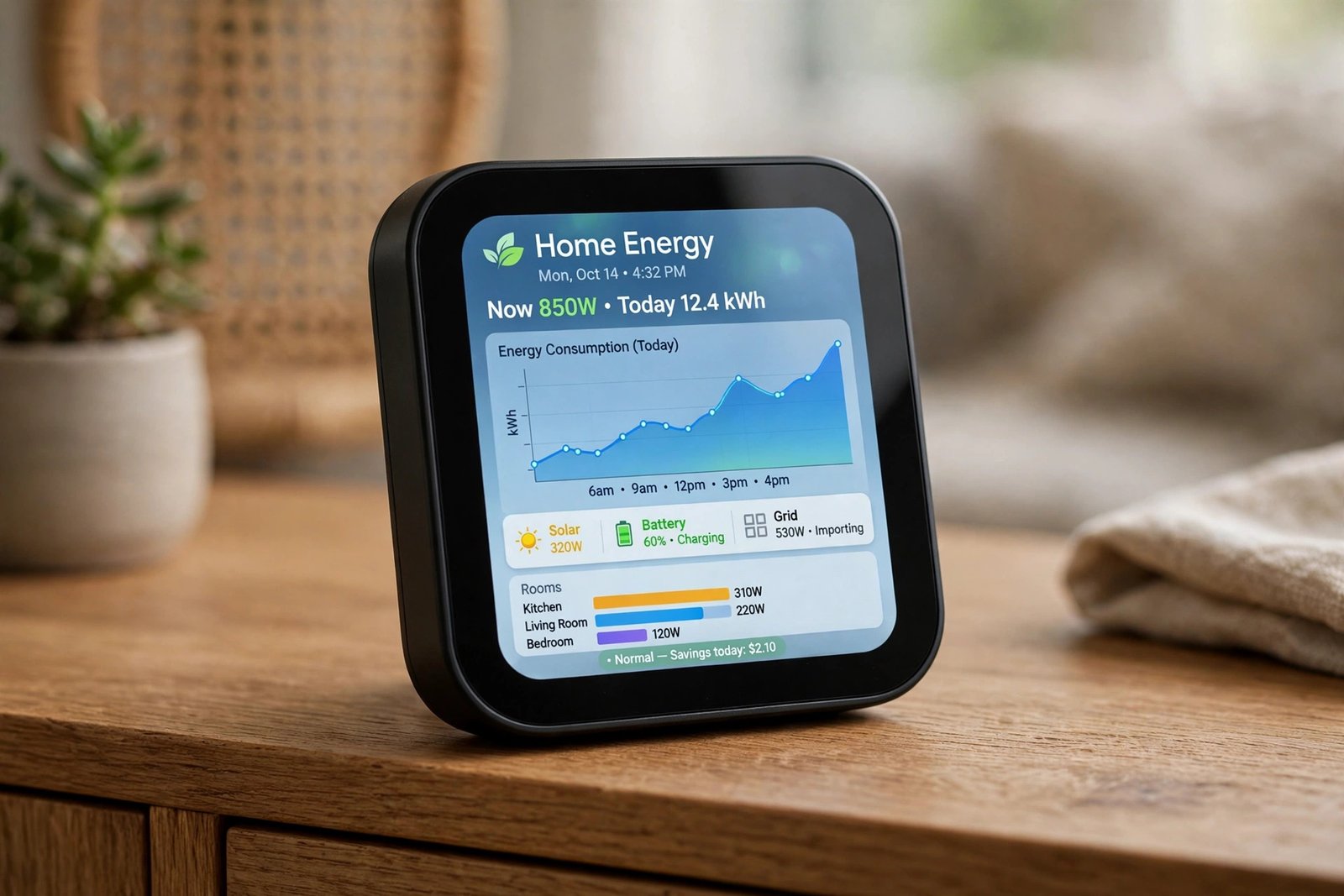
The Gate was the main interface and communication hub of the Wattio ecosystem. It featured a color LCD touchscreen that displayed key information about the home, including power consumption, heating and cooling status, and even a weather forecast. It could be controlled locally through its touchscreen and remotely over the internet through the Wattio app, acting as both the brains of the network and an at-a-glance energy dashboard.
The Thermic: a compact smart thermostat
The Thermic was Wattio’s smart thermostat. Compact and battery powered, it could be placed anywhere in the home, including rooms where a conventional wall-wired thermostat could not easily go, and it controlled indoor temperature on schedules or from the app. A Spanish educational technology resource also documented automation rules built on the system, such as turning the heating on when arriving home.
The Bat: the energy monitor
The Bat was a small energy monitor designed to be installed inside the home’s electrical panel, where it measured overall electricity consumption. Through the cloud platform, it provided consumption statistics and comparative analysis, including benchmarking a household’s usage patterns against other users of the system. The Bat made invisible electricity use visible, and the cloud analytics turned it into useful feedback rather than raw numbers.
The Pod: the smart plug
The Pod was a wireless smart plug that doubled as a range extender for the Wattio network. Plugged into any ordinary outlet, it let users switch connected appliances on or off remotely, set operating schedules, and monitor how much electricity each plugged-in device consumed. The Pod also carried the safety pitch: if you left the house unsure whether an appliance was still running, you could check and switch it off from anywhere with an internet connection.
Every command travels from your phone through your home WiFi to the hub, so a fast network matters. If responses feel slow, our guide on how to improve WiFi speed at home is a good first step.
How did Wattio try to save users money on energy?
Wattio’s energy saving claim rested on two mechanisms: visibility and automation. Visibility came from the Bat and the app dashboards, which showed where electricity was being used and flagged unusual consumption. Automation came from the Thermic and the Pod, which could switch heating and appliances off when they were not needed. The company’s crowdfunding materials suggested the system could save up to 130 dollars a year on electricity and 300 dollars a year on heating, though these were the company’s own marketing claims, not independently verified savings figures.
The concept behind these numbers was realistic in one respect: heating and cooling are among the largest energy expenses in most homes, and standby consumption from always-on electronics adds up quietly. Smart thermostats that reduce heating when nobody is home, combined with plugs that kill standby power overnight, can genuinely reduce bills. Independent testing of Wattio’s specific claims was never published, so treat the figures as promotional estimates.
Who founded Wattio, and how was it funded?
Wattio was founded in 2010 by Patxi Echeveste in San Sebastian, Spain, and spent roughly three and a half years in research and development before commercializing its product. Its funding history, as reported by the Spanish tech press, is documented and verifiable:
- 2012: a 500,000 euro investment from Gestion de Capital Riesgo Pais Vasco through its Ezten FCR fund.
- 2013: an Indiegogo crowdfunding campaign that raised more than 90,000 euros; all units promised to backers were reported as delivered the following year.
- December 2014: a 1.25 million euro investment round from unnamed local business investors, intended to push international commercialization.
The product had been commercially available since June 2014. By the time of the 2014 funding announcement, Wattio was selling through home improvement retailer Leroy Merlin, online through Amazon in the United States, directly on its own website at 144.98 euros, and through partnerships with electricity and telecommunications contractors and service providers. That mix of retail, online, and utility channels helped a hardware startup reach buyers where they shop.
How does Wattio compare to other early smart home systems?
Wattio launched in a crowded field. The table below summarizes how its positioning compared with contemporaries, based on information reported at the time.
| System | Origin | Main focus | Notable approach |
|---|---|---|---|
| Wattio SmartHome 360 | Spain | Whole-home energy and appliance control | Bundled four-device kit with hub touchscreen |
| Tado | Germany | Heating and climate control | Narrow focus on thermostats, open window detection |
| Nest | United States | Learning thermostat and smoke detection | Self-learning schedules, strong brand marketing |
| SmartThings (early) | United States | General home automation hub | Open platform for third-party devices |
Wattio’s differentiator was breadth: rather than specializing in one category, it offered energy monitoring, heating control, remote switching, and a hub dashboard in one brand. The trade-off is visible in hindsight. Specialists like Tado were easier to understand, and open platforms like SmartThings survived on third-party devices. Wattio sat in the middle: a complete but closed ecosystem from a small company.
Is Wattio still in business in 2026?
Based on publicly available information, this cannot be confirmed. The detailed press coverage of Wattio, its funding rounds, product launches, and retail availability, all dates from 2013 to roughly 2016. Searches for recent company news, product availability, or app updates do not return verifiable current information. Anyone considering a second hand Wattio device should verify that the cloud platform and mobile app still work, because a cloud-dependent system is only as useful as the servers behind it.
This uncertainty is not unusual for early IoT startups. Many connected home companies from the same era either pivoted, were acquired, or quietly wound down, and devices that depended on proprietary clouds stopped working when the backends went dark. The practical lesson for any smart home purchase: prefer systems that offer local control or open standards, so your investment survives if the vendor changes course. For a broader look at how cloud dependence shapes connected technology, see our comparison of edge computing vs cloud computing.
What privacy and security questions should you ask about Wattio-style devices?
Any system that monitors your electricity use and knows when you are home collects sensitive data. Wattio’s cloud platform meant usage data traveled from the home to company servers for statistics, alerts, and benchmarking, which is useful, but it also means trusting the vendor with a detailed record of your daily routines. As a general rule, check what connected home gear collects, where it is stored, and whether you can delete it. Our guide on what is a VPN and whether you need one covers a related layer of protection for your home network.
FAQs about Wattios
Is it Wattio or Wattios?
The official brand is Wattio, but wattios is a very common search spelling. Both refer to the same Spanish smart home and energy IoT company from San Sebastian.
What does the Wattio SmartHome 360 include?
Four main devices: the Gate hub with a color touchscreen, the Thermic smart thermostat, the Bat energy monitor that installs in the electrical panel, and the Pod smart plug that also extends the wireless range.
How much did Wattio cost?
In late 2014, the company sold the system on its own website for 144.98 euros. Current pricing is not verifiable, since there is no recent public information about retail availability.
Did Wattio really save money on electricity bills?
The company claimed savings of up to 130 dollars a year on electricity and 300 dollars a year on heating, but these were marketing claims from its crowdfunding campaign, not independently verified results. The underlying idea is sound, but treat the specific figures as promotional estimates.
Where could you buy Wattio products?
At its peak, Wattio sold through Leroy Merlin stores, Amazon in the United States, its own website, and partner electricity and telecom companies. There is no verifiable current retail availability.
Who founded Wattio?
Wattio was founded in 2010 by Patxi Echeveste in San Sebastian, Spain.
Is Wattio still operating?
This cannot be confirmed from public sources. Detailed coverage of the company ends around the mid 2010s, so verify the status of the app and cloud services before relying on or buying Wattio hardware today.
What is the difference between Wattio and Tado?
Tado focused narrowly on smart heating control with features like open window detection, while Wattio offered a broader four-device system covering energy monitoring, heating, and remote appliance switching under one brand.
For more technology explainers like this one, visit the DigitalGeekSpot homepage.