
Chromtex is a term that appears in textile, manufacturing, and online technology writing, but it does not have one single, universally accepted definition. In some contexts, it appears as a brand or trademark name. In others, it is used as a general label for advanced or performance focused textile ideas. That split matters, because the right questions depend on which meaning is in use.
This guide explains the different ways the word is used, what textile chemistry usually involves, where Chromtex style products are described as being used, and how to check a specific claim. It does not present promotional descriptions as proven facts.
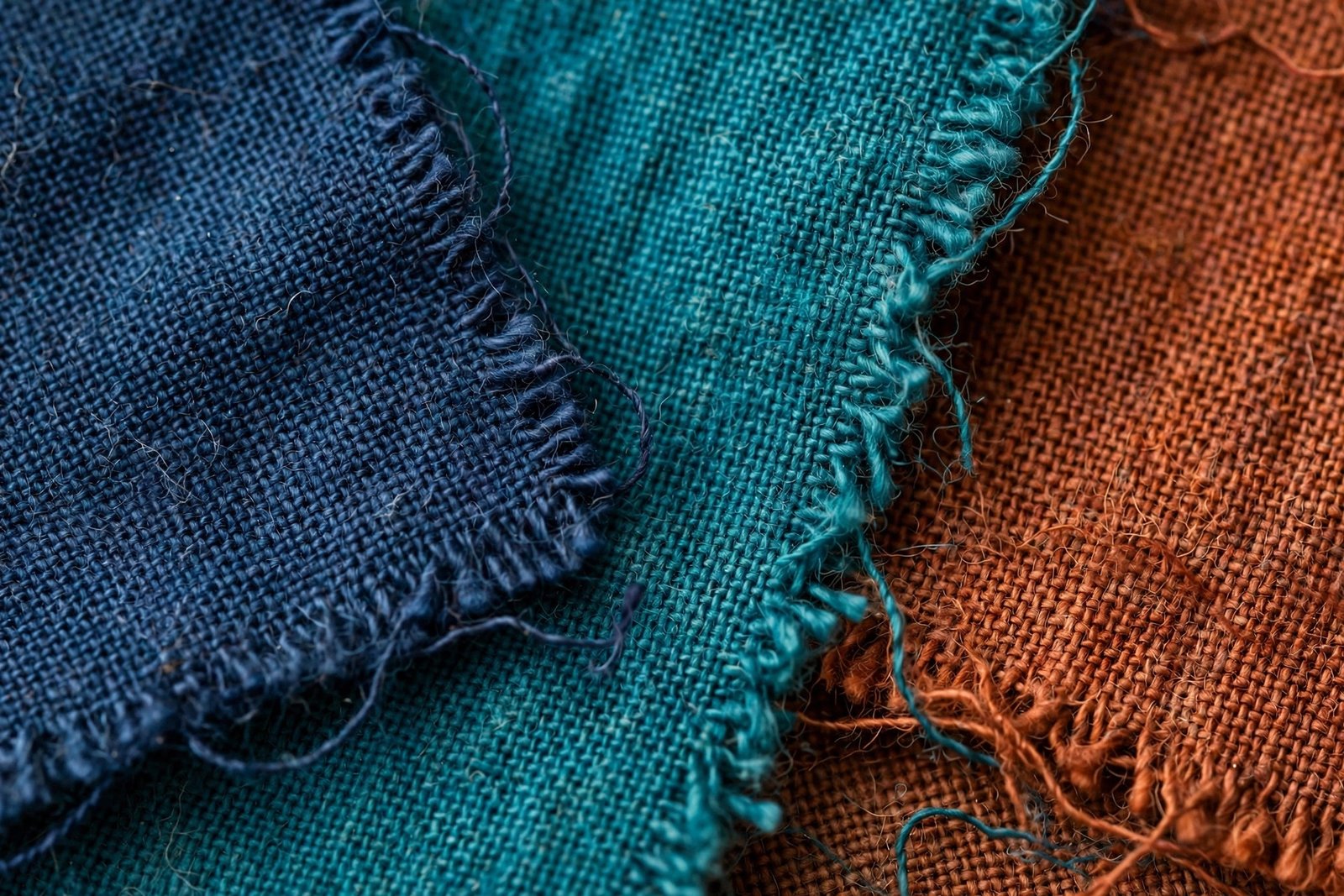
Key Takeaways: Chromtex has no single verified universal definition, so context matters more than the name alone. It is most often associated with textiles and textile chemistry, and in one documented case with a metallized decorative laminate trademark. Check the exact product name, fiber content, care instructions, and test evidence before buying.
Readers usually arrive with a practical question. They may have seen the word on a supplier page or in an article about future fabrics, and want to know whether Chromtex is a fabric, a chemical treatment, a brand, or a technology platform. The honest answer is that it can be used in more than one of those ways, so look past the label and ask what is actually being supplied.
The word itself gives a useful clue. The first part, chrom, points to color, and the second part, tex, points to textiles. That naming pattern is common in the textile industry. A name that suggests color and textiles does not, by itself, prove how a fabric was made or how it will perform.
Textile production is a chain of steps, and each step can change how a finished fabric looks and behaves. Fibers are spun, yarns are woven or knitted, fabrics are dyed or printed, and finishing treatments are applied. Chemicals used in pretreatment, dyeing, printing, washing, and finishing can affect softness, color depth, shrinkage, and durability.

What Is Chromtex?
Chromtex is best understood as a name used in more than one textile related context, not as a single material with a fixed recipe. Some online sources describe it as an advanced textile innovation focused on durability, comfort, and sustainability. Other sources describe a textile chemistry business using the same name. A patent document also refers to Chromtex as a trademark for a metallized transfer laminate supplied by Kurz-Hastings, Inc., used to create decorative metallic effects on film. These are different uses, and they should not be merged into one product story.
That distinction matters for research. A page about decorative laminates describes a different application from a page about fabric dyeing chemicals, and a page about performance clothing describes another application again. The shared name does not mean the products share fibers, chemicals, suppliers, or test results.
What Does Chromtex Mean in Textile Chemistry?
In textile chemistry, the work is practical and process driven. Pretreatment prepares a fabric for dyeing or printing by cleaning it and helping it absorb color evenly. Dyeing adds color throughout the fiber or fabric. Printing applies color or pattern to specific areas. Finishing can change hand feel, appearance, wrinkle resistance, or water repellency. Washing and after treatment remove excess chemicals and help set the final result.
Promotional descriptions in this context often stress innovation, quality, and care for the environment. Those are broad goals, not measurements. To compare suppliers, ask for dosage, processing temperature, compatibility with cotton, polyester, or blends, and the effect on color fastness and hand feel.
How Is Chromtex Described in Advanced Textile Writing?
Online articles about advanced textiles often describe Chromtex as a concept rather than a single catalog product. The emphasis is usually on fabrics that last longer, hold color better, resist abrasion, and need less frequent replacement. Some articles also mention recycled fibers, lower water use in dyeing, and easier care.
Read those articles with care. Many are general explainers, not laboratory reports, and they rarely name a specific fiber blend, weave, coating, or test method. A claim that a fabric resists fading is only useful when you know the test used, the number of wash cycles, and the result.
Common Themes in Chromtex Descriptions
- Durability: resistance to wear, tearing, and repeated washing, often linked to longer product life.
- Color performance: deeper color, better color retention, and reduced fading after washing or light exposure.
- Comfort and function: softness, breathability, moisture management, and suitability for active or work clothing.
- Sustainability claims: recycled content, reduced water use, lower waste, and fewer replacements over time.
- Versatility: use across fashion, workwear, home textiles, medical textiles, and industrial applications.
What Is the Metallized Decorative Laminate Meaning?
The decorative laminate meaning is the most specific documented use found in this research. A patent document for a method of forming a metallized decorative film laminate states that preferred metallized transfer laminates of the type described were available under the trademark Chromtex from Kurz-Hastings, Inc., of Philadelphia, Pennsylvania. In that context, Chromtex refers to a transfer material used to attach a thin metallic layer to a transparent plastic film, creating a decorative effect that can be seen through the film.
This use is a reminder that trademarks can live in narrow industrial niches. A decorative laminate is not a shirt, a curtain, or a dye chemical, even if it shares a name with textile products.
Where Is Chromtex Used?
Sources that discuss Chromtex in a textile sense usually list a broad set of applications: fashion and sportswear, workwear, home furnishings, medical textiles, automotive interiors, and industrial uses. Those lists show where the idea could apply, not where a verified product is currently sold in your market.
A product for hospital use, for example, may need to meet hygiene and laundering requirements that a fashion fabric does not. Ask which application the specific product was designed for, and which standards it was tested against.
| Context | What It Usually Refers To | What to Check First |
|---|---|---|
| Textile chemistry | Chemicals for pretreatment, dyeing, printing, finishing, or after treatment | Product name, fiber compatibility, dosage, and safety data |
| Advanced textile articles | A general idea of durable, color stable, and lower impact fabrics | Fiber content, test methods, and wash care evidence |
| Decorative laminate | A trademark for metallized transfer laminate for decorative film effects | Supplier, substrate, adhesive, and intended use |
| Product or brand pages | A specific supplier, range, or finished item using the name | Company details, product sheet, and warranty terms |
How Does Chromtex Compare With Traditional Fabrics?
Traditional fabrics vary widely, so a fair comparison always needs a named alternative. A basic cotton shirt, a polyester work uniform, and a coated industrial fabric do not share the same strengths. Promotional Chromtex writing often contrasts an improved product with a vague idea of traditional fabric, citing fading, tearing, or resource heavy production. That contrast is not a controlled comparison unless both fabrics, both test methods, and both results are named.
Is Chromtex Sustainable?
Sustainability is one of the most common claims attached to Chromtex, and also one of the easiest to overstate. Longer lasting products can reduce waste, because fewer replacements are needed. Recycled fibers can reduce demand for virgin material. More efficient dyeing can reduce water and energy use. Each idea can be true for a specific product, but none is automatically true for every product that uses the name.
To judge a claim, look for its boundary. Does it cover the whole product life, or only one stage? Is recycled content stated as a percentage? Are there third party certifications, and what exactly do they certify? If those details are missing, treat the claim as unverified.
How Can You Evaluate a Chromtex Product or Supplier?
A short checklist can save time and reduce risk. Start with identity, then move to evidence, then to practical fit.
- Identify the exact product: Ask whether Chromtex names the company, the fabric, a chemical treatment, or a finished product range.
- Ask for composition: Request fiber content, fabric weight, weave or knit type, and any coating or finish applied.
- Ask for test evidence: Request color fastness, abrasion, and wash durability results, with the test standard and result.
- Check care and safety: Read washing and drying instructions, and ask for safety data sheets where chemicals are involved.
- Check the intended use: Confirm the product was designed and tested for your application.
- Compare total cost: Consider price, expected life, care cost, and replacement frequency, not purchase price alone.
When researching unfamiliar technology terms, it helps to see how other technology explainers are structured. For example, our guide to Poieno technology separates a term from the claims made about it. A comparison such as Chromebook vs laptop also shows why similar sounding names should not be confused.
What Should Buyers Avoid Assuming?
Avoid four common assumptions. First, do not assume that all Chromtex products come from one company. Second, do not assume that a promotional article is a product specification. Third, do not assume that durability in one use proves suitability for another use. Fourth, do not assume that a sustainability word on a page is backed by a certification.
What Is the Future of Chromtex Style Textiles?
The wider textile industry is moving toward fabrics that combine performance with lower impact. Smart textiles, recycled fibers, digital printing, and more efficient dyeing are active areas of development across many suppliers, not only those using the Chromtex name. Guides to best free AI tools can help with early research, although they cannot replace a product sheet or a laboratory result. For more technology explainers, visit the DigitalGeekSpot homepage.
Frequently Asked Questions About Chromtex
What is Chromtex in simple terms?
Chromtex is a name used in textile related contexts, most often linked to textile chemistry or advanced fabric ideas, and in one documented case to a metallized decorative laminate trademark. It is not a single universal material.
Is Chromtex a fabric or a brand?
It can function as either, depending on context. Some sources use it like a brand or supplier name, while other writing uses it as a general label for performance textile ideas. Ask the seller whether it names the company, the fabric, a treatment, or a finished range.
Is Chromtex a real company?
Sources describe textile chemistry businesses and products using the name, and a patent document names a Chromtex trademark supplier in the decorative laminate field. Verify the exact company and product range for the reference you found.
What are Chromtex products used for?
In textile writing, described uses include fashion, sportswear, workwear, home furnishings, medical textiles, automotive interiors, and industrial applications. Those are described uses, not a guarantee of suitability for every application.
Is Chromtex environmentally friendly?
Some sources claim benefits such as longer life, recycled content, or more efficient dyeing, but those claims vary by product and are not verified for every use of the name. Ask for the specific basis, such as a percentage, a measurement, or a certification.
How is Chromtex different from regular fabric?
Promotional writing often claims better durability, color retention, and lower maintenance, but a fair difference needs a named comparison fabric and a named test. Ask for color fastness, abrasion, and wash results for both products being compared.
Should I buy a product just because it says Chromtex?
No. Use the name as a starting point for research, not as proof of quality. Check product name, fiber content, care instructions, test evidence, intended use, and supplier details.
Where can I find reliable information about a specific Chromtex product?
Start with the supplier product sheet, safety data where relevant, care label, and any test reports or certifications provided. If those documents are missing or vague, contact the supplier directly.