Walking into a vape shop for the first time can feel overwhelming: walls of devices, unfamiliar terms like “sub-ohm” and “pod system,” and staff asking what kind of vaper you want to be. If you are an adult wondering how to choose first vape kit, this guide breaks the decision into simple steps. You will learn the main device types, the specs that actually matter, the questions worth asking in a shop, and the common beginner mistakes to avoid.
Start With Your Goal
Before comparing hardware, get clear on what you want the device to do. Are you an adult smoker looking for a cigarette-like draw? A casual user who wants something simple for occasional use? Or someone curious about the hobby side, with bigger vapor and customizable settings? Your answer points directly to a device category.
Most beginners want three things: simplicity, reliability, and a satisfying draw. That usually means starting with a pod system or a simple vape pen rather than an advanced mod. You can always upgrade later once you know your preferences. There is no prize for starting complicated, and the simplest devices are often the most dependable.
The Main Device Types
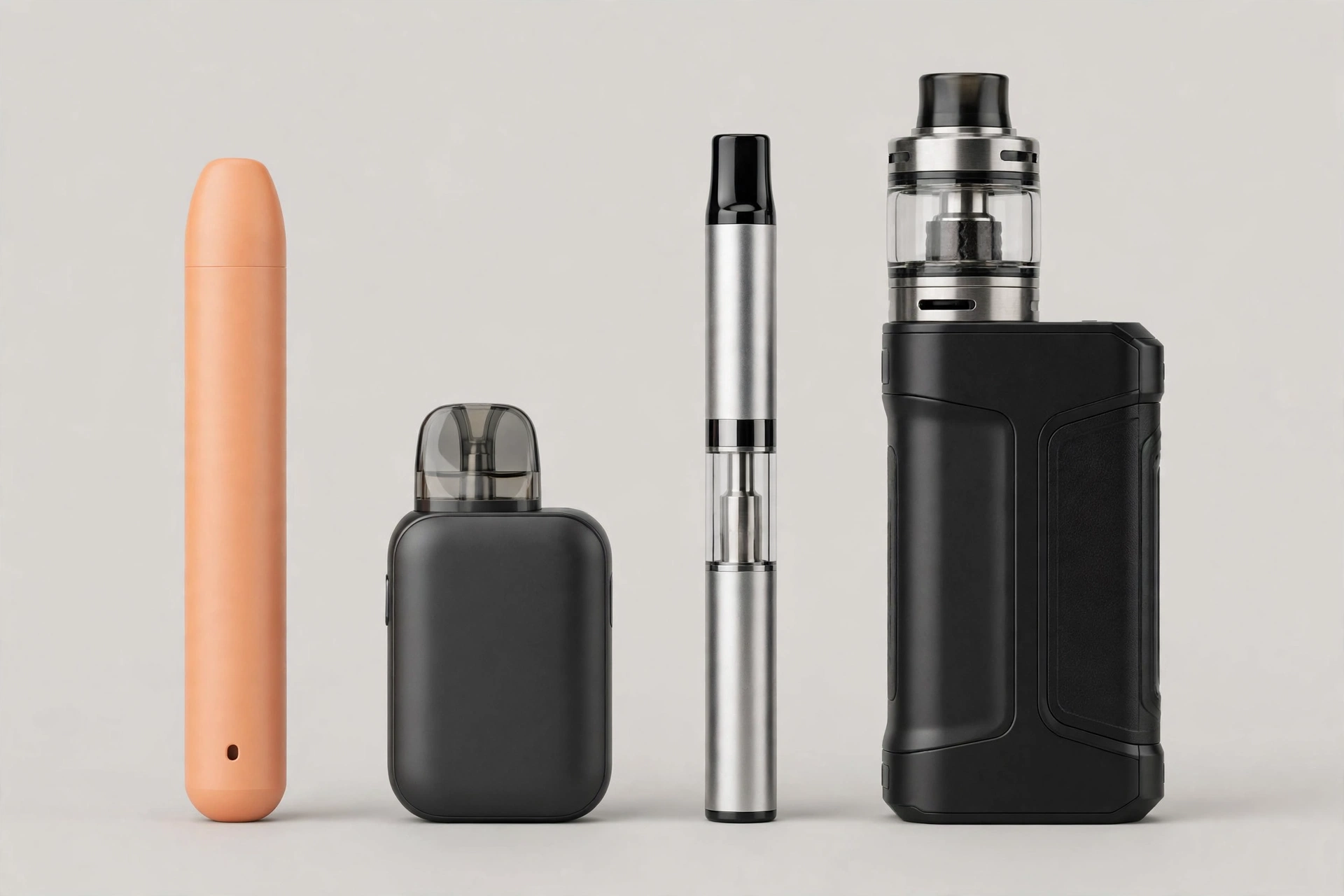
Vape kits fall into a few broad families. Understanding them is the fastest way to narrow your search:
- Disposable vapes: pre-filled, pre-charged, single-use devices. Zero maintenance and the simplest possible start, but higher long-term cost and more waste. Good for sampling or travel.
- Pod systems: small, rechargeable devices with refillable or replaceable pods. Simple to use, discreet, and inexpensive to run. The most popular choice for beginners.
- Vape pens: slim, pen-shaped devices with refillable tanks. Slightly larger than pods, straightforward to operate, and a classic starter option.
- Box mods with tanks: larger, more powerful devices with adjustable wattage and sub-ohm tanks. Built for bigger clouds and flavor intensity, but with a steeper learning curve.
For most first-time buyers, the realistic shortlist is a pod system or a vape pen. If you want a detailed comparison of the two simplest formats, read our guide on disposable vs refillable vapes, which covers cost and convenience trade-offs in depth.
Key Specs That Actually Matter
Marketing sheets are full of numbers, but only a handful matter for a first kit:
- Battery capacity (mAh): higher numbers mean longer time between charges. A small pod might have 500 to 800 mAh, enough for a day of light use, while larger devices run into the thousands.
- Pod or tank capacity (ml): how much e-liquid the device holds. Larger capacity means fewer refills, which beginners appreciate.
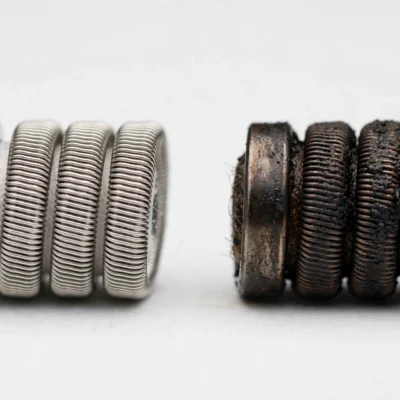
- Coil resistance (ohms): coils above 1.0 ohm suit mouth-to-lung vaping, the tight, cigarette-like draw most beginners prefer. Sub-ohm coils below 1.0 ohm produce bigger clouds and pair with lower-strength e-liquids.
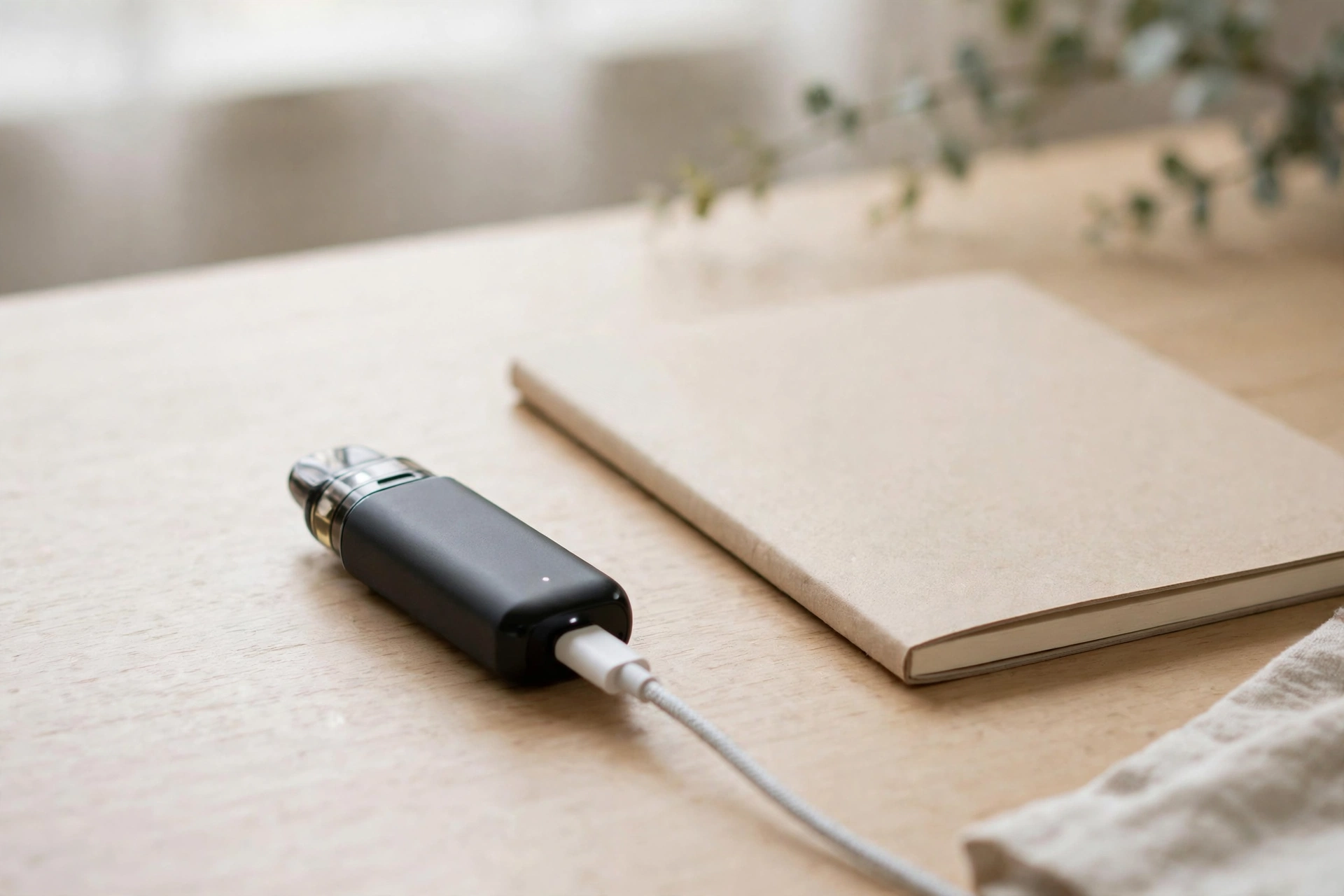
- Charging type: USB-C charging is faster and more convenient than older micro-USB. Check what cable is included.
- Draw activation vs button: draw-activated devices fire when you inhale, with no buttons to learn. Button-fired devices offer more control but add a small learning step.
You do not need adjustable wattage, temperature control, or a color screen on your first device. Those features add complexity without adding much for a beginner.
Matching the Device to Your Habits
Your habits should drive the choice. If you were a heavy smoker, a tight-draw pod system with a higher-strength e-liquid often feels most familiar. If you smoked lightly or not at all and are simply curious, a simple low-maintenance device with a mild e-liquid keeps things gentle.
Think about portability too. A bulky box mod is a poor fit for someone who wants something pocket-friendly for nights out. A tiny pod that needs charging twice a day is a poor fit for someone who is away from outlets all day. Match the device’s battery and size to your routine, not to what looks impressive on the shelf.
Budget matters as well, but think in total cost, not just the kit price. A cheap kit that needs expensive proprietary pods can cost more over time than a slightly pricier kit with affordable refills. Ask about the ongoing cost of pods, coils, and e-liquid before you commit.
Questions to Ask at the Vape Shop
A good vape shop is one of the best resources a beginner has. Staff can let you handle devices, explain the differences, and match products to your needs. Walk in with these questions:
- Which starter kits do you recommend for a complete beginner, and why?
- What does the kit include in the box, and what will I need to buy separately?
- How often will I need to replace the pods or coils, and what do replacements cost?
- Which e-liquids are compatible with this device?
- How do I fill, charge, and maintain it? Can you show me?
- What is your return or warranty policy if the device is faulty?
- Do you offer ongoing support if I run into problems?
Be wary of shops that push the most expensive device without asking about your needs, or that cannot explain basic maintenance. A shop that takes time to educate you is one worth returning to. Our device overview in the Looper vape guide can give you background vocabulary before you visit.
Common Beginner Mistakes to Avoid
First-time buyers tend to stumble in predictable ways. Here are the mistakes to sidestep:
- Buying too much device: an advanced mod with a sub-ohm tank overwhelms most beginners. Start simple.
- Ignoring ongoing costs: factor in pods, coils, and e-liquid, not just the kit price.
- Choosing the wrong draw style: most beginners prefer mouth-to-lung. Direct-lung sub-ohm vaping is a different experience and not the best starting point.
- Skipping the manual: even simple devices have quirks. A five-minute read prevents most early problems.
- Buying from sketchy sources: counterfeit devices and e-liquids are a real problem online. Buy from reputable shops and authorized retailers.
- Forgetting the charger: check whether a cable is included and whether you have a compatible wall adapter.
One more tip: buy a small bottle of e-liquid in a couple of flavors at first rather than committing to a large bottle of one flavor. Tastes change quickly when you are starting out. For more beginner-friendly reading, browse more guides on the DigitalGeekSpot homepage.
What Comes in the Box? A Starter Kit Checklist
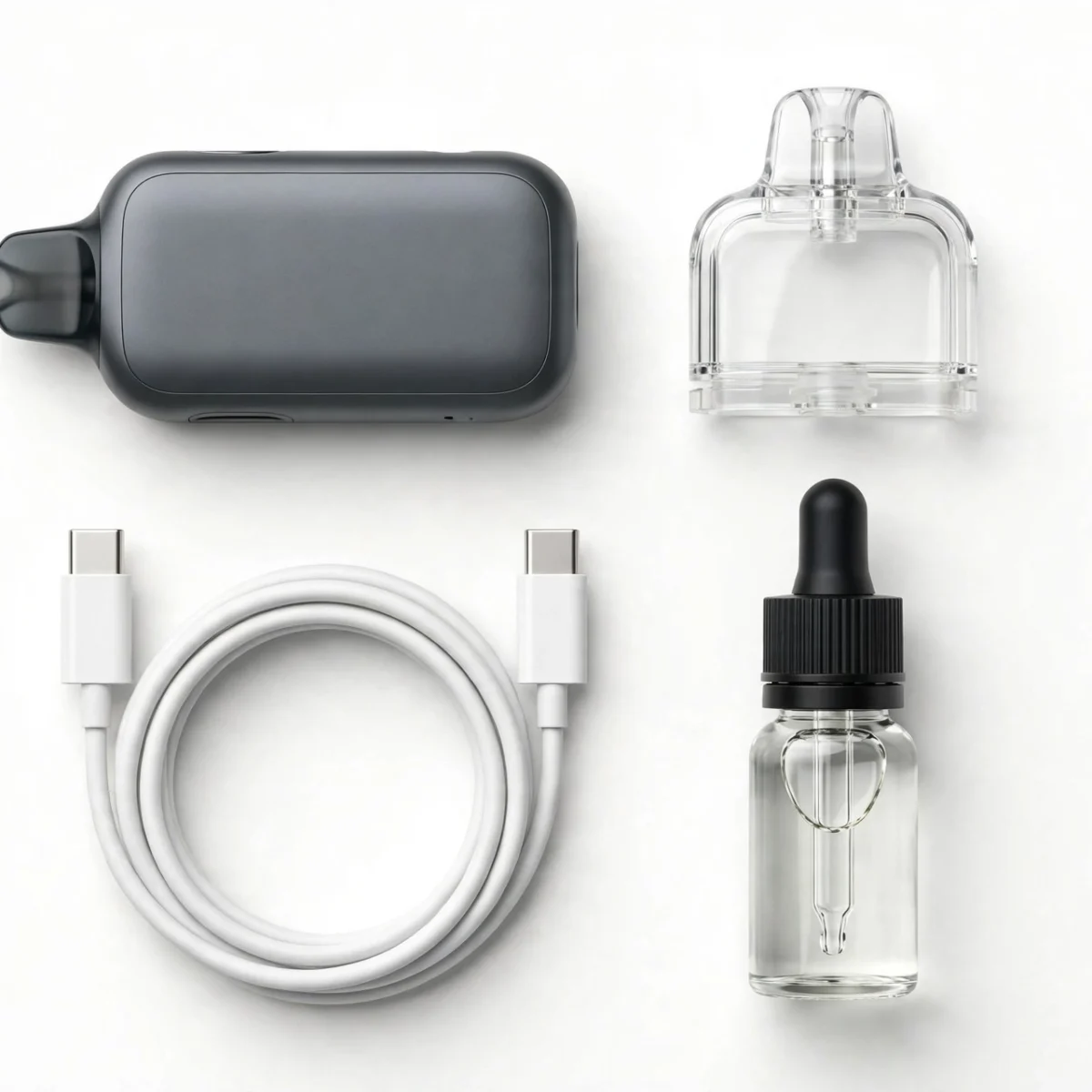
Starter kits vary in what they include, and knowing what to expect prevents a second trip to the shop. A typical beginner kit contains the device itself, one or two pods or a tank, a charging cable, and a brief manual. Some kits include a spare coil or pod, which is a nice bonus.
What is usually not included: e-liquid, a wall adapter for the charging cable, and spare coils beyond any bonus in the box. Plan to buy at least one bottle of compatible e-liquid and a pack of replacement pods or coils with your first kit, so you are not stuck with a working device and nothing to vape or no spare when the first coil wears out.
Before you leave the shop or click buy, run through this checklist:
- Device and pods or tank included and sealed in the box.
- Charging cable included, and you own or buy a compatible wall adapter.
- At least one bottle of e-liquid that matches the device type.
- A pack of spare pods or coils for when the first one wears out.
- You have seen the filling and charging process demonstrated or explained.
- You know the shop’s return and warranty policy.
Frequently Asked Questions
What is the best vape kit for a complete beginner?
For most beginners, a simple refillable pod system is the best starting point. It is easy to use, inexpensive to run, discreet, and widely available. Vape pens are a solid alternative if you prefer a slightly larger device.
How much should a first vape kit cost?
Starter kits span a wide price range depending on brand and features. Focus on total cost of ownership: add up the kit, a bottle of e-liquid, and a pack of replacement pods or coils to see the real first-month cost.
Do I need to know about ohms and watts as a beginner?
Only the basics. Know that higher-resistance coils (above 1.0 ohm) suit a cigarette-like mouth-to-lung draw, which is what most beginners want. You can safely ignore advanced wattage settings on a simple starter kit.
Should I start with a disposable or a refillable kit?
Disposables are the simplest possible start with zero commitment, while refillable pod kits cost less over time and offer more flavor choice. Many beginners start with a disposable to try vaping, then move to a refillable kit.
What e-liquid should a beginner use?
Use an e-liquid compatible with your device: nic salt e-liquids pair with low-power pod systems, while regular freebase e-liquids suit a broader range of devices. Start with a small bottle and a flavor you already enjoy in other contexts, like fruit or mint.
How do I know if a vape shop is trustworthy?
Look for shops with knowledgeable staff who ask about your needs, explain maintenance, sell sealed products from known brands, and offer clear return policies. Avoid sellers who push expensive gear without questions or sell unsealed products.