If you have searched for novafork, you have probably noticed something unusual: the term has no one clear, widely documented definition. It looks like the name of a project, a tool, or a website, yet reliable public information about it is thin. This guide does not guess at features or invent a product story. It explains what the word most plausibly points to, what a software fork is, and how to judge an unfamiliar name like novafork before you trust it with your time, your data, or your device.
The short answer is simple. Novafork, sometimes split as nova fork, is best treated as an obscure technology name rather than an established, well documented product. Details about its owner, features, pricing, and user base are not publicly verifiable in a form that can be confirmed here, so this article does not claim them. What can be explained with confidence is the concept behind the name, the checks that separate a real project from a lookalike site, and the questions to ask on novafork.com before you download, sign up, or pay for anything.

That distinction matters because technology names are easy to copy. A domain can look professional and a download button can appear legitimate, even when the project behind it is undocumented, abandoned, or misrepresented. Learning to read those signals is more useful than memorizing one more product claim.
This guide covers the fork concept, a ten minute evaluation checklist, and the questions people most often ask about novafork, while being plain about what is not verifiable. Where this article says something is not publicly verifiable, that is not a verdict that the project is fake. It simply means the evidence needed to confirm the claim was not found in reliable public sources, and that gap is itself a reason to be careful.
Finally, note the honest limit of this topic: a polished homepage is not evidence, and a lack of evidence is not proof of harm. The wise move is to verify before you trust, and to let the official site and independent sources do the persuading.
Key Takeaways: Novafork is an obscure technology term with no widely verified public product profile, so treat bold claims about it with care. The word suggests a software fork, a separate copy of an existing project developed in a new direction. Before using any tool under this name, verify the official site, the publisher, the documentation, and the download source, and never enter passwords or payment details on an unverified page. If those checks fail, wait and use a better documented alternative.
What is novafork?
Novafork is an obscure name in technology, most plausibly read as a project or site name built from “nova” and “fork.” Beyond that reading, specific facts about who runs it, what it does, and how widely it is used are not publicly verifiable in reliable sources, so they are not stated here as facts. The parts of the name are suggestive, not proof: “nova” suggests something new, and “fork” is a well established software term. A suggestive name alone does not tell you what the software does, whether it is open source, or whether it is actively maintained, so pause before assuming a page you landed on is the official one, and check its About page and publisher details.
What is a software fork, and why does it matter here?
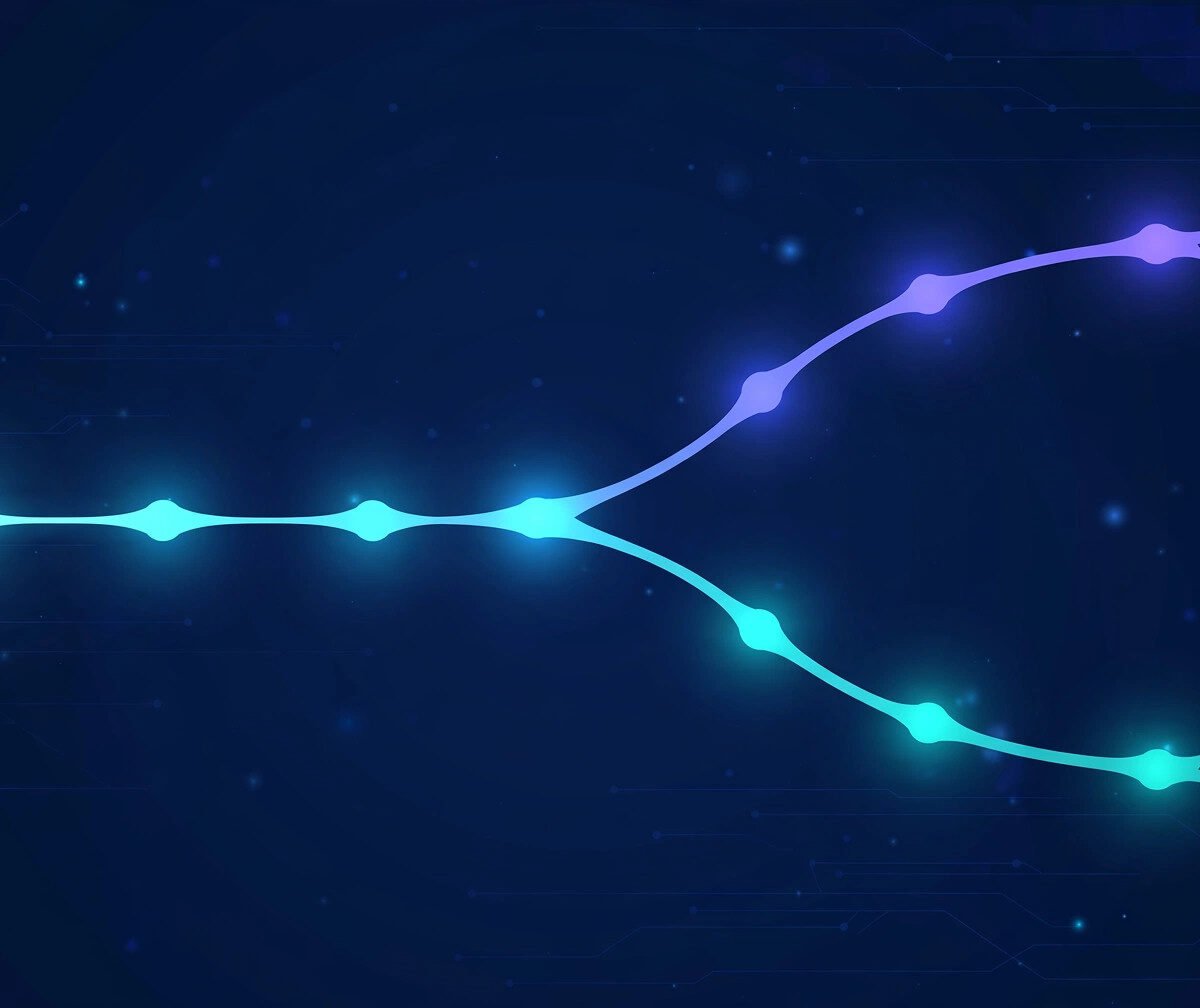
A software fork is an independent copy of a program’s source code that is then developed separately from the original. The fork can keep the original features, change them, or add new ones, and its future depends on its own maintainers rather than on the original team. Forks happen for ordinary reasons: a community may disagree about direction, a company may stop maintaining a tool users still need, or a developer may adapt a program for a new platform. For novafork, the fork concept gives you the right questions: a fork of what, maintained by whom, updated how often, and does it track security fixes from the original project? A page that cannot answer those questions deserves extra scrutiny.
Fork vs. update vs. clone: what is the difference?
- Fork: a separate copy of the code, developed independently. It may diverge from the original over time.
- Update: a new version released by the same project team, continuing the same line of development.
- Clone: a copy that imitates the look or function of something else, sometimes without sharing its code. Treat a mere imitation as unproven until it shows real documentation.
What is novafork.com supposed to be?
On the public evidence available, novafork.com cannot be confirmed here as the home of a specific, documented product with verified features. The domain matches the keyword, which is why people search for it, but a matching domain is not proof of a trustworthy or active project. That claim is deliberately narrow: it does not say the domain is harmful, and it does not say nothing exists there. It says the details a careful reader needs, such as a named publisher, a clear product description, a changelog, and independent coverage, are not established in verifiable public sources for this article. Be especially careful with any page that asks you to download software or create an account before it explains what the tool does, since legitimate projects usually explain first and ask for trust second.
How can you evaluate an unfamiliar tool like novafork before using it?
Use a short, repeatable checklist: confirm the publisher, confirm the official source, read the documentation, check maintenance activity, and test safely. A real project usually names a person, company, or organization, and links to a code repository, documentation, or support channel where real questions get answered. Anonymous projects are not automatically bad, especially in open source, but anonymity plus download requests plus payment requests calls for caution. Then confirm the official source by searching for the project name alongside words like repository, documentation, and changelog, and checking whether independent pages point to the same domain.
A 10 minute verification checklist
| Check | What to look for | Why it matters |
|---|---|---|
| Publisher identity | A named person, team, or company with a contact route | Anonymous download pages are harder to hold accountable |
| Official domain | One consistent domain linked from independent sources | Copycat domains are a common source of unsafe downloads |
| Documentation | Clear guides, not just marketing copy | Real tools explain setup, limits, and troubleshooting |
| Maintenance activity | Recent updates, changelogs, or release notes | Abandoned software can carry unpatched security issues |
| Permissions and data | What the tool accesses and why | Overbroad permissions are a privacy and security risk |
| Payment terms | Pricing, refunds, and cancellation terms in writing | Vague pricing often hides subscriptions or fees |
If three or more rows come back blank, you do not have enough information to trust the tool yet. Not enough evidence is a reason to pause, not a reason to guess.
What are the red flags to watch for?
The strongest red flags are pressure tactics, vague product claims, missing publisher details, and download or payment requests that arrive before any real explanation. Several together should end the visit.
- Claims of guaranteed results, secret methods, or exclusive access with no evidence behind them.
- A homepage full of superlatives but no screenshots, documentation, or worked examples.
- Testimonials or review scores with no source, no date, and no way to verify the reviewer.
- Download buttons on pages that are not the official site, or installers bundled with unrelated software.
- Requests for passwords, payment details, or broad device permissions before the tool’s purpose is clear.
The same habits protect you across categories. For example, the guide on how to spot a crypto scam covers pressure tactics and unverifiable claims that also appear around obscure software names.
Is novafork safe to download or sign up for?
There is no verified basis in this article for calling novafork safe or unsafe as a whole. Safety depends on which exact site, file, or account page you are dealing with, and on what permissions it requests, and those specifics are not publicly verifiable here. Download only from a confirmed official source, never from a mirror, ad, or shortened link, and install new tools in a limited way first, without granting access to your main email, files, or payment methods. If a download triggers a security warning, do not override it casually: overriding it should require a positive reason, such as a confirmed official publisher, not just impatience to try the tool.
How does novafork relate to other technology concepts?
Novafork sits closest, conceptually, to software development topics such as forking, open source maintenance, and new tooling trends. For context on loosely defined development terms, see the guide on what vibe coding is. For a contrasting, well specified concept, see the guide on what the Model Context Protocol is, where the specification, purpose, and boundaries are documented in a way an obscure name cannot yet match. A concept earns trust when its definition, its maintainers, and its limits are all public and checkable.
What should you do if you already used a site called novafork?
Do not panic, but do review what you shared and what you installed. If you only browsed, you likely need no action unless you entered personal details. If you created an account, change that password, and change it anywhere else you reused it. If you installed software, remove it through your operating system’s normal uninstall route and run a reputable security scan. If you entered payment details, monitor your statements and contact your bank or card provider promptly about any charge you do not recognize. If you granted broad permissions, revoke them in your device or account settings. Keep a note of the exact domain, the date, and what you downloaded, so you do not confuse a copycat domain with the official one later. You can explore more technology explainers on the DigitalGeekSpot homepage.
Frequently Asked Questions About Novafork
What is novafork in simple terms?
It is an obscure technology name that most plausibly refers to a fork style project or site. Its owner, features, and status are not publicly verifiable, so it should not be described as an established product without better evidence.
Is nova fork the same as novafork?
Yes, for search purposes they are variants of the same keyword: “nova fork” is the spaced form and “novafork” is the joined form.
What is novafork.com?
It is the domain name matching the keyword. Whether it is the official home of an active, documented project cannot be confirmed from verifiable public sources for this article, so verify its publisher and purpose directly before trusting it.
Does novafork have a price or a free version?
No pricing or free tier is stated here, because none is publicly verifiable in a reliable form. Check any pricing claim against written terms on the official site before payment.
Is novafork open source?
That cannot be confirmed here. A project is open source only when its licence and source repository are public and checkable. A claim with no repository or licence link is unproven.
What is a software fork?
It is an independent copy of a program’s source code, developed separately from the original, depending on its own maintainers for updates and security fixes.
Should I download software from a site using the novafork name?
Only after verification: confirm the official domain, publisher, documentation, and maintenance activity, and download only from the confirmed official source. If those checks fail, use a better documented alternative instead.
Where can I find reliable information about novafork?
Start with the official site, then look for an independent code repository, documentation, and changelog, and compare them. If those sources are missing or inconsistent, that gap is itself the finding, and caution is the correct conclusion.