What is retargeting in advertising? It is the reason you see ads for a pair of shoes on a news site hours after you looked at them in an online store. Retargeting, also called remarketing, is a form of online advertising that shows ads to people who have already visited your website or interacted with your brand, reminding them to come back and finish what they started.
For small businesses, retargeting is one of the most cost-effective ways to advertise, because it targets warm audiences instead of strangers. This beginner guide explains how retargeting works, where you can run it, and the best practices that keep your campaigns helpful instead of annoying. Find more marketing guides on the DigitalGeekSpot homepage.
What Is Retargeting in Advertising?
Retargeting is an advertising technique that reconnects you with people who showed interest in your business but left without buying, signing up, or contacting you. When someone visits your website, a small piece of code called a pixel records the visit. Later, when that person browses other websites, uses social media, or watches videos, ad platforms recognize them and show your ads again.
The idea is simple: most website visitors are not ready to buy on their first visit. They compare options, get distracted, or want to think it over. Retargeting keeps your business visible during that decision period, so when they are ready, your brand is the one they remember. It is like a friendly follow-up from a salesperson, delivered automatically through ads.
You may also see the term “remarketing.” Google Ads uses “remarketing” for the same concept, while most other platforms and marketers say “retargeting.” The mechanics are the same either way: reach people who already know you, and give them a reason to return.
How Retargeting Works, Step by Step
Understanding the basic flow makes retargeting far less mysterious. Here is what happens behind the scenes:
1. A visitor arrives on your website. Someone clicks a search result, a social post, or an ad and lands on your site. They browse a product page, read a service description, or start filling out a form.
2. The pixel tags the visit. Your retargeting pixel, a snippet of code installed on your site, records that this browser visited a particular page. No personal details are collected; the visitor is simply added to an anonymous audience list on the ad platform.
3. The visitor leaves without converting. They close the tab, get interrupted, or decide to compare prices. This is normal: a large share of first-time visitors never convert on the spot.
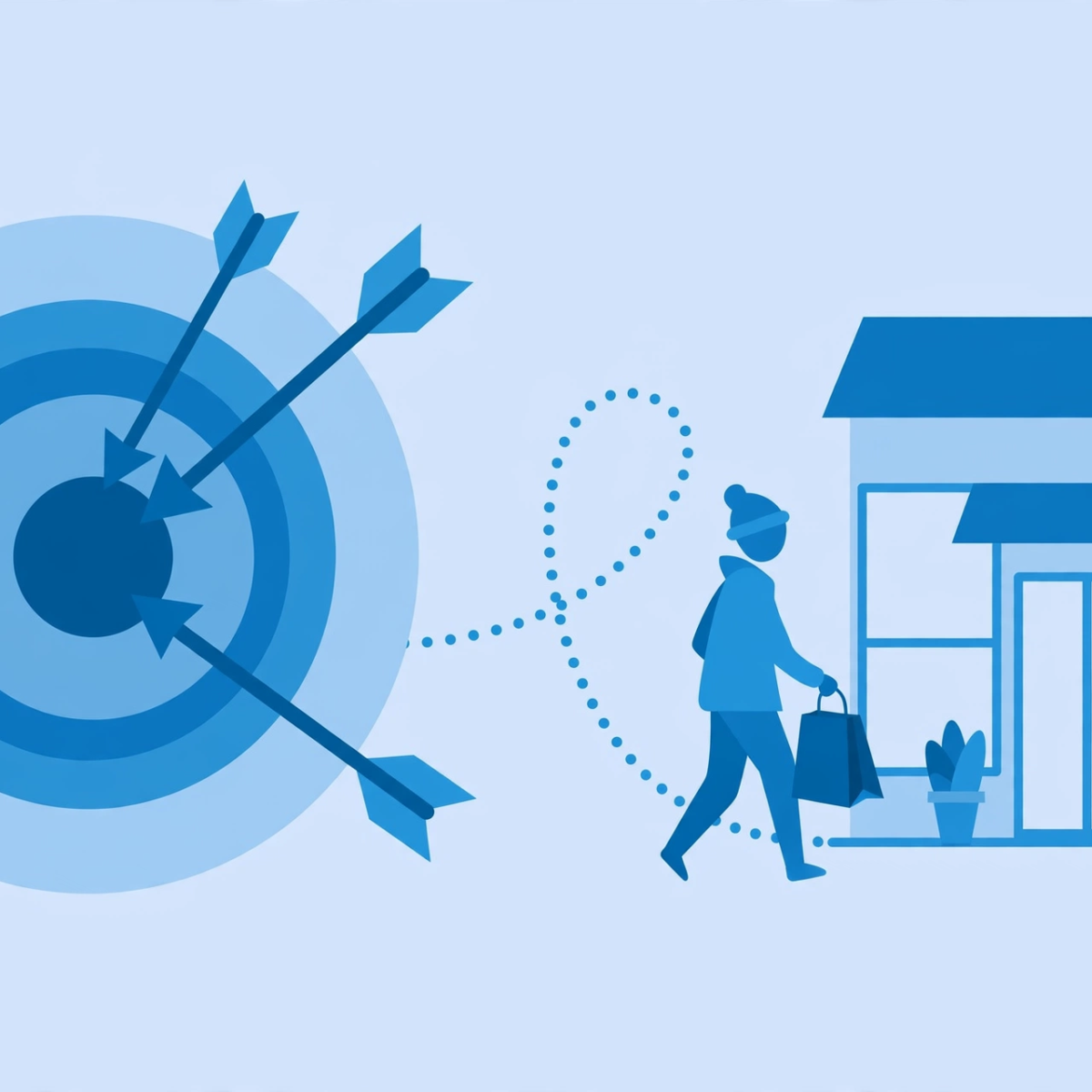
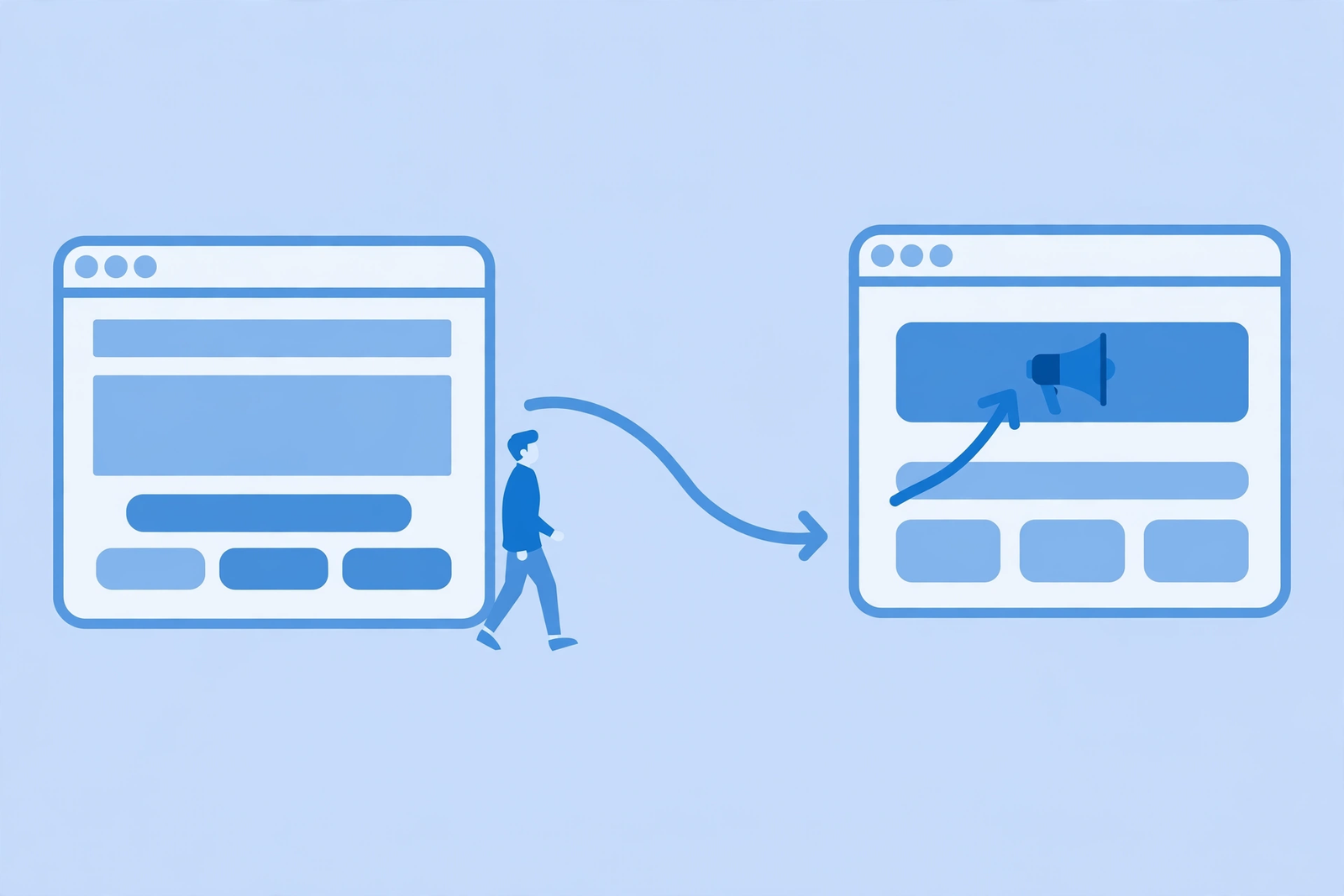
4. Your ads follow them around the web. Later, when the visitor reads a blog, scrolls a social feed, or watches a video, the ad platform recognizes the tagged browser and serves one of your ads. This is the moment illustrated below: a visitor leaves your site and sees your ad later on a completely different website.
5. The visitor returns and converts. A well-timed reminder brings a share of those visitors back. Some complete the purchase, others sign up for the newsletter or request a quote. Because these people already know your brand, retargeting campaigns often convert at higher rates than ads shown to cold audiences.
The whole system runs on audience lists with membership windows. You might keep product-page visitors in a list for 30 days and cart abandoners for 14 days, so your ads stop once enough time has passed. This keeps your spending focused on people who are still likely to act.
Where Small Businesses Use Retargeting
You do not need a big budget to start retargeting. Most major ad platforms include it as a standard feature, and you can launch a basic campaign with a small daily spend.
Google Display Network: Google lets you show retargeting ads across millions of websites and apps in its display network. This is the classic “ads follow you around” experience. If you are new to Google advertising in general, this Google Ads overview explains the platform basics that apply to any industry.
Facebook and Instagram: Meta’s platforms are popular for retargeting because the ads appear in feeds people check constantly. You can retarget website visitors, video viewers, and people who engaged with your page, all from one audience setup.
Email-based retargeting: If you collect email addresses, you can upload the list to ad platforms and show ads to those contacts, or simply send a well-timed follow-up email. Cart abandonment emails are the simplest form of this and require no ad spend at all.
Video platforms: YouTube offers retargeting to people who watched your videos or visited your channel. Short reminder videos work well here, and if you want to create video ads without a production crew, an AI video generator can help you produce simple ad creatives quickly.
Retargeting Best Practices for Beginners
Retargeting works best when it feels like a helpful reminder, not surveillance. These practices keep your campaigns effective and respectful.
Set frequency caps. Frequency caps limit how many times one person sees your ad per day. Without a cap, your ad can appear dozens of times and irritate the exact people you want to win over. Start with a modest cap, such as 3 to 5 impressions per person per day, and adjust based on results.
Use sensible audience windows. Not every visitor deserves a 180-day follow-up. Someone who abandoned a cart yesterday is far more valuable than someone who glanced at your homepage three months ago. Create separate audiences by recency and page type: recent cart abandoners get your strongest offer, while older general visitors get lighter brand reminders or are excluded entirely.
Segment your audiences. Different visitors need different messages. People who viewed a specific product should see that product, while people who read your pricing page might respond better to a consultation offer. Grouping visitors into segments, as shown below, lets you match each ad to the visitor’s actual interest.

Refresh your creative. The same ad shown for weeks becomes invisible. Rotate two or three versions of your creative, test different headlines and offers, and retire anything that stops performing. Simple variations, like a customer testimonial versus a discount, can reveal what motivates your audience.
Exclude converted customers. Nothing wastes money faster than showing “buy now” ads to people who already bought. Set up exclusion lists so recent purchasers stop seeing acquisition ads. You can move them into a separate audience for cross-sells or reviews instead.
Respect privacy rules. Retargeting relies on tracking, which is regulated in many regions. Make sure your site has a clear privacy policy and cookie consent where required. Most ad platforms provide standard consent tools, and using them keeps your campaigns compliant. When in doubt about the technical or legal setup, this guide to hiring marketing help explains how to evaluate outside experts.
Retargeting vs. Prospecting: What Is the Difference?
Beginners sometimes confuse retargeting with prospecting, but they serve opposite ends of the funnel. Prospecting shows ads to people who have never heard of you, based on interests, demographics, or search behavior. Its job is to create awareness and bring new visitors to your site. Retargeting shows ads to people who already visited, and its job is to bring them back.
A healthy small business strategy uses both. Prospecting fills the top of the funnel with new potential customers, and retargeting catches the ones who slip away before converting. If your budget is very small, start with retargeting: the audience is warmer, the cost per conversion is usually lower, and the results teach you which messages work before you spend on cold traffic.
Frequently Asked Questions
What is retargeting in simple terms?
Retargeting is online advertising that shows your ads to people who already visited your website. A tracking pixel remembers the visit, and ad platforms then display your ads to those visitors as they browse other sites or social media, encouraging them to return.
Is retargeting the same as remarketing?
Yes, the two terms describe the same concept. Google Ads calls it remarketing, while most other platforms and marketers say retargeting. Both mean showing ads to people who previously interacted with your business.
How much does retargeting cost?
Retargeting can start with a very small daily budget, often just a few dollars a day on platforms like Google or Meta. Costs vary by industry and competition, but because the audience is warm, retargeting usually delivers a lower cost per conversion than advertising to cold audiences.
How long should I retarget website visitors?
It depends on how quickly your customers decide. For impulse purchases, 7 to 14 days is often enough. For considered purchases like services or high-ticket items, 30 to 60 days is common. Segment by recency so recent visitors see stronger offers and older visitors see lighter reminders.
Does retargeting work without a big website audience?
Retargeting needs a minimum audience size to run effectively, since ad platforms require enough tagged visitors to serve ads. Very new sites with little traffic may need to build visitors first through prospecting, SEO, or content. Once traffic grows, retargeting becomes one of the most efficient channels available.