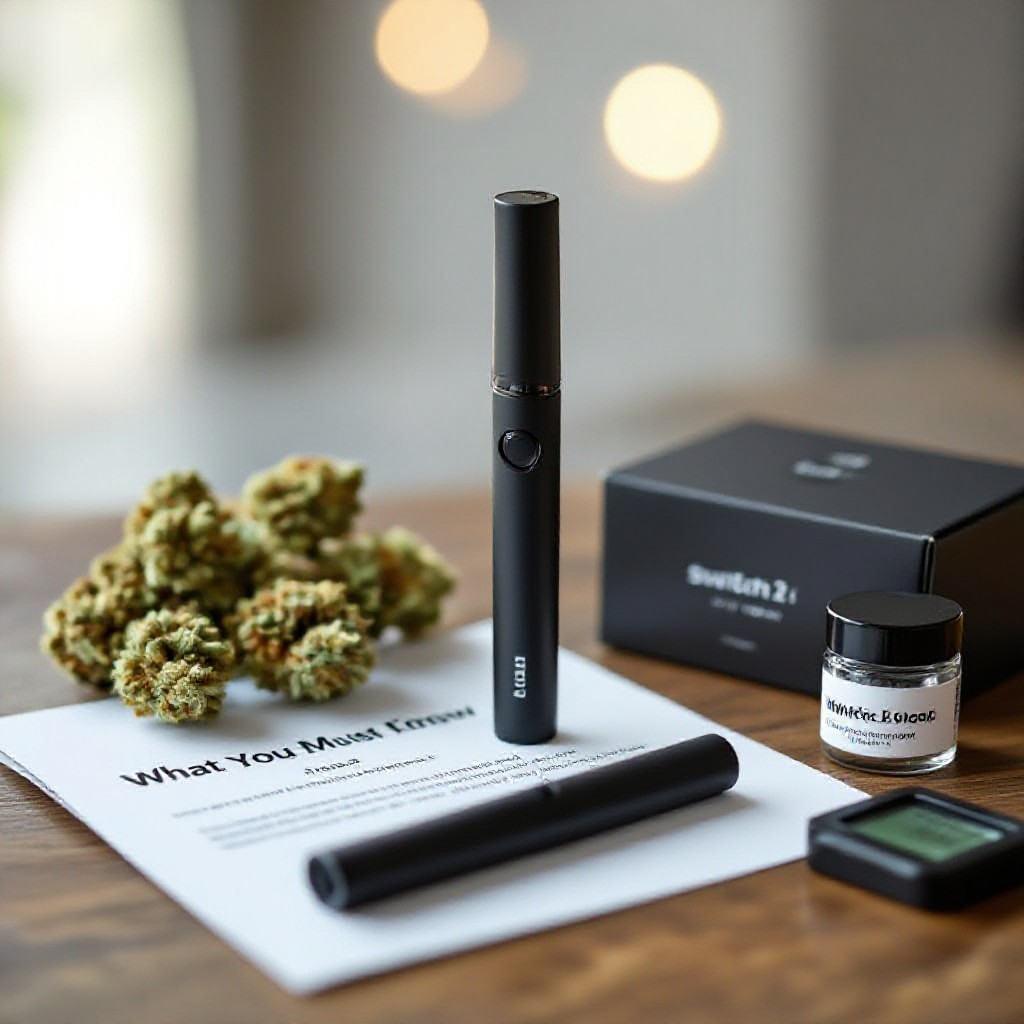
Over the past few years, you’ve likely noticed the growing popularity of dual-function vaporizers that handle both concentrates and dry flower. The Switch 2 represents a significant advancement in this technology, offering you precise temperature control and versatile consumption options. Size, Facts & Complete Info Size, Facts & Complete Info Size, Facts & Complete Info” target=”_blank” rel=”noopener”>Understanding how this device works will help you make an informed decision about whether it fits your needs and preferences.
Key Takeaways:
- The Switch 2 device offers dual functionality, allowing users to alternate between vaping concentrates and consuming dry flower without needing separate devices or complicated setups.
- Temperature control settings are important for optimizing your experience-lower temperatures (350-375°F) preserve flavor profiles while higher settings (400-430°F) produce denser vapor clouds.
- Regular cleaning after every 5-7 sessions prevents residue buildup and maintains optimal performance, with the flower chamber requiring more frequent attention than the vape cartridge component.
- Battery life varies significantly based on usage mode, with concentrate vaping typically lasting 40-50 sessions per charge while flower consumption drains power faster at approximately 25-30 sessions.
- Proper storage of both vape cartridges and flower material in cool, dark places extends product freshness and potency, protecting your investment and ensuring consistent quality.
The Science of Vaporization vs. Combustion
Vaporization heats cannabis to temperatures between 315-440°F, releasing cannabinoids and terpenes without triggering combustion. Combustion, which occurs above 450°F when you smoke, burns plant material and creates tar, carbon monoxide, and carcinogenic compounds. Your lungs receive cleaner vapor with fewer irritants, making this the fundamental difference between the two methods.
Understanding Heat-Not-Burn Technology
Heat-not-burn technology uses convection or conduction to warm cannabis flower just enough to release active compounds without igniting the material. You’ll notice the flower turns brown rather than turning to ash, preserving beneficial compounds while eliminating smoke-related toxins. This controlled heating process maximizes flavor and minimizes harmful byproducts.
Bioavailability and Absorption Rates
Vaporized cannabinoids enter your bloodstream faster than combusted material, with bioavailability rates reaching 50-80% compared to smoking’s 20-30%. Your body absorbs compounds more efficiently through vapor because the particles are smaller and purer. Effects typically begin within 2-10 minutes when vaping flower.
Your endocannabinoid system processes vaporized compounds differently than smoke because vapor contains higher concentrations of intact cannabinoids and terpenes. When you vape, the precise temperature control preserves delicate compounds like beta-caryophyllene and limonene that combustion destroys. Studies show that vaporization delivers 46% more cannabinoids per gram than smoking, meaning you need less material to achieve desired effects. The cleaner delivery method also reduces respiratory irritation, allowing your lungs to process compounds more efficiently without competing with harmful combustion byproducts.
Navigating the Product Selection
Your choices at Switch 2 Vape & Flower span an extensive range of products designed to match your preferences and experience level. Understanding what distinguishes quality options helps you make informed decisions that enhance your satisfaction. The shop’s knowledgeable staff can guide you through various categories, ensuring you find exactly what suits your needs.
Premium E-Liquid Profiles and Nicotine Strengths
E-liquids come in diverse flavor profiles ranging from classic tobacco to exotic fruit blends and dessert-inspired options. You’ll find nicotine strengths varying from 0mg for those who enjoy vaping without nicotine to 50mg salt formulations for satisfying hits. Matching your previous smoking habits to appropriate nicotine levels ensures a smooth transition.
Selecting High-Quality Flower Strains
Quality flower displays vibrant colors, dense trichome coverage, and aromatic terpene profiles that indicate proper cultivation and curing. You should examine the bud structure, checking for freshness and absence of seeds or excessive stems. Different strains offer varying effects suited to specific times of day or desired experiences.
Indica-dominant strains typically provide relaxing effects ideal for evening use, while sativa varieties tend to offer energizing, uplifting sensations perfect for daytime activities. Hybrid strains blend these characteristics, giving you balanced experiences that combine the best of both worlds. Terpene profiles contribute significantly to each strain’s unique aroma and effects-myrcene promotes relaxation, limonene enhances mood, and pinene supports focus. Testing small quantities of different strains helps you identify which genetics work best for your body chemistry and lifestyle preferences.
Essential Hardware and Device Maintenance
Your vaping experience depends heavily on how well you maintain your equipment. Regular upkeep prevents performance issues, extends device lifespan, and ensures consistent flavor quality. Proper maintenance also protects your investment while guaranteeing safe operation every session.
Choosing Between Pod Systems and Dry Herb Vaporizers
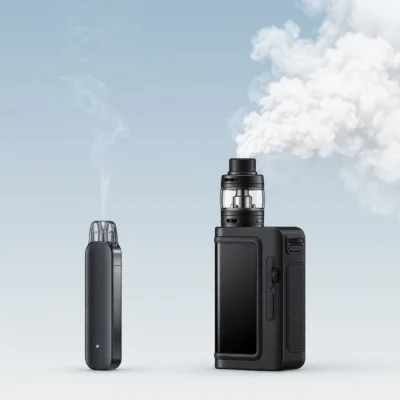
Pod systems offer convenience and portability for liquid concentrates, while dry herb vaporizers deliver authentic flower experiences. Your choice depends on consumption preferences, lifestyle needs, and desired effects. Both options provide smoke-free alternatives with distinct advantages worth considering.
Cleaning Protocols for Longevity and Flavor Purity
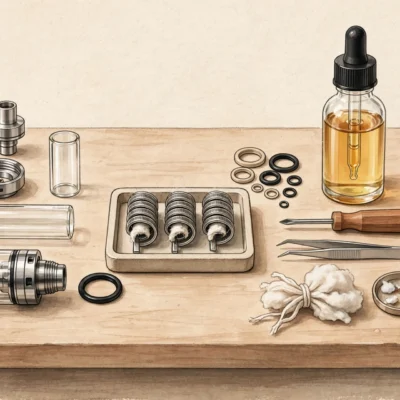
Clean devices deliver superior taste and performance compared to neglected equipment. You should disassemble removable components after every few sessions, using isopropyl alcohol and cotton swabs for thorough cleaning. This simple routine prevents residue buildup that compromises flavor.
Establishing a consistent cleaning schedule transforms your vaping quality dramatically. Residue accumulation creates harsh, burnt flavors while reducing vapor production and battery efficiency. You’ll notice improved airflow and taste within your first cleaned session. Deep cleaning involves soaking glass components in isopropyl alcohol, scrubbing heating chambers with specialized brushes, and wiping down exterior surfaces. Temperature sensors and connection points require gentle attention to avoid damage. Most manufacturers recommend weekly deep cleans for frequent users, though daily quick wipes maintain optimal conditions. Proper storage in protective cases between sessions minimizes dust exposure and accidental damage, keeping your device ready for peak performance whenever you need it.
Optimizing the User Experience
Your satisfaction with vaping flower depends heavily on how well you control key variables during consumption. Temperature settings and dosage management directly impact flavor quality, effect intensity, and overall enjoyment. Mastering these elements transforms your sessions from basic consumption to refined experiences.
Temperature Control for Terpene Preservation
Different terpenes vaporize at specific temperatures, affecting both flavor and therapeutic benefits. Keeping your device within optimal ranges prevents terpene degradation while maximizing cannabinoid activation. Lower temperatures preserve delicate compounds that higher heat destroys.
| Temperature Range | Effects & Terpenes Released |
| 315°F – 350°F | Preserves myrcene and pinene; delivers smooth, flavorful vapor with mild effects |
| 350°F – 380°F | Balanced cannabinoid activation; releases limonene and linalool for full-spectrum benefits |
| 380°F – 410°F | Maximum THC conversion; releases caryophyllene; produces denser vapor and stronger effects |
| Above 410°F | Risk of combustion; terpene loss; harsh vapor that irritates throat |
Managing Dosage and Consumption Frequency
Controlling how much you consume and how often prevents tolerance buildup while maintaining desired effects. Start with smaller amounts and wait 10-15 minutes before additional sessions to gauge impact properly.
Tracking your consumption patterns helps you identify optimal dosing schedules for your needs. Spacing sessions throughout the day maintains consistent effects without overwhelming your endocannabinoid system. Taking periodic breaks, even just 1-2 days monthly, resets your tolerance and keeps your experience effective. You’ll find that less frequent, mindful consumption often delivers better results than constant use.
Health and Safety Standards
Your health depends on choosing products that meet strict quality and safety regulations. Reputable manufacturers follow industry standards and provide transparent testing results for their vaping devices and flower products. You should verify that any product you purchase complies with local regulations and carries proper certification from recognized safety organizations.
Identifying Lab-Tested and Certified Products
Look for third-party lab certificates that verify product purity, potency, and contaminant screening. Legitimate brands display batch numbers and QR codes linking directly to test results. You can protect yourself by avoiding products without clear certification or those sold through unverified channels.
Battery Safety and Proper Storage Requirements
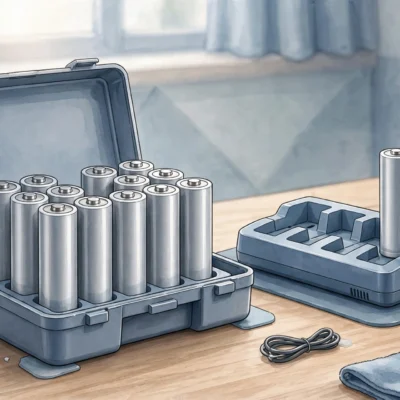
Batteries in vaping devices require careful handling to prevent malfunctions or safety hazards. You must store them in protective cases away from metal objects and extreme temperatures. Always use the manufacturer-recommended charger and replace damaged batteries immediately.
Temperature extremes can cause battery degradation and potential failure, so keep your devices between 32°F and 95°F when possible. You should inspect batteries regularly for dents, tears in wrapping, or unusual heating during use. Charging your device on heat-resistant surfaces prevents fire risks, and you must never leave batteries charging unattended overnight. Proper ventilation during charging allows heat dissipation and extends battery lifespan. Your vaping device should be stored upright in a cool, dry location away from direct sunlight and moisture. Traveling with spare batteries requires individual cases to prevent short circuits from contact with keys or coins in your pocket.
Transitioning Strategies for Success
Your journey from smoking to vaping requires a structured approach that addresses both physical habits and nicotine delivery. Start with a device that mimics the hand-to-mouth motion you’re accustomed to, and choose nicotine strengths that satisfy your cravings without overwhelming your system.
Moving from Traditional Smoking to Vaping
Begin your transition by using your vape device whenever you’d normally reach for a cigarette. Keep your device charged and accessible at all times. Most successful switchers report that matching their previous nicotine intake during the first two weeks makes the change easier.
Balancing Flower and Liquid Usage
Alternating between flower and liquid consumption helps you discover which method works best for different situations. Vape liquids offer convenience and discretion for daytime use, while flower provides a traditional experience you might prefer during evening sessions.
Developing a personalized rotation between these two consumption methods lets you optimize your experience based on location, time constraints, and desired effects. Track your usage patterns for at least two weeks to identify which format satisfies your needs in specific scenarios. Many users find that liquids work better for quick sessions during work breaks, while flower consumption fits naturally into longer relaxation periods at home. Experimenting with different ratios-such as 70% liquid and 30% flower, or vice versa-helps you establish a sustainable routine that prevents dependency on a single method.
Summing up
As a reminder, you should understand the key differences between vaping and flower consumption before making your choice. Both methods offer distinct experiences, with vaping providing discretion and controlled dosing while flower delivers traditional effects and full-spectrum benefits. Your personal preferences, lifestyle needs, and desired outcomes will determine which option suits you best. Consider factors like cost, convenience, and health implications when deciding your consumption method.
FAQ
Q: What is the main difference between vaping and smoking flower?
A: Vaping heats cannabis to a temperature that releases cannabinoids and terpenes as vapor without combustion, typically between 315-440°F. Smoking flower burns the material at much higher temperatures, often exceeding 1400°F, which creates smoke through combustion. The vapor from heating contains fewer harmful byproducts than smoke, as burning plant material produces tar, carbon monoxide, and other toxic compounds. Vaping preserves more of the plant’s beneficial compounds and offers better flavor profiles, while smoking provides a more traditional experience with faster, more intense effects.
Q: How does the onset time and duration differ between vaping and flower?
A: Vaping cannabis produces effects within 2-10 minutes, with peak effects occurring around 15-30 minutes after inhalation. The total duration typically lasts 2-3 hours. Smoking flower has a slightly faster onset, with effects felt within 1-5 minutes and peaking at 10-20 minutes. The duration of smoked flower ranges from 2-4 hours. Both methods deliver cannabinoids directly to the bloodstream through the lungs, making them faster-acting than edibles. The intensity curve for vaping tends to be smoother and more controlled, while smoking often produces a sharper, more immediate peak.
Q: Which method is more cost-effective in the long run?
A: Vaping flower is generally more cost-effective over time despite higher initial equipment costs. Dry herb vaporizers range from $60-$300, while smoking requires minimal investment in pipes or rolling papers. Vaporizers extract cannabinoids more efficiently, using 30-40% less material to achieve similar effects compared to smoking. A gram of flower that might provide 2-3 smoking sessions can yield 4-5 vaping sessions. The already-vaped bud (AVB) can be reused for edibles, extending value further. Users who consume cannabis regularly will typically recoup their vaporizer investment within 2-4 months through reduced flower consumption.
Q: Are there health considerations when choosing between vaping and smoking flower?
A: Vaping flower is considered less harmful to respiratory health than smoking because it avoids combustion-related toxins. Studies show that vaporizer users report fewer respiratory symptoms like coughing, phlegm production, and chest tightness compared to smokers. Smoking exposes lungs to carcinogens and irritants created when plant material burns. People with asthma, bronchitis, or other respiratory conditions may find vaping easier on their lungs. Neither method is completely risk-free, as inhaling any heated substance affects lung tissue. Those concerned about lung health should start with lower temperatures when vaping and avoid holding vapor or smoke in their lungs for extended periods.
Q: How does flavor and terpene preservation compare between the two methods?
A: Vaping preserves terpenes and flavors significantly better than smoking flower. Different cannabinoids and terpenes vaporize at specific temperatures, allowing users to customize their experience by adjusting heat settings. Lower temperatures (315-350°F) emphasize flavor and lighter effects, while higher temperatures (380-430°F) produce thicker vapor and stronger effects. Smoking destroys many delicate terpenes through combustion, creating an ashy, burnt taste that masks the strain’s natural flavor profile. Connoisseurs who want to taste the full spectrum of a strain’s characteristics prefer vaping. The first few draws from a vaporizer offer the purest, most flavorful experience before the material becomes depleted.
Related Articles
- Looper Vape Review: Features, Flavors & Performance 2026
- Can You Bring a Vape on a Plane in 2026? Complete TSA & FAA Rules Guide for Worry-Free Travel
- Can You Bring a Vape on a Plane? Rules & TSA Guide
- What Is the Role of the Donor Area in Hair Transplantation? (2026 Guide)
Explore more Vape articles on the DigitalGeekSpot homepage.