If you have ever posted a photo or Reel that you were proud of, only to watch it get a handful of likes, the problem might not be the content itself. The best time to post on Instagram plays a real role in how many people see and interact with your content, because Instagram shows new posts to your followers first, and early engagement helps the algorithm decide whether to show it to more people. Posting when your audience is actually scrolling gives every upload a stronger start.
That said, there is no single magic hour that works for everyone. The ideal posting time depends on your audience, their time zones, their daily routines, and the kind of content you share. In this guide, we will walk through the general posting windows that tend to work well, how timing differs between Reels, Stories, carousels, and photos, and, most importantly, how to find your best posting times using Instagram Insights. For more social media guides and explainers, visit the DigitalGeekSpot homepage.
Why Posting Time Matters on Instagram
Instagram’s feed and discovery surfaces are driven by engagement signals. When you publish a post, Instagram initially shows it to a slice of your followers. If those people like, comment, save, or share it quickly, the algorithm reads that as a sign of quality and pushes the post to more people, including non-followers through Explore and Reels feeds.
Timing feeds directly into this process. A great post published at 3 a.m., when most of your followers are asleep, may collect only a trickle of early engagement. By the time your audience wakes up and opens the app, your post is already buried under newer uploads, and the algorithm has moved on. The same post published during a lunch break scroll or an evening wind-down session has a much better chance of collecting the quick reactions that fuel wider distribution.
This does not mean timing can rescue weak content. A boring photo posted at the perfect hour will still underperform. Think of posting time as a multiplier: it amplifies the results of good content but cannot create results on its own. The accounts that grow fastest combine consistent quality with smart timing, and then refine their schedule based on real data from their own audience.
The Best Time to Post on Instagram: General Guidelines
Before we look at your own data, it helps to start with widely recommended posting windows. These are general patterns observed across many accounts and industries, and they work as a sensible starting point if you have a small account or have never checked your Insights before.
Across the week, weekday mornings and early evenings tend to be the strongest windows for most audiences. Many creators and social media guides point to the following broad patterns:
- Monday through Friday, late morning: Late morning, roughly 9 a.m. to 12 p.m. in your audience’s time zone, is often a strong window. People check their phones during mid-morning breaks, and posts published then have the whole day to gather engagement.
- Weekday evenings: The 6 p.m. to 9 p.m. window is another popular slot, when people unwind after work or school and scroll through their feeds. This window can work especially well for Reels and entertaining content.
- Early mornings on weekdays: The 6 a.m. to 8 a.m. slot catches the early risers and the commute crowd. It can be effective for motivational or news-style content.
- Weekends: Weekend behavior is less predictable. Saturday and Sunday mornings, roughly 9 a.m. to 12 p.m., often perform decently, while late Saturday nights can be quieter for many audiences. Lifestyle, food, and travel content often does well on weekends.
Keep in mind that these are starting points, not rules. A business audience might engage most during weekday lunch hours, while an audience of students might peak late at night. An account whose followers are mostly in one city will have a very different pattern from an account with a global audience spread across time zones. That is why the next sections of this guide matter more than any general chart: your own data always wins.
Best Posting Times by Content Type
Not all Instagram content behaves the same way, so the ideal posting time can shift depending on the format you are publishing.
Reels
Reels are Instagram’s discovery engine, and they can reach far beyond your follower list. Because the Reels feed is designed for longer browsing sessions, early evening hours often work well, when people have time to watch multiple videos in a row. Posting Reels a bit before a peak window, for example around 5 p.m. or 6 p.m., gives the algorithm time to test your video with a small audience before the biggest wave of viewers arrives. If you want help making scroll-stopping short videos, check out our guide to the best AI video generator tools.
Stories
Stories behave differently because they sit at the top of the app and are mostly seen by your existing followers. Morning and lunchtime Stories tend to get strong view counts, since followers tap through them during daily check-ins. Stories also disappear after 24 hours, so many creators post them throughout the day rather than worrying about one perfect time. If you are curious about how people view Stories, our explainer on Insnoop and watching Instagram Stories discreetly covers the privacy side of the feature.
Carousels and Photo Posts
Carousels, which let viewers swipe through multiple images, tend to earn longer viewing time and more saves than single photos. They perform well in the same late-morning and early-evening windows as regular feed posts. Because carousels reward a second look, posting them when your audience has a few unhurried minutes, like the lunch break or the evening scroll, can help.
Lives
Instagram Lives need your audience to be available in real time, so timing is even more critical. Evening hours on weekdays, and weekend afternoons, are popular choices for going live. Always announce your live session in advance with Stories and a feed post so followers can plan to join.
How to Find Your Own Best Posting Time with Instagram Insights
General guidelines are a fine starting point, but Instagram gives every creator and business account a free tool that is far more accurate: Instagram Insights. This built-in analytics dashboard shows exactly when your followers are most active, which takes the guesswork out of scheduling.
Note that you need a Creator or Business account to access Insights. If you are still on a personal account, you can switch in the settings for free. If privacy matters to you while exploring other profiles, you may also want to read our guide on Iganomy and exploring Instagram anonymously with privacy protection.
Here is how to find your audience’s peak hours step by step:
- Open your profile and tap the menu icon in the top right corner.
- Tap “Insights” to open the analytics dashboard.
- Select “Total followers” under the audience section to see follower demographics.
- Scroll to “Most active times” to see a chart of the days and hours when your followers are online. The tallest bars show your peak windows.
- Check “Top locations” as well. If your followers are spread across time zones, you may need to pick a compromise window or rotate posting times to reach different segments.
Once you know your peak hours, try posting 30 to 60 minutes before the peak. This gives Instagram time to register early engagement so your post is already gaining traction when the largest wave of your audience opens the app.
For a deeper read, look at individual post performance. In Insights, open a recent post and check when it received most of its reach and engagement. If your 7 p.m. posts consistently outperform your 10 a.m. posts, that is your audience telling you what it prefers, even if general guides say otherwise. Revisit these numbers every month or two, because audience behavior shifts with seasons, school schedules, and holidays.
Common Timing Mistakes to Avoid
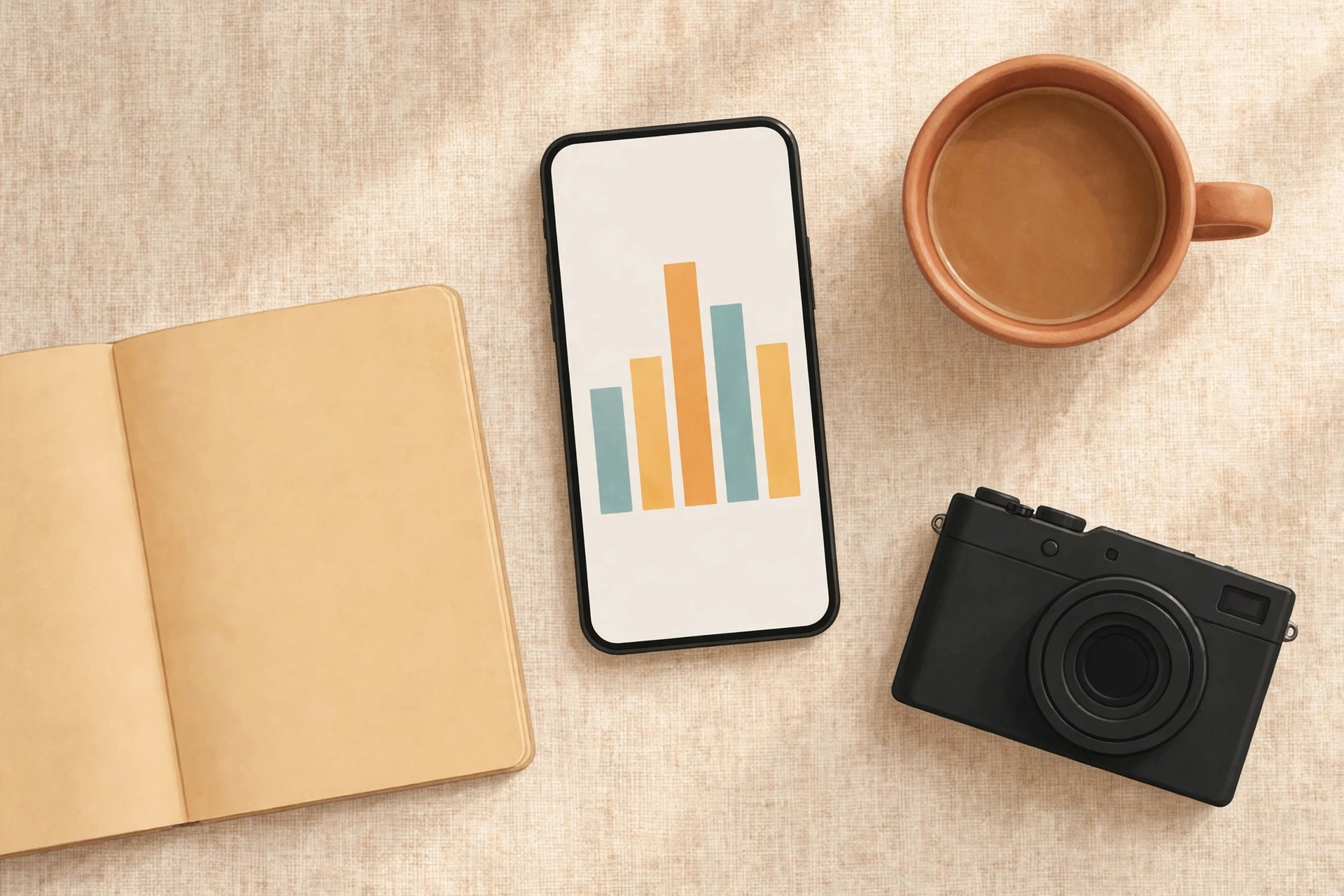
Even with good intentions, creators often make timing mistakes that quietly limit their reach. Here are the most common ones to watch for:
- Posting whenever you finish creating: Finishing a Reel at 2 a.m. and posting it immediately feels productive, but it wastes the content. Save it as a draft and publish during a peak window instead.
- Ignoring time zones: If half your audience is in another country, your local evening might be their middle of the night. Check the top locations in Insights and schedule for your largest audience segment.
- Posting several times in a row: Publishing three posts within an hour forces them to compete with each other for your followers’ attention. Space uploads out by at least a few hours.
- Being inconsistent: Posting five times one week and zero times the next confuses both your audience and the algorithm. A steady rhythm, even if it is just three posts a week at consistent times, beats random bursts.
- Copying someone else’s schedule: A schedule that works for a fitness influencer with a US audience may fail for a food blogger with a European audience. Use others’ schedules as inspiration, then test against your own data.
Tools and Habits That Keep You Consistent
Knowing your best posting time only helps if you actually post at that time. Most creators cannot be online at every peak window, which is where scheduling tools come in. Instagram’s own scheduling feature, available through the app for business and creator accounts and through Meta Business Suite on desktop, lets you queue posts, Reels, and Stories in advance at no cost.
Third-party scheduling tools can add features like best-time suggestions, hashtag management, and cross-platform publishing, but the built-in scheduler is enough for most beginners. Pick one workflow and stick with it. Many successful creators batch their content: they shoot and edit several posts on one day, schedule them across the week at their peak times, and then spend their daily social media time engaging with comments and other accounts instead of scrambling to publish.
Finally, keep a simple log of your posting times and results for the first month. Note the day, time, format, and the reach each post earned after 48 hours. Patterns will emerge quickly, and you will end up with a personalized posting schedule backed by your own numbers rather than someone else’s chart.
Frequently Asked Questions
What is the single best time to post on Instagram?
There is no universal best time. General guidance points to weekday late mornings and early evenings in your audience’s time zone as strong starting windows, but your own Instagram Insights data is the most reliable answer. Check when your followers are most active and post 30 to 60 minutes before that peak.
Should I post on Instagram every day?
Daily posting is not required. Consistency matters more than frequency: three to five quality posts per week on a regular schedule usually outperforms daily posting that burns you out or lowers your content quality. Reels and Stories can fill the gaps between feed posts.
Does posting time matter for Reels?
Yes, though slightly less than for feed posts, because Reels are shown to non-followers over a longer period. Still, posting Reels just before your audience’s peak hours helps them gather the early engagement that pushes them into wider distribution.
How do I see when my followers are most active?
Switch to a Creator or Business account, open your profile menu, tap Insights, then look at Total followers and scroll to the Most active times chart. This shows the days and hours your followers are online, based on your actual audience.
Is it bad to post late at night?
It depends on your audience. For most accounts, late-night posts get less early engagement because fewer followers are awake to see them. But if your Insights show that your followers are night owls, for example students or shift workers, late evening can be your best window.