

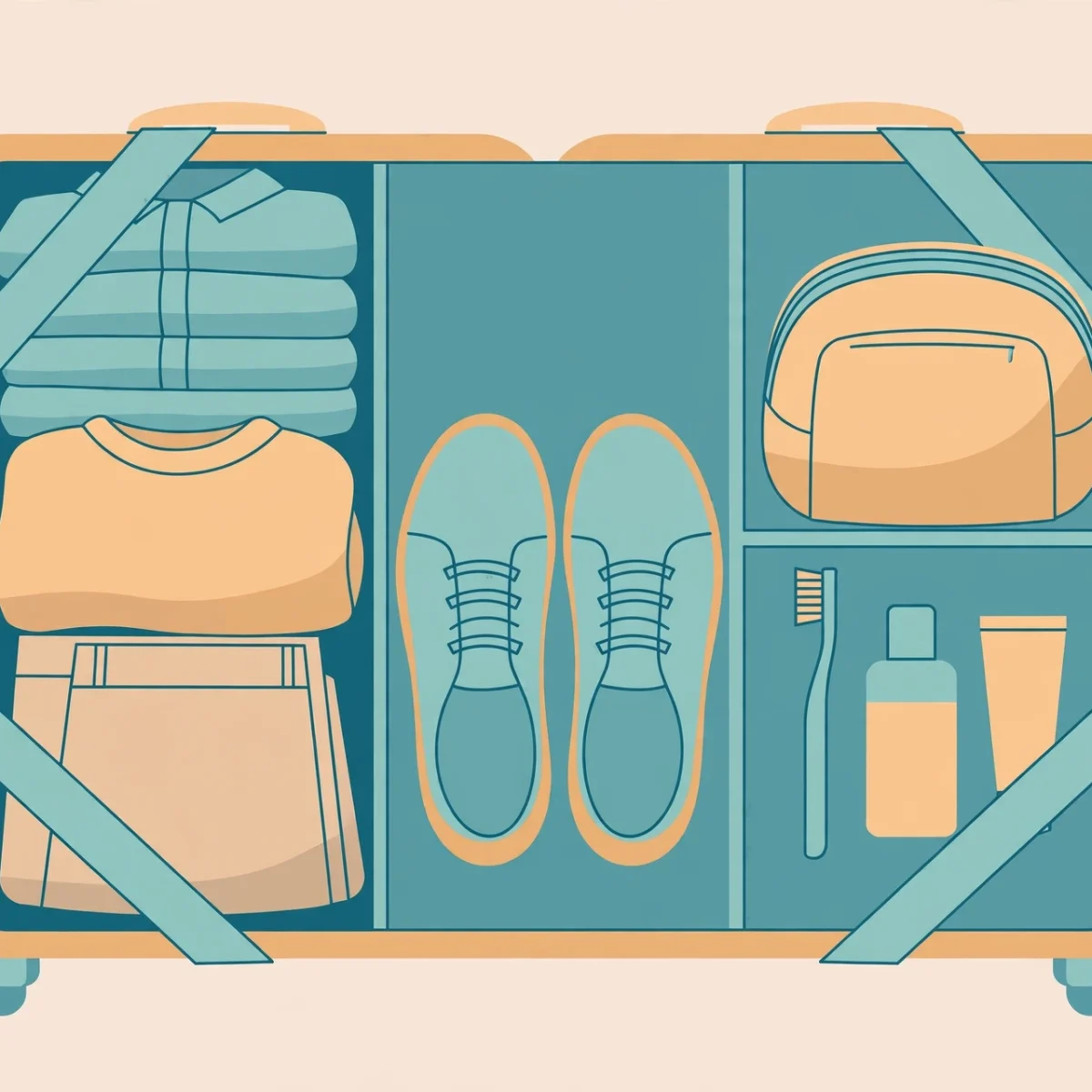
Knowing what to pack in a carry on bag can make the difference between breezing through the airport and repacking in a panic at the gate. A well-packed carry-on keeps your essentials within reach, meets airline size rules, and sails through security without a second screening. Whether you are traveling for a weekend or a full week, this category-by-category checklist covers everything that belongs in your carry-on, and what is better left behind.
Start With the Right Carry-On Bag
Before the checklist, make sure your bag itself qualifies. Most major airlines allow carry-ons around 22 x 14 x 9 inches, but budget carriers can be stricter, so check your specific airline before you fly. A bag with a clamshell opening, sturdy wheels or comfortable straps, and an exterior pocket for documents will serve you far better than a shapeless duffel.
Weight matters too. Some airlines, especially outside the US, enforce carry-on weight limits as low as 15 pounds. If your empty bag already weighs eight pounds, you have left yourself very little room. Lightweight bags are worth the investment if you fly carry-on only regularly. For help deciding between bag types, see our carry-on vs checked baggage comparison.
Documents and Money
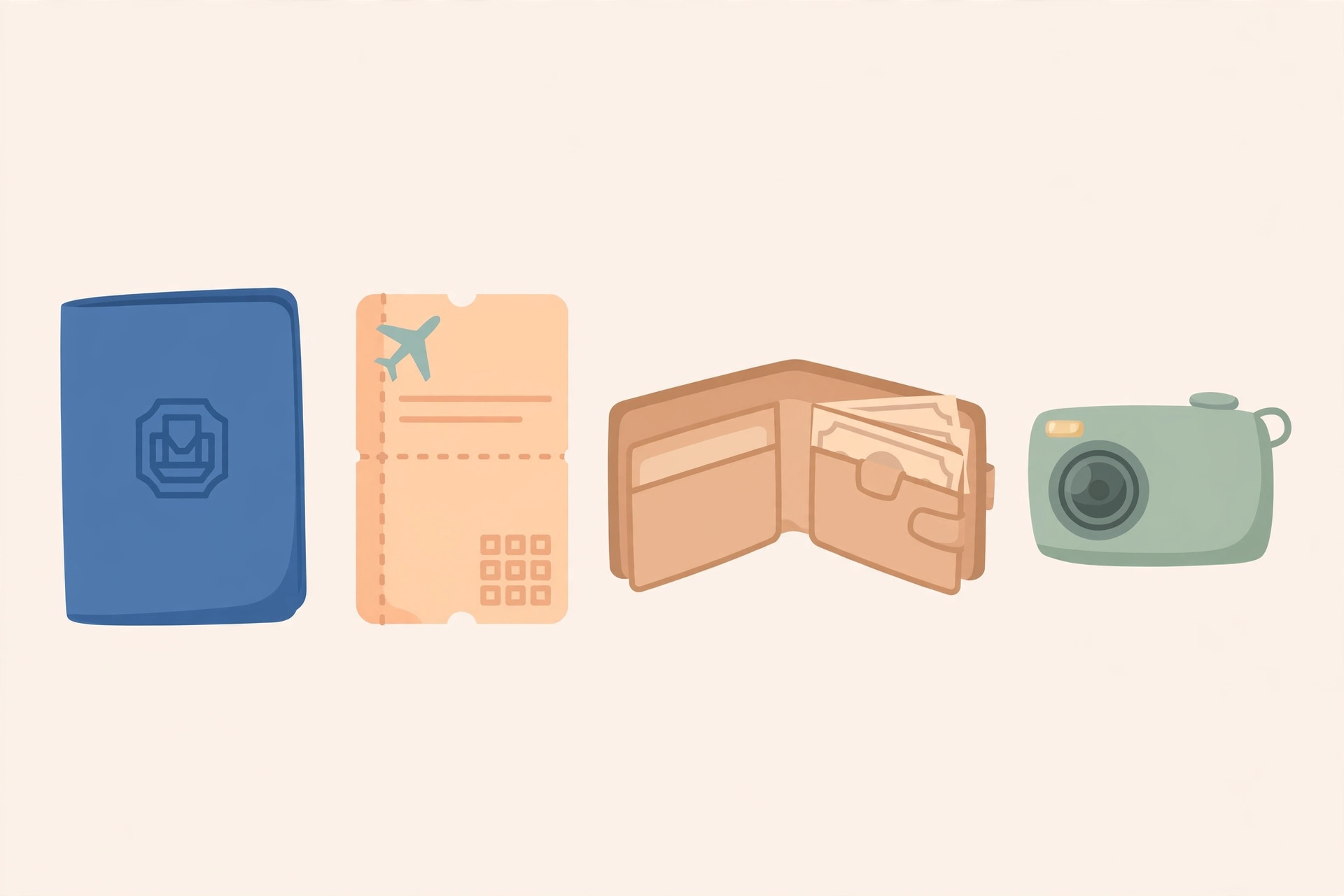
These go in first mentally, because forgetting them ruins trips. Keep them in an easily accessible pocket, never buried:
- Passport or government ID (check expiration dates well before travel)
- Boarding passes, saved on your phone and as a backup screenshot
- Hotel and car rental confirmations
- Travel insurance details, if you have coverage
- Credit cards and a small amount of local currency
- Emergency contacts written down, not just in your phone
Take photos of every important document and store them in cloud storage or email them to yourself. If your wallet goes missing, digital copies make replacement dramatically easier.
Clothing: The Core Checklist
For a typical week-long trip, pack:
- 5 tops that mix and match (T-shirts, blouses, or casual shirts)
- 3 to 4 bottoms in neutral colors (pants, shorts, or skirts)
- 1 light jacket or sweater, plus one warmer layer for cool destinations
- Underwear and socks for each day, or fewer if you plan mid-trip laundry
- 1 set of sleepwear
- 1 versatile dress or collared shirt if your itinerary includes nicer venues
Wear your bulkiest items on the plane: heaviest shoes, jeans, and jacket. This single habit frees up more space than any packing gadget. For the full clothing strategy, our guide to packing light for a week breaks down the 5-4-3-2-1 method in detail.
When choosing layers, think about versatility. If you are torn between similar options, a sweatshirt vs hoodie comparison can help you pick the one that works for more situations.
Toiletries That Meet the Rules
Carry-on toiletries must follow the 3-1-1 liquids rule: each container 3.4 ounces (100 ml) or smaller, all fitting inside one quart-size clear zip bag. Pack:
- Travel-size shampoo, conditioner, and body wash, or solid bars that skip the liquids bag entirely
- Toothbrush and small toothpaste
- Deodorant
- Razor and small shaving cream if needed
- Contact lens case and solution (travel size), plus glasses as backup
- Basic skincare: moisturizer and sunscreen
- Any daily medications in original labeled containers
Hotels provide the basics, so you rarely need a complete routine. If you vape, keep in mind that devices must go in carry-on, never checked luggage: check the vape rules for planes and whether you can bring a vape on a plane before you pack.
Tech and Entertainment
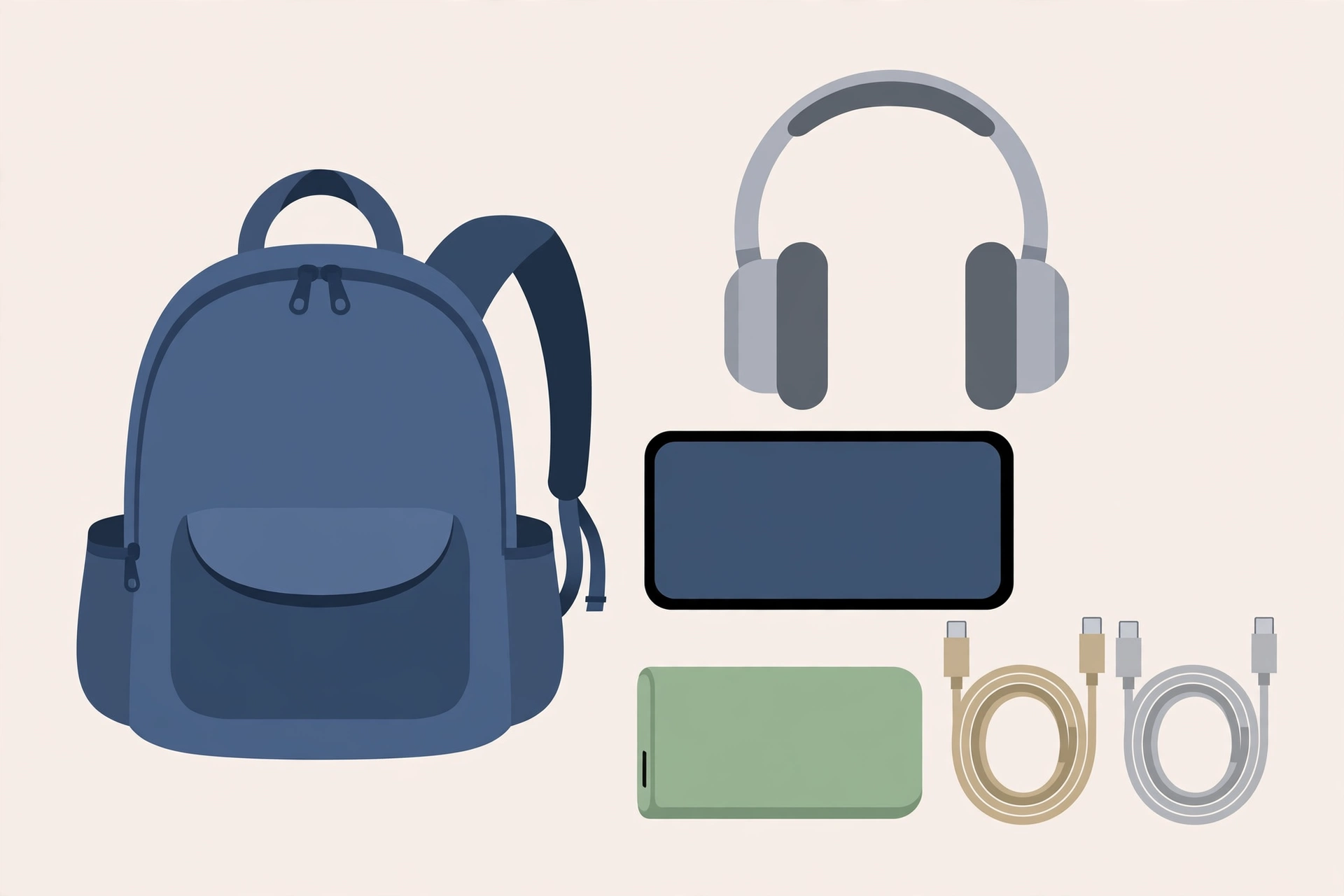
Flights are long, and a dead phone in an unfamiliar city is a real problem. Pack:
- Phone and compact charger
- Portable power bank, fully charged (these must stay in carry-on, never in checked bags)
- Headphones or earbuds, ideally noise-canceling for long flights
- Laptop or tablet if you need it, with its charger
- Universal power adapter for international trips
- E-reader or a book, plus anything that keeps you entertained offline
Download movies, shows, playlists, and offline maps before you leave home. Airport Wi-Fi is unreliable and often insecure. A good playlist for solo listening can make even a long layover pleasant.
In-Flight Comfort Items
Small comfort items take little space and pay off hugely on long flights:
- Neck pillow or a compressible travel pillow
- Eye mask and earplugs
- Reusable water bottle (empty through security, fill at a fountain after)
- Snacks: granola bars, nuts, or dried fruit, since plane food is unpredictable
- Lip balm and hand lotion, because cabin air is extremely dry
- A pen, for customs and immigration forms
Health and Safety Essentials
- Prescription medications, with a day or two extra in case of delays
- Small first-aid kit: pain reliever, bandages, antiseptic wipes
- Hand sanitizer and disinfecting wipes
- Any allergy medication you might need
- Sunglasses and a hat for sunny destinations
Never pack essential medication in a checked bag. If luggage is delayed, you need your prescriptions with you, full stop.
What NOT to Pack in a Carry-On
Security rules prohibit certain items in the cabin, and packing them guarantees a bag search:
- Full-size liquids, gels, and aerosols over 3.4 ounces
- Sharp objects: pocket knives, large scissors, box cutters
- Sporting goods like baseball bats or ski poles
- Flammable items, including lighter fluid
- Anything you cannot afford to have confiscated at the checkpoint
When in doubt, check your airline’s and the TSA’s prohibited items list before you leave. A two-minute check beats a twenty-minute bag search.
For more trip-planning help, explore the travel guides on the DigitalGeekSpot homepage.
Packing Cubes and Small Organizers Worth the Space
Packing cubes are the most popular carry-on accessory among frequent travelers, and for good reason. They compress clothing, keep categories separated, and let you pull out one cube without unpacking the whole bag. A set of three or four slim cubes fits most carry-ons and adds welcome structure to a soft bag.
Beyond cubes, a few small organizers punch above their weight. A dedicated tech pouch keeps chargers, adapters, and earbuds from tangling into a knot at the bottom of your bag. A flat document organizer holds your passport, boarding passes, and cards in one grab-and-go place. And a small laundry bag separates worn clothes from clean ones, which matters more than you would think on a week-long trip.
You do not need a complicated system. Start with cubes for clothes, one pouch for tech, and one bag for laundry. If an organizer does not earn its space after two trips, leave it home. The goal is a bag where everything has a place and you can find anything in seconds, even in a dark airplane cabin or during a rushed hotel checkout.
Frequently Asked Questions
What should I pack in my carry-on for a week?
Five mix-and-match tops, three to four bottoms, layers for the destination climate, a week’s underwear and socks (or fewer with laundry plans), travel-size toiletries following the 3-1-1 rule, tech and chargers, documents, medications, and in-flight comfort items. Wear your bulkiest shoes and jacket on the plane to save space.
Can I bring full-size shampoo in my carry-on?
No. Carry-on liquids are limited to containers of 3.4 ounces (100 ml) or less, all fitting in one quart-size clear bag. Full-size products must go in checked luggage. Solid bar shampoo and conditioner are a popular workaround since they do not count as liquids at all.
Where should I keep my passport in a carry-on?
In an exterior pocket or a dedicated document organizer that you can reach without opening the main compartment. Never bury documents at the bottom of your bag. Keep digital copies in cloud storage as a backup in case the physical copies are lost.
Do medications count toward the liquids limit?
Medically necessary liquids, gels, and aerosols are generally allowed in reasonable quantities beyond the 3.4-ounce limit, but you should declare them at security. Keep all medications in their original labeled containers and pack them where they are easy to access.
What is the one thing people forget most in a carry-on?
Chargers and power banks top the list, followed by headphones and a pen for customs forms. A reusable packing checklist on your phone, refined after each trip, is the best defense against forgotten essentials.
Should I use packing cubes in a carry-on?
They help most travelers. Packing cubes compress clothes, keep categories organized, and make repacking faster. They are especially useful in soft-sided bags that lack internal structure. Few travelers who try them go back.
How do I keep my carry-on organized during the trip?
Repack using the same system every time: cubes for clean clothes, a laundry bag for worn items, and tech and documents back in their pouches each night. Two minutes of tidying before you leave each hotel keeps the bag functional for the whole trip.
How early should I pack my carry-on?
Pack the night before, not the morning of your flight. A calm packing session lets you weigh choices, check the weather at your destination, and run through your checklist without rushing. Morning packing leads to forgotten chargers and overstuffed bags.


2 Comments