

Batteries are the most safety-critical part of any vape device. Most battery incidents in vaping trace back to preventable mistakes: loose cells rattling around in a pocket with keys, damaged wraps going unnoticed, or the wrong charger being used. This guide to vape battery safety tips covers the essential habits for both external (removable) and internal (built-in) batteries: how to charge, store, inspect, and handle them, plus what to do when a battery is damaged and how to travel with batteries safely.
None of this requires technical expertise. It is mostly common sense applied consistently, and it protects both you and your device.
Internal vs External Batteries: Know What You Have
Many compact pod systems and pen-style devices have internal batteries: sealed inside the device and recharged via USB. You never handle the cell directly, which removes several risks, but charging habits still matter.
Larger mods use external batteries: removable cylindrical cells (commonly 18650, 20700, or 21700 sizes) that you take out to charge in a dedicated charger. External cells give you flexibility and longer overall device life, since you can replace the cells instead of the whole device, but they demand more care because you handle the bare cells.
Everything below applies to both types where noted. The external-battery sections are the ones to study most carefully if your device has removable cells.
Charging Safely
Charging is when batteries are under the most stress, so good charging habits are the foundation of battery safety.
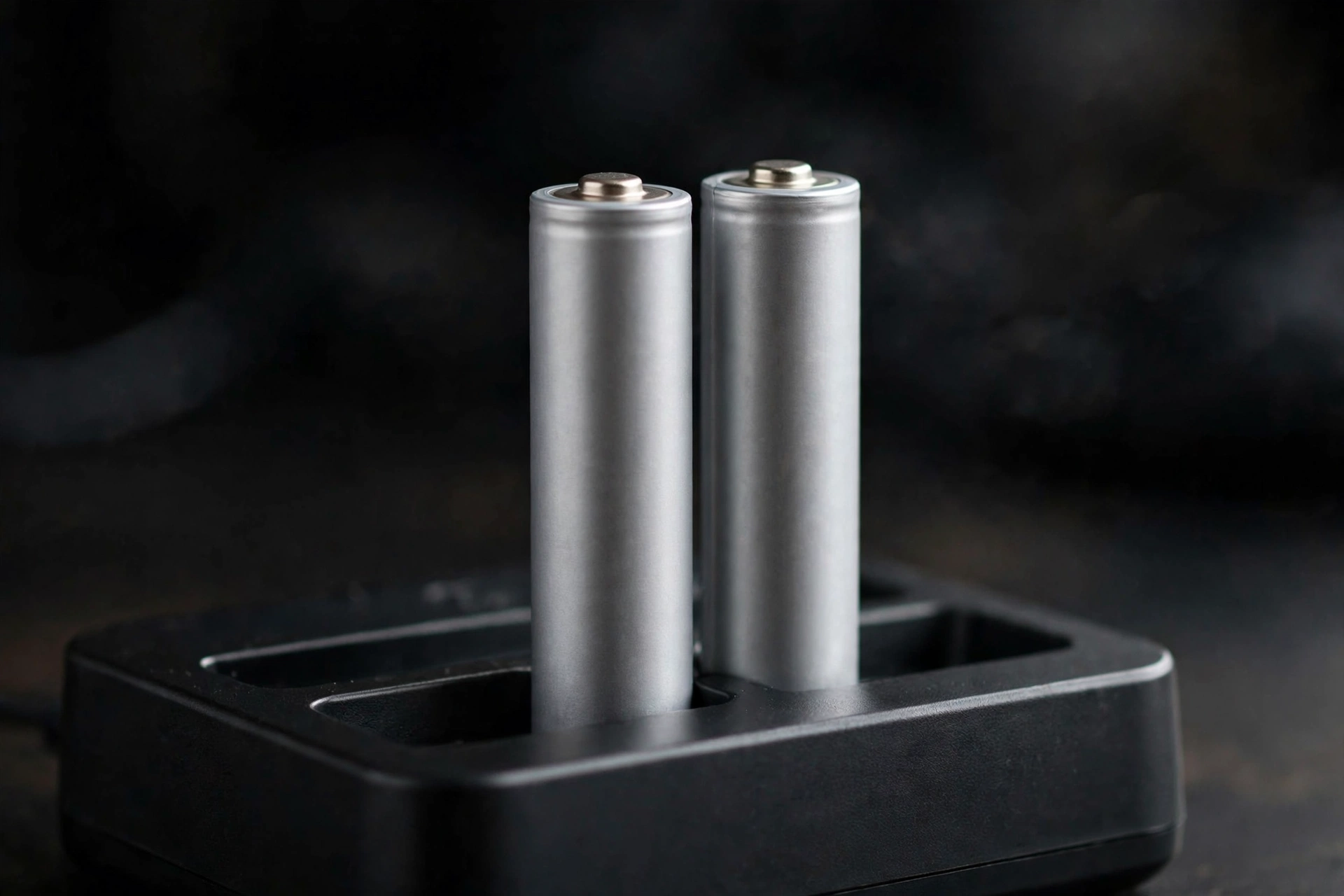
- Use the right charger. For external cells, a quality dedicated battery charger from a reputable brand is the gold standard: it charges each cell correctly and stops when full. For internal-battery devices, use the cable that came with the device or a known-good cable, and prefer charging from a computer USB port or a low-output wall adapter rather than a high-wattage fast charger, unless the manufacturer specifically supports fast charging.
- Do not leave charging batteries unattended. Charge on a non-flammable surface, in the open (not under pillows or inside drawers), and where you can keep an eye on things. Unplug cells once they are fully charged rather than leaving them sitting for hours.
- Avoid overnight charging. Charging while you sleep means a problem would go unnoticed for hours. Charge during the day when you are around.
- Keep batteries at room temperature while charging. Do not charge a battery that is very hot (for example, after heavy use in the sun) or very cold. Let it return to room temperature first.
- Never use a damaged charger or frayed cable. Exposed wiring and cracked charger housings are fire risks on their own. Replace them.
- Charge married pairs together. If your mod uses two external cells, those two cells should always be charged and used together as a pair, from the day they are new. Mixing cells of different ages, brands, or charge levels forces one cell to work harder than the other.
Storing Batteries the Right Way
A loose battery in a pocket or bag is one of the most common causes of incidents. The metal terminals at each end can be bridged by keys, coins, or other metal objects, creating a short circuit. The rule is absolute: never carry loose external batteries.
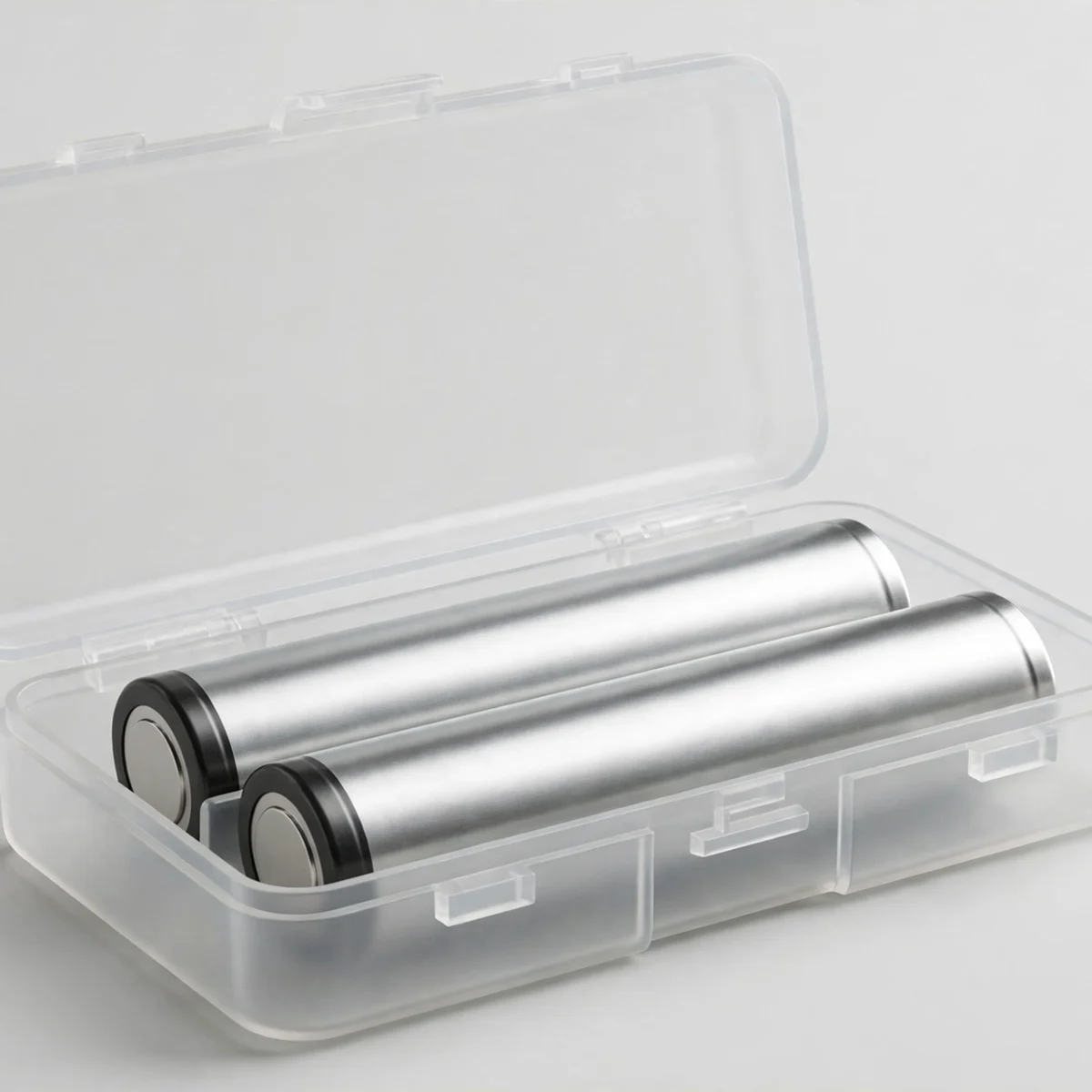
- Always use a battery case. Inexpensive plastic cases hold each cell separately so terminals cannot touch each other or anything metal. Use a case every time a cell leaves the device or charger, even for a short trip.
- Store at partial charge for long periods. If you will not use cells for weeks, store them at roughly half charge in a case, in a cool, dry place. Storing fully charged or fully depleted for months stresses the chemistry.
- Keep away from heat and moisture. Do not store batteries in hot cars, near radiators, or in damp places. Room temperature in a dry drawer is ideal.
- Keep out of reach of children and pets. Store cells and devices where curious hands and mouths cannot get to them, just as you would with e-liquid (see our guide on how to store e-liquid properly).
Battery Wraps: Small Detail, Big Deal
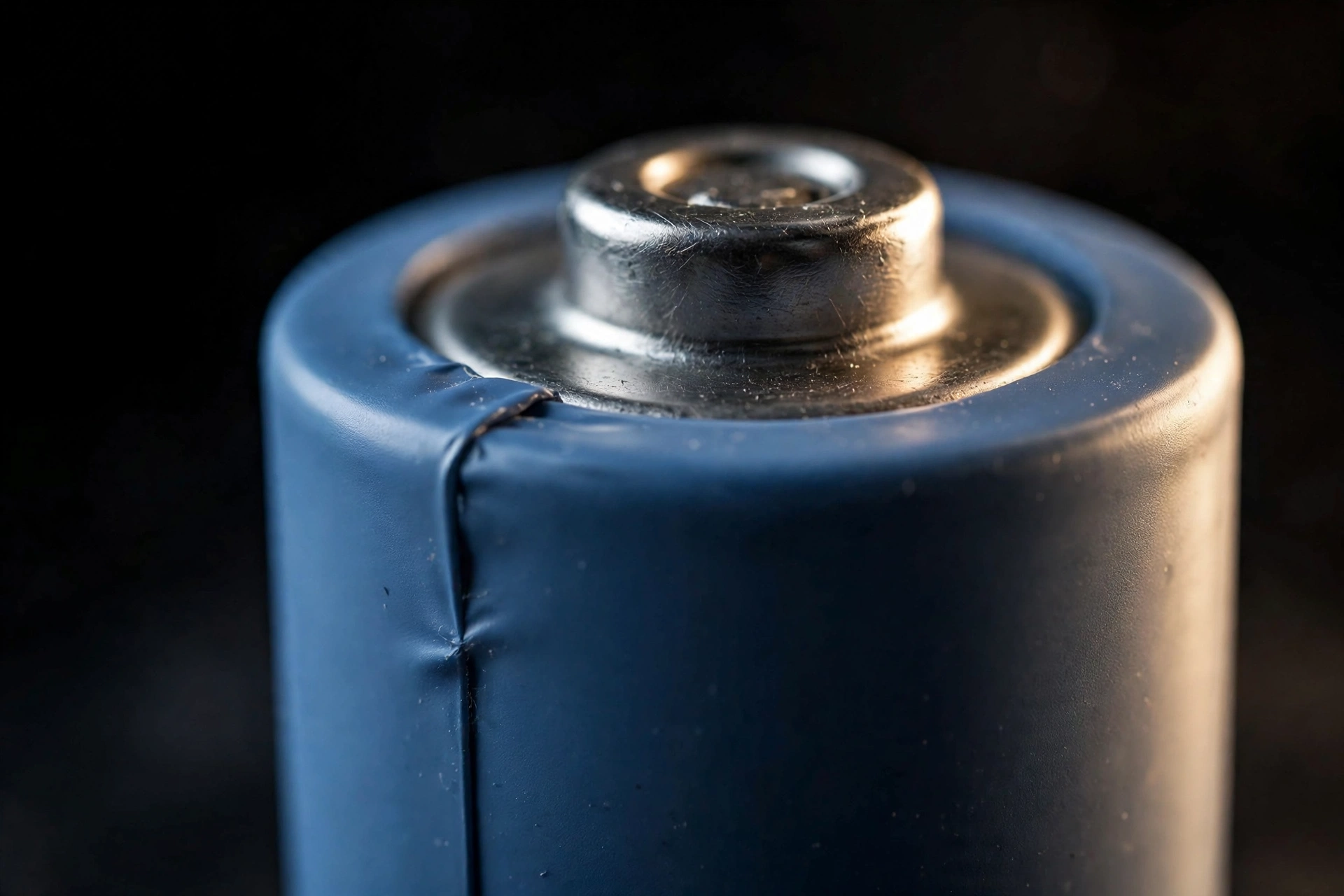
Every external cell has a thin plastic sleeve called a wrap, usually brightly colored, covering the metal can. The wrap is insulation: it prevents the cell’s body from contacting metal it should not touch. A torn, nicked, or peeling wrap is a genuine safety issue, not a cosmetic one.
Inspect wraps regularly. Every time you handle a cell, give it a quick look and a roll between your fingers. Check especially near the top, around the positive terminal, where the insulating ring sits. Any tear, deep nick, or peeling edge means the cell should not be used until it is rewrapped or replaced.
Rewrap or retire. Rewrapping is cheap and easy: replacement wraps cost very little, and the process takes a minute with a hair dryer. If you are not comfortable rewrapping, retire the cell and replace it. Continuing to use a damaged wrap risks a hard short against the metal body of the cell.
Never use a cell with a missing or badly damaged top insulator ring, and never try to repair a wrap with electrical tape as a permanent solution. Tape shifts and peels; a proper wrap does not.
Handling and Daily Use
Day-to-day handling habits that keep batteries healthy:
- Insert cells the right way. Match the positive and negative ends to the markings in the battery compartment. Forcing a cell in backwards can damage both the cell and the device.
- Do not force stuck batteries. If a cell will not come out of a mod easily, do not pry it with metal tools. Remove it gently, and check whether a damaged wrap is catching.
- Keep contacts clean. Wipe battery terminals and the device’s contacts occasionally with a dry cloth. Grime increases resistance and heat.
- Stop using a battery that gets excessively hot. Warm during heavy use is normal; too hot to hold comfortably is not. Let it cool, and if it happens repeatedly, retire the cell.
- Do not modify batteries or devices. Stacking cells in ways the device was not designed for, or modifying a mod’s electronics, bypasses the safety features the manufacturer built in.
- Respect the device’s limits. Use coils and wattage settings within the manufacturer’s recommendations. Pushing a single small cell far beyond its comfortable output stresses it unnecessarily. Our comparison of MTL vs DTL vaping explains how power demands differ across device types.
Traveling with Vape Batteries
Airlines treat spare batteries as a fire risk in the cargo hold, so the rules are strict and consistent worldwide: spare external batteries must go in your carry-on luggage, never in checked bags. Each spare cell should be in its own protective case or have its terminals taped, so it cannot short against anything in your bag.
Devices with internal batteries also go in carry-on, switched off (or with locking features engaged) so they cannot fire accidentally in transit. Do not attempt to charge devices from in-seat power during turbulence, and keep everything easily accessible in case cabin crew ask about it.
Rules can vary slightly between airlines and countries, so check your airline’s dangerous-goods policy before you fly. For the full picture on flying with vaping gear, read our guides on whether you can bring a vape on a plane and the vape on a plane rules and TSA guide.
When to Retire a Battery
Batteries wear out. A cell that once lasted all day but now dies by afternoon has simply aged, and an aged cell is also more likely to behave unpredictably. Retire any battery that shows these signs:
- Visible dents, swelling, or leaking.
- A wrap too damaged to rewrap cleanly, or a missing insulator ring.
- Getting unusually hot during normal charging or use.
- Significantly reduced capacity compared to when it was new.
- Any strange smell coming from the cell.
Dispose of batteries properly. Never throw lithium cells in household trash or recycling bins, where they can start fires in collection trucks and facilities. Tape the terminals, place the cell in a battery case or bag, and take it to a battery recycling drop-off point: electronics retailers, municipal hazardous-waste collection, and dedicated battery recyclers all accept them. If a battery is actively swelling, hissing, or smoking, move it away from flammable materials, get it outside on a non-flammable surface if you can do so safely, and do not attempt to charge or use it again.
Frequently Asked Questions
Can I charge my vape with my phone’s fast charger?
Only if the device manufacturer supports it. Many internal-battery devices are designed for standard USB charging, and a high-wattage fast charger can stress the battery. When in doubt, use a standard USB port or a low-output adapter and the cable supplied with the device.
Is it safe to leave batteries charging overnight?
It is not recommended. A quality charger should stop when cells are full, but charging unattended for hours removes your ability to notice a problem. Charge during the day and unplug when done.
What should I do if my battery wrap is torn?
Stop using the cell immediately. Either rewrap it with a proper replacement wrap or retire the cell. Do not use it with a torn wrap, even once, since the exposed metal can short against the device or other objects.
Can I carry spare vape batteries in checked luggage?
No. Aviation rules require spare lithium batteries in carry-on baggage only, protected in cases with terminals covered. Devices with installed batteries also travel in carry-on, switched off.
How long do vape batteries last?
It varies with use, but rechargeable cells gradually lose capacity over many charge cycles, typically over one to two years of regular use. When runtime drops noticeably or the cell shows any damage, replace it. Internal-battery devices last until the sealed cell degrades, at which point the whole device is replaced.
What does it mean to “marry” batteries?
It means buying two identical cells together and always using and charging them as a pair in the same dual-battery device. This keeps them aging evenly so neither cell is overworked. Never mix brands, ages, or charge levels in a multi-cell device.
For more device safety and maintenance guides, visit the DigitalGeekSpot homepage.


1 Comment