

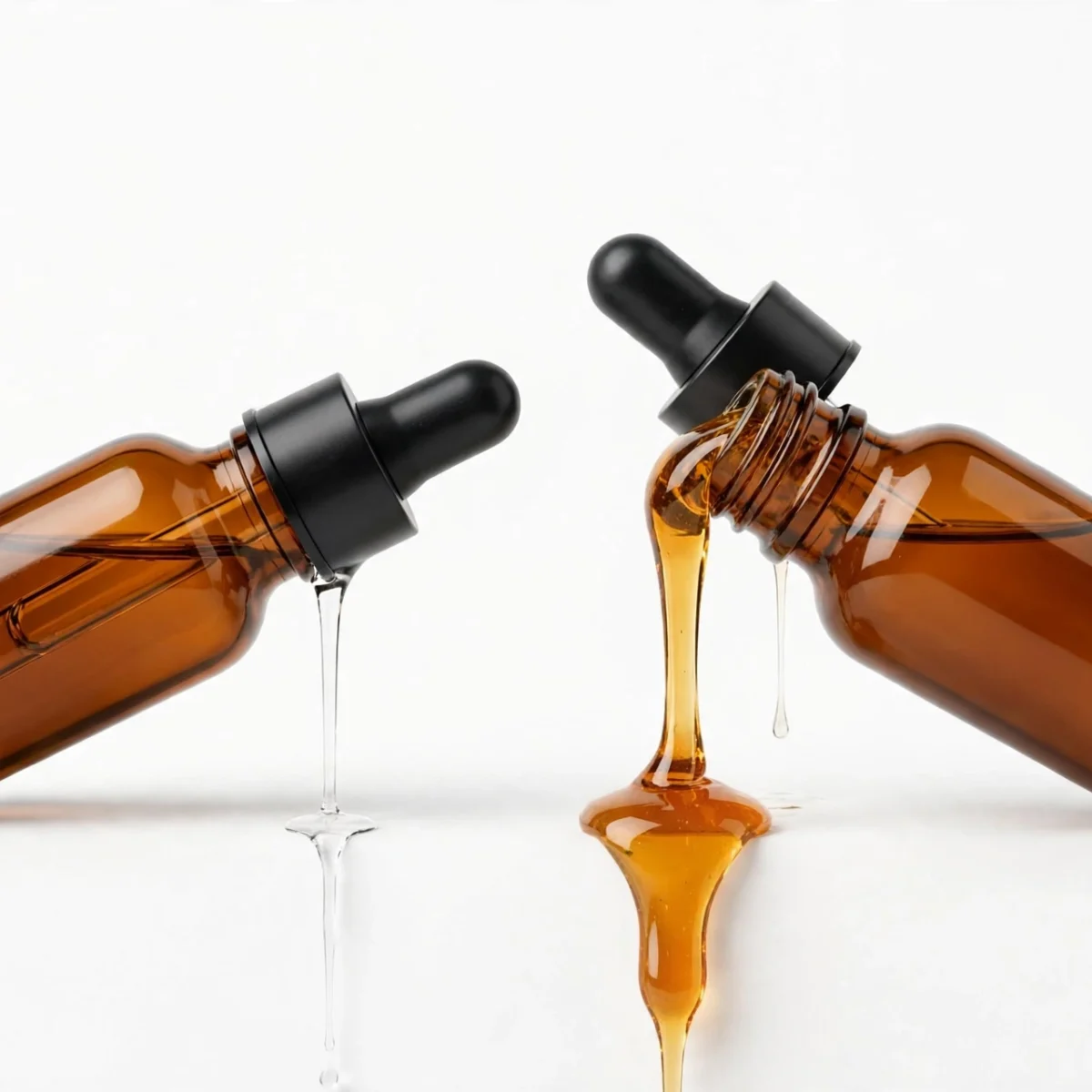
Every bottle of e-liquid lists a PG/VG ratio on its label, usually something like 50/50 or 70/30. If you have ever wondered what those letters mean, this guide to PG vs VG in e-liquid explains everything. PG stands for propylene glycol and VG stands for vegetable glycerin. Together they form the base of nearly all e-liquids, carrying the flavoring and nicotine and determining how the liquid behaves in your device. The ratio between them affects throat hit, vapor production, flavor clarity, and even whether your coil wicks properly.
Understanding the difference helps you pick liquids that work with your hardware instead of against it, and it explains a lot of common issues, from weak flavor to leaking tanks. Here is what each ingredient does and how to choose the right balance.
What Is Propylene Glycol (PG)?
Propylene glycol is a thin, colorless, nearly odorless liquid used as a base ingredient in e-liquids. Beyond vaping, it is a widely used substance in food products, cosmetics, and pharmaceuticals, where it acts as a carrier and moisture-retaining agent. In e-liquid, PG plays several roles.
First, PG is an excellent flavor carrier. Flavorings dissolve readily in it, which is why higher-PG liquids are often described as having crisper, more defined flavor. Second, PG is thin. Its low viscosity means it flows easily and soaks quickly into the small wicking ports of tight coils, making it ideal for low-power MTL hardware. Third, PG contributes most of the throat hit in e-liquid: the slight catch at the back of the throat that many adult former smokers look for. Finally, PG produces relatively little visible vapor on its own.
One thing to know: a small number of users report throat or mouth irritation they associate with high-PG liquids. If you notice persistent irritation that you suspect is linked to a particular liquid, try a higher-VG alternative, and if irritation continues, stop using the product and consult a healthcare professional. This is a product-comfort issue, not a diagnosis, but it is worth knowing that the option to adjust your ratio exists.
What Is Vegetable Glycerin (VG)?
Vegetable glycerin is a thick, slightly sweet, colorless liquid derived from plant oils. Like PG, it has broad uses outside vaping, including in food, skincare, and medicines, where it serves as a sweetener, thickener, and moisture-retaining ingredient. In e-liquid, VG is the cloud maker.
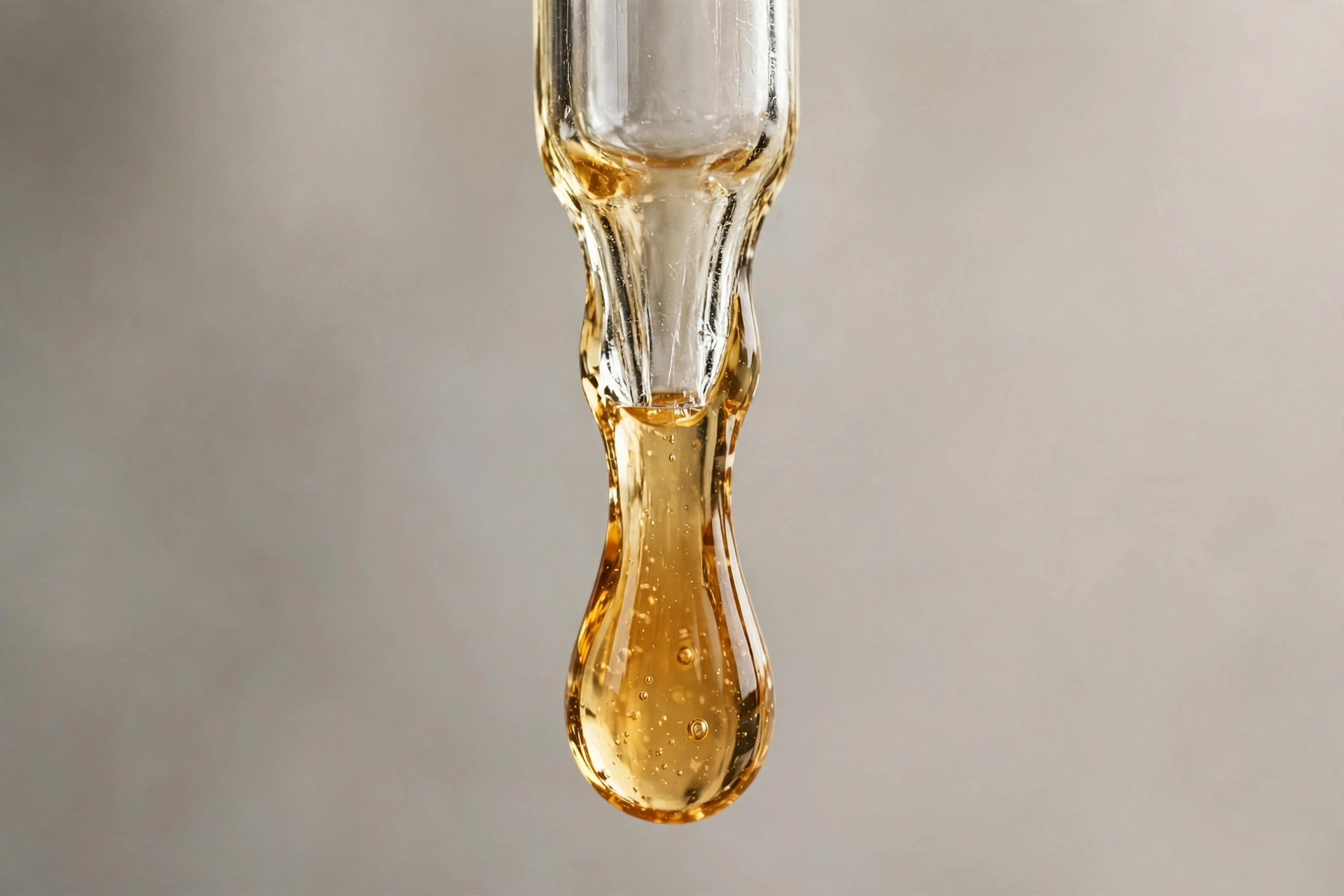
VG’s defining trait is its thickness. High-VG liquid is syrupy and flows slowly, which is why it suits the large wicking ports of high-power DTL coils but can starve small MTL coils. When vaporized, VG produces dense, voluminous vapor clouds, far more visible vapor than PG. Its slight natural sweetness can soften and round out flavors, though some vapers feel it mutes sharp flavor notes compared to PG. VG contributes very little throat hit, so high-VG liquids generally feel smoother on the inhale.
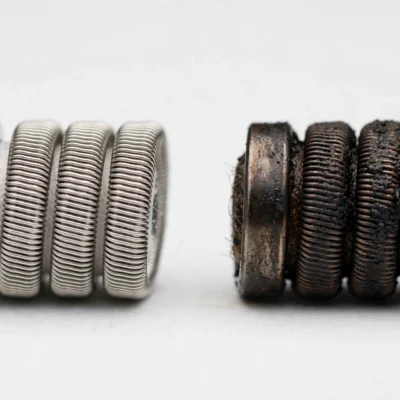
Because of its thickness, VG-heavy liquid also tends to leave more residue on coils over time, which can shorten coil life slightly compared to thinner liquids. That is a maintenance trade-off, not a defect: it is simply part of how the ingredient behaves.
PG vs VG: How Each One Affects Your Vape
Here is the head-to-head comparison across the qualities vapers actually notice.
Throat hit. PG delivers a sharper, more noticeable throat hit. VG feels smooth and soft. If you want that crisp catch in the throat, lean toward higher PG. If you want the smoothest possible inhale, lean toward higher VG.
Vapor production. VG is the primary source of visible vapor. High-VG liquids produce thick, lingering clouds, while high-PG liquids produce a modest wisp that clears quickly. Cloud size is almost entirely a function of VG content plus device power.
Flavor. PG carries flavor more crisply, so individual notes taste sharper and more defined. VG’s sweetness and density can make flavors taste fuller but slightly muted or rounded. Neither is objectively better; it depends whether you prefer sharp definition or smooth fullness.
Wicking and viscosity. PG is thin and wicks fast through small ports. VG is thick and needs large ports and higher power to vaporize efficiently. Mismatching thickness to coil size is one of the most common causes of dry hits and burnt taste, as we detail in our guide on how to fix a burnt taste in your vape.
Residue and coil life. Thicker, sweeter liquids (higher VG, especially with sweet flavorings) leave more buildup on coils. Thinner liquids tend to keep coils cleaner for longer. If you are replacing coils frequently, your ratio may be part of the reason.
Common PG/VG Ratios Explained
E-liquids are sold in a handful of standard ratios. Here is what each is typically designed for.
50/50 PG/VG. The balanced middle ground. Thin enough to wick well in small MTL coils and pod systems, with moderate throat hit and modest vapor. This is the default ratio for most pod and starter-kit liquids, and the safest choice if you are unsure.
60/40 or 70/30 VG/PG (higher VG). Thicker liquids aimed at DTL and sub-ohm hardware. They produce bigger clouds and a smoother inhale, and they need the large wicking ports of low-resistance coils to feed properly. Using these in a small MTL pod is asking for dry hits.
Higher PG blends (e.g., 60/40 or 70/30 PG/VG). Less common today, but still available. These maximize throat hit and flavor sharpness with minimal vapor, and they wick effortlessly in any device. Some vapers who prioritize discretion or a strong throat sensation seek these out.
Max VG. Liquids with little or no PG beyond what is in the flavorings themselves. The thickest option, strictly for high-power DTL setups. Flavor can taste slightly muted to some palates, but cloud production is at its peak.
Note that ratios are sometimes written VG-first (70/30 means 70 percent VG) and sometimes PG-first, so check the label or product page to confirm which convention a brand uses.
Choosing the Right Ratio for Your Device
The golden rule is simple: match the liquid’s thickness to your coil’s wicking capacity. Small coils with tiny ports need thin liquid; large coils with big ports handle thick liquid. When in doubt, 50/50 works in almost everything except the most extreme high-power setups.
Consider your draw style too. MTL vapers using tight-draw pods and pens almost always do best with 50/50 or higher-PG liquids. DTL vapers with airy sub-ohm tanks do best with 70/30 VG/PG or similar. If you are still deciding between styles, our comparison of MTL vs DTL vaping explains how device design and draw style connect.
Also think about your priorities. Want discretion and a crisp throat hit? Higher PG. Want big clouds and smoothness? Higher VG. Want a bit of both? Stay near the middle. There is no wrong answer, only trade-offs, and experimenting with a couple of ratios is the fastest way to learn your preference.
Storage and Shelf Life Notes
PG and VG are both stable ingredients, but e-liquid as a finished product still degrades with time, heat, light, and air exposure. Nicotine oxidizes and darkens, flavors fade or change, and the liquid can develop an off taste. None of this is ratio-specific, but thicker high-VG liquids can be slightly more prone to separation if left sitting for very long, so give the bottle a good shake before filling your tank.
Keep bottles sealed, upright, and stored in a cool, dark place. For the complete routine, including how long e-liquid lasts and the signs it has gone bad, see our guide on how to store e-liquid properly.
Frequently Asked Questions
What does 70/30 mean on an e-liquid bottle?
It is the ratio of VG to PG: 70 percent vegetable glycerin and 30 percent propylene glycol. This is a thicker, cloud-oriented blend suited to DTL and sub-ohm devices. Always confirm the order on the label, since a few brands list PG first.
Is higher PG or higher VG better for beginners?
Most beginner devices are MTL pods or pens, which work best with 50/50 or higher-PG liquids. The thinner liquid wicks reliably in small coils and gives a satisfying throat hit at low power. Start with 50/50 unless your device documentation recommends otherwise.
Can I use high-VG liquid in a pod system?
Generally no, or at least not well. Most pod systems have small wicking ports designed for thinner liquid. Thick high-VG liquid wicks too slowly and causes dry, burnt hits. Stick to 50/50 or the ratio your pod manufacturer recommends.
Does PG or VG affect flavor more?
PG carries flavor more sharply, so higher-PG liquids often taste crisper and more defined. VG adds slight sweetness and density, which can round flavors out. The flavorings themselves matter most, but the base ratio noticeably shapes how those flavors present.
Why is my high-VG liquid leaking from my tank?
Thick liquid should not leak from a tank designed for it, so leaking usually signals a different problem: worn seals, a coil not seated correctly, or drastic temperature changes thinning the liquid temporarily. Check the tank’s seals and coil seating first.
Do PG and VG expire?
As pure ingredients they are very shelf-stable, but finished e-liquid has a practical shelf life because nicotine and flavorings degrade. Unopened bottles typically stay good for one to two years when stored cool and dark; opened bottles are best used within months. Darkening liquid and faded flavor are the usual signs of age.
More ingredient and device explainers are available among the guides on the DigitalGeekSpot homepage.
1 Comment