

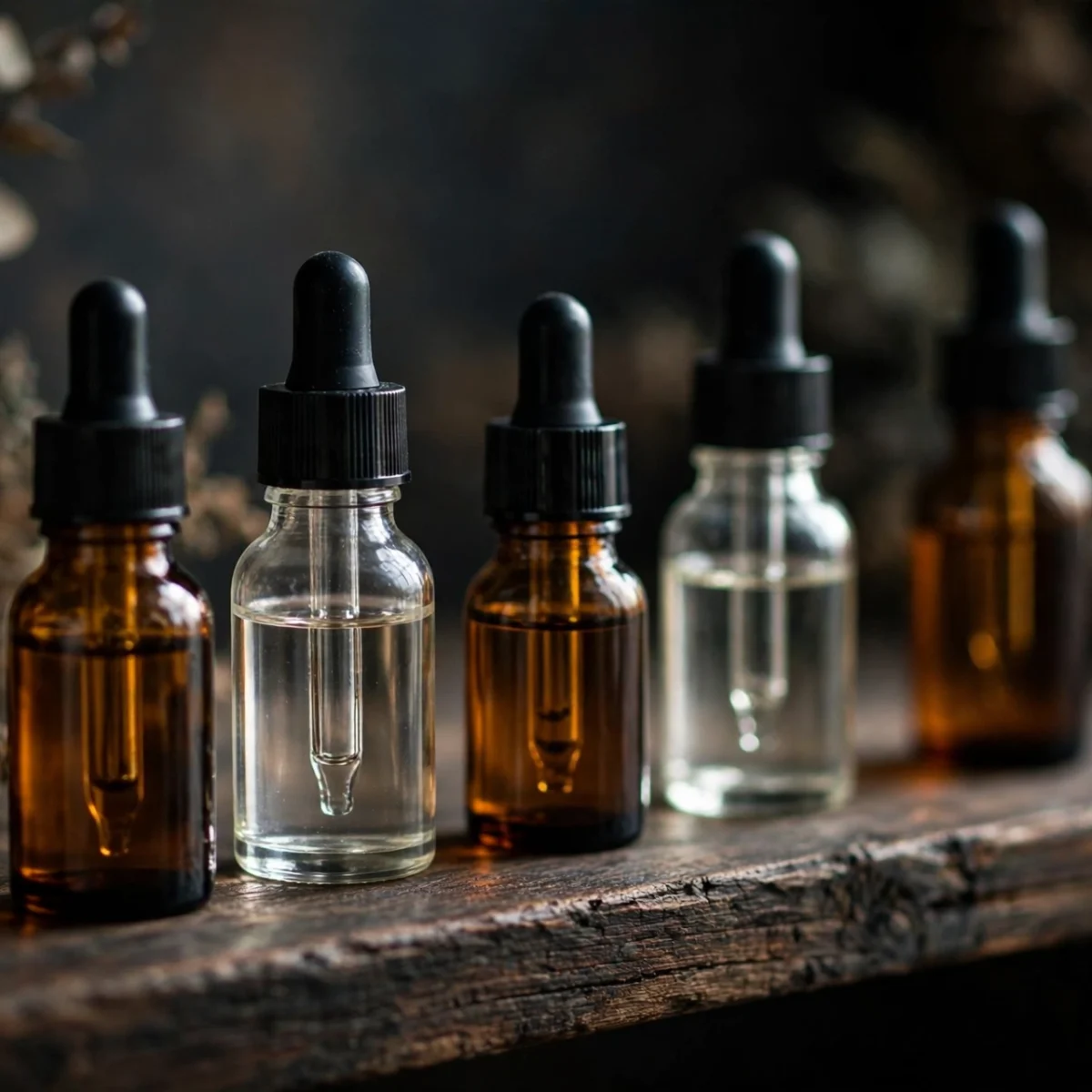
E-liquid is not immortal. Like any product made of flavorings and nicotine suspended in a liquid base, it changes over time, and poor storage speeds up that process dramatically. Learning how to store e-liquid properly protects the flavor you paid for, keeps your coils happier, and helps you tell when a bottle is past its best. The rules are simple: keep it cool, keep it dark, keep it sealed, and keep it upright. This guide explains why each rule matters, how long e-liquid really lasts, what steeping is, and the clear signs that a bottle has gone bad.
How Long Does E-Liquid Last?
Most manufacturers print a best-before or expiry date on the bottle, typically one to two years from the date of manufacture for an unopened bottle. That date assumes reasonable storage. An unopened bottle kept in a cool, dark drawer will generally stay in good condition until that date, and often a little beyond it, though flavor slowly fades even under ideal conditions.
Once opened, the clock runs faster. Every time you open the cap, air gets in, and oxygen starts breaking down nicotine and flavor compounds. An opened bottle stored well is usually at its best for several months; after that, you may notice the liquid darkening and the flavor becoming muted or slightly off. This is gradual, not sudden: e-liquid does not “spoil” overnight the way milk does.
Nicotine-free (shortfill-style) liquids follow the same pattern minus the nicotine oxidation, so they tend to hold their flavor a little longer. Either way, the practical advice is the same: buy quantities you will actually use within a few months, and store them properly in the meantime.
The Four Enemies: Light, Heat, Air, and Time
Light. Ultraviolet light breaks down nicotine and flavor molecules. A bottle left on a sunny windowsill will darken and lose flavor far faster than one kept in a drawer. Amber or opaque bottles help, but darkness is still the goal.
Heat. Warmth accelerates every chemical reaction that degrades e-liquid. A bottle left in a hot car or next to a radiator ages in weeks what would take months in a cool room. Room temperature or slightly cooler is ideal; there is no need for refrigeration, and a fridge introduces condensation risks when bottles move in and out.
Air. Oxygen oxidizes nicotine, turning it darker and harsher-tasting, and it dulls delicate flavor notes. This is why half-empty bottles degrade faster than full ones: more air in the bottle means more oxidation. Squeezing excess air out is not practical with rigid bottles, so the real defense is simply using opened bottles within a reasonable time.
Time. Even in perfect storage, flavor compounds slowly change. Complex dessert or layered flavors tend to shift more noticeably than simple fruit or menthol profiles. Time is the one enemy you cannot beat, only manage, by not stockpiling more than you will use.
Best Practices for Storing E-Liquid
Put the principles into action with these habits:
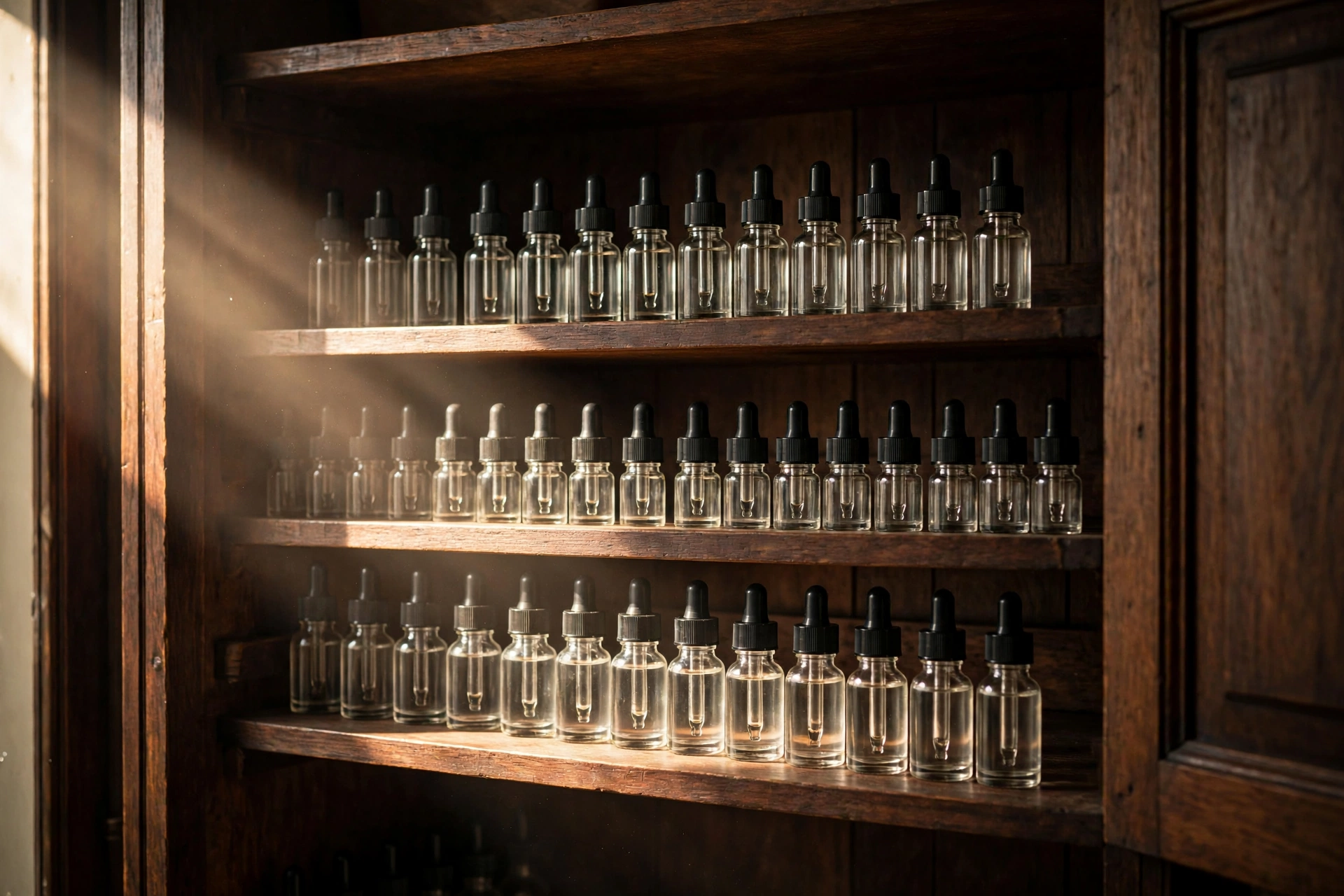
- Store in a cool, dark place. A cupboard, drawer, or dedicated storage box away from windows and heat sources is ideal. The back of a closet works perfectly.
- Keep bottles upright. Upright storage keeps liquid off the cap and dropper assembly, reducing the chance of slow leaks and keeping seals in good condition.
- Keep caps tightly closed. A loose cap lets air in continuously. After filling your tank, close the bottle promptly and firmly.
- Use the original bottles. E-liquid bottles are made from materials chosen to be compatible with the contents. Decanting into random containers risks contamination and material reactions.
- Avoid temperature swings. Repeated warming and cooling (like a bottle that rides in your car daily) ages liquid faster than a steady cool temperature.
- Shake before use. Ingredients can separate slightly over time, especially thicker high-VG blends. A good shake before filling your tank re-mixes everything. For more on how VG thickness behaves, see our guide to PG vs VG in e-liquid.
What Is Steeping?
Steeping is the practice of letting e-liquid rest for a period after it is mixed or purchased, to allow the flavors to blend and mature. The term comes from the tea world, though nothing is actually extracted here; it is simply resting time. Freshly mixed liquid can taste sharp, alcohol-forward, or disjointed, and a week or two of rest often rounds it into a smoother, more cohesive flavor.
The basic method is unglamorous: store the sealed bottle in a cool, dark place and shake it once a day. Some vapers remove the cap briefly each day to let it “breathe,” though this also admits oxygen, so opinions differ on whether it helps. Most commercially sold e-liquid is already pre-steeped to some degree by the time it reaches you, so steeping matters most for freshly mixed or DIY-style liquids and for complex flavors that need time to settle.
How do you know steeping is done? Taste is the only real test. Try a small amount when the bottle is new, then again after a week. If the flavor has smoothed out and the harsh edges are gone, it was worth the wait. There is no universal timer; simple flavors may need only days, while heavy dessert blends can take two to four weeks.
Signs Your E-Liquid Has Gone Bad
E-liquid rarely becomes dangerous from age alone when stored sensibly, but it does become unpleasant. Watch for these signs:
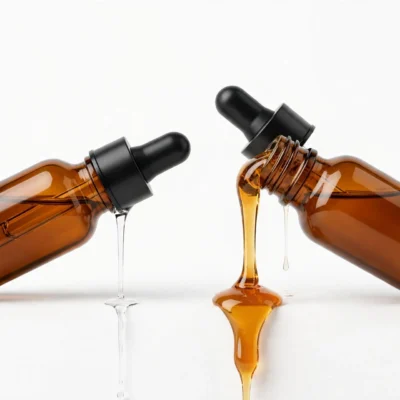
- Significant darkening. Some darkening from nicotine oxidation is normal, but liquid that has turned very dark brown or nearly black is well past its prime.
- Faded or “off” flavor. If a favorite liquid suddenly tastes flat, muted, or chemically different from the last bottle, age is the likely cause.
- Harsh throat hit. Oxidized nicotine tastes harsher. If a smooth liquid has become scratchy without any change to your device or settings, the bottle may be old.
- Unusual smell. A strong chemical or rancid note from the bottle is a clear discard signal.
- Separation that shaking will not fix. Minor separation is normal and resolves with shaking. Persistent separation or visible particles suggest the liquid has broken down.
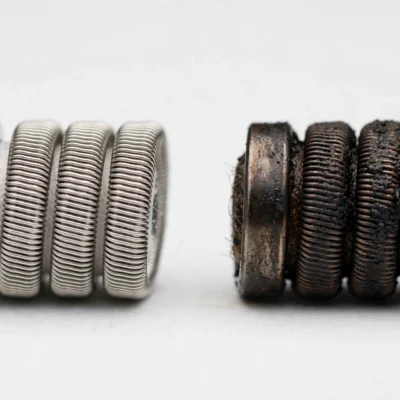
When in doubt, throw it out. E-liquid is inexpensive compared to the coils it can gunk up: old, degraded liquid leaves more residue and can make a fresh coil taste burnt long before its time, as covered in our troubleshooting guide on how to fix a burnt taste in your vape.
Storing E-Liquid While Traveling
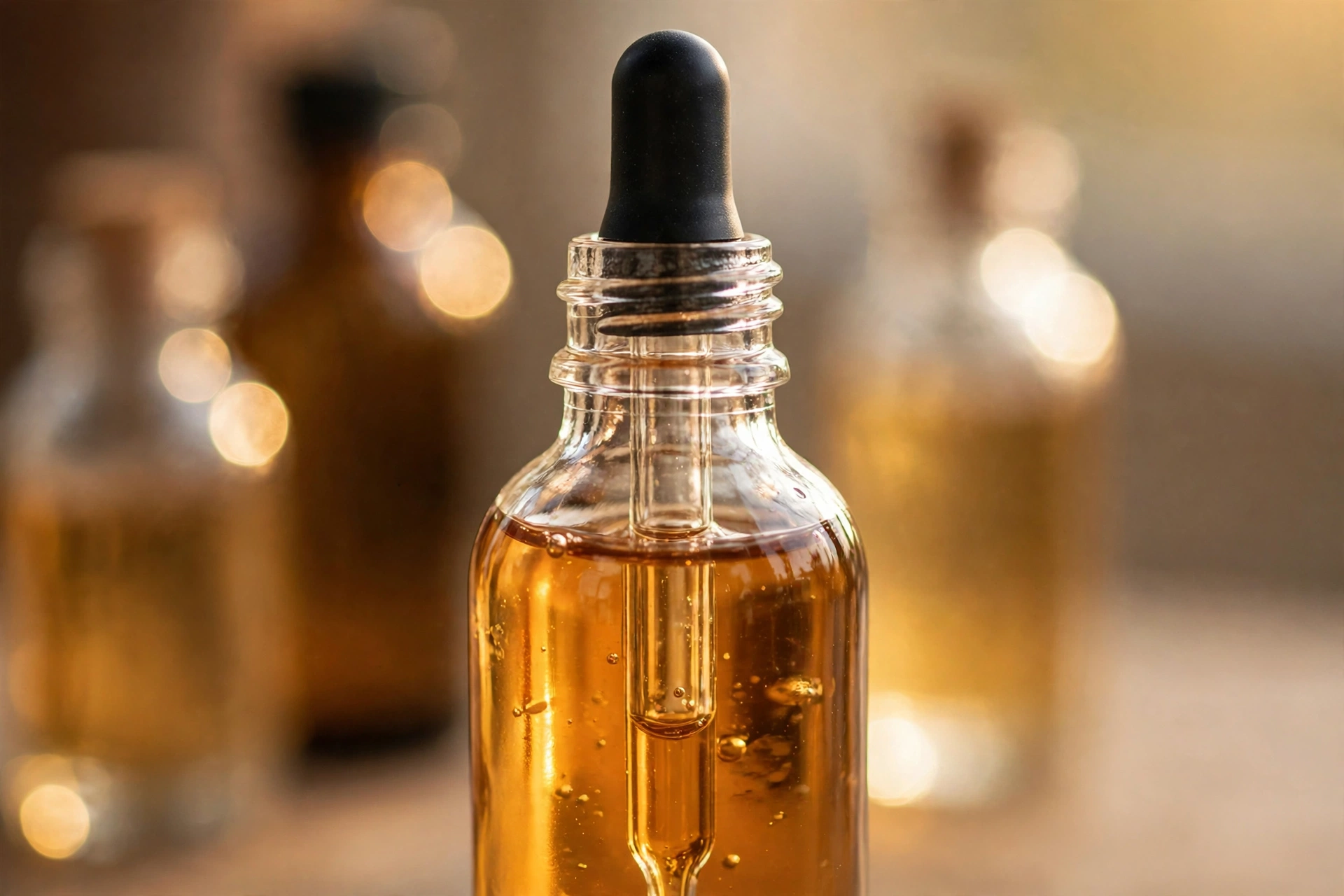
Travel adds heat, pressure changes, and jostling to the mix. Keep bottles sealed tightly and upright in a padded pouch or toiletry bag, away from direct sun in the car. Airplane cargo holds and cabins are pressurized, but changes in pressure can still push liquid past seals, so make sure caps are fully tightened and consider storing bottles in a sealed plastic bag as insurance against leaks.
Remember that traveling with vaping gear involves regulations as well as storage. Devices and batteries have their own rules, which we cover in our guide on whether you can bring a vape on a plane and the companion vape on a plane rules and TSA guide. E-liquid bottles in carry-on luggage fall under the standard liquids rules for flights, so keep them in the regulation-size bag with your other liquids.
Safety: Keep E-Liquid Away from Children and Pets
E-liquid bottles must be stored where children and pets cannot reach them. Nicotine is toxic if swallowed, and sweet-smelling flavors can attract curious kids and animals. Use the child-resistant caps the bottles come with, store bottles in a high or locked location, and never transfer e-liquid into food or drink containers where it could be mistaken for something edible. Clean up any spills promptly, and wash your hands after handling concentrated liquids.
Frequently Asked Questions
Should I refrigerate e-liquid?
It is not necessary, and it can cause condensation inside the bottle when it warms back up. A cool, dark cupboard at stable room temperature is ideal. Avoid the freezer entirely: extreme cold can damage flavor compounds and crack plastic bottles.
How long does opened e-liquid stay good?
Stored well, an opened bottle is usually at its best for a few months. After that, expect gradual darkening and flavor fade. If you buy large bottles, consider whether you will finish them in that window before opening.
Does e-liquid expire?
It does not expire suddenly, but it degrades gradually. The printed best-before date is a quality guarantee, not a safety cliff. Liquid past its date is usually just less flavorful and harsher, and the sensible move is to replace it.
Why did my e-liquid turn dark?
Darkening is usually nicotine oxidation from exposure to air, light, or heat. Some darkening is normal over time. Rapid or extreme darkening points to poor storage, so move the bottle somewhere cooler and darker and use it sooner.
Do I need to steep store-bought e-liquid?
Usually not. Commercial e-liquid has typically rested through manufacturing and distribution. Steeping helps most with freshly mixed liquids or complex flavors that taste harsh on arrival. When in doubt, try it first; only steep if it tastes like it needs it.
Can old e-liquid damage my coil?
Old, degraded liquid can gunk coils faster and produce off flavors that mimic a dying coil. If a fresh coil tastes wrong immediately, the liquid in the tank is worth suspecting alongside the usual causes.
You will find more practical vaping guides like this one on the DigitalGeekSpot homepage.
1 Comment