Water is the simplest health habit there is, and the science behind it got stronger in 2026. Here is the direct answer: drinking enough water every day supports nearly every bodily function, and a 2024 UCSF review of 18 randomized trials found the strongest evidence for preventing kidney stones and aiding weight loss, with additional trials suggesting benefits for migraines, urinary tract infections, blood sugar control, and healthy blood pressure, leading researchers to conclude that about six to eight cups daily is a reasonable target for most adults.
This article is for general information only and is not medical advice. Talk to a qualified health professional about hydration needs that suit your conditions.
Key Takeaways
- Your body is 50 to 65 percent water, and it needs steady intake to regulate temperature, cushion joints, move nutrients, and flush waste.
- A UCSF review of 18 randomized controlled trials found the strongest evidence for water preventing kidney stones and supporting weight loss.
- Drinking about eight cups daily significantly lowered the risk of repeat kidney stones; about six cups daily was linked with weight loss in adults.
- Individual trials also suggest more water helps prevent migraines and urinary tract infections and helps control diabetes and low blood pressure.
- Even mild dehydration can reduce energy, cloud thinking, and affect mood, according to the Mayo Clinic.
- Needs vary by age, activity, climate, and health; there is no one-size-fits-all number, and overhydration is possible.
Why Is Water So Important for the Body?
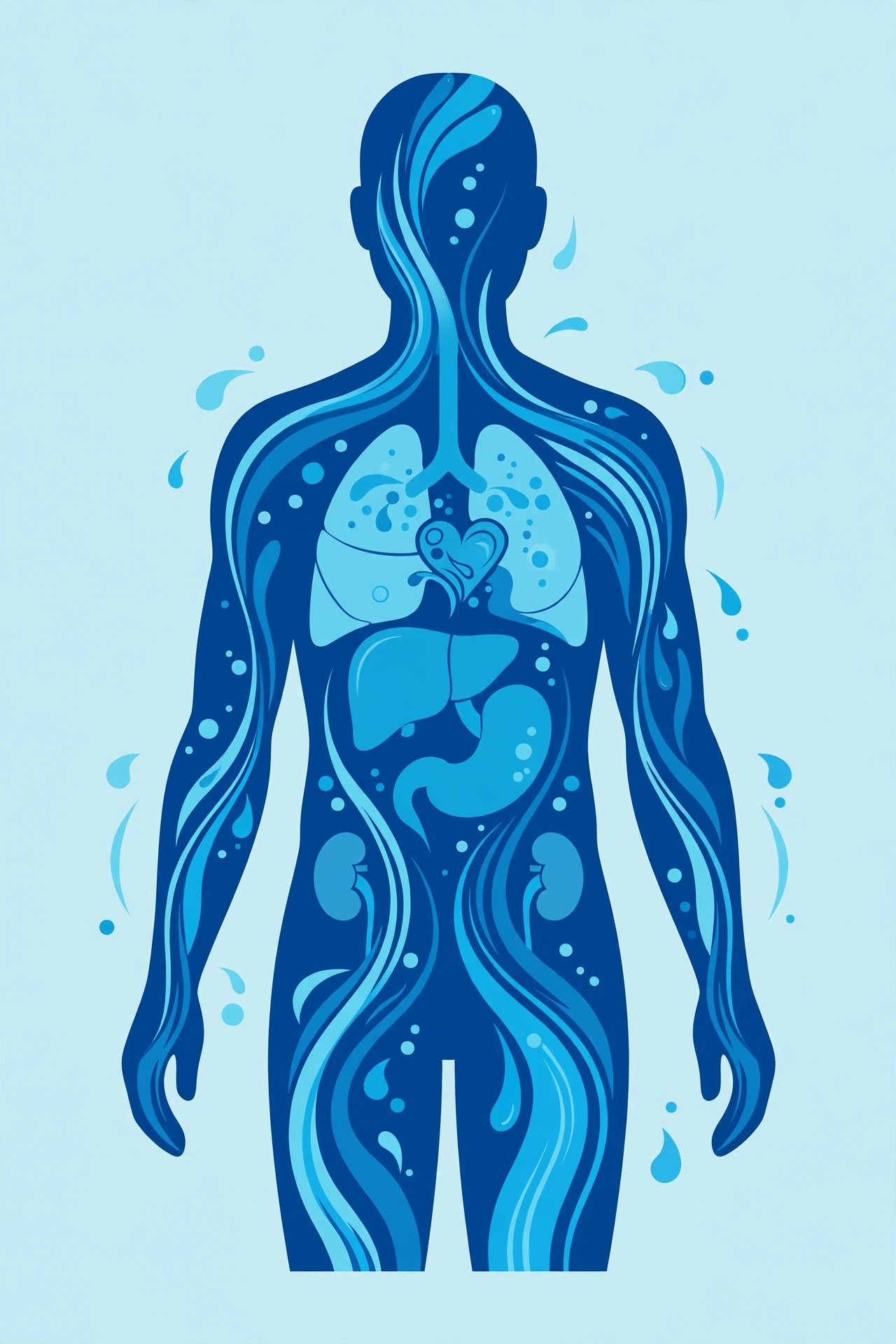
Short answer: Water makes up 50 to 65 percent of body weight and is involved in nearly every physiological process, from temperature regulation to waste removal.
According to the CDC and Mayo Clinic, water helps your body keep a normal temperature, lubricate and cushion joints, protect the spinal cord and sensitive tissues, and get rid of waste through urination, perspiration, and bowel movements. It forms the basis of body fluids including blood, saliva, tears, and digestive juices, and it transports nutrients while maintaining fluid balance inside and around cells. Because the body constantly loses water through breathing, sweating, and excretion, steady replacement is not optional.
What Did the 2024 UCSF Water Study Find?
Short answer: Reviewing 18 randomized trials, UCSF researchers concluded drinking enough water helps with weight loss and prevents kidney stones, with promising signals for migraines, urinary tract infections, diabetes control, and low blood pressure.
Published in JAMA Network Open in November 2024, the review is notable because randomized trials are the gold standard of evidence and water research had previously relied mostly on observational data. The strongest findings: drinking eight cups a day significantly decreased the likelihood of developing another kidney stone, and drinking about six cups a day helped adults lose weight. Headaches eased in frequency when adults increased intake, and trials found benefits for preventing migraines and urinary tract infections. About four cups daily helped people with diabetes control blood sugar, and more water helped younger adults bring low blood pressure into healthy ranges.
Lead researcher Dr. Benjamin Breyer cautioned that there is no universal prescription: people with frequent urination issues may benefit from drinking less, while those with kidney stone or urinary infection history benefit most from drinking more.
What Are the Main Benefits of Drinking Water Every Day?
Short answer: The best-evidenced benefits are kidney stone prevention and weight management, supported by physical performance, brain function, digestion, skin hydration, and temperature regulation.
| Benefit | Evidence Level |
|---|---|
| Kidney stone prevention | Strong: RCT evidence that 8 cups daily prevents recurrence |
| Weight management | Moderate to strong: 6 cups daily linked to weight loss in adults |
| Migraine and headache reduction | Promising: individual trials show reduced frequency |
| Urinary tract infection prevention | Promising: trials suggest protective effect |
| Blood sugar control | Promising: 4 cups daily helped diabetes management |
| Healthy blood pressure | Promising: helped younger adults with low blood pressure |
| Cognitive function and mood | Supportive: mild dehydration impairs focus, alertness, and memory |
| Physical performance | Supportive: dehydration reduces endurance and strength output |
| Digestion and constipation | Supportive: water plus fiber keeps digestion moving |
| Skin hydration | Supportive: adequate intake keeps skin hydrated, though genes and sun protection matter more for aging |
How Much Water Should You Drink Per Day?
Short answer: About six to eight cups of plain water daily is a reasonable target for most adults, but total needs vary with age, sex, activity, climate, and health status.
The classic “eight glasses” guidance aligns reasonably with the trial evidence. The US National Academies suggest total daily water intake, from all beverages and food, of about 15.5 cups for men and 11.5 cups for women, with roughly 20 percent typically coming from food like fruits and vegetables. You need more when exercising, in hot climates, running a fever, or dealing with vomiting or diarrhea. Thirst is a decent day-to-day guide for healthy adults, and pale yellow urine is a practical indicator of good hydration.
Can Drinking Water Help You Lose Weight?
Short answer: Yes, modestly. Trials link about six cups daily to weight loss in adults, likely through appetite moderation, replacing sugary drinks, and a small metabolic boost.
Water has zero calories, so swapping sugary drinks for plain water directly cuts intake; the CDC highlights this as one of water’s clearest benefits. Drinking water before meals is a simple, cheap intervention researchers say could have large benefits given obesity rates. One often-cited finding suggests 500 milliliters of water temporarily raised metabolic rate by about 30 percent for over an hour. Water supports weight loss best as part of an overall calorie-aware plan, not as a standalone strategy.
What Happens When You Do Not Drink Enough Water?
Short answer: Even mild dehydration can cause fatigue, unclear thinking, mood changes, headaches, constipation, and reduced physical performance; severe dehydration can cause kidney failure, seizures, and other emergencies.
Dehydration occurs when output exceeds intake. Early signs include thirst, dark yellow urine, dry mouth, tiredness, and difficulty concentrating. The Mayo Clinic notes that even mild dehydration can make you feel low on energy and think less clearly, and may play a role in obesity and diabetes risk. Severe dehydration is a medical emergency. Older adults, young children, and people exercising in heat are at highest risk and should hydrate proactively rather than waiting for thirst.
Can You Drink Too Much Water?
Short answer: Yes. Excessive intake can dilute blood sodium, a dangerous condition called hyponatremia, though it is rare and mostly affects endurance athletes and people with certain medical conditions.
For most people drinking to thirst plus a glass or two, overhydration is not a concern. The risk rises with forced consumption of very large volumes in short periods. People with kidney disease, heart failure, or conditions affecting fluid balance should follow their doctor’s specific fluid guidance rather than generic targets. As the UCSF researchers emphasized, there is no one-size-fits-all approach.
What Counts Toward Your Daily Water Intake?
Short answer: Plain water, other beverages, and water-rich foods all count; only alcohol works against you as a net dehydrator.
- Plain water: the ideal default, zero calories, always counts fully.
- Other drinks: tea, coffee, milk, and juice all contribute fluid; moderate caffeine does not cancel hydration.
- Water-rich foods: cucumbers, watermelon, oranges, lettuce, and soups can supply around a fifth of daily intake.
- Sparkling water: hydrates like still water; choose unsweetened versions.
- Sugary drinks: they hydrate but add empty calories; replacing them with water is one of the simplest health upgrades.
- Alcohol: a net negative for hydration; alternate each drink with water.
How Can You Drink More Water Every Day?
Short answer: Make water visible and convenient: carry a reusable bottle, set phone reminders, drink a glass at each meal, and flavor it naturally if plain water bores you.
- Carry a bottle everywhere: visible water gets drunk; hidden water does not.
- Anchor glasses to routines: one glass on waking, one with each meal, one mid-afternoon.
- Set reminders: phone alarms or app trackers work until the habit is automatic.
- Flavor it naturally: lemon, lime, cucumber, or mint make plain water more appealing without calories.
- Keep it cold or hot as you prefer: freeze bottles for ice-cold water all day in summer.
- Choose water when eating out: it is free, healthy, and always available.
- Track for two weeks: a simple tally reveals whether you actually hit your target.
Final Verdict: Is Drinking More Water Worth the Effort?
Of all health habits, drinking enough water has the best effort-to-benefit ratio. The trial evidence for kidney stone prevention and weight support is genuinely strong, the signals for headaches, urinary infections, and blood sugar control are promising, and the cost is essentially zero. Aim for six to eight cups of plain water daily, adjust for your activity and climate, watch your urine color, and swap sugary drinks first. Small sips, consistently, add up to a meaningful difference. Find more evidence-based wellness content at DigitalGeekSpot.

Related Articles
- How to Start Swimming for Fitness
- Cranberry Juice Benefits
- Black Seed Oil Benefits
- Brazil Nuts Benefits
Frequently Asked Questions
How many glasses of water should I drink a day?
About six to eight cups of plain water daily suits most adults. Total needs including food and other drinks run higher, around 11.5 cups for women and 15.5 cups for men per US National Academies guidance, adjusted for activity and climate.
Does drinking water help you lose weight?
Trials link about six cups daily to weight loss in adults. Water supports weight management by replacing sugary drinks, moderating appetite, and slightly boosting metabolism, best as part of an overall healthy eating plan.
Can water prevent kidney stones?
Yes, with the strongest evidence in water research: drinking about eight cups daily significantly lowered the risk of developing another kidney stone in randomized trials.
Is it bad to drink water only when thirsty?
For healthy adults in normal conditions, thirst is a reasonable guide. Older adults, athletes, and people in heat should drink proactively, since thirst signals can lag behind actual need.
Does coffee count as water intake?
Yes. Moderate coffee and tea consumption contributes to daily fluid intake; caffeine’s mild diuretic effect does not cancel out the water in the cup.
Can you drink too much water?
Rarely, but yes: extreme overconsumption can cause hyponatremia, dangerously low blood sodium. People with kidney or heart conditions should follow their doctor’s fluid guidance.
What are signs of dehydration?
Thirst, dark yellow urine, dry mouth, fatigue, headache, dizziness, and difficulty concentrating. Severe dehydration with confusion or fainting needs urgent medical care.
Is sparkling water as hydrating as still water?
Yes, unsweetened sparkling water hydrates just as effectively as still water. Choose versions without added sugars or excessive sodium.