


Deep breathing exercises are among the simplest health practices with real research behind them. Slowing your breath for just a few minutes a day can lower blood pressure, reduce stress and anxiety, improve focus, and even help you sleep better. The quick answer: controlled deep breathing activates your body’s relaxation response, telling your nervous system it is safe to calm down, and the benefits build with daily practice.
You do not need any equipment, apps, or special training. Techniques like diaphragmatic breathing, 4-7-8 breathing, and box breathing can be done anywhere, in minutes. Here is a summary of what the evidence suggests, followed by practical how-to guidance for each major technique.
Quick Summary: Benefits of Daily Deep Breathing
| Benefit | What Research Suggests | Typical Practice |
|---|---|---|
| Lowers blood pressure | Meta-analyses show average drops of about 6 mm Hg systolic and diastolic; Harvard Health notes up to 10 points systolic | 5-15 minutes daily |
| Reduces stress | Meta-analysis of 12 trials found small-to-medium reductions in self-reported stress | A few minutes daily |
| Eases anxiety | Reduced anxiety scores across multiple randomized trials | Regular slow-breathing sessions |
| Improves focus | Increased prefrontal cortex activity linked to concentration in neuroimaging research | 5 minutes before mentally demanding work |
| Supports better sleep | Calming techniques like 4-7-8 helped participants fall asleep faster in sleep studies | Before bed |
| May ease pain perception | A meta-analysis found slow breathing decreased pain intensity in some patients | During painful episodes |
Note: This article is for general information only and is not medical advice. Breathing exercises should not replace prescribed medication; consult your healthcare provider about any health condition.
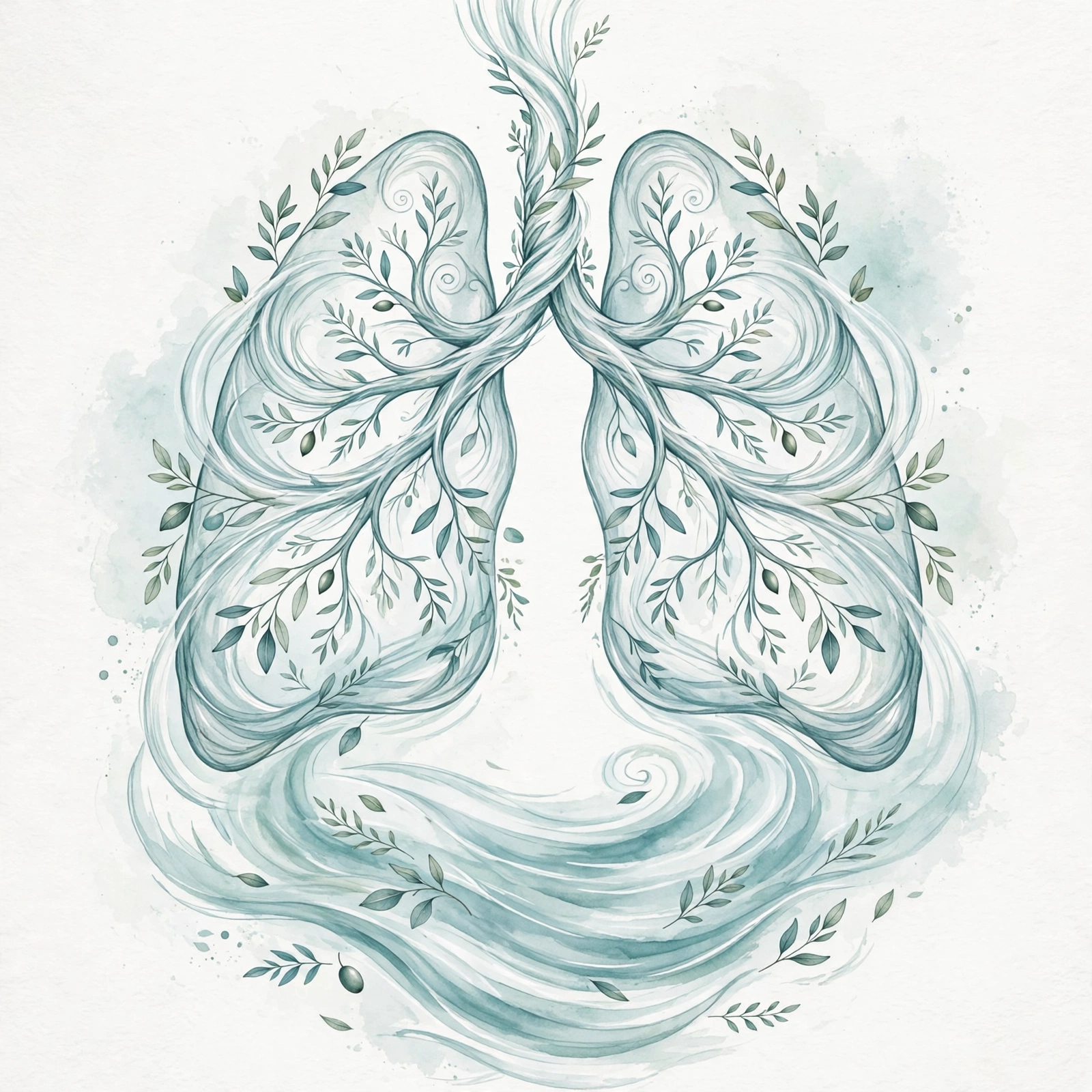
How Deep Breathing Changes Your Body
Your nervous system has two main branches. The sympathetic branch drives the fight-or-flight response: faster heart rate, tenser muscles, stress hormones like cortisol and adrenaline. The parasympathetic branch drives rest and recovery: slower heart rate, relaxed blood vessels, digestion switching on.
Deep, slow breathing directly activates the parasympathetic branch, largely through the vagus nerve, the long nerve connecting your brain to your heart, lungs, and gut. When you exhale slowly, vagal activity increases, heart rate drops, and blood vessels dilate. This is not a metaphor; it is a measurable physiological reflex that happens every time you take a slow breath.
Chronic fast, shallow breathing does the opposite. Most people spend their days breathing quickly and inefficiently, which keeps the stress baseline elevated. Deliberate slow breathing resets that baseline, dampening cortisol and adrenaline production and telling the body the emergency is over. Over weeks of daily practice, this trains a calmer default state.
Benefit 1: Lower Blood Pressure
Blood pressure is one of the best-studied outcomes of deep breathing. A 2023 literature review in Frontiers in Physiology reported that daily deep breathing exercises can lower blood pressure as well as reduce anxiety and stress. A meta-analysis found average reductions of about 6.36 mm Hg in systolic blood pressure and 6.39 mm Hg in diastolic blood pressure.
Harvard Health Publishing reported that practicing slow, deep breathing for just a few minutes a day can lower systolic blood pressure by up to 10 points. A landmark study in the journal Hypertension found that participants who practiced slow breathing at six breaths per minute for fifteen minutes daily reduced systolic pressure by an average of 9 mm Hg after two months, with the mechanism involving improved baroreflex sensitivity, the body’s ability to adjust heart rate and vessel diameter in response to pressure changes.
These are meaningful numbers. While breathing exercises should never replace prescribed hypertension medication, they are a legitimate complementary practice, and your doctor may welcome hearing that you have added them to your routine.
Benefit 2: Less Stress and Anxiety
The stress research is consistent across many trials. A meta-analysis of 12 randomized controlled trials involving 785 adults found a small-to-medium reduction in self-reported stress levels from breathwork practices, with substantial decreases also observed for anxiety and depressive symptoms.
The mechanism is the parasympathetic activation described above, combined with a psychological effect: slow breathing gives your mind something simple to focus on, interrupting the loop of worried thoughts. This is why breathing techniques are standard tools in cognitive-behavioral approaches to anxiety.
Pairing breathing practice with a calming evening routine works well for people whose stress peaks at night. If racing thoughts keep you up, combining a few minutes of slow breathing with solid sleep hygiene habits like dimming lights and avoiding screens before bed can make falling asleep noticeably easier.
Benefit 3: Sharper Focus and Mental Clarity
By increasing oxygen flow and reducing stress hormones, deep breathing supports clearer thinking. A 2020 study in Frontiers in Psychology found that deep breathing increased activity in the prefrontal cortex, the brain region linked to concentration, planning, and problem-solving.
This is why many people use a few minutes of paced breathing before mentally demanding work: exams, presentations, important conversations. Box breathing in particular is popular in high-performance settings, including military and emergency training, because it steadies both mind and body under pressure. A calm nervous system simply thinks better.
Focus also improves indirectly. Better stress management means fewer intrusive worries competing for attention, and better sleep (supported by evening breathing practice) means a sharper brain the next day. It all connects.
Benefit 4: Better Sleep Quality
Techniques like the 4-7-8 method calm the nervous system and are widely used as a natural sleep aid. A 2021 study in Sleep Medicine reported improved sleep quality among participants practicing deep breathing for four weeks. The extended exhale in these techniques is key: long exhales are the strongest signal to the parasympathetic system, essentially telling your body it is safe to power down.
Unlike sleep medications, breathing has no side effects, no cost, and no dependency risk. It is worth making it the first thing you try when sleep is elusive, alongside the basics of a dark, cool, quiet bedroom.
Benefit 5: Immune, Digestive, and Pain Support
Chronic stress triggers inflammation, which weakens immune defenses over time. By reducing stress and inflammatory markers, deep breathing indirectly supports immune function; a 2016 study in Psychosomatic Medicine demonstrated stress-related inflammatory changes from mind-body practices including breathwork.
Digestion benefits through the vagus nerve, which regulates gut function. Slow diaphragmatic breathing stimulates vagal activity, which can improve gut motility and ease symptoms of stress-related digestive discomfort. A calm gut is rarely found in a stressed body, so this connection matters more than most people realize.
For pain, a 2017 meta-analysis in Pain Medicine found that slow breathing techniques decreased pain intensity in some patients, likely through endorphin release and by shifting attention away from pain perception. It will not replace proper pain treatment, but it is a useful additional tool.
These body-wide effects are one reason breathing practice pairs so well with other foundational habits. Gentle daily movement supports circulation and stress relief in the same direction, which is why many people combine a short breathing session with a daily walk, and staying well hydrated, as covered in our guide to drinking water every day, keeps every system, including the ones breathing supports, running smoothly.
The 5 Best Deep Breathing Techniques (Step by Step)
1. Diaphragmatic (Belly) Breathing
The foundation of all breathwork. Most adults breathe shallowly into the chest; this retrains you to use the diaphragm.
- Sit or lie down comfortably. Place one hand on your chest and the other on your belly.
- Inhale slowly through your nose for about 4 seconds, letting your belly rise while your chest stays still.
- Exhale slowly through your mouth for 6-8 seconds, feeling your belly fall.
- Repeat for 5-10 minutes daily.
2. 4-7-8 Breathing
Popularized by Dr. Andrew Weil, excellent for stress relief and sleep.
- Inhale quietly through your nose for a count of 4.
- Hold your breath for a count of 7.
- Exhale completely through your mouth for a count of 8.
- Repeat for 4 cycles, ideally before bed.
3. Box Breathing
Used by military and first responders for calm under pressure.
- Inhale through your nose for 4 counts.
- Hold for 4 counts.
- Exhale through your mouth for 4 counts.
- Hold empty for 4 counts.
- Repeat for 5 minutes.
4. Paced Breathing (6 Breaths Per Minute)
The technique used in the Hypertension blood pressure study: slow, even breathing at about 6 breaths per minute.
- Inhale for 5 seconds, exhale for 5 seconds, through your nose if comfortable.
- Keep the rhythm steady and relaxed, not forced.
- Continue for 10-15 minutes daily.
5. Alternate Nostril Breathing
A classic yogic technique (nadi shodhana) for balancing and calming the mind.
- Close your right nostril with your thumb and inhale through the left.
- Close the left nostril with a finger, release the right, and exhale through the right.
- Inhale through the right, switch, exhale through the left. That is one cycle.
- Repeat for 5 minutes.
How to Build a Daily Practice
- Start tiny: Two minutes a day beats twenty minutes once a week. Build the habit first, extend later.
- Anchor it: Attach breathing to an existing routine, after brushing your teeth, before lunch, or in bed before sleep.
- Pick one technique: Master diaphragmatic breathing before adding others. Depth beats variety early on.
- Track it simply: A checkmark on a calendar is enough. Visible streaks are motivating.
- Be patient: Blood pressure and stress benefits in studies typically emerged over 4-8 weeks of daily practice.
Common Mistakes to Avoid
- Breathing too forcefully: Deep breathing should feel relaxed, not like a workout. If you feel dizzy, slow down.
- Only breathing into the chest: Chest-only breathing keeps the stress response active. The belly should move.
- Holding the breath too long early on: Long holds like the 7-count in 4-7-8 can feel uncomfortable at first. Shorten the counts and build up.
- Practicing only during crises: Daily practice trains your baseline; crisis-only use is less effective.
- Expecting it to replace medication: Breathing complements treatment for hypertension, anxiety, and other conditions. It does not replace it.
FAQs About Deep Breathing Exercises
How many minutes of deep breathing should I do daily?
Studies showing blood pressure and stress benefits typically used 5-15 minutes daily. Even 2-5 minutes helps, so start small and build up.
Can deep breathing really lower blood pressure?
Research suggests yes, as a complementary practice. Meta-analyses show average reductions around 6 mm Hg systolic and diastolic, and some studies show larger drops. It should not replace prescribed medication.
What is the best breathing technique for anxiety?
Slow techniques with extended exhales work best for anxiety: 4-7-8 breathing and paced breathing at 6 breaths per minute both have good support. Box breathing is excellent for acute stressful moments.
Is it normal to feel dizzy when deep breathing?
Mild lightheadedness can happen if you breathe too forcefully or too fast. Slow down, breathe more gently, and return to normal breathing if it persists. If dizziness is frequent, check with a healthcare provider.
Can I do deep breathing exercises every day?
Yes, daily practice is exactly what the research supports, and there are no known downsides to gentle daily breathing exercises for healthy people.
How long before I notice results?
Calm and focus effects are often immediate. Blood pressure, sleep, and stress benefits in studies typically appeared after 4-8 weeks of consistent daily practice.
The Bottom Line
Deep breathing exercises are a rare thing in health: free, quick, side-effect-free, and backed by real research. A few minutes of slow, deliberate breathing each day can lower blood pressure, reduce stress and anxiety, sharpen focus, and improve sleep. The techniques are simple, but the physiology behind them is powerful.
Pick one technique, diaphragmatic breathing is the best starting point, and practice it for two minutes tomorrow morning. Build from there. At DigitalGeekSpot, we focus on habits that are simple enough to last, and few habits are simpler than breathing with intention.



2 Comments