Last updated: November 2026
Written by James Foster for Digital Geek Spot.
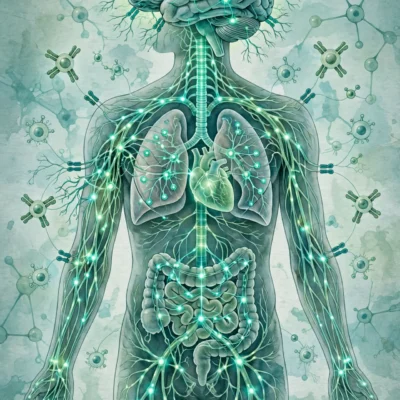
How sleep affects immune health is simple to state and deep in its detail: sleep is the period when the immune system does its hardest work. During sleep the body releases cytokines, activates T cells, and builds immune memory, while sleep loss raises infection risk, weakens vaccine response, and drives chronic inflammation. Adults who sleep less than 6 hours a night are 4 times more likely to catch a cold than adults who sleep 7 hours or more, according to research by Dr. Aric Prather at UC San Francisco (Source: Sleep, 2015). This article explains the mechanisms behind that link, the melatonin connection, a three-night plan for vaccination, the number of hours the immune system needs, and the daily steps that protect it.
Key Takeaways
- Sleep triggers cytokine release, T-cell activation, and natural killer (NK) cell activity that fight infection.
- Adults who sleep 6 hours or less per night are 4 times more likely to catch a cold (Source: Prather, Sleep, 2015).
- One night of 4-hour sleep cuts NK cell activity by about 70 percent (Source: Irwin et al., 1996, cited in Mattress Miracle, 2025).
- Sleep on the night after vaccination strengthens antibody response and immune memory.
- Adults need 7 to 9 hours of sleep per night for optimal immune function.
- Melatonin links sleep and immunity: sleep loss lowers melatonin and raises inflammatory cytokines IL-6 and TNF-a (Source: Int. J. Mol. Sci., 2025).
Table of Contents
- How does sleep strengthen the immune system?
- What happens to immune cells during deep sleep?
- How does sleep deprivation weaken immunity?
- Does sleep affect vaccine response?
- How much sleep does the immune system need?
- Sleep vs wakefulness: how immune activity compares
- How to improve sleep for better immune health
- When does poor sleep signal a health problem?
- Frequently asked questions
How does sleep strengthen the immune system?
Sleep strengthens the immune system by triggering the release of cytokines, raising T-cell activity, and supporting the production of antibodies. Cytokines are small proteins that coordinate the immune response, signal infection, recruit immune cells to sites of inflammation, and regulate fever. Several key cytokines are produced preferentially during sleep, with peak production during slow wave sleep, the deep N3 stage of non-rapid eye movement (NREM) sleep.
Interleukin-1 beta (IL-1b) promotes deep sleep and activates macrophages, the cells that engulf and destroy pathogens. Interleukin-6 (IL-6) promotes B-cell differentiation and antibody production. IL-6 rises during sleep and falls with sleep deprivation. Tumor necrosis factor-alpha (TNF-a) coordinates the acute immune response, and part of its production is sleep dependent, with peak output during slow wave sleep. Interferon-gamma (IFN-y) is central to viral defense, and NK cell and T-cell production of IFN-y drops sharply when sleep is short.
T cells are the adaptive immune system’s search and destroy cells. During sleep, T cells express higher levels of integrin proteins, the stickiness molecules that let T cells bind to infected cells and destroy them. A study in the Journal of Experimental Medicine led by Stoyan Dimitrov showed that integrin activation happens at a higher rate during sleep than during wake (Source: Journal of Experimental Medicine, 2019). Sleep deprivation raises stress hormones such as cortisol and epinephrine, and those hormones reduce T-cell binding ability.
The Health category at Digital Geek Spot covers sleep, immunity, and daily habits.
Read our sleep hygiene guide for practical steps to better rest.
What happens to immune cells during deep sleep?
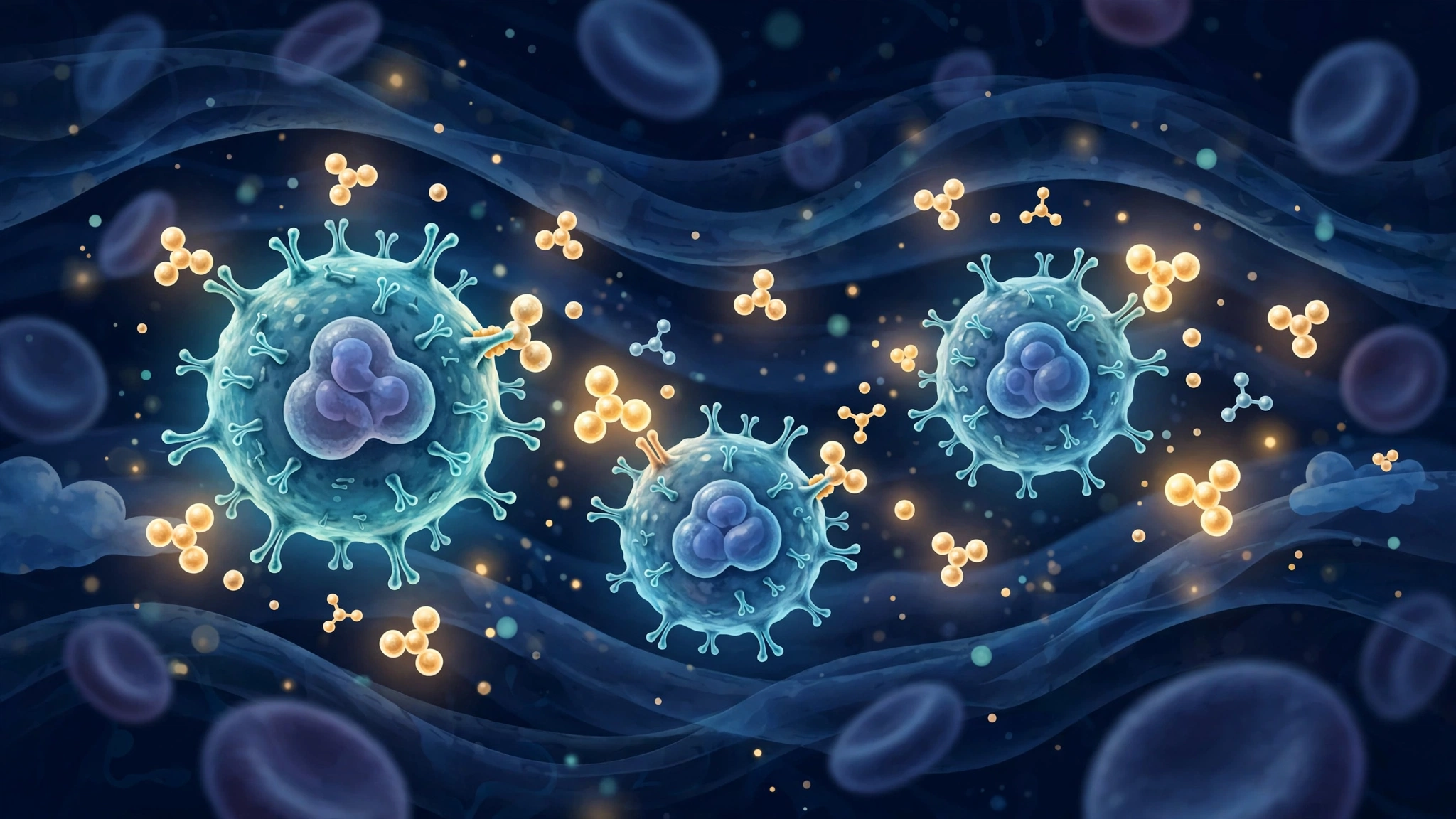
During deep sleep, naive T helper cells travel to lymph nodes, cytokine production peaks, and the immune system builds long-term memory. Deep sleep, also called slow wave sleep (SWS), is the stage when the body carries out most physical repair, and the immune system uses the same window for its own repair work.
Research by Besedovsky, Lange, and Born (Source: Pflugers Archiv, 2012) showed that the immune system follows a nightly rhythm. Numbers of undifferentiated naive T cells and production of pro-inflammatory cytokines peak during early nocturnal sleep. Circulating numbers of immune cells with immediate effector functions, such as cytotoxic natural killer cells, and anti-inflammatory cytokine activity peak during daytime wakefulness. Sleep compared with a full night of wakefulness moves naive T helper cells into lymph nodes, where they meet antigen presenting cells and form immune memory.
The hormone environment of early slow wave sleep supports this work: growth hormone and prolactin levels are high, while cortisol and catecholamine levels are low. Sleep on the night after a hepatitis A vaccination produced a strong and lasting increase in antigen-specific T helper cells and antibody titres, and that increase was predicted by the amount of slow wave activity during sleep (Source: Besedovsky, Lange, and Born, 2012).
Natural killer cells also depend on sleep. NK cells destroy virally infected cells and cancer cells without prior sensitization to specific antigens. A single night of 4-hour sleep reduces NK cell activity by approximately 70 percent compared with a well-rested baseline (Source: Irwin et al., 1996). A 2025 mouse study adds fresh weight to this point: 72 hours of continuous sleep deprivation cut the share of NK cells and memory CD8 T cells in the spleen and blood, while pro-inflammatory cytokine genes were downregulated (Source: Journal of High School Science, 2025).
How does sleep deprivation weaken immunity?
Sleep deprivation weakens immunity by cutting antibody production, raising inflammatory cytokines, and suppressing NK cell and T-cell activity.
First, sleep deprivation lowers antibody production. Antibodies are the proteins that tag foreign invaders for destruction. When antibodies are low, bacteria, viruses, and toxins are more likely to slip past the immune system. Adults who regularly get 5 hours or less of sleep are more likely to develop respiratory infections (Source: UCLA Health, 2024).
Second, sleep deprivation raises chronic inflammation. When the body does not get enough sleep, it generates more inflammatory cytokines, and that leads to a chronic inflammatory state. That state raises the risk of inflammation driven diseases such as type 2 diabetes and heart disease (Source: Tom’s Guide, citing Dr. Tamika Henry). A 2023 review of studies reports that getting less than 6 hours of sleep per night is associated with cardiovascular disease at all ages, but especially in adults ages 40 and younger.
Third, sleep deprivation disrupts the melatonin link. A 2025 narrative review of 50 studies published between 2000 and 2025 found that consistent sleep loss lowers melatonin levels, and lower melatonin correlates with raised pro-inflammatory cytokines (IL-6 and TNF-a), increased oxidative stress, and reduced activity of NK cells and CD4+ lymphocytes (Source: Int. J. Mol. Sci., 2025). Melatonin regulates immune pathways that include NF-kB signaling. Sleep loss also raises cortisol through the hypothalamic-pituitary-adrenal (HPA) axis, and raised cortisol further shapes immune modulation.
Fourth, poor sleep quality tracks with real infection rates. A 2025 survey of 150 adult patients at Alexandria University Hospital found poor sleep quality in 67.3 percent of participants. Sleep disturbance correlated with infection frequency (r = 0.42, p < .001) and with raised C-reactive protein (CRP) levels (r = 0.36, p = .002) (Source: Al-Azhar Journal of Pharmaceutical Sciences, 2025).
Readers who sleep poorly because of late-night screens can cut that risk with a simple change: keep phones out of the bedroom for the last hour before bed.
Does sleep affect vaccine response?
Yes, sleep affects vaccine response: sleeping well before and after a vaccination helps the vaccine work better in the body. Sleep allows the immune system to register the antigen introduced through the vaccine and to build lasting memory of it. The Centers for Disease Control and Prevention (CDC) notes that extra sleep the next week may not restore a weak response after a sleep-deprived vaccination (Source: CDC, cited by UCLA Health, 2024).
The mechanism runs through deep sleep. Sleep on the night after vaccination strengthens the T helper cell response, and that response is predicted by slow wave activity during sleep and by the release of immune regulatory hormones during early slow wave sleep (Source: Besedovsky, Lange, and Born, 2012). Short sleep around vaccination cuts antibody titres, which means the body produces fewer of the proteins that recognize and neutralize the pathogen.
A practical vaccination sleep plan covers three nights:
- Sleep 7 to 9 hours on the night before vaccination.
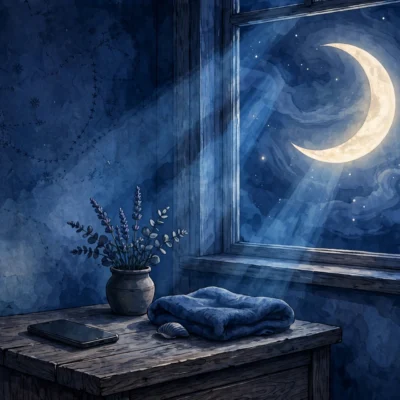
- Sleep 7 to 9 hours on the night of vaccination, and keep the room dark and cool.
- Sleep 7 to 9 hours on the night after vaccination, and avoid alcohol on all three nights.
- Book morning appointments when possible, so the vaccination lands early in the day and the night of sleep follows soon after.
- Skip late caffeine on vaccination day, because caffeine fragments deep sleep.
How much sleep does the immune system need?
Adults need 7 to 9 hours of sleep per night for optimal immune function. Seven hours is the floor: below 7 hours, infection risk climbs steeply. The Prather study found that people who sleep 6 hours a night or less are 4 times more likely to catch a cold when exposed to the virus (Source: Sleep, 2015). A Harvard study led by Dr. Sanjay Patel found that in a sample of almost 57,000 women, getting fewer than 5 hours of sleep versus more than 8 hours explained a 70 percent difference in the incidence of pneumonia (Source: Harvard, cited by WHOOP, 2025).
Sleep need varies by age. The National Sleep Foundation recommends 7 to 9 hours for adults ages 18 to 64, and 7 to 8 hours for adults over 65. Teenagers need 8 to 10 hours, and school-age children need 9 to 11 hours.
Sleep duration alone does not tell the full story. Fragmented sleep, with frequent waking, cuts deep sleep even when total hours look adequate. Obstructive sleep apnea fragments sleep and raises inflammatory markers. Anyone who snores loudly, wakes gasping, or feels unrefreshed after 8 hours in bed should ask a doctor about a sleep study.
Sleep debt cannot be repaid in one weekend: doubling sleep the next week does not restore a weak vaccine response. The immune system needs consistent nightly sleep, not catch-up bursts, so keep the same bedtime and wake time every day.
Sleep vs wakefulness: how immune activity compares
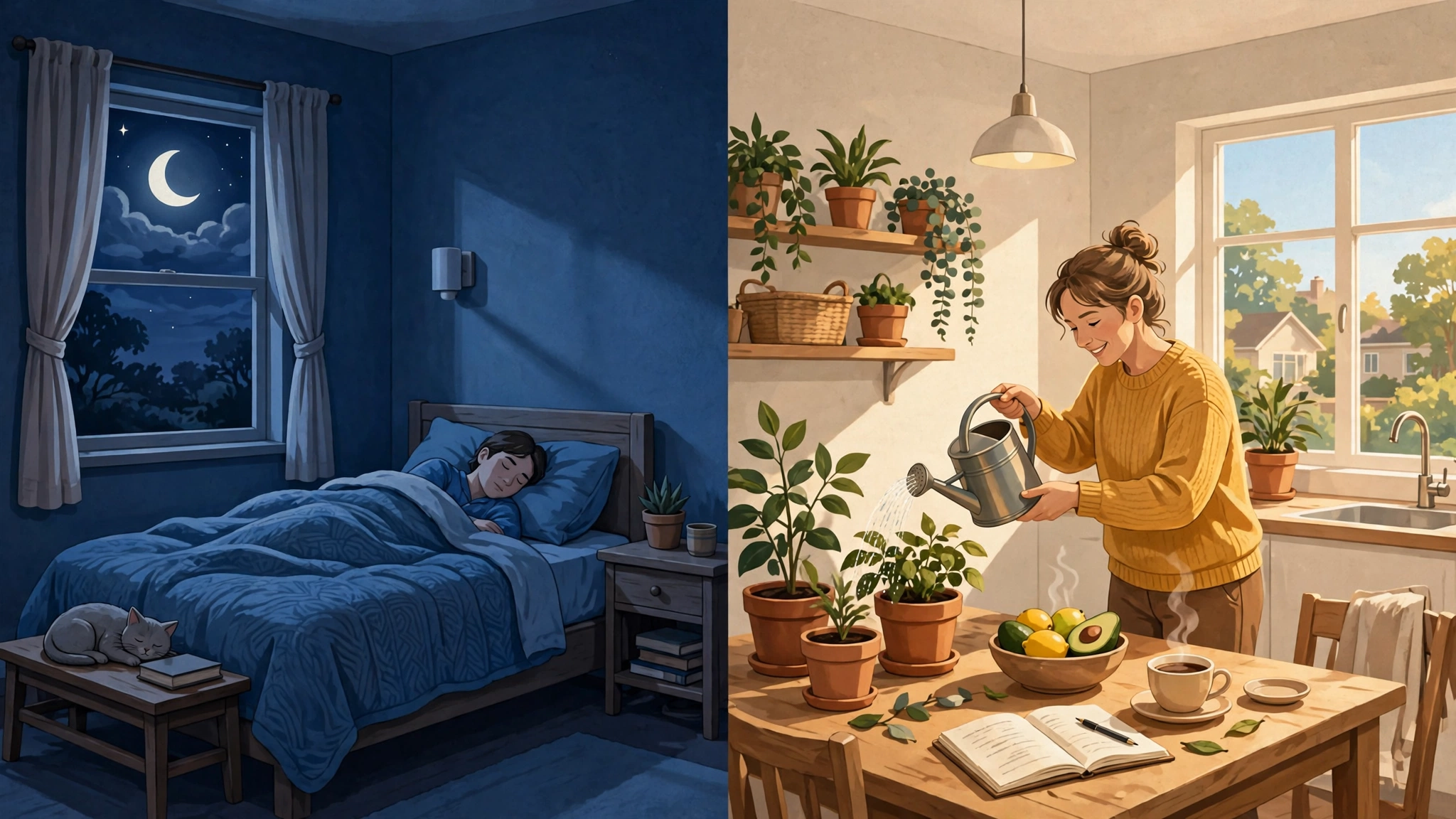
Sleep and wakefulness divide immune work between two shifts: sleep builds memory and releases cytokines, while wakefulness deploys effector cells. The table below summarizes the split described in the Besedovsky review and the competitor research.
| Immune activity | During sleep | During wakefulness |
|---|---|---|
| Naive T helper cells | Travel to lymph nodes to form memory | Circulate in blood in higher numbers |
| Pro-inflammatory cytokines (IL-1b, IL-12, TNF-a) | Production peaks, especially in slow wave sleep | Production lower |
| Anti-inflammatory cytokine activity | Lower | Peaks |
| NK cell numbers in blood | Lower, as cells marginate into tissue | Higher circulating numbers |
| T-cell integrin activation | Higher, stronger binding to infected cells | Lower |
| Cortisol | Low during early sleep | Rises through the day |
| Antibody production after vaccination | Strengthened by sleep on the vaccination night | Weaker without that sleep |
| Immune memory formation | Active, sleep dependent | Relies on memory formed during sleep |
Wakefulness is the deployment shift, when effector cells patrol the blood. Sleep is the training shift, when the immune system meets new antigens, records them, and prepares antibodies.
How to improve sleep for better immune health
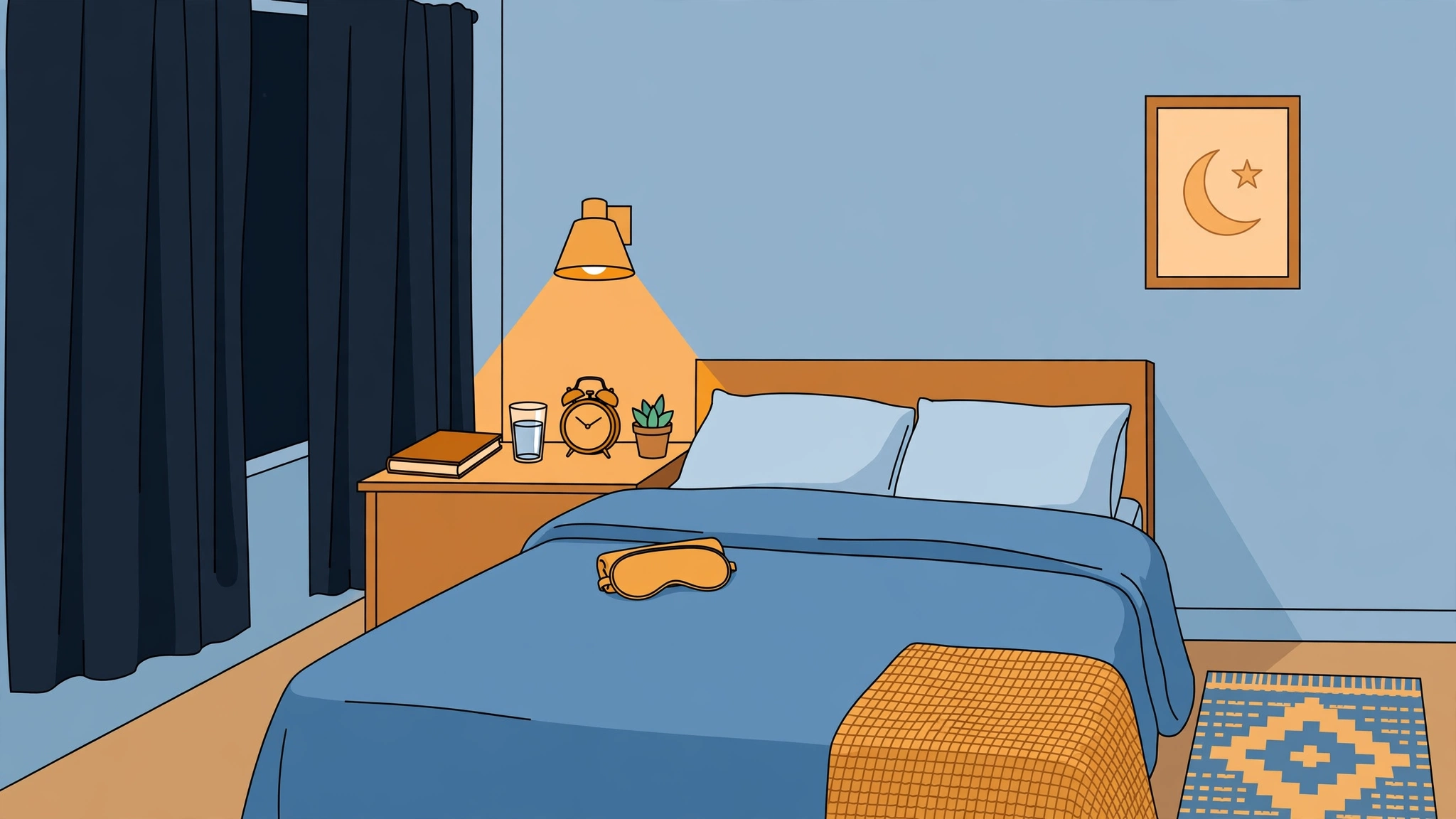
To improve sleep for better immune health, keep a fixed sleep schedule, protect the last hour before bed, and keep the bedroom dark, cool, and quiet.
- Keep the same bedtime and wake time every day, including weekends.
- Get bright light within an hour of waking to set the circadian rhythm.
- Stop caffeine at least 8 hours before bed, because caffeine fragments deep sleep.
- Keep the bedroom between 18 and 20 degrees Celsius and fully dark.
- Put screens away for the last hour before bed to protect melatonin release.
- Exercise daily, but finish vigorous exercise at least 3 hours before bed.
- Avoid alcohol in the evening, because alcohol suppresses deep sleep and immune function.
- Eat the last large meal at least 3 hours before bed.
- Use a short wind-down routine, such as reading or stretching, to lower cortisol.
- Treat snoring and apnea: ask a doctor about a sleep study if sleep never feels refreshing.
Shift workers face a harder version of this problem, because night shifts break the circadian rhythm that immune cells follow. Misaligned sleep raises inflammatory cytokines even when total hours are adequate. Shift workers can reduce the damage by keeping one fixed sleep window on work days, using blackout curtains and earplugs, getting bright light during the shift, and avoiding bright light on the way home.
A practical note from my own routine: a fixed 11 p.m. bedtime and a phone-free last hour changed how often I catch colds.
When does poor sleep signal a health problem?
Poor sleep signals a health problem when it lasts more than 3 weeks, when daytime function suffers, or when loud snoring, gasping, or leg movements appear. Short-term poor sleep after stress, travel, or illness is normal and usually resolves on its own.
See a doctor promptly for loud snoring with pauses in breathing, waking up gasping, falling asleep during the day without warning, restless legs, or insomnia that lasts more than 3 weeks despite good sleep habits. These signs point to sleep apnea, narcolepsy, restless legs syndrome, or chronic insomnia, all treatable, and all carry immune consequences if left alone.
People with autoimmune conditions should pay close attention to sleep, because the sleep and immune link runs both ways. Flares can disrupt sleep, and disrupted sleep can raise inflammatory cytokines that feed flares. A sleep diary kept for 2 weeks, with bedtime, wake time, and symptom notes, gives a doctor concrete data to work with.
Conclusion
How sleep affects immune health comes down to one fact: sleep is the shift when the immune system trains, repairs, and remembers. Seven to 9 hours a night, kept regular, is the simplest immune support available. Read more health guides on Digital Geek Spot.
Cut late-night screen time before bed to protect melatonin and deep sleep.
Frequently Asked Questions
How does sleep affect the immune system?
Sleep affects the immune system by triggering cytokine release, raising T-cell activity, and building immune memory during deep sleep. Cytokines such as IL-1b, IL-6, and TNF-a peak during slow wave sleep, T cells bind infected cells more effectively, and sleep after vaccination strengthens antibody response. Adults need 7 to 9 hours per night for these processes to run fully.
Can lack of sleep make you sick?
Yes, lack of sleep can make you sick. Adults who sleep 6 hours or less per night are 4 times more likely to catch a cold when exposed to the virus (Source: Prather, Sleep, 2015). Sleep loss cuts antibody production, suppresses NK cell activity by about 70 percent after one 4-hour night, and raises inflammatory cytokines, which together raise infection risk.
Does sleeping more help when you are sick?
Yes, sleeping more helps when you are sick, because the immune system uses sleep to fight infection. Infection raises sleepiness through cytokines such as IL-1b, and extra sleep supports antibody production and immune cell activity. Rest, fluids, and 8 to 10 hours of sleep during illness aid recovery, but persistent fever or worsening symptoms need medical care.
How many hours of sleep boost immunity?
Seven to 9 hours of sleep per night supports optimal immune function in adults. Below 7 hours, cold risk rises sharply, and below 5 hours, pneumonia incidence rises by 70 percent compared with more than 8 hours (Source: Harvard, cited by WHOOP, 2025). Teenagers need 8 to 10 hours, and children need 9 to 11 hours.
Does sleep help vaccines work better?
Yes, sleep helps vaccines work better. Sleeping 7 to 9 hours on the nights before and after vaccination strengthens T helper cell response and antibody production. The Centers for Disease Control and Prevention notes that doubling sleep the next week may not restore a weak response after a sleep-deprived vaccination, so timing matters.
Is it safe to rely on sleep alone for immune health?
Yes, sleep is a natural process with no safety risk, and it is one of the strongest supports for immune health. Sleep alone does not replace medical care, vaccination, or treatment for illness. People with chronic conditions, immune disorders, or persistent poor sleep should combine good sleep habits with advice from a doctor.