What Is CBD Oil and How Does It Work?
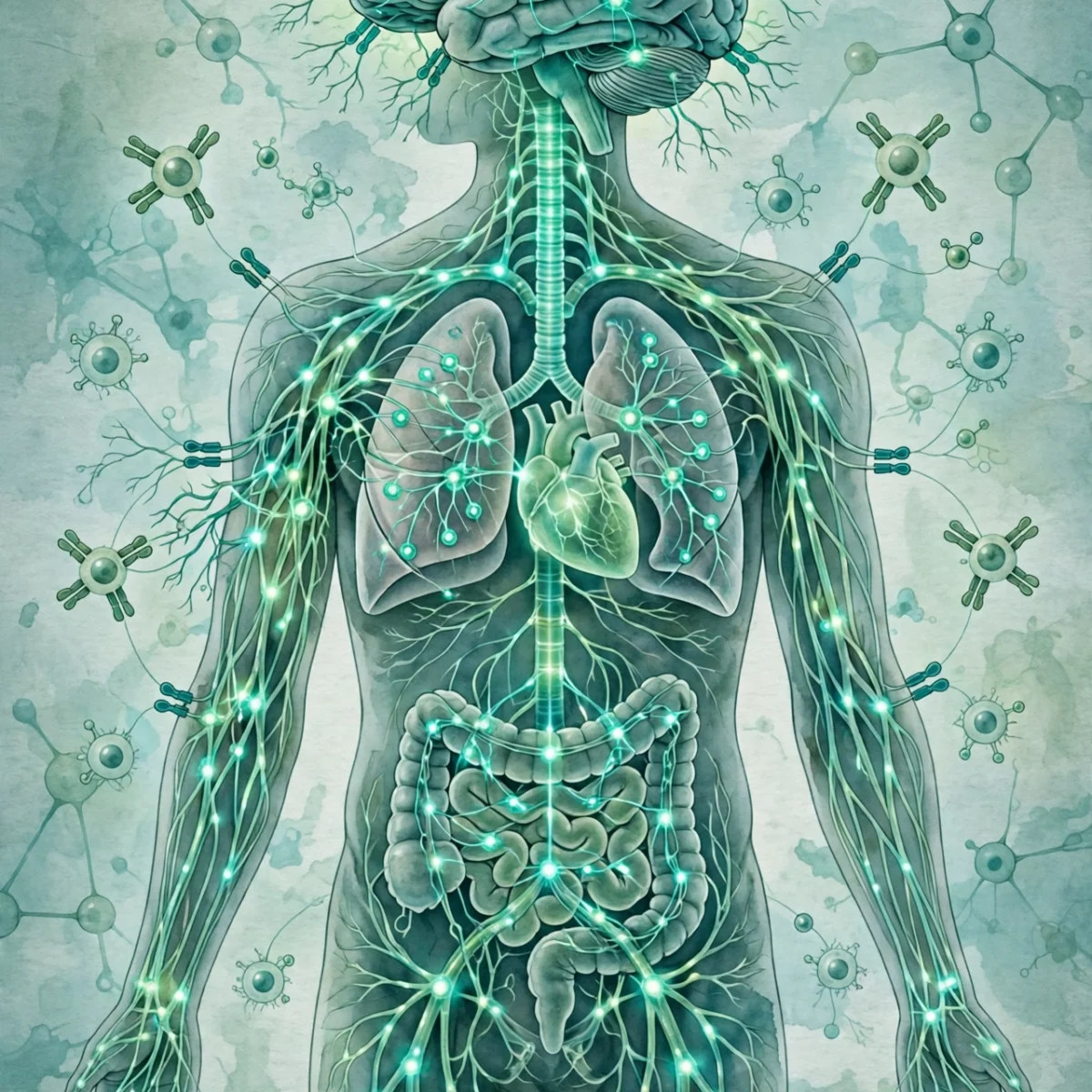
CBD oil is sold everywhere now, from wellness shops to online stores, and it comes up in almost every conversation about sleep, stress, and natural remedies. Yet most people who buy it cannot explain what it actually does inside the body. CBD oil is a liquid extract of cannabidiol, a non-intoxicating compound from the hemp plant, diluted in a carrier oil such as MCT or hemp seed oil. It works indirectly through the body’s endocannabinoid system, supporting the body’s own calming and balancing signals rather than forcing a single effect the way a painkiller does.
If you are considering CBD oil for the first time, this guide answers exactly what is CBD oil and how does it work, in plain language: what it is made of, the science of how it acts on the body, what the research actually supports, how to use it correctly, and the safety facts that vendor marketing usually leaves out.
Key Takeaways
- CBD (cannabidiol) is a non-intoxicating compound from hemp. CBD oil cannot get you high.
- CBD works indirectly. It slows the breakdown of the body’s own calming chemicals, like anandamide, and touches serotonin, pain, and inflammation pathways.
- The strongest evidence is for a prescription CBD medicine used in rare epilepsies. Evidence for consumer CBD for anxiety, sleep, and pain is still developing.
- Sublingual use works fastest (roughly 15 to 45 minutes). Taking CBD with fatty food can multiply absorption several times over.
- CBD is generally well tolerated, but it can interact with some medicines. Talk to a doctor first if you take any regular medication.
Table of Contents
- What Exactly Is CBD Oil?
- How Does CBD Oil Work in the Body?
- What Is the Endocannabinoid System?
- What Are the Different Types of CBD Oil?
- What Does the Research Say CBD Oil Can Do?
- How Do You Use CBD Oil?
- Is CBD Oil Safe? Side Effects and Who Should Avoid It
- 5 Common CBD Oil Myths, Corrected
- Frequently Asked Questions
What Exactly Is CBD Oil?
CBD stands for cannabidiol (chemical formula C21H30O2), one of more than 100 compounds called cannabinoids found in the Cannabis sativa plant. Commercial CBD oil is made from hemp, the low-THC variety of the plant, which is legally distinct from marijuana in many countries.
To make CBD oil, an extract is pulled from the plant’s flowers, leaves, and stems, usually with CO2 or ethanol extraction, the two methods that separate cannabinoids from plant material most cleanly. That concentrated extract is then diluted in a carrier oil such as MCT, olive oil, or hemp seed oil until it reaches a set strength. The carrier oil improves absorption, consistency, and taste.
One common confusion is worth clearing up early: CBD oil and hemp seed oil are not the same thing. Hemp seed oil is pressed from hemp seeds, which contain almost no CBD. It is a fine cooking oil, but it will not do what CBD oil is supposed to do. If a label says “hemp oil” without listing milligrams of CBD, you are probably looking at hemp seed oil, not CBD oil.
How Does CBD Oil Work in the Body?
The most important thing to understand is what CBD does not do. THC, the intoxicating compound in cannabis, locks directly onto CB1 receptors in the brain, which is what produces a high. CBD does not bind to those receptors in that way, and it only binds weakly to CB2 receptors. That is why CBD oil does not cause intoxication, no matter how much you take.
Instead, CBD works indirectly on several systems at once. Its best-understood action is on the body’s own cannabinoid supply. CBD inhibits FAAH (fatty acid amide hydrolase), the enzyme that breaks down anandamide, one of the body’s own endocannabinoids, sometimes nicknamed the “bliss molecule.” With less FAAH activity, more anandamide stays active for longer, which is one reason CBD is studied for mood and stress.
CBD also acts on targets outside the cannabinoid system. The World Health Organization’s 2018 review lists the serotonin 5-HT1A receptor (linked to mood and anxiety), TRPV1 channels (involved in pain perception), the GPR55 receptor, and adenosine and glycine signaling among CBD’s known targets. This multi-target action is why researchers describe CBD as a “tuner” rather than a switch: it nudges several body systems toward balance instead of forcing one pathway.
For more on the network CBD interacts with, see the article on the endocannabinoid system.
What Is the Endocannabinoid System?
The endocannabinoid system (ECS) is a body-wide signaling network discovered in the 1990s. It has three main parts: receptors (mainly CB1, concentrated in the brain and nerves, and CB2, concentrated in the immune system), the body’s own cannabinoids (anandamide and 2-AG), and the enzymes that build and break those compounds down.
The ECS acts as a kind of master regulator. It helps control mood, sleep, pain perception, appetite, immune response, and stress reactions, constantly adjusting those functions to keep the body in balance. When researchers say CBD “supports” the ECS, they mean CBD helps the body’s existing endocannabinoid activity work more effectively, for example by slowing anandamide breakdown, rather than adding a foreign signal.
What Are the Different Types of CBD Oil?
Not all CBD oil is the same. The difference comes down to which plant compounds remain in the extract after processing. There are three standard types:
| Type | What it contains | Best for |
|---|---|---|
| Full spectrum | CBD plus other cannabinoids, terpenes, and trace THC (within legal limits, typically 0.3% or less) | People comfortable with trace THC who want the complete plant profile |
| Broad spectrum | A wide range of cannabinoids and terpenes, but all detectable THC removed | People who want extra plant compounds with zero THC |
| CBD isolate | CBD alone, usually 99% pure, with other plant compounds removed | People who want a pure CBD experience with no THC or other compounds |
You will often see these types discussed alongside the “entourage effect,” the idea that cannabinoids and terpenes work better together than CBD does alone. It is an appealing theory, and full spectrum products are marketed around it, but honest reading of the evidence shows the synergy is still preliminary: human trials have not clearly demonstrated a clinically meaningful advantage. Treat it as an interesting possibility, not a proven fact.
What Does the Research Say CBD Oil Can Do?
Here is where a straight answer matters more than marketing. The evidence for CBD is not one flat line: some uses are strongly supported, others are still being worked out.
| Topic | Best evidence so far | Strength |
|---|---|---|
| Seizures in three rare epilepsies | Large placebo-controlled trials of the prescription medicine Epidyolex, approved for Dravet syndrome, Lennox-Gastaut syndrome, and tuberous sclerosis complex (Devinsky et al., 2017 and 2018) | Strong |
| No high, no abuse potential | WHO 2018 review; a placebo-controlled trial where 600 mg of CBD felt no different from placebo on intoxication scales | Strong |
| General tolerability | Meta-analysis of 12 placebo-controlled trials with 803 people; WHO review | Strong |
| Anxiety in stressful situations | Small placebo-controlled trials, mostly single doses in lab settings (Bergamaschi et al., 2011; Blessing et al., 2015 review) | Moderate |
| Sleep | Several trials report better self-rated sleep, but results are inconsistent (Velzeboer et al., 2022) | Early |
| Joint comfort (topical CBD) | One small trial of a CBD cream for thumb arthritis; animal studies | Early |
Consumer surveys show what people are hoping CBD will do, which is different from proof. In a 2021 survey of 387 CBD users (Moltke and Hindocha), the top reasons were anxiety (42.6%), sleep problems (42.5%), stress (37%), and general well-being (37%). Surveys measure interest, not outcomes, so read them as a map of demand, not of results.
If you try CBD oil for anxiety, sleep, or everyday stress, you are stepping into an area where the science is promising but unfinished. That is a fair reason to be curious, and a fair reason to keep expectations modest.
How Do You Use CBD Oil?
CBD oil is usually taken with the dropper that comes with the bottle. The two common methods work on different timelines:
- Sublingual (under the tongue). Place the measured dose under your tongue and hold it for about 60 seconds before swallowing. This allows absorption through the oral mucosa, and most people feel effects within 15 to 45 minutes. It is the fastest common method.
- Mixed into food or drink. Stirring CBD oil into coffee, tea, or a smoothie is gentler on taste, but the CBD must pass through digestion first, so onset stretches to 30 minutes to 2 hours, similar to an edible.
Two practical facts that most beginner guides skip:
- What you eat with CBD matters a lot. A study by Taylor (2018) found that taking CBD with a high-fat meal increased peak blood concentration about 4.9 times and total absorption about 4.2 times, compared with taking it on an empty stomach. Taking your dose with a meal containing some fat is one of the simplest ways to get more from the same dropper.
- More is not better. In a single-dose crossover trial (Linares et al., 2019), 300 mg of CBD reduced anxiety more than both 150 mg and 600 mg. This inverted-U pattern, where a middle dose outperforms both lower and higher ones, shows up repeatedly in CBD research and undercuts the “take as much as possible” instinct.
There is no universal dose. Clinical trials have tested anywhere from 30 to over 150 mg per day, while typical retail servings deliver 5 to 25 mg. The standard advice from researchers is to start low, stay consistent for a week or two, and adjust gradually while watching how you feel. And when choosing a product, look for third-party lab test results (certificates of analysis), a clear hemp source, and an honest label showing milligrams of CBD per serving. Brands that promise cures are telling you not to trust them.
Is CBD Oil Safe? Side Effects and Who Should Avoid It
CBD is generally well tolerated, according to both the WHO review and a meta-analysis of 12 placebo-controlled trials. In clinical trials, the most common side effects were sleepiness, diarrhea, reduced appetite, and tiredness, mostly appearing at prescription-level doses far above what retail bottles contain. At very high doses (around 700 mg per day and above in epilepsy trials), CBD can raise liver enzymes, so people with liver disease should involve their doctor.
The bigger safety issue is drug interactions. CBD is broken down by the same liver enzymes (CYP3A4 and CYP2C19) as many common medicines, and it can change how those medicines are processed. If you take any regular medication, talk to your doctor before adding CBD. This is the single most important safety point in this guide.
Health regulators are more specific about who should hold off. The UK Food Standards Agency advises that people who are pregnant, breastfeeding, or trying to conceive, and anyone under 18, should not use CBD except under medical direction. The same goes for anyone managing a chronic condition with medication.
Two quick practical notes. First, drug tests: CBD itself is not what tests look for, but full spectrum oils contain trace THC, which on very sensitive tests could register. If your job involves testing, broad spectrum or isolate products remove that variable. Second, legality: in the US, the 2018 Farm Bill made hemp-derived CBD with less than 0.3% THC federally legal, but individual states add their own rules, and UK and EU rules differ, so check your local laws before buying.
Many people reach for CBD as one tool among several for handling everyday pressure. If stress is the reason you are reading this, strategies to improve work-life balance and self-care routines for busy adults cover the habit side of the same problem: better evenings, steadier days, and routines that actually fit a working schedule.
5 Common CBD Oil Myths, Corrected
- “CBD gets you high.” It does not. The high comes from THC acting on CB1 receptors in the brain. In a placebo-controlled trial, 600 mg of CBD felt no different from a placebo on intoxication and mood scales (WHO, 2018).
- “CBD cures everything.” The only CBD medicine approved in the EU is Epidyolex, and only for specific rare epilepsies. No consumer CBD product is approved to treat, cure, or prevent any disease.
- “More is always better.” Trial data shows an inverted-U response: in one anxiety trial, 300 mg outperformed both 150 mg and 600 mg. Follow the product label and resist megadosing.
- “Natural means it cannot interact with anything.” CBD shares liver enzymes with many medicines and can raise their blood levels. Natural does not mean interaction-free.
- “CBD is addictive.” The WHO found no signs of abuse or dependence potential in humans, and CBD-dominant products did not impair driving in a placebo-controlled road trial (Arkell et al., 2020).
Frequently Asked Questions
What is CBD oil and how does it work?
CBD oil is a hemp extract of cannabidiol diluted in a carrier oil. It works indirectly: instead of binding to brain receptors like THC, CBD slows the breakdown of the body’s own calming chemicals (such as anandamide) and influences serotonin, pain, and inflammation pathways through the endocannabinoid system.
Will CBD oil get me high?
No. CBD does not bind to the brain’s CB1 receptors the way THC does, so it produces no intoxication or euphoria. The World Health Organization’s 2018 review found that 600 mg of CBD felt no different from a placebo on intoxication scales. Full spectrum oils contain trace THC, but far too little to cause a high.
How long does CBD oil take to work?
Taken under the tongue, CBD oil typically takes 15 to 45 minutes to take effect. Mixed into food or drink, onset stretches to 30 minutes to 2 hours because the CBD must pass through digestion. Taking CBD with a fatty meal can increase absorption roughly four to five times compared with an empty stomach.
How much CBD oil should I take?
There is no standard dose. Trials have tested 30 to 150 mg or more per day, while retail servings usually deliver 5 to 25 mg. Start with a low dose, stay consistent for one to two weeks, then adjust gradually. Research suggests more is not always better: in one trial, 300 mg outperformed both 150 mg and 600 mg for anxiety.
Is CBD oil safe? What are the side effects?
CBD is generally well tolerated. The most reported side effects are sleepiness, diarrhea, reduced appetite, and tiredness, mostly at high doses. The main risk is interactions with medicines processed by the same liver enzymes. Talk to a doctor first if you take any medication, are pregnant, or are under 18.
Can CBD oil show up on a drug test?
CBD itself is not what standard drug tests screen for, but full spectrum CBD oil contains trace amounts of THC that could register on very sensitive tests. If you are subject to workplace testing, choose broad spectrum or isolate products, which have THC removed, and keep the product’s lab report on hand.
Conclusion
CBD oil is a hemp-derived extract that works by supporting the body’s endocannabinoid system rather than overwhelming it. It cannot get you high, and the science supports some uses strongly while everyday uses like anxiety and sleep are still being studied. Start with a low dose, take it consistently, watch for interactions with any medicines you use, and buy only from brands that publish third-party lab results.
For more practical guides on wellness, technology, and everyday life, keep exploring Digital Geek Spot, where each new article breaks a complicated topic into clear, honest answers.