
When a dog bite causes injury, the first question is usually a legal one: how is liability established in a dog bite case? The short answer is that it depends on where the bite happened. In many US states, the dog’s owner is automatically responsible under a strict liability rule. In others, you have to show the owner was negligent, for example, that they knew the dog was dangerous and did nothing about it. Either way, establishing liability comes down to proving a handful of basic facts: who owned or controlled the dog, that the dog caused the injury, and that common defenses like provocation do not apply. This guide from DigitalGeekSpot walks through the whole process step by step, the evidence that matters most, and the defenses owners typically raise.
How Liability Is Established: The Short Answer
Liability in a dog bite case is established by proving, in plain terms, three things: (1) the defendant owned or had control of the dog, (2) the dog bit or otherwise injured you, and (3) the owner has no valid defense. Which legal rule applies to that proof depends on the state. Roughly half of US states use strict liability statutes that make the owner responsible regardless of the dog’s history. The rest rely on negligence or the traditional “one-bite rule,” where the victim must show the owner knew (or should have known) the dog was dangerous.
In practice, most dog bite claims are settled through the owner’s homeowners or renters insurance rather than at trial, and insurers weigh the same factors a court would, which is why thorough documentation from day one matters so much.
The Two Legal Frameworks: Strict Liability vs. Negligence
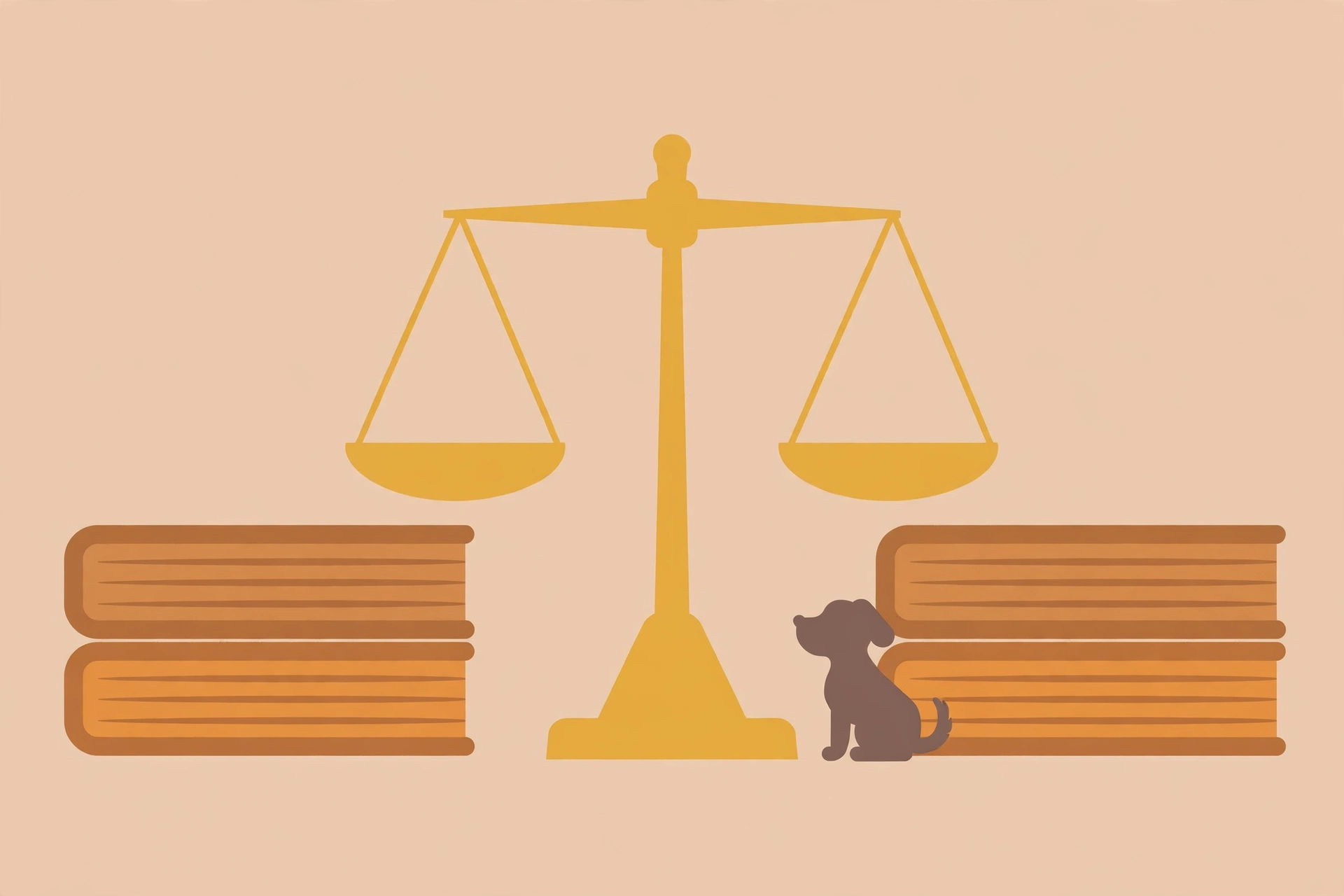
Every US state follows one of two broad approaches to dog bite liability, though the details and exceptions vary widely. Understanding which system your state uses is the single most important factor in how your case works.
Strict Liability States
Under strict liability, the dog owner is legally responsible for injuries the dog causes, period. The victim does not have to prove the owner did anything wrong or that the dog had bitten anyone before. Most strict liability statutes still require the victim to have been lawfully present and not to have provoked the dog, but beyond those exceptions, the owner’s fault is irrelevant.
Negligence and “One-Bite” States
In states without a strict liability dog bite statute, victims typically have to prove the owner was negligent. Negligence means the owner failed to exercise reasonable care, for example, letting a known-aggressive dog run loose, ignoring leash laws, or failing to warn visitors about a dangerous animal.
This is where the famous “one-bite rule” comes in. Historically, courts in these states held that an owner was not liable for a dog’s first bite because there was no reason to know the dog was dangerous, the owner got “one free bite.” The modern version is softer than it sounds: if the owner knew or should have known the dog had dangerous tendencies (prior growling, snapping, lunging, or aggressive incidents), liability can attach even if the dog had never actually bitten anyone. Evidence of the dog’s history is therefore crucial in these states.
| Feature | Strict Liability | Negligence / One-Bite Rule |
|---|---|---|
| Need to prove owner’s fault | No, ownership is enough | Yes, must show negligence |
| Dog’s prior history | Usually irrelevant | Often decisive |
| Provocation defense | Usually a complete defense | Usually a complete defense |
| Trespassing defense | Usually a complete defense | Usually a complete defense |
| Typical burden on victim | Lighter | Heavier, more evidence needed |
Some states mix the two systems: strict liability for bites that happen in public places, but negligence rules for other dog-related injuries (like being knocked over). Because the rules are so location-specific, confirming which law applies in your state is always step one.
The Elements a Victim Usually Has to Prove
Regardless of the framework, establishing liability generally requires proving these elements:
- Ownership or control. Someone owned, kept, or was caring for the dog at the time of the bite. In most states, a temporary “keeper”, a dog sitter, for example, can be held liable just like an owner.
- The dog caused the injury. In disputed cases you may need to show that this particular dog inflicted the bite, photos of the dog, witness statements, and animal control records all help.
- The victim was lawfully present. Most strict liability statutes only protect people who were lawfully on the property, invited guests, delivery workers, meter readers, or anyone in a public place. A trespasser generally cannot rely on these protections.
- No provocation. If the victim provoked the dog, hitting, teasing, or cornering it, most states treat that as a defense that defeats or reduces liability.
- In negligence states: knowledge of danger. The victim must additionally show the owner knew or should have known the dog was dangerous, through prior complaints, animal control reports, or witness accounts of aggression.
How a Dog Bite Claim Is Built, Step by Step
Here is how liability is established in practice, from the moment of the bite to resolution:
- Get medical care first. Health comes before paperwork. Medical records also become the foundation of your evidence, documenting the nature and severity of the wounds.
- Identify the dog and its owner. Get the owner’s name, address, and contact information, plus the dog’s breed and description. If the owner is uncooperative, neighbors or animal control can often help.
- Report the bite. File reports with local animal control and, where appropriate, the police. These create official records and trigger rabies-verification procedures in most jurisdictions.
- Document everything. Photograph injuries over time, keep every medical bill and receipt, note lost wages, and save torn clothing or damaged property. (See the checklist below.)
- Gather witnesses. Collect names and contact details of anyone who saw the incident or knows about the dog’s behavior. Memories fade fast, so do this early.
- Preserve the dog’s history. In negligence states especially, look for prior complaints, animal control records, or neighbors who can describe the dog’s temperament.
- Notify insurance. Most claims are paid by the owner’s homeowners or renters insurance. A claim is typically filed against the owner, whose insurer then evaluates liability.
- Consult an attorney. Personal injury attorneys in this area usually offer free consultations and work on contingency, meaning they are paid only if you recover.
Evidence That Matters Most
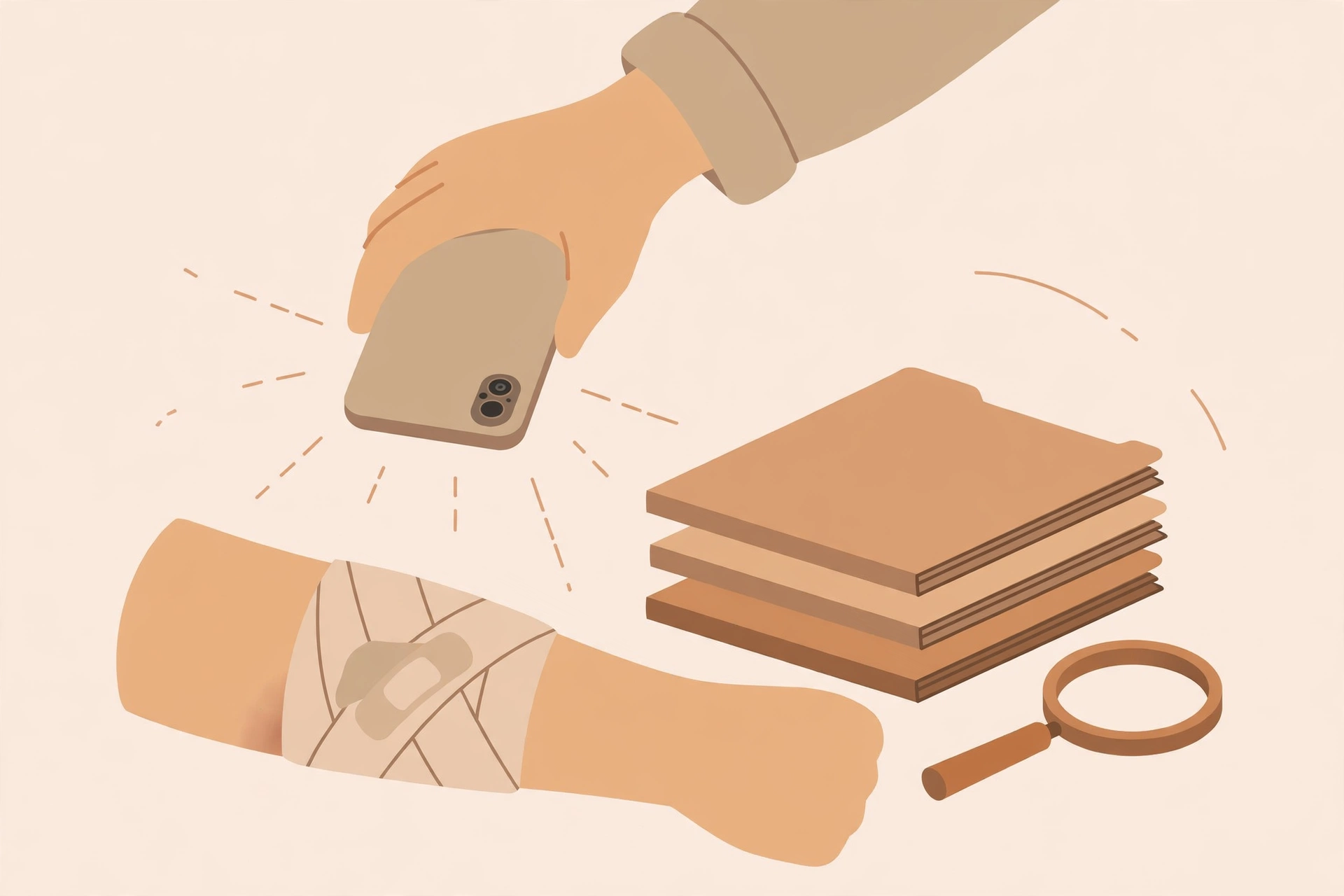
The difference between a strong claim and a weak one is almost always evidence quality. Here is what carries the most weight:
| Evidence | Why It Matters | How to Preserve It |
|---|---|---|
| Medical records | Prove the injury, its severity, and treatment costs | Request copies of every visit, ER report, and prescription |
| Photos and video | Show the wounds, the scene, and the dog | Photograph injuries immediately and as they heal; save with dates |
| Animal control / police reports | Create an official, timestamped record | File promptly and request the report number |
| Witness statements | Corroborate your account and the dog’s behavior | Get written or recorded statements early |
| Dog’s history records | Critical in negligence states for proving knowledge | Request prior complaints from animal control |
| Financial records | Document medical bills, lost wages, and expenses | Keep every receipt, bill, and pay stub |
Common Defenses Dog Owners Use
Knowing the standard defenses helps you see where claims are vulnerable. Owners and their insurers typically raise one or more of the following.
Provocation
The most common defense is that the victim provoked the dog. Courts look at the victim’s actions just before the bite, striking, teasing, cornering, or startling the dog can all qualify. In many states, provocation is a complete defense; in others, it reduces the victim’s recovery under comparative fault rules. Note that what an adult considers provocation may be judged differently when the victim is a small child.
Trespassing
If the victim was trespassing, on the property unlawfully or in an area they had no right to enter, most strict liability statutes do not apply. There are nuances: a child who wanders into a yard, or a person with implied permission (like a mail carrier), is typically not treated as a trespasser.
Comparative Fault and Assumed Risk
In many states, the victim’s own negligence can reduce their compensation, ignoring clear warnings or reaching over a fence, for example. A few states still use the harsher “contributory negligence” rule, where any fault by the victim can bar recovery entirely.
What Dog Bite Victims Should Document
If you or a loved one is bitten, work through this checklist as soon as you are able:
- Photograph the wounds immediately, then again every few days to show healing or scarring.
- Photograph the location, the dog (if safe to do so), and any damaged clothing or property.
- Write down exactly what happened while it is fresh, time, place, what the dog did, what you did.
- Save every medical document: ER records, prescriptions, follow-up visits, and therapy referrals.
- Track all costs: medical bills, medications, travel to appointments, and missed work.
- Keep a simple pain-and-recovery journal noting symptoms, sleep disruption, and limitations.
- For lasting scars, follow up on treatment options, our guide on when to see a cosmetic dermatologist explains what specialists can address.
Related Articles
- When to See a Cosmetic Dermatologist
- Assessing Water Damage: What to Look For
- How to Clean a Fabric Couch with Baking Soda
Frequently Asked Questions
Who is liable if a dog bites someone, the owner or the person watching the dog?
Usually both can be. Most states hold the owner responsible, but a “keeper”, a sitter, walker, or family member in control of the dog, can also be liable. Landlords are generally not liable for tenants’ dogs unless they knew the dog was dangerous and could have removed it.
What is the “one-bite rule”?
The one-bite rule is the traditional principle, still used in states without strict liability statutes, that a dog owner is liable only if they knew or should have known the dog had dangerous tendencies. Despite the name, the dog does not literally have to have bitten someone before, prior growling, snapping, or lunging can be enough to establish knowledge.
Can I still recover if I provoked the dog?
It depends on the state. In some, provocation is a complete defense that bars recovery; in others, comparative fault rules reduce your compensation in proportion to your share of responsibility.
How long do I have to file a dog bite claim?
Every state has a statute of limitations, a deadline for filing a lawsuit, typically ranging from one to three years for personal injury, though it varies. Missing the deadline usually means losing the right to sue entirely, so do not wait to look into your options. Insurance claims should be started much sooner, while evidence is fresh.
Does homeowners insurance cover dog bites?
In most cases, yes. Dog bite liability is typically covered under the personal liability portion of a homeowners or renters insurance policy, and the majority of dog bite claims are paid by insurers rather than out of the owner’s pocket. Some policies exclude certain breeds or dogs with a bite history, which is one reason identifying the owner and their coverage early matters.
Conclusion
Establishing liability in a dog bite case comes down to a clear sequence: identify the owner or keeper, determine whether your state uses strict liability or negligence rules, prove the basic elements (ownership, causation, lawful presence, no provocation), and back it all up with solid documentation. Most claims never reach a courtroom, they are resolved through insurance, but the same evidence wins in both settings. If you have been bitten, prioritize medical care, report the incident, document everything, and speak with a local attorney who knows your state’s specific rules.
This is general information, not legal advice; consult a licensed attorney.