Instagram Reels vs TikTok is the defining platform choice for new short-form video creators. Both platforms run on vertical video, both reward watch time and engagement, and both can build a real audience from scratch. But they differ in who is watching, how content gets discovered, and how creators eventually earn from their work. This comparison breaks down the audience, the algorithms, the monetization paths, and the practical question of repurposing content, so you can decide where to focus your energy first.
There is no single right answer. Some creators thrive by going all in on one platform, while others use both strategically. The best choice depends on your niche, your goals, and the kind of relationship you want with your audience. Let us compare the two platforms honestly, section by section.
Audience: who is watching where
TikTok’s audience skews younger and discovery-driven. Many TikTok users open the app specifically to find new creators and new ideas, which makes the platform unusually welcoming to unknown accounts. The culture rewards authenticity and experimentation, and content that feels raw or spontaneous often performs as well as polished productions. If your niche thrives on trends, humor, or rapid-fire education, TikTok’s audience is primed for it.
Instagram’s audience is broader in age and more relationship-driven. Many Reels viewers follow creators they already know from the main feed or from stories, and the platform’s culture leans slightly more polished and aesthetic. That does not mean casual content fails on Reels, but the audience tends to reward consistency and visual quality a bit more. Instagram users also engage with brands and businesses more naturally, which matters if your long-term goal involves sponsorships or selling products.
Overlap between the two audiences is large, but the mindset differs. TikTok viewers often behave like explorers, while Instagram viewers behave more like followers of people they already like. For a new creator, TikTok can feel easier for raw discovery, while Instagram can feel better for building a durable personal brand that extends beyond short video.
Discovery and algorithm differences
Both platforms use recommendation systems that show content to people based on their interests rather than just their follows, but the emphasis differs. TikTok’s For You feed is famously aggressive about surfacing unknown creators. A strong video from a zero-follower account can reach a wide audience quickly, which is why TikTok has a reputation as the fastest place to grow from nothing. Our beginner playbook on how to grow on TikTok from zero explains exactly how to take advantage of that discovery engine.
Instagram Reels also has a discovery feed, the Reels tab and Explore page, but Instagram weighs existing relationships and account history more heavily. New accounts can absolutely break through on Reels, yet growth often compounds a little more slowly at the start and accelerates as your follower base and engagement history build. On the other hand, Instagram gives you more surfaces for discovery: the feed, stories, Explore, hashtags, and now deeper search, which means a single piece of content can find viewers in more ways.
Search behavior is another meaningful difference. Instagram has invested heavily in making its content searchable, with keyword search and SEO-style discovery that rewards well-captioned, clearly titled Reels. TikTok also has search, and younger audiences increasingly use it like a search engine, but TikTok discovery remains dominated by the For You feed. If your content answers specific questions, Instagram’s search surface can become a steady source of views over time.
Monetization paths on each platform
Monetization is where new creators should think in terms of paths, not promises. Both platforms offer several ways to earn, but the requirements and realistic timelines differ, and income is never guaranteed. Treat everything below as a map of what is possible, not a forecast of what you will earn.
On TikTok, the main built-in paths include the creator rewards or creativity programs in supported regions, live stream gifts, and the TikTok Shop affiliate ecosystem for creators who want to recommend products. Brand sponsorships also play a major role once an account has a defined niche and engaged audience. TikTok’s strength for monetization is reach: viral-style distribution can build the audience numbers that attract brand deals relatively quickly.
On Instagram, the built-in paths include bonuses and ad-revenue programs where available, subscriptions for exclusive content, badges during live videos, and affiliate-style shopping features. Instagram’s deeper advantage is its mature brand ecosystem. Businesses have advertised on Instagram for years, so creators with a professional-looking profile and a clear niche often find sponsorship conversations easier to start, even with modest follower counts.
The honest summary: TikTok tends to offer faster audience growth, which can lead to faster visibility-based income, while Instagram tends to offer a warmer environment for brand deals and diversified income like subscriptions and product sales. Many successful creators eventually use both, building reach on TikTok and converting loyal followers on Instagram.
Content repurposing: one video, two platforms
You do not have to choose just one platform forever, and you definitely do not have to create every video twice. Smart repurposing lets you publish on both platforms from a single production session. The simplest workflow is to film and edit your video in a neutral editor, without platform watermarks, then upload the clean file to both TikTok and Instagram natively.
Native uploads matter. Both platforms can deprioritize content that carries a competitor’s watermark, so avoid downloading a TikTok with its watermark and reposting it to Reels, or vice versa. Instead, keep a master copy of each video on your phone or computer and upload it fresh to each app. Add platform-specific captions and hashtags at upload time, since caption styles and hashtag culture differ slightly between the two.
Small tweaks can improve cross-platform performance. TikTok audiences tolerate, and often prefer, rougher cuts and trending sounds, while Reels audiences may respond better to slightly cleaner edits and on-screen text that survives muted autoplay. You can also stagger your posting: publish on one platform first, watch the early response, and adjust the caption or hook before posting to the other.
Repurposing also extends beyond the two platforms. A strong short video can be expanded into a longer tutorial, a carousel post, or a newsletter segment. If you want tools to speed up this workflow, our roundup of the best AI video generator tools and the best free AI tools cover options for editing, captioning, and repurposing content without a big budget.
Creative tools and editing workflow
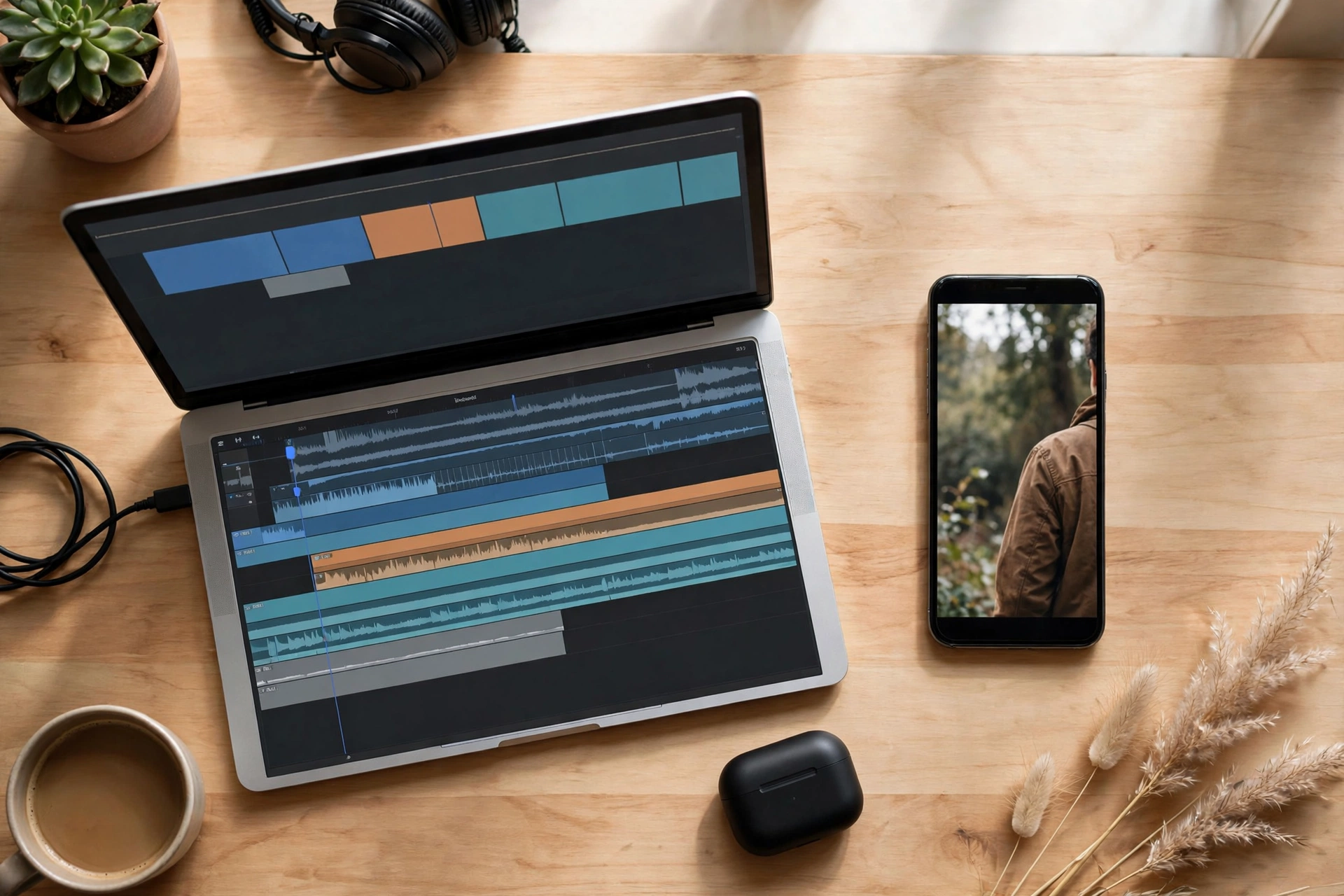
Both platforms ship capable in-app editors, and each has strengths. TikTok’s editor is built for speed: trending effects, sounds, and templates are integrated directly, which makes jumping on trends fast and frictionless. If your strategy leans on trends and rapid iteration, editing inside TikTok is often the most efficient choice.
Instagram’s editor has matured considerably and integrates smoothly with the rest of the Instagram ecosystem, including drafts that sync across devices and easy cross-posting to stories. Many creators prefer editing in a third-party app for full control, then uploading the finished file to both platforms. This neutral workflow is the cleanest way to keep quality high and watermarks off your content.
Whichever editor you choose, keep a consistent technical baseline: vertical 9:16 format, clear audio, and readable on-screen text in the safe zone away from the platform’s interface overlays. Both platforms compress uploads, so exporting at high quality from your editor gives the final post the best possible starting point.

Which platform should a new creator choose first
If your primary goal is the fastest possible audience growth from zero, TikTok is usually the stronger first pick. Its discovery engine gives new accounts more shots at wide reach, and the culture rewards experimentation, so you can test ideas quickly and learn what works. This is especially true for entertainment, humor, education, and trend-driven niches.
If your primary goal is building a professional brand, attracting sponsors, or selling products and services, Instagram is often the better home base. The profile functions like a mini website, with highlights, links, and a grid that showcases your work. Followers on Instagram also tend to convert better into email subscribers and customers, because the platform is built around ongoing relationships rather than one-off viral moments.
Consider your content style too. If you love polished visuals, photography, and aesthetic storytelling, Instagram’s culture will feel natural. If you prefer talking to the camera, reacting to trends, and posting frequently without overthinking production, TikTok will feel like home. The platform that matches your natural style is the one you will stick with, and sticking with it is what actually drives growth.
And remember, “first” does not mean “only.” A common and effective strategy is to pick one primary platform for 90 days, build a content habit and an initial audience there, then repurpose your best-performing videos to the second platform. By then you will know which formats work, which makes the expansion much easier.
Running both platforms without burning out
Managing two platforms sounds like double the work, but with repurposing it is closer to one and a quarter times the work. The key is a single content pipeline: one idea list, one filming session per batch, one editing pass, then native uploads to each platform with tailored captions. Batching is your best friend. Film four or five videos in one session, edit them over the next day or two, and schedule or drip them out across the week.
Set clear priorities to avoid burnout. Decide which platform is primary and give it your best ideas and freshest energy. The secondary platform gets repurposed versions and slightly less attention, and that is fine. You can always rebalance later if the secondary platform starts outperforming. Trying to give both platforms equal, maximum effort from day one is the fastest route to quitting both.
Track what matters on each platform separately. A video that flops on TikTok might take off on Reels, and vice versa, because the audiences and discovery systems differ. Keep simple notes on which topics and formats work where, and let each platform’s analytics guide its own content mix. Over time, you may find that certain series live naturally on one platform while others belong on the other.
For broader platform strategy, the DigitalGeekSpot homepage features regularly updated guides on social media growth, content creation tools, and digital trends to support your creator journey.
Frequently asked questions
Is it better to start on TikTok or Instagram Reels as a new creator?
It depends on your goal. TikTok generally offers faster discovery for brand new accounts, making it the stronger pick if rapid audience growth is the priority. Instagram Reels is often better if you want a professional brand presence, easier sponsorship conversations, or a profile that converts followers into customers. Many creators start with one for 90 days and expand to the other.
Can I post the same video on TikTok and Instagram Reels?
Yes, and most multi-platform creators do. Upload a clean, watermark-free master copy to each platform natively rather than reposting a download that carries the other platform’s watermark. Tailor the caption and hashtags for each platform, and consider small edits, like pacing or on-screen text, to match each audience’s preferences.
Which platform pays creators more?
There is no universal answer, because earnings depend on your niche, audience size, engagement, region, and the specific programs you qualify for. Both platforms offer built-in monetization programs, and both support brand sponsorships, which are often the largest income source for mid-size creators. Compare the available programs in your region and treat sponsorships as the long-term goal on either platform.
Do I need different content strategies for Reels and TikTok?
The core strategy is the same on both: pick a clear niche, hook viewers in the first seconds, post consistently, and study your analytics. The differences are in emphasis. TikTok rewards trend participation and rapid experimentation, while Instagram rewards polish, search-friendly captions, and content that fits a cohesive profile grid and brand.
Will posting on both platforms hurt my reach on either?
No, as long as you upload natively to each platform with clean files. Posting the same video on both platforms does not penalize you. What can hurt reach is uploading videos with a competitor’s watermark or posting identical captions without adapting to each platform’s culture. Treat each upload as its own post and you will be fine.