If you are choosing a new racket sport, the tennis vs pickleball debate is worth understanding before you buy gear or book a court. Tennis is the classic global sport with deep strategy and a demanding learning curve, while pickleball is the fast-growing newcomer famous for being easy to pick up and social from day one. Both deliver great exercise, but they differ in cost, intensity, and the kind of community you will find around them.
This guide compares tennis and pickleball across the factors that matter most to beginners: how hard each is to learn, what it costs to start, how demanding it is on your body, and what the social scene looks like. By the end, you will have a clear sense of which sport fits your lifestyle, or whether you might enjoy trying both. You can also browse more guides on the DigitalGeekSpot homepage.
Tennis vs Pickleball at a Glance
Here is a quick side-by-side overview before we dig into the details. Think of this as the short version; each row gets a fuller explanation below.
| Factor | Tennis | Pickleball |
|---|---|---|
| Court size | Large: 78 by 36 feet for doubles | Compact: 44 by 20 feet, similar to a badminton court |
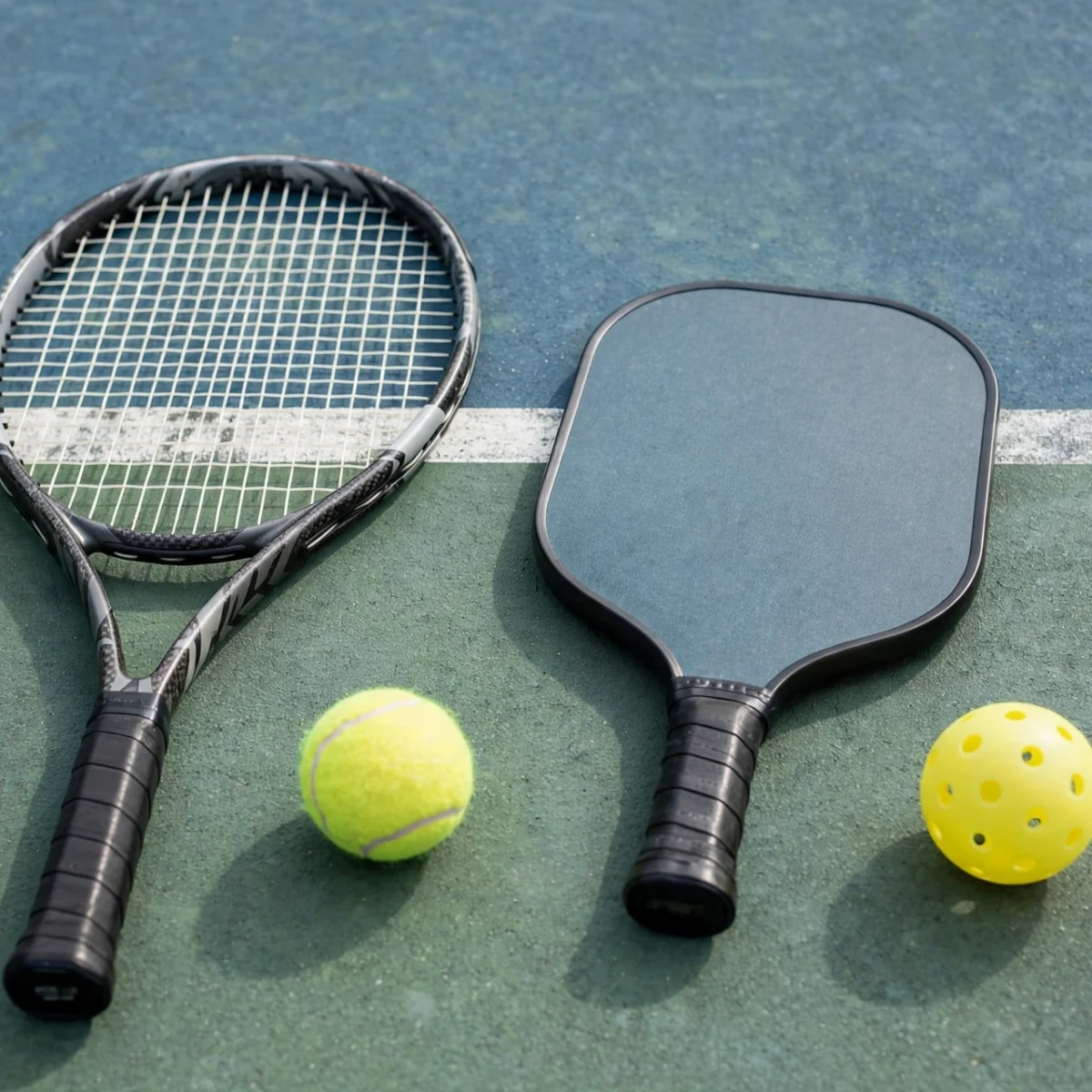
| Equipment | Strung racket and felt balls | Solid paddle and perforated plastic ball |
| Learning curve | Steeper; rallies take weeks or months | Gentler; rallies possible in the first session |
| Startup cost | Generally higher | Generally lower |
| Physical demand | More running, higher impact | Quicker reactions, lower impact |
| Typical format | Singles and doubles, club leagues | Mostly doubles, open community play |
| Social vibe | Club-based, structured | Casual, welcoming, all ages |
The Equipment and the Court
The differences start with what you hold and where you play. A tennis racket is relatively large and strung, designed to generate power and spin on a fast-moving felt ball. A pickleball paddle is smaller, solid-faced (no strings), and used to hit a lightweight perforated plastic ball that travels more slowly through the air. That slower ball is a big reason pickleball feels manageable so quickly: you simply have more time to react.
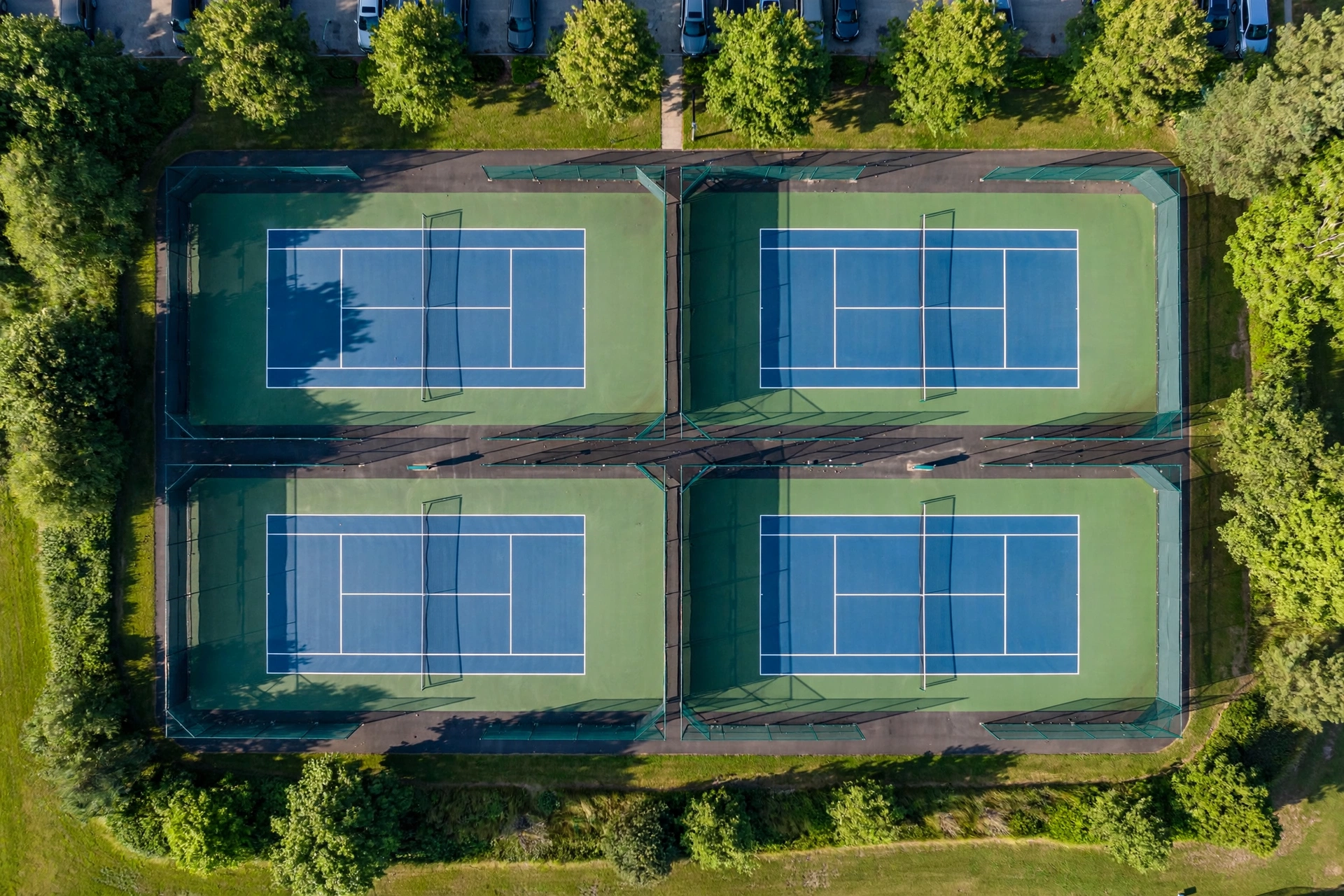
Court size shapes the whole experience. A doubles tennis court measures 78 feet long by 36 feet wide, which means a lot of running to cover your half. A pickleball court is 44 by 20 feet, roughly a quarter of the area. Less ground to cover means shorter sprints, quicker points, and a game that stays engaging even if your cardio is still a work in progress.
Pickleball also has a distinctive feature called the non-volley zone, nicknamed the kitchen: a seven-foot area on each side of the net where you cannot hit the ball out of the air. This rule prevents players from dominating at the net and keeps rallies going, which is part of why beginners find the game so fun so fast. Tennis has no equivalent; net play there is a specialized skill that takes time to develop. If you want to understand pickleball’s rules in more detail, our beginner guide to pickleball rules for beginners walks through scoring and the kitchen rule step by step.
Learning Curve: Which Is Easier to Pick Up?
For most beginners, pickleball is the easier sport to start. The underhand serve is simple and forgiving, the smaller court keeps the ball in reach, and the slower ball gives you time to think. It is common for first-timers to sustain real rallies within their first hour of play. That quick success is motivating, and it explains much of the sport’s explosive growth among adults trying a racket sport for the first time.
Tennis asks more of you upfront. The overhand serve alone is a complex motion that can take weeks to feel natural, and generating a reliable rally requires footwork, timing, and stroke mechanics working together. Beginners often spend their first sessions chasing balls and rebuilding rallies, which can be frustrating without patient coaching or a similarly skilled partner. The payoff for sticking with it is a sport of remarkable depth, but the entry ramp is undeniably steeper.
That said, difficulty is not the same as suitability. Some beginners thrive on a challenge and enjoy the process of mastering a technical sport. If the idea of grooving a topspin forehand over months of practice excites you, tennis will reward that patience. If you want to be playing real, enjoyable games within days, pickleball is the smoother on-ramp.
Lessons help in both sports, but they matter more in tennis. A few group lessons early on can prevent bad habits in your serve and groundstrokes that become hard to unlearn. In pickleball, many players learn the basics from friends or community open-play sessions and only seek coaching later if they want to compete.
Cost Comparison: Getting Started and Staying in the Game
Pickleball is generally the cheaper sport to start. Beginner paddles are affordable, balls are inexpensive, and many communities offer free public courts in parks. Because the gear is simple, you can be fully equipped for casual play without a big upfront spend. Even court shoes are the main apparel consideration; beyond that, comfortable athletic clothes are enough.
Tennis tends to cost more at every stage. Beginner rackets cost more than beginner paddles, felt balls wear out and need replacing, and restringing a racket is a recurring expense once you play regularly. Court access is the bigger factor: while public tennis courts exist in many areas, clubs with leagues, lessons, and well-maintained surfaces usually charge membership or hourly fees that add up over a season.
Ongoing costs follow the same pattern. Tennis players who take regular lessons, the most effective way to improve, will spend more than pickleball players who learn through open play. Neither sport requires luxury spending to enjoy, but if budget is a deciding factor, pickleball has the clear edge for keeping costs low.
One cost both sports share is footwear. Court shoes with good lateral support protect your ankles during the quick side-to-side movements both games demand. Running shoes, designed for forward motion, are a poor substitute. If you are gearing up for either sport, proper court shoes are the single most worthwhile purchase.
Fitness Demands: Workout Intensity and What Your Body Feels
Tennis is the more physically demanding of the two. Covering a full-size court means repeated sprints, sudden stops, and long rallies that tax your legs and lungs. Singles tennis in particular is an excellent cardiovascular workout, and even doubles involves far more running than most beginners expect. That intensity is great for fitness, but it also means tennis asks more of your joints, especially knees, ankles, and the shoulder and elbow on your racket arm.
Pickleball is lower impact by design. The smaller court means shorter movements, and the slower ball reduces the violent swings that stress shoulders and elbows. Many players describe it as easier on the body while still providing a solid workout: you will move constantly, react quickly, and finish a session pleasantly tired rather than exhausted. This gentler profile is a major reason the sport has attracted so many older adults and people returning to activity.
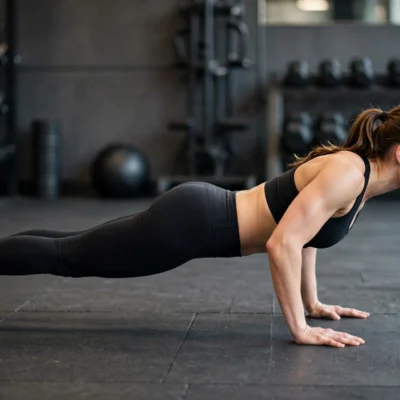
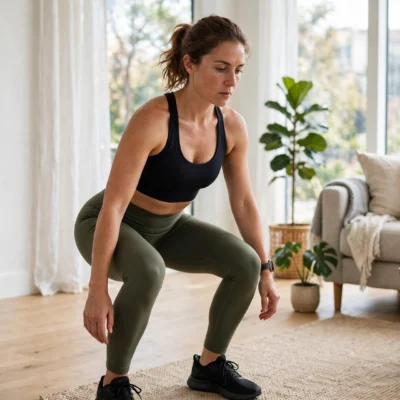
Neither sport is risk-free. Both involve quick lateral movements that can strain ankles and knees, and both reward a proper warm-up: five to ten minutes of light movement, leg swings, and arm circles before play. Building some off-court strength helps too; bodyweight basics like squats and push-ups support the joints through a long season. Fueling matters on match days as well, so check our guide on what to eat before a workout for simple pre-game nutrition ideas.
The Social Side: Community, Doubles, and Finding Partners
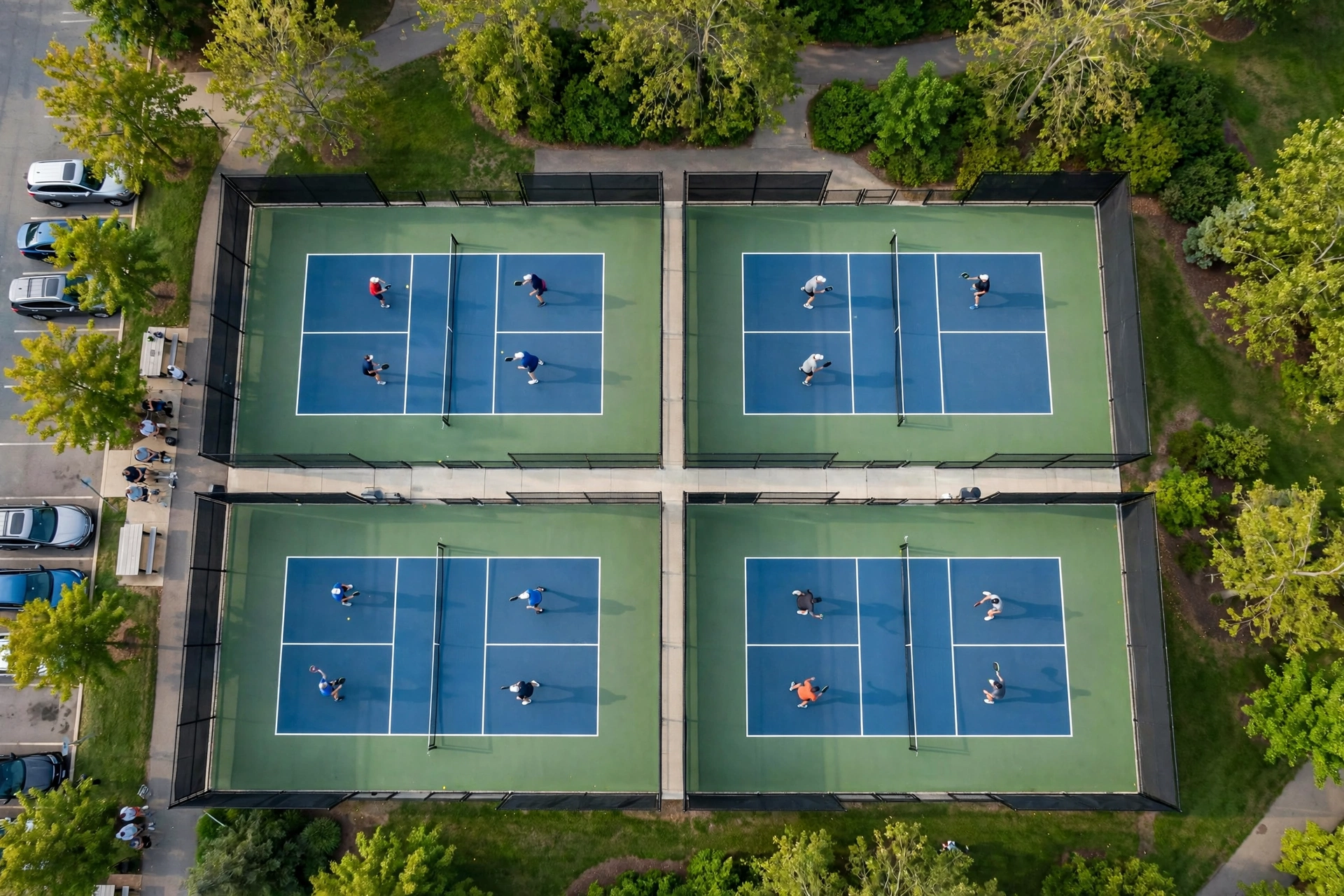
Where pickleball truly shines for many beginners is the social experience. The sport is overwhelmingly played as doubles, games are short, and the culture of open play, where you rotate in with whoever is waiting, makes it easy to meet people. Skill levels mix comfortably because the game stays fun across a wide range of ability. Walk into a community pickleball session as a newcomer and you will usually be welcomed into games within minutes.
Tennis has a strong social scene too, but it tends to be more structured. Clubs run leagues, ladders, and round-robins organized by skill level, which is wonderful once you are plugged in but can feel intimidating before you have a reliable game. Finding a hitting partner at your level takes more effort, and singles, the purest form of the sport for many, is a solitary pursuit by nature.
Think about what motivates you. If you are looking for a ready-made community and a sport where the social hour is half the point, pickleball’s open, all-ages culture is hard to beat. If you prefer structured competition, enjoy the ritual of club life, or love the idea of testing yourself one-on-one, tennis offers a deeper competitive ladder to climb.
Which Should You Try? A Simple Decision Guide
Still undecided? Run through these prompts honestly and see where you land.
Choose pickleball if: you want to play real games within your first week; you prefer a casual, social atmosphere; you are managing joint concerns or returning to sport after time off; you want the lowest startup cost; or you like the idea of doubles strategy and quick reflexes over long sprints.
Choose tennis if: you are drawn to mastering a deep, technical skill; you want the most intense workout of the two; you enjoy structured competition like leagues and tournaments; you like the tradition and global culture of the sport; or you already have decent fitness and want a bigger physical challenge.
Try both if: you have access to courts for each and a few free weekends. Many players enjoy both, using pickleball for social sessions and tennis for a harder workout. The hand-eye coordination transfers surprisingly well between them, and sampling both is the only way to know which one makes you look forward to the next session.
Whichever you choose, commit to the basics for your first month: proper court shoes, a few sessions to learn the rules, and at least one playing partner or group at your level. Supplementing with off-court fitness will keep you playing longer; our guide to home workouts without equipment has simple routines that build the strength both sports reward.
Frequently Asked Questions
Is pickleball easier than tennis for complete beginners?
Generally, yes. The underhand serve, slower ball, and smaller court mean most beginners can rally and play real games in their first session. Tennis requires more upfront work on the serve, footwork, and stroke mechanics before rallies feel natural. Easier does not mean less fun, though; both sports stay challenging as you improve.
Can a tennis player switch to pickleball easily?
Tennis players usually adapt quickly to pickleball because their strokes, footwork, and court sense transfer well. The main adjustments are softening the swing for the slower ball, learning the non-volley zone rule, and getting used to the underhand serve. Many tennis players pick up competitive pickleball within a few sessions.
Which sport gives you a better workout, tennis or pickleball?
Tennis, particularly singles, is the more intense workout because of the larger court and longer rallies. Pickleball still provides solid moderate exercise with constant movement and quick reactions, and longer sessions can add up. For pure calorie burn per hour, tennis has the edge; for sustainable, joint-friendly activity you will actually keep doing, many people prefer pickleball.
Do I need lessons to start playing tennis or pickleball?
Lessons are highly recommended for tennis, where the serve and stroke mechanics benefit greatly from early coaching. For pickleball, many beginners learn successfully through friends, community open play, and online beginner guides, then take lessons later if they want to compete. Either way, a single introductory clinic can shortcut weeks of trial and error.
What should I wear to play tennis or pickleball?
Comfortable athletic clothing that allows free movement works for both. The one non-negotiable is court shoes with lateral support, since both sports involve quick side-to-side movement that running shoes are not designed for. Bring water, and for outdoor play, sun protection is wise for either sport.
Related Articles
- Pickleball Rules for Beginners: master scoring, serving, and the kitchen rule before your first game.
- How to Start Running for Beginners: build the cardio base that powers long tennis rallies.
- What Is Zone 2 Training?: learn the easy aerobic zone behind lasting endurance.
- What to Eat Before a Workout: simple fueling ideas for match days and training sessions.