

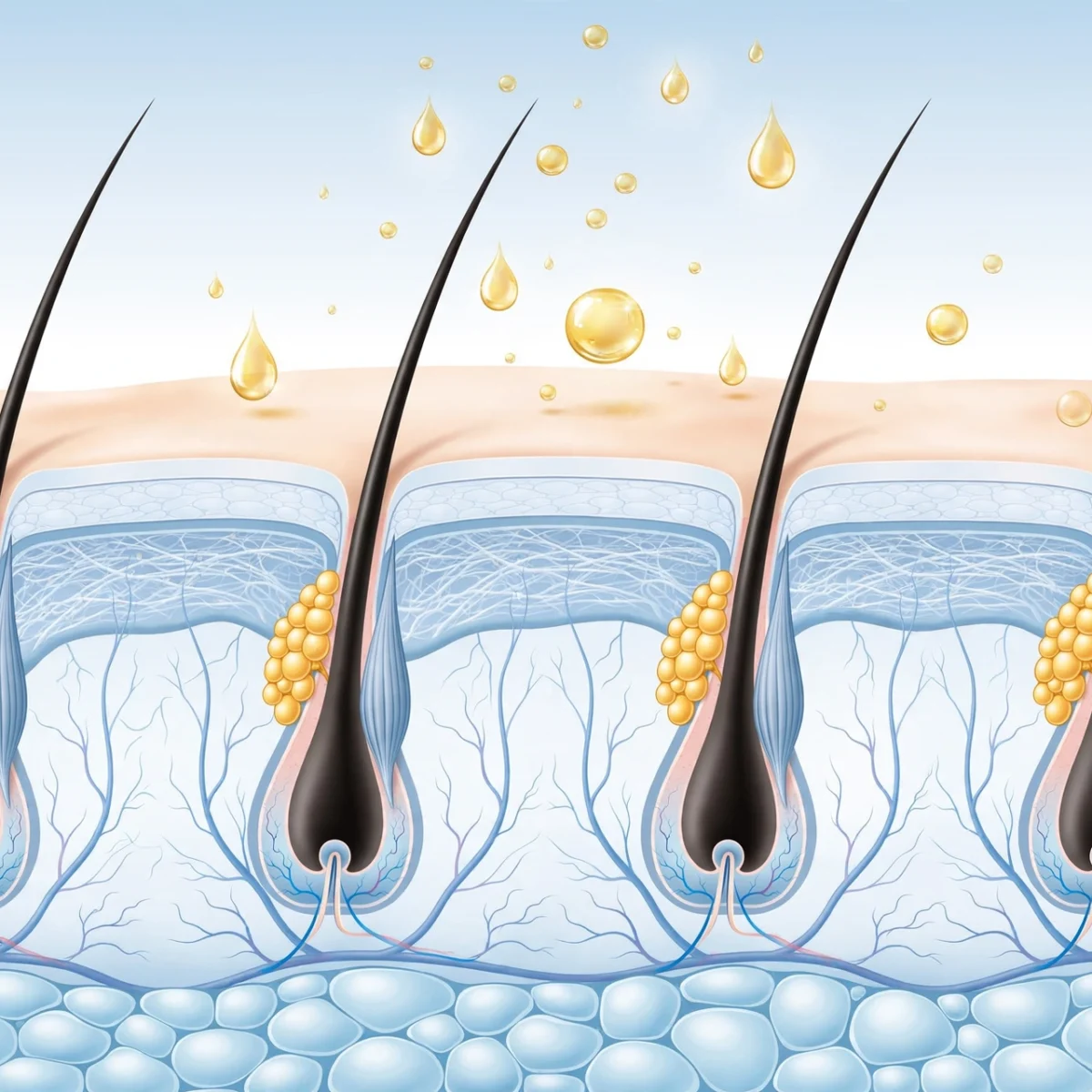
Quick answer: PRP (platelet-rich plasma) is a concentrate made from your own blood that is rich in platelets and growth factors. In hair transplants, surgeons use it to support healing, improve graft survival, and encourage thicker regrowth around transplanted follicles. It is a promising add-on, not a standalone cure for baldness, and the evidence, while encouraging, is still developing. Below is the full picture: what PRP is, how the procedure works step by step, what it realistically costs, the risks, and who is actually a good candidate.
What Is PRP?
PRP stands for platelet-rich plasma. Your blood has four main components: red blood cells, white blood cells, platelets, and plasma. Platelets are best known for clotting, but they also release growth factors, proteins that signal tissues to repair and regenerate.
PRP is simply your own plasma with platelets concentrated to several times their normal level. Because it comes from your own body (autologous), the risk of allergic reaction is extremely low. Doctors have used PRP for years in sports medicine (tendon injuries), dentistry, and wound healing before hair restoration clinics adopted it.
In hair treatment, the idea is straightforward: growth factors in concentrated platelets may stimulate dormant hair follicles, extend the growth phase of the hair cycle, and improve blood supply to the scalp, creating a better environment for both transplanted and existing hair.
Why Surgeons Combine PRP With Hair Transplants
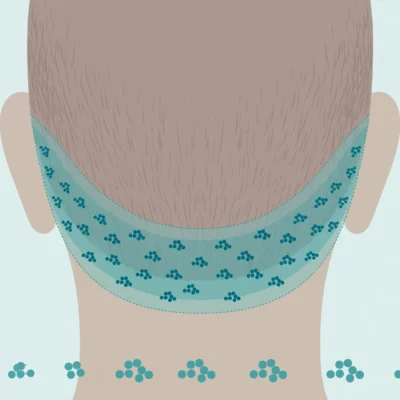
A hair transplant moves healthy follicles from a donor area (usually the back of the scalp) to thinning or bald regions. The grafts go through a stressful journey: they are extracted, kept outside the body, then implanted into tiny recipient incisions. Not every graft survives, and healing quality affects the final result.
Surgeons add PRP for several practical reasons:
- Better graft survival: Storing or soaking grafts in PRP before implantation is believed to keep follicles healthier during the critical out-of-body window.
- Faster healing: PRP’s growth factors may speed wound healing at both the donor and recipient sites, reducing scabbing time.
- Stimulating existing hair: Injected into thinning areas around the transplant, PRP may strengthen miniaturizing (weakening) native hairs that were not transplanted.
- Earlier growth: Some surgeons report transplanted hair entering the growth phase sooner with PRP, though this varies by patient.
The role of the donor area in hair transplantation matters enormously here too: PRP cannot create new donor hair. A great result still depends on having enough healthy donor follicles to redistribute in the first place.
The PRP Hair Transplant Procedure: Step by Step
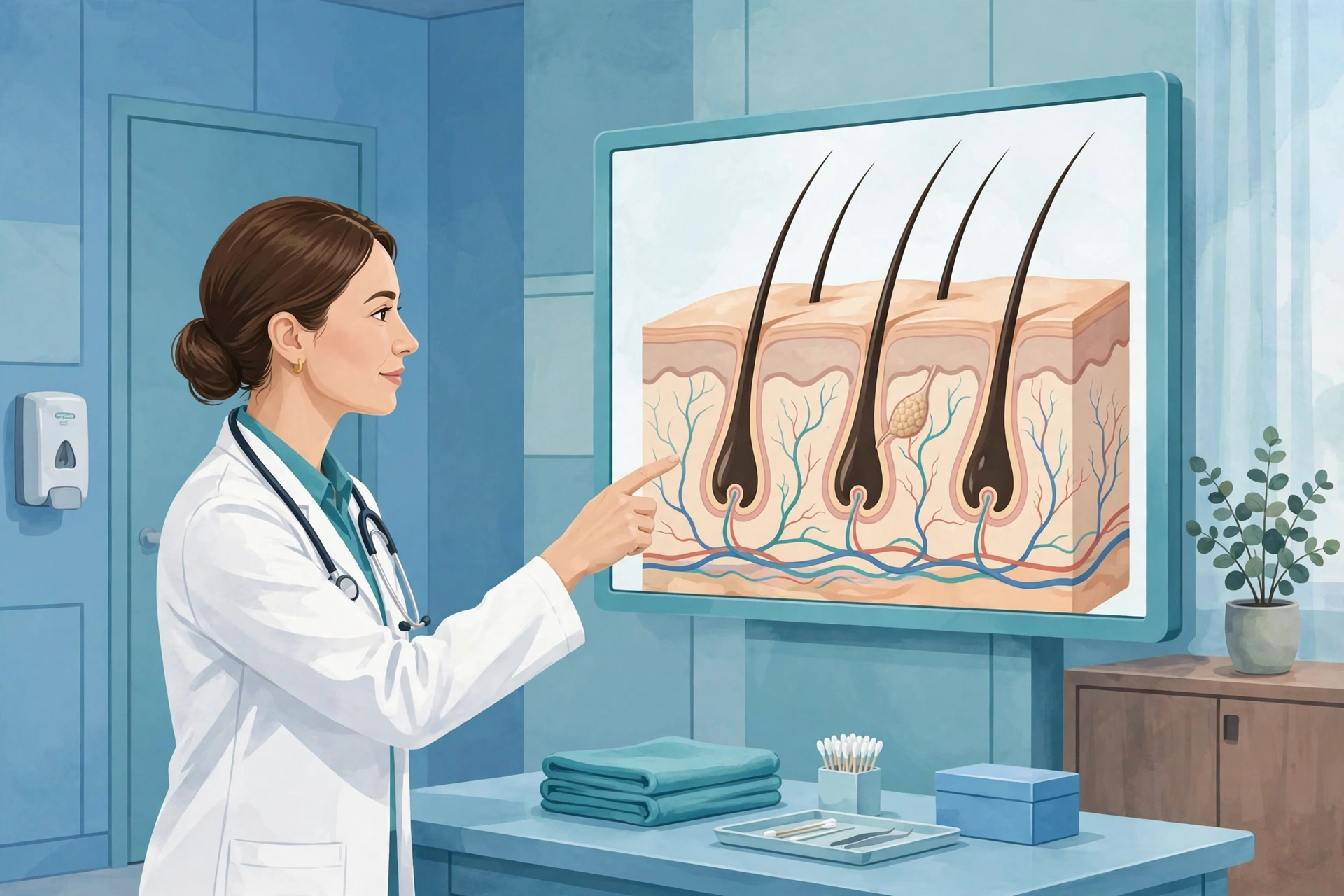
PRP is usually done on the same day as the transplant, either before, during, or after graft placement. Here is what the process looks like:
- Blood draw: A nurse draws a small amount of your blood, typically 30 to 60 ml (a few tablespoons), similar to a routine blood test.
- Centrifugation: The blood goes into a centrifuge, which spins it fast enough to separate components by density. Red blood cells sink to the bottom, platelet-poor plasma rises to the top, and the platelet-rich layer sits in between.
- PRP extraction: The clinician draws off the platelet-rich layer into a syringe. Some clinics do a double-spin for higher concentration; protocols vary, which is one reason results differ between clinics.
- Scalp preparation: Your scalp is cleaned and a local anesthetic or numbing cream is applied, since scalp injections are uncomfortable without it.
- Injection: Using a fine needle, the surgeon injects PRP across the recipient area and sometimes the donor area, in a grid pattern of small injections. This takes 15 to 30 minutes.
- Integration with grafts: Some surgeons also bathe harvested grafts in PRP or inject it into the recipient sites as grafts are placed.
- Aftercare: Mild soreness, redness, or pinpoint bleeding at injection sites is normal for a day or two. Most patients return to normal activity within 24 to 48 hours.
Many clinics recommend a series of PRP sessions, often 3 to 4 treatments spaced a month apart, then maintenance sessions every 6 to 12 months, to support both transplanted and native hair over time.
Evidence and Limitations: An Honest Look
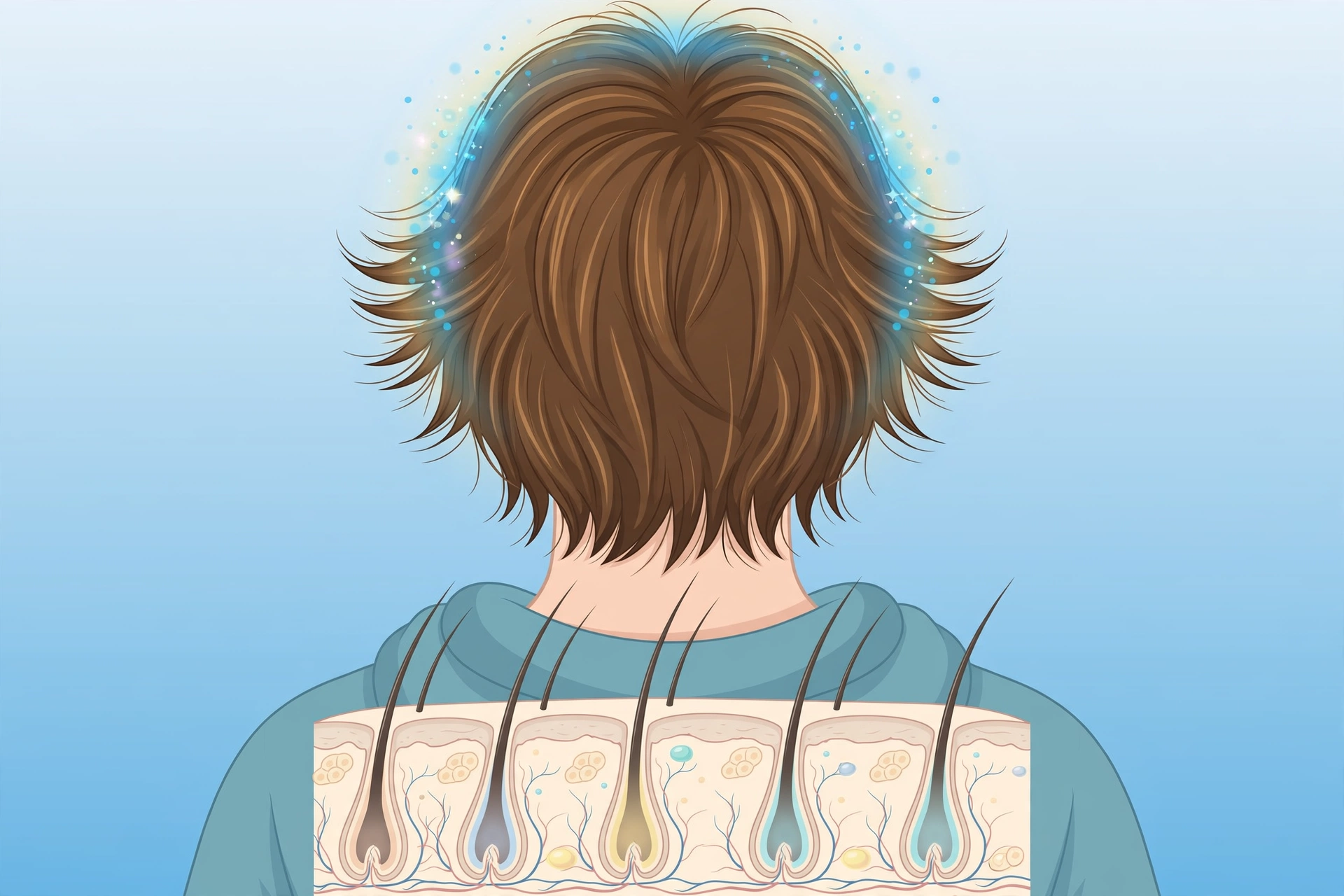
This is the section most marketing skips. Here is what we can say fairly in 2026:
- Encouraging but not conclusive: Multiple small studies and reviews report improved hair density, thicker hair shafts, and better graft survival when PRP is added to transplant protocols. Most researchers describe the evidence as promising rather than definitive.
- Small sample sizes: Many published studies involve dozens of patients, not hundreds, and follow-up periods are often under two years.
- No standardized protocol: Platelet concentration, spin technique, injection depth, and session frequency vary widely between clinics, making it hard to compare results or guarantee outcomes.
- Not a regrowth miracle: PRP cannot revive follicles that are completely dead, and it will not regrow hair on a fully bald, shiny scalp where follicles have scarred over.
- Works best as a complement: The strongest results appear when PRP supports a well-planned transplant or established medical therapy, not when it is sold as a standalone fix for advanced hair loss.
Bottom line: PRP is a reasonable, low-risk add-on with real biological rationale and growing (not yet rock-solid) evidence. Anyone promising guaranteed regrowth is selling, not informing.
PRP for Hair Loss: Costs in 2026
Pricing varies by country, city, and clinic reputation. These are typical ranges, not quotes:
| Setting | Typical cost per session | Notes |
|---|---|---|
| As a transplant add-on | $500 to $1,500 | Often bundled into the transplant package; ask what is included |
| Standalone PRP series | $500 to $2,500 per session | Usually sold as 3 to 4 sessions; package discounts are common |
| Maintenance sessions | $400 to $1,000 | Typically every 6 to 12 months |
A full first year of standalone PRP (initial series plus one maintenance) can realistically cost $2,000 to $6,000 or more. Insurance almost never covers PRP for hair loss because it is considered cosmetic or experimental. Get the full year’s projected cost in writing before you start, and be wary of pressure to prepay for large packages.
Risks and Side Effects
Because PRP uses your own blood, serious complications are rare, but the procedure is not risk-free:
- Common and mild: Scalp tenderness, redness, swelling, and small bruises at injection sites, usually resolving within days.
- Infection: Rare with proper sterile technique, but any injection carries some risk. Choose a clinic with proper medical standards, not a spa or salon.
- Temporary shedding: Some patients notice increased shedding a few weeks after PRP before improvement begins. This can be alarming but is usually temporary.
- No effect: The most common “side effect” is simply not responding. A meaningful minority of patients see little visible change.
PRP is generally not recommended for people with blood disorders, platelet dysfunction, active scalp infections, certain autoimmune conditions, or those on blood thinners, unless their doctor clears it. A proper medical consultation should screen for these before any needles come out.
Who Is a Good Candidate for PRP?
| Good candidates | Poor candidates |
|---|---|
| Early to moderate thinning with living follicles | Completely bald areas with no viable follicles |
| Patients undergoing hair transplant who want to support healing and graft survival | People expecting PRP alone to reverse advanced baldness |
| People with androgenetic alopecia (pattern hair loss) alongside proven treatments | Active scalp infections, psoriasis flares, or open wounds |
| Those with realistic expectations and budget for multiple sessions | Blood disorders or use of anticoagulants without medical clearance |
If your hair loss is driven by a medical condition such as thyroid disease, iron deficiency, or an autoimmune disorder, that underlying cause needs diagnosis and treatment first. This is one reason many hair restoration surgeons work alongside dermatologists: if you are unsure whether your hair or skin symptoms need specialist care, read about when to see a cosmetic dermatologist before booking procedures.
PRP vs Other Hair Loss Options
| Option | What it does | Evidence level |
|---|---|---|
| PRP | Growth-factor boost from your own blood | Promising, still developing |
| Minoxidil | Topical/foam that prolongs the growth phase | Well-established, FDA-approved |
| Finasteride | Oral DHT blocker for pattern hair loss | Well-established, FDA-approved (men) |
| Hair transplant | Redistributes your own follicles | Well-established surgical option |
| Low-level laser therapy | Light-based scalp stimulation | Modest evidence |
PRP is best understood as a supporting player. Many surgeons combine it with a transplant plus minoxidil or finasteride for a layered approach, rather than relying on any single method.
Related Articles
- The Role of the Donor Area in Hair Transplantation
- When to See a Cosmetic Dermatologist
- What Are CBD Gummies Health Benefits? A 2026 Guide
- How to Boost Male Fertility Naturally
Frequently Asked Questions
Does PRP regrow hair on its own?
For most people, no, not meaningfully on its own. PRP may thicken existing thinning hair and support transplant results, but it cannot create new follicles or revive long-dead ones. Clinics advertising PRP as a standalone cure for baldness are overstating the evidence.
How many PRP sessions do you need?
A common protocol is 3 to 4 sessions spaced about a month apart, followed by maintenance every 6 to 12 months. There is no universal standard, so ask your clinic to explain the reasoning behind their specific schedule.
Is PRP painful?
Most patients describe it as uncomfortable rather than painful. Clinics use numbing cream or local anesthetic, and the injections themselves take 15 to 30 minutes. Scalp tenderness for a day or two afterward is normal.
When will I see PRP results?
Hair grows slowly. If PRP helps you, visible changes typically appear 3 to 6 months after starting treatment, with fuller assessment around 9 to 12 months. Anyone promising results in weeks is not being straight with you.
Can PRP be combined with a hair transplant on the same day?
Yes, this is common. PRP can be injected during the transplant procedure and grafts can be stored in PRP solution. Many surgeons believe this combination improves graft survival and healing, though the added cost should be weighed against the developing evidence base.
Conclusion
PRP is one of the more interesting developments in hair restoration: a low-risk, biologically sensible treatment made from your own blood that may improve transplant healing, graft survival, and the thickness of existing hair. But it is an add-on with developing evidence, not a miracle, and it cannot replace good donor hair, proven medications, or realistic expectations. If you are considering it, choose a medically qualified clinic, get the full cost in writing, and judge results on a 6 to 12 month timeline.
For more honest health explainers, keep reading DigitalGeekSpot and check the related articles above.
Disclaimer: This article is for informational purposes only and is not medical advice; consult a qualified healthcare professional before undergoing PRP or hair transplant procedures.



2 Comments