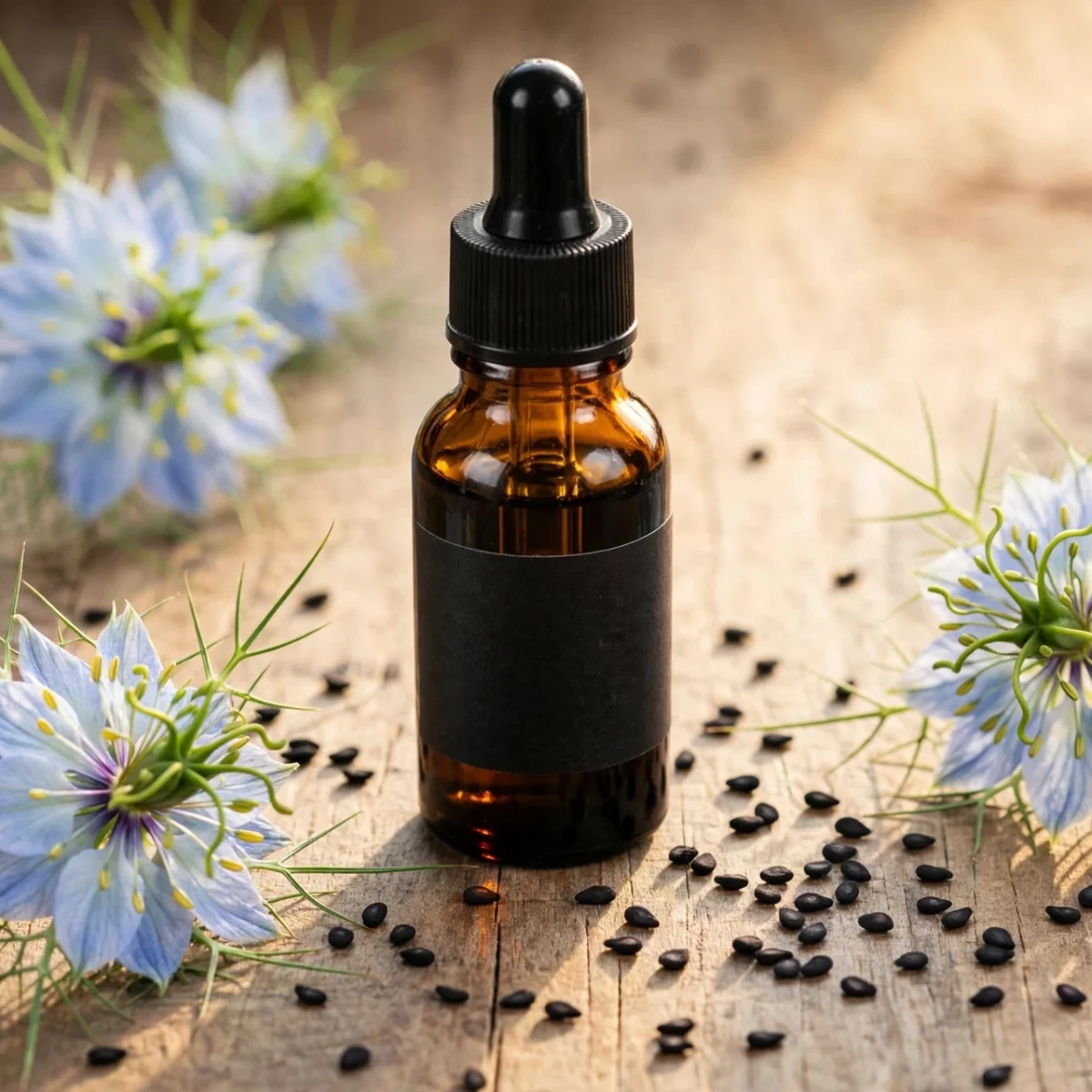
Quick answer: Black seed oil comes from the seeds of Nigella sativa, a flowering plant used in traditional medicine for centuries. Its most studied compound, thymoquinone, gives it antioxidant and anti-inflammatory properties. Research suggests black seed oil may help with blood sugar, cholesterol, blood pressure, and mild skin issues, but most studies are small and short-term, so treat the benefits as promising rather than proven. It can interact with medications and is not safe during pregnancy. This guide covers what the science actually says, how dosing works, the risks, and how to pick a quality product.
Black seed oil has moved from Middle Eastern and South Asian spice cabinets to mainstream supplement shelves. Below is an honest, hype-free breakdown of black seed oil benefits.
What Is Black Seed Oil?
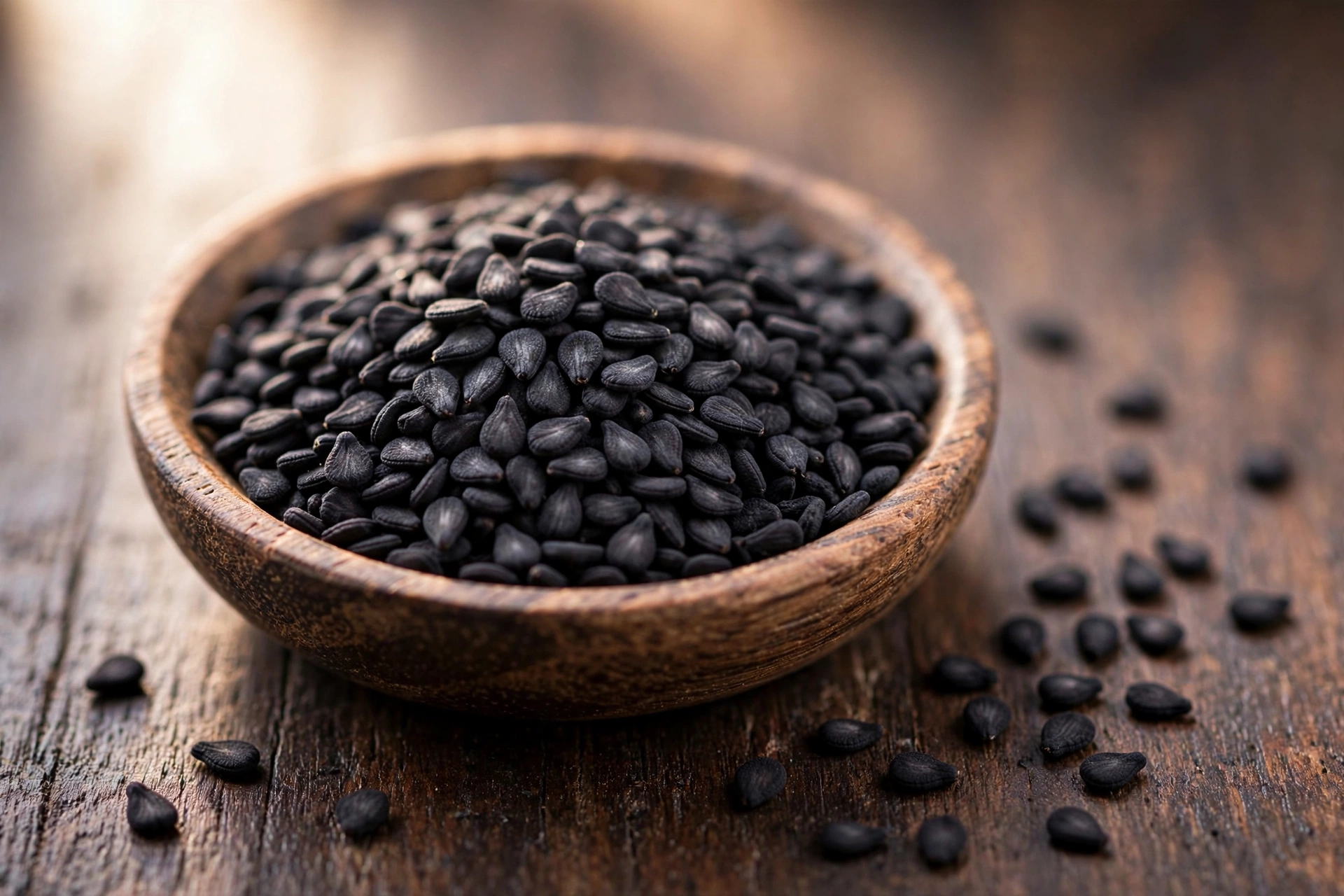
Black seed oil is pressed from the tiny black seeds of Nigella sativa, a flowering plant in the buttercup family also known as black cumin, kalonji, or simply black seed. The plant grows pale blue and white blossoms that produce seed pods filled with the aromatic, slightly peppery seeds used as a spice in Middle Eastern and South Asian cooking.
Traditional systems of medicine, including Unani and Ayurvedic practices, have used black seeds for digestive complaints, skin problems, and respiratory issues for centuries. Modern interest centers on thymoquinone, the oil’s most abundant and most studied active compound, along with related compounds such as thymohydroquinone, thymol, and nigellone. Thymoquinone is credited with most of the oil’s antioxidant and anti-inflammatory activity in laboratory and animal studies.
Typical cold-pressed oil is rich in unsaturated fatty acids, phytosterols, and vitamin E, with a strong, peppery, slightly bitter taste that surprises most first-time users.
Potential Health Benefits: What the Research Suggests
Here is the honest part: most black seed oil research involves small human trials lasting weeks to a few months, and the quality varies. Phrases like “research suggests” are the right framing, not “black seed oil cures.” That said, several areas show consistent, if modest, signals.
Blood Sugar Support
Blood sugar is the best-studied area for black seed oil. Several randomized trials in people with type 2 diabetes found that supplementing with black seed oil or seed powder lowered fasting blood glucose and HbA1c (a marker of longer-term blood sugar control) compared with placebo, with effects typically measured over 8 to 12 weeks.
Thymoquinone may improve insulin sensitivity, though the exact mechanisms in humans are still being worked out. The effect is real enough that anyone on diabetes medication needs to be careful (see the interactions section below), but it is not a replacement for prescribed medication or lifestyle changes.
Cholesterol and Heart Health Markers
Meta-analyses of small trials suggest black seed oil can modestly reduce total cholesterol and LDL (“bad”) cholesterol while slightly raising HDL (“good”) cholesterol in some people. The proposed mechanisms include thymoquinone’s antioxidant activity protecting LDL particles from oxidation, plus the oil’s phytosterols competing with cholesterol absorption.
The reductions are generally modest (single-digit percentage points) and most pronounced in people whose cholesterol was elevated to begin with. For a food-based way to support healthy fats and minerals alongside any supplement, see our guide to pine kernels and pine nuts, which are naturally rich in heart-friendly monounsaturated fats.
Blood Pressure
A few small clinical trials have found that black seed oil lowered both systolic and diastolic blood pressure in adults with mild hypertension or borderline high readings, typically at doses around 5 ml per day over 8 weeks. Thymoquinone is thought to have mild diuretic and calcium-channel-blocking-like activity in animal models, though this has not been fully confirmed in humans.
The effect appears real but small. Anyone on blood pressure medication should talk to a doctor first, since combining the two can push pressure too low.
Weight Management
Some trials in overweight adults found that black seed oil, combined with a calorie-controlled diet, produced slightly more weight loss and waist-circumference reduction than diet alone. The oil is not a fat burner in any meaningful sense; the more plausible explanations are appetite-moderating effects and improved metabolic markers.
It may complement a sensible diet and exercise plan, not substitute for one, so be skeptical of brands marketing it as a weight-loss product.
Skin and Hair
Topical and internal use of black seed oil has been studied for mild inflammatory skin conditions. Small trials and case reports suggest it may help with mild eczema, acne, and fungal skin issues, thanks to thymoquinone’s anti-inflammatory and antimicrobial properties. It is also a traditional remedy for scalp health and hair shedding, though human evidence for hair regrowth is very thin.
Always patch-test on a small area first: concentrated plant oils can irritate sensitive skin.
Immune Support and Antioxidant Activity
Thymoquinone shows clear antioxidant and anti-inflammatory activity in lab studies, and a few human trials found reduced inflammatory markers such as C-reactive protein. Claims about preventing infections, however, are unproven.
Antioxidants work best as part of a whole pattern of eating, not from a single bottle. For a food-first comparison, our guide to Brazil nuts benefits covers another nutrient-dense option (selenium, in that case) that supports the body’s own antioxidant systems
 .
.
Black Seed Oil Dosage: How Much and How to Take It
There is no official recommended dose, since black seed oil is sold as a supplement rather than an approved medicine. Most human trials used one of these ranges:
| Form | Typical range used in studies | Notes |
|---|---|---|
| Liquid oil | 1 to 5 ml (about 1/4 to 1 tsp) per day | Often split into two doses; the taste is strong, so many mix it with honey, juice, or warm water |
| Capsules | 500 mg to 1,000 mg, once or twice daily | Easier if you dislike the taste; check the label for standardized thymoquinone content |
| Ground seeds | 1 to 3 grams per day | Can be sprinkled on food like any spice; milder concentration of active compounds |
A few practical rules:
- Start low. Begin at the bottom of the range for at least a week and watch how your body responds before increasing.
- Take it with food. This reduces the chance of stomach upset and may improve absorption, since the oil is fat-soluble by nature.
- Be consistent. Most studies measured effects after 8 to 12 weeks of daily use, so occasional use is unlikely to do much.
- Talk to a doctor first if you take prescription medication, especially for blood sugar, blood pressure, or blood clotting.
Side Effects and Interactions
Black seed oil is generally well tolerated at typical doses, but reported side effects include stomach upset, nausea, constipation, and allergic skin reactions, usually mild and dose-dependent.
The more serious concerns to know about:
- Pregnancy and breastfeeding: Avoid black seed oil supplements. In animal studies, high doses affected pregnancy, and human safety data are lacking. Culinary amounts of the seeds as a spice are a different matter, but concentrated oil should be avoided.
- Surgery: Stop taking black seed oil at least two weeks before scheduled surgery. It may slow blood clotting and lower blood sugar, both of which complicate anesthesia and recovery.
- Blood sugar medications: Because the oil can lower blood sugar, combining it with diabetes drugs may push levels too low. Monitor closely and involve your doctor.
- Blood pressure medications: Similar additive-effect concern: the combination can drop pressure further than intended.
- Blood thinners and clotting: Early evidence suggests black seed oil may slow clotting, so caution is warranted with anticoagulant or antiplatelet drugs.
- Sedatives: Some animal data suggests a mild sedative interaction, so combining with sleep medications may increase drowsiness.
Oil vs Capsules vs Seeds: Which Form Is Best?
| Form | Pros | Cons | Best for |
|---|---|---|---|
| Cold-pressed oil | Highest concentration of thymoquinone; most studied form; easy to adjust the dose | Strong peppery taste; oxidizes if stored poorly | People who want the studied doses and do not mind the taste |
| Capsules | No taste; pre-measured doses; convenient for travel | Harder to verify oil quality inside; usually more expensive per dose | People who dislike the oil’s flavor or want convenience |
| Whole or ground seeds | Cheapest option; doubles as a cooking spice; gentle and food-like | Lower thymoquinone concentration; hard to match study doses | Culinary use and general wellness rather than
targeted supplementation |

How to Choose a Quality Black Seed Oil
The supplement market is lightly regulated, so quality varies enormously. Use this checklist:
| What to check | Green flags | Red flags |
|---|---|---|
| Extraction method | Cold-pressed (or “first cold-pressed”), no chemical solvents | No extraction method mentioned |
| Thymoquinone content | Label states a percentage (typically 0.5% to 2% for good oils, sometimes higher for standardized products) | No thymoquinone or active-compound figure at all |
| Third-party testing | Independent lab results available (heavy metals, purity) | No lab reports anywhere |
| Packaging | Dark glass bottle that protects the oil from light | Clear plastic bottle |
| Ingredients | 100% Nigella sativa seed oil, nothing else | Proprietary blends, added flavorings, or undisclosed fillers |
| Health claims | Realistic language (“may support wellness”) | Disease claims (“cures diabetes,” “kills cancer cells”) |
Suspiciously cheap oils are often diluted or old: quality cold-pressed oil with verified thymoquinone content costs more to produce.
Related Articles
- Cranberry Juice Benefits: What the Science Says
- Pine Kernels and Pine Nuts: Nutrition, Benefits, and Uses
- Brazil Nuts Benefits: Selenium, Nutrition, and How Many to Eat
Frequently Asked Questions
What does black seed oil do for the body?
Research suggests black seed oil may modestly support blood sugar control, cholesterol levels, blood pressure, and skin health, largely through the antioxidant and anti-inflammatory effects of its key compound thymoquinone. Most evidence comes from small, short-term trials, so benefits should be viewed as promising rather than proven.
How long does black seed oil take to work?
Most studies measured effects after 8 to 12 weeks of daily use. This is not a fast-acting supplement; if you try it, expect to commit to several weeks of consistent use before judging whether it helps you.
Can you take black seed oil every day?
Many people do, and daily use is what the studies tested. There is no established long-term safety profile for daily use over many years, so periodic breaks and checking in with your doctor are sensible, especially if you take medication.
Is black seed oil safe for kidneys and liver?
At typical supplement doses, black seed oil is generally considered safe for healthy adults, and some animal research even suggests protective effects. However, very high doses in animal studies caused liver and kidney changes, so more is not better and anyone with existing liver or kidney conditions should consult a doctor first.
Should I take black seed oil on an empty stomach?
Taking it with food is the safer choice. It reduces the chance of nausea or stomach upset and fits with the fat-soluble nature of the oil. Mixing it with honey, juice, or warm water is a common way to handle the strong taste.
Who should not take black seed oil?
Pregnant or breastfeeding people should avoid it, as should anyone scheduled for surgery within two weeks. People taking blood sugar medication, blood pressure medication, or blood thinners need medical guidance first because of the oil’s additive effects.
Conclusion
So, what are black seed oil benefits in plain terms? The oil of Nigella sativa has genuine pharmacological activity, centered on thymoquinone, and small human trials suggest it may help with blood sugar, cholesterol, blood pressure, and some skin issues. But the studies are small and short, the marketing claims routinely outrun the data, and the oil interacts with common medications. If you try it, start with a low dose, pick a cold-pressed product with stated thymoquinone content, and keep expectations realistic.
For another evidence-based look at a natural remedy with strong human data behind it, see our guide to cranberry juice benefits, and for more honest health and wellness explainers like this one, explore DigitalGeekSpot and browse the related articles above.
Disclaimer: This article is for informational purposes only and is not medical advice; consult a qualified healthcare professional before using black seed oil, especially if you are pregnant, nursing, or taking medication.