


Quick answer: See a cosmetic dermatologist when a skin, hair, or nail concern persists despite basic care, affects your confidence or quality of life, or needs a treatment you cannot safely do at home: think persistent adult acne, acne scarring, melasma or stubborn pigmentation, early signs of aging you want to address, unwanted hair, or visible veins and redness. A cosmetic dermatologist is a board-certified dermatologist with extra focus on appearance-enhancing treatments, and a visit is more straightforward than most people expect. This guide covers the signs, what happens at a consultation, common treatments, and how to choose the right doctor.
Cosmetic Dermatologist vs Regular Dermatologist: What Is the Difference?
Both are fully trained medical dermatologists: they complete medical school, a residency in dermatology, and board certification. The difference is focus, not qualification.
| General / medical dermatologist | Cosmetic dermatologist | |
|---|---|---|
| Primary focus | Diagnosing and treating skin disease: eczema, psoriasis, skin cancer screening, rashes, infections | Improving skin appearance: tone, texture, signs of aging, scarring, unwanted hair |
| Typical treatments | Prescription medications, biopsies, mole removal, phototherapy | Injectables, laser and light therapies, chemical peels, microneedling |
| Insurance | Often covered when medically necessary | Usually out of pocket, since treatments are elective |
In practice, many dermatologists do both, and a good cosmetic dermatologist will always screen your skin medically first. That dual lens is actually the advantage: unlike a med spa technician, a dermatologist can spot when a “cosmetic” concern is really a medical one, like a changing mole or an underlying condition driving your hair loss.
Signs You Should See a Cosmetic Dermatologist

Here are the most common reasons people book a cosmetic dermatology visit. If several apply to you, a consultation is likely worth it.
1. Persistent adult acne
Acne that continues past your twenties, or returns after years of clear skin, often needs more than drugstore products. Hormonal patterns along the jawline, painful cystic breakouts, and acne that scars are all signs to get professional help rather than cycling through another round of harsh scrubs.
2. Acne scarring
Once acne leaves pitted, rolling, or boxcar scars, no cream can smooth them out, because the problem is structural damage below the surface. Dermatologists offer microneedling, fractional laser resurfacing, subcision, and fillers that physically remodel scarred tissue.
3. Stubborn pigmentation and melasma
Dark patches that do not fade with sunscreen and vitamin C serums, especially the symmetrical brown patches of melasma, are notoriously tricky. They often need prescription-strength treatments or carefully chosen laser work, and the wrong laser can make melasma worse, which is exactly why expert guidance matters.
4. Early signs of aging you want to address
Fine lines, loss of firmness, under-eye hollows, and uneven texture are normal, but if they bother you, a dermatologist can discuss evidence-based options from retinoids to injectables. The key word is discuss: a good doctor will tell you when doing nothing is also a fine choice.
5. Rosacea and persistent redness
Facial redness and visible blood vessels that flush easily may be rosacea, a medical condition with cosmetic consequences. Laser and light-based treatments can significantly reduce redness, alongside medical management of flares.
6. Unwanted hair or excessive hair growth
Laser hair removal performed under dermatologist supervision tends to be safer and more effective than at-home devices or unregulated clinics, particularly for darker skin tones where the wrong laser settings can cause burns or pigmentation changes.
7. Hair thinning and hair loss
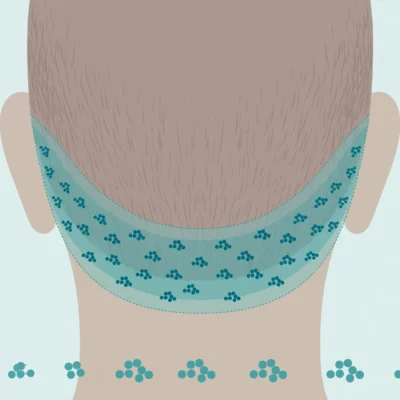
Pattern hair loss, shedding after illness or stress, and patchy loss all deserve a proper diagnosis before any treatment. Dermatologists can distinguish between types of alopecia and discuss the full range of options, including medical therapy and procedures. If a clinic suggests PRP, our explainer on what PRP is and why it is used in hair transplants covers the evidence honestly. For surgical options, understanding how the donor area works in hair transplantation will help you ask smarter questions at any consultation.
8. Moles, skin tags, or growths you dislike cosmetically
Benign but bothersome growths can usually be removed quickly in-office. A dermatologist will first confirm a lesion is benign, something a beauty clinic cannot do reliably.
9. Uneven skin texture and large pores
Enlarged pores and rough texture respond to treatments like chemical peels, microneedling, and certain lasers, but expectations need calibrating: pores cannot be permanently “shrunk,” only made less noticeable.
10. Sun damage and age spots
Years of UV exposure show up as brown spots, rough patches, and dullness. Dermatologists can treat the cosmetic side while screening for precancerous changes at the same time, a two-for-one you do not get at a spa.
11. Stretch marks or surgical scars
While no treatment erases scars completely, fractional lasers, microneedling, and certain topicals can make them significantly less noticeable, especially when treated early.
12. You want a professional skin plan, not product roulette
If you have spent real money cycling through serums with no results, a single consultation can replace years of guesswork with a short, evidence-based routine tailored to your skin.
What to Expect at Your First Visit
Knowing the flow removes most of the anxiety:
- History and goals: The dermatologist asks about your skin history, current routine, medications, and what bothers you most. Be honest about what you have tried.
- Skin examination: They examine your skin closely, often with a dermatoscope (a magnifying light device), and may take baseline photos to track progress.
- Diagnosis first: A good dermatologist rules out medical issues before discussing cosmetic options. If something looks suspicious, they will biopsy it rather than laser over it.
- Treatment plan: You discuss options ranked by effectiveness, cost, downtime, and risk. You should leave understanding why a treatment is recommended, not just what it costs.
- No pressure: Ethical clinics let you go home and think. High-pressure same-day discounts are a red flag.
First consultations typically last 30 to 60 minutes and cost anywhere from $100 to $350 or more depending on your location, often credited toward treatment if you proceed.
Common Treatments a Cosmetic Dermatologist Offers

You do not need to memorize these before your visit, but knowing the landscape helps you follow the conversation:
| Treatment | What it does | Typical downtime |
|---|---|---|
| Neuromodulators (e.g., Botox) | Relax muscles that cause dynamic wrinkles like forehead lines and crow’s feet | Minimal; small bumps for under an hour |
| Dermal fillers | Restore volume in cheeks, lips, under-eyes, and deep folds | Swelling or bruising for a few days |
| Chemical peels | Exfoliate damaged outer layers to improve tone, texture, and mild pigmentation | Days of peeling for medium-depth peels |
| Laser resurfacing | Target wrinkles, scars, and sun damage with controlled light energy | Several days to two weeks depending on intensity |
| Microneedling | Create micro-injuries that stimulate collagen for scars and texture | Redness for 1 to 3 days |
| Laser hair removal | Reduce unwanted hair with targeted light pulses | Minimal; redness for hours |
| IPL / photofacial | Treat redness, brown spots, and sun damage with broad-spectrum light | Darkening of spots for up to a week before they flake off |
Honest framing matters here: every one of these involves trade-offs between results, cost, downtime, and risk. A trustworthy dermatologist explains all four before you commit.
How to Choose the Right Cosmetic Dermatologist
- Board certification: Confirm they are board-certified in dermatology through your country’s official medical board directory. This is the single most important filter.
- Relevant experience: Ask how often they perform the specific treatment you are considering. Repetition builds skill, especially with lasers and injectables.
- Before-and-after photos: Look for photos of patients with similar skin tones and concerns to yours, taken in consistent lighting.
- Conservative philosophy: Favor doctors who suggest starting small. “You might not need this yet” is a sign of integrity, not indifference.
- Transparent pricing: Get itemized costs in writing, including any follow-up or touch-up sessions.
- Facility standards: Treatments should happen in a proper medical setting with emergency protocols, not a strip-mall back room.
Red flags: guaranteed results, pressure to decide today, prices far below market rate, unwillingness to discuss risks, or a provider who cannot show credentials.
What Cosmetic Dermatology Costs
Prices vary widely by region and provider. Ballpark ranges for 2026:
- Consultation: $100 to $350
- Neuromodulators: $300 to $800 per area
- Dermal fillers: $600 to $1,500 per syringe
- Chemical peels: $150 to $600 per session
- Laser resurfacing: $1,000 to $3,000+ per session
- Microneedling: $300 to $700 per session
- Laser hair removal: $200 to $500 per session per area
Most cosmetic treatments are elective and paid out of pocket. Budget for the full course (many treatments need 3 to 6 sessions), not just the first appointment.
Related Articles
- What Is PRP and Why Is It Used in Hair Transplants?
- The Role of the Donor Area in Hair Transplantation
- How to Boost Male Fertility Naturally
- What Are CBD Gummies Health Benefits? A 2026 Guide
Frequently Asked Questions
At what age should you see a cosmetic dermatologist?
There is no magic age. People in their twenties commonly visit for acne scarring or pigmentation; people in their thirties and beyond for early aging concerns. The trigger should be a specific concern, not a birthday.
Is a cosmetic dermatologist better than a med spa?
For diagnosis and higher-risk treatments, yes. A board-certified dermatologist has years of medical training a med spa technician does not, and can handle complications. Med spas can be fine for basic facials, but lasers and injectables deserve medical supervision.
Do I need a referral to see a cosmetic dermatologist?
Usually not for cosmetic visits, since you are paying privately. If you want insurance to cover any medical portion (like a skin cancer screening during the same visit), check your plan’s referral rules first.
How often should you get cosmetic treatments?
It depends entirely on the treatment: neuromodulators every 3 to 4 months, fillers every 6 to 18 months, laser series often yearly. Your dermatologist should map out a maintenance timeline at your consultation, not sell you sessions indefinitely.
Can a cosmetic dermatologist treat hair loss?
Yes, diagnosing hair loss is squarely within dermatology. They can identify the type of alopecia, prescribe medical treatments, and refer you to a qualified hair transplant surgeon when surgery is appropriate.
Conclusion
You should see a cosmetic dermatologist when a skin, hair, or appearance concern persists despite your best efforts, affects how you feel day to day, or needs a treatment that requires medical expertise. The visit itself is straightforward: an examination, an honest diagnosis, and a plan you understand. Choose a board-certified dermatologist with relevant experience, transparent pricing, and a conservative philosophy, and you will get guidance you can trust, even when the answer is that you do not need treatment yet.
For more health and wellness guides, keep reading DigitalGeekSpot.
Disclaimer: This article is for informational purposes only and is not medical advice; consult a qualified dermatologist or healthcare professional about your skin concerns.


3 Comments