If you have spent any time browsing vape shops or forums, you have probably run into the terms MTL and DTL. Understanding MTL vs DTL vaping is one of the most useful things a new or intermediate vaper can learn, because these two draw styles shape almost every part of the experience: the feel of the inhale, the amount of vapor produced, the type of device that works best, and even the kind of e-liquid that pairs well with your setup. MTL stands for mouth-to-lung, and DTL stands for direct-to-lung. They describe two different ways of drawing vapor into your body, and most devices, coils, and e-liquids on the market are designed with one of the two in mind.
This guide breaks down exactly what each style means, how they differ in practice, and how to figure out which one matches your preferences. Whether you are choosing your first device or wondering why your current setup feels too airy or too tight, the answers usually trace back to this single distinction.
What Is MTL Vaping?
MTL, or mouth-to-lung, is a two-step inhale. First you draw vapor into your mouth, hold it briefly, and then inhale it down into your lungs. This is the same basic motion used with a traditional cigarette, which is why many adult smokers who switch to vaping start with an MTL setup: the draw feels familiar and controlled.
MTL devices are built around restriction. The airflow is deliberately tight, so you have to pull a little to get vapor moving. Coils used for MTL are usually higher in resistance, and the devices themselves tend to run at lower power. The result is a modest amount of vapor with a noticeable throat hit, which is the slight sensation at the back of the throat when you inhale. Many MTL vapers describe the experience as discreet and cigarette-like, which suits people who prefer a quiet, low-profile session rather than large clouds.
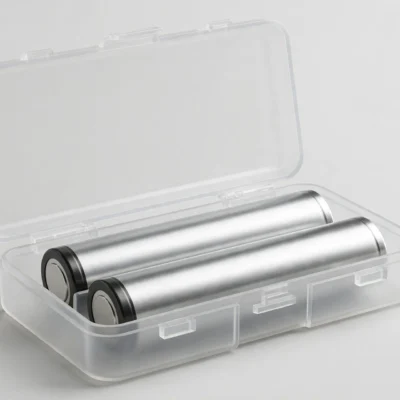
Typical MTL hardware includes slim pen-style devices, compact pod systems, and starter kits with fixed or adjustable tight airflow. Because the power demands are low, MTL devices often have smaller batteries that still last a full day of typical use, since each puff draws less energy than a high-powered alternative.
What Is DTL Vaping?
DTL, or direct-to-lung, is a single deep inhale. You draw vapor straight into your lungs in one continuous breath, similar to taking a deep breath of air or using a shisha pipe. There is no pause in the mouth. The airflow on DTL setups is wide open, so the draw feels loose and airy rather than tight.
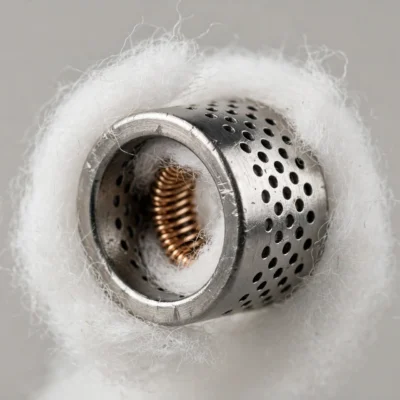
DTL devices run at higher power and use lower-resistance coils, often called sub-ohm coils because their resistance measures below one ohm. More power plus more airflow means more e-liquid is vaporized per puff, which produces dense, voluminous clouds and a much stronger flavor presence. The throat hit tends to feel smoother and less sharp than MTL, partly because the vapor is mixed with a large volume of air.
Typical DTL hardware includes larger box-style mods, high-wattage pod mods, and rebuildable atomizers with wide airflow slots. These setups consume e-liquid faster and drain batteries more quickly, so DTL vapers usually carry larger devices with bigger batteries or external cells, and they refill more often.
MTL vs DTL: The Key Differences at a Glance
Here is how the two styles compare across the factors that matter most in daily use.
Draw technique. MTL is a two-stage draw: mouth first, then lungs. DTL is one continuous deep inhale straight to the lungs. This is the core definition everything else follows from.
Airflow. MTL airflow is tight and restrictive, with small intake holes. DTL airflow is open and airy, often with large adjustable slots. Many modern devices let you tune airflow, which can move a device a little toward one style or the other, but the hardware’s overall design still defines its natural range.
Throat hit. MTL delivers a sharper, more pronounced throat hit that many former smokers find satisfying. DTL feels smoother on the throat because the vapor is diluted with more air, though very high power can still feel intense.
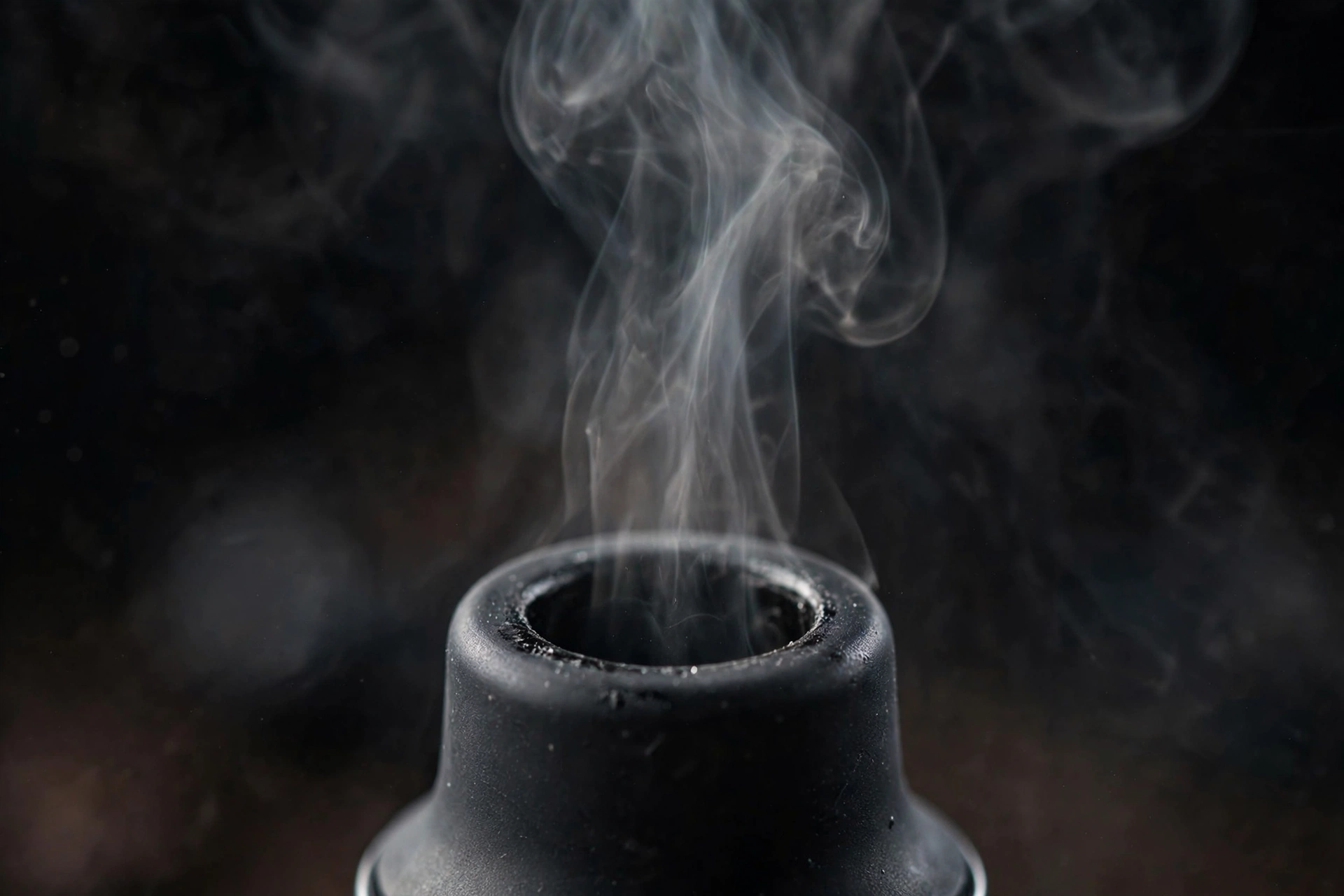
Vapor production. MTL produces a small, discreet amount of vapor that clears quickly. DTL produces large, dense clouds. If you vape around other people or in shared spaces, the difference in visible vapor is one of the most noticeable practical distinctions between the two styles.
Flavor intensity. Both styles can deliver good flavor, but they do it differently. MTL concentrates a smaller amount of vapor, which can make individual flavor notes feel precise. DTL pushes a large volume of vaporized liquid, which many vapers experience as a fuller, more saturated flavor, at the cost of using more e-liquid.
Power and battery. MTL devices run at lower wattages and sip battery charge, so compact internal batteries last well. DTL devices run at higher wattages and need larger batteries or removable cells to keep up. If battery longevity matters to you, MTL setups have the clear advantage. For safe handling of removable cells, see our guide to vape battery safety tips.
E-liquid consumption. DTL setups vaporize noticeably more liquid per puff. MTL setups are economical, with a single tank or pod often lasting much longer. Over time, the cost of e-liquid is meaningfully lower for MTL vapers.
Devices, Coils, and Airflow: How Hardware Shapes the Draw
You do not choose a draw style in the abstract; you choose hardware, and the hardware nudges you toward one style. Coils are the clearest signal. Higher-resistance coils (generally above one ohm) are built for MTL, while sub-ohm coils (below one ohm) are built for DTL. The resistance rating is printed on the coil or its packaging, and using a coil outside its intended wattage range usually leads to poor flavor or a burnt taste.
Airflow design is the second signal. Look at the intake holes or slots on the tank or pod. Small, narrow openings mean the device leans MTL. Wide slots, especially adjustable ones, mean it leans DTL. Many mid-range devices now offer a wide airflow range that covers a restricted DTL or loose MTL draw, which can be a good middle ground if you are unsure where you land.
Mouthpiece shape matters more than people expect. Narrow, cigarette-like drip tips concentrate the draw and suit MTL. Wide-bore drip tips open things up for DTL. Some tanks ship with interchangeable tips, letting you experiment without buying new hardware.
Wattage range ties it all together. A device that maxes out around 20 watts is almost certainly an MTL device. A device that reaches 60, 80, or 100-plus watts is built for DTL. Matching your coil to the wattage printed on it is one of the simplest ways to get a good experience, and it also helps you avoid common issues like the ones covered in our troubleshooting guide on how to fix a burnt taste in your vape.
E-Liquid Considerations for Each Style
E-liquid is mostly a mix of propylene glycol (PG) and vegetable glycerin (VG), and the ratio between them affects how a liquid behaves in different hardware. Thinner, higher-PG liquids wick easily through the small ports of MTL coils, while thicker, higher-VG liquids suit the large wicking ports of DTL coils. Using a thick liquid in an MTL coil can cause dry hits because the wick cannot keep up; using a very thin liquid in a DTL setup can cause leaking or a harsh experience. We explain the full picture in our guide to PG vs VG in e-liquid.
Nicotine strength also tends to track with draw style, though this is a matter of product design rather than a rule. Because DTL vaporizes more liquid per puff, DTL liquids are generally formulated at lower strengths, while MTL liquids are often formulated at higher strengths so a small puff still feels satisfying. Always read the label on your e-liquid and use products as directed by the manufacturer. If you are unsure which strength matches your device, ask the retailer or check the product documentation rather than guessing.
Whatever style you choose, buy e-liquid from reputable sources, check that bottles are properly sealed, and store them correctly. Heat, light, and air all degrade e-liquid over time, so our guide on how to store e-liquid properly is worth a read once you start keeping a few bottles on hand.

Which Style Might Suit You?
There is no universally better option; it comes down to what you want from the experience. Work through these questions to find your fit.
Do you want a draw that feels like a cigarette? If you are an adult smoker switching to vaping and want familiar mechanics, MTL is the natural starting point. The tight draw and noticeable throat hit replicate the rhythm of smoking more closely than DTL.
How much vapor do you want to produce? If you prefer discretion, smaller clouds, and vaping without drawing attention, MTL wins. If you enjoy dense clouds and a full, airy inhale, DTL is the style built for that.
How much do you want to spend on e-liquid? DTL setups go through liquid several times faster than MTL setups. If running costs matter, MTL is the economical choice.
How much device maintenance appeals to you? MTL pod systems are often simple: fill, puff, replace the pod or coil. DTL setups, especially rebuildables, involve more tinkering with coils, wicks, wattage, and airflow. Some people love the hobby aspect; others just want something that works.
Where will you vape? Large DTL clouds can be inconsiderate in shared spaces and may attract unwanted attention. If you vape mostly at home, it matters less. If you travel, remember that vapor output also affects how discreet you can be on the go, and it is worth reviewing the rules in our guide on whether you can bring a vape on a plane before flying with any device.
Many vapers end up owning one of each: an MTL pod for out and about, and a DTL setup for home. There is no rule that says you must pick one style forever.
Switching Between MTL and DTL
Moving from one style to the other takes a little adjustment, mostly in technique. Going from MTL to DTL, the instinct is to pull hard the way you would on a tight draw, but DTL works better with a slow, steady, deep inhale. Let the open airflow do the work. Start at the lower end of your coil’s recommended wattage range and work up gradually until the flavor and warmth feel right.
Going from DTL to MTL, the adjustment is the opposite: take slower, gentler puffs and give the coil a moment between draws so the wick can re-saturate. Chain-puffing an MTL coil the way you might chain-vape a DTL tank is a fast route to a burnt hit.
If you buy a new device for the other style, give yourself a few days. Draw technique is muscle memory, and most people find the unfamiliar style feels odd for the first day or two before it clicks.
Frequently Asked Questions
Can I use the same e-liquid for MTL and DTL?
Sometimes, but check the PG/VG ratio first. Balanced or higher-PG liquids generally work in MTL hardware, while thicker high-VG liquids suit DTL hardware. Using a thick liquid in a small MTL coil can cause dry hits, and a thin liquid in a DTL tank can leak. When in doubt, match the liquid to the coil manufacturer’s guidance.
Is MTL better for beginners?
MTL is often recommended as a starting point because the devices are simpler, the draw is intuitive for adult smokers, and the lower power means fewer settings to manage. That said, plenty of beginners start with DTL and do fine. The best choice is the one that matches the experience you actually want.
What coil resistance is used for MTL versus DTL?
MTL coils are typically above one ohm, while DTL coils are usually below one ohm (sub-ohm). Always stay within the wattage range printed on the coil. Running a coil above its rated range risks burning the wick; running it far below can cause flooding and weak flavor.
Can one device do both MTL and DTL?
Some versatile devices cover a middle ground, often called restricted DTL, with wide airflow adjustment and coils in the mid-resistance range. True tight MTL and true airy DTL are hard to get from a single setup, though, because the coil and airflow designs are fundamentally different. If you want both styles properly, two devices is the more reliable route.
Does DTL use more e-liquid than MTL?
Yes, noticeably more. Higher wattage and open airflow vaporize more liquid per puff, so DTL vapers refill more often and spend more on e-liquid over time. MTL setups are much more economical with liquid.
Which style produces less visible vapor?
MTL produces far less visible vapor, and it dissipates quickly. If discretion matters, for example in shared living spaces or while traveling, MTL is the more considerate choice. DTL clouds are large, dense, and linger.
You can find more explainers like this, covering devices, e-liquids, and troubleshooting, among the guides on the DigitalGeekSpot homepage.