Crossing multiple time zones can leave you exhausted, wide awake at 3 a.m., and foggy for days. Learning how to beat jet lag is really about helping your body clock adjust faster, and small actions before, during, and after your flight make a surprisingly big difference. This guide covers the science-backed strategies that frequent travelers use to reset their sleep schedule quickly, plus what to avoid.
What Causes Jet Lag
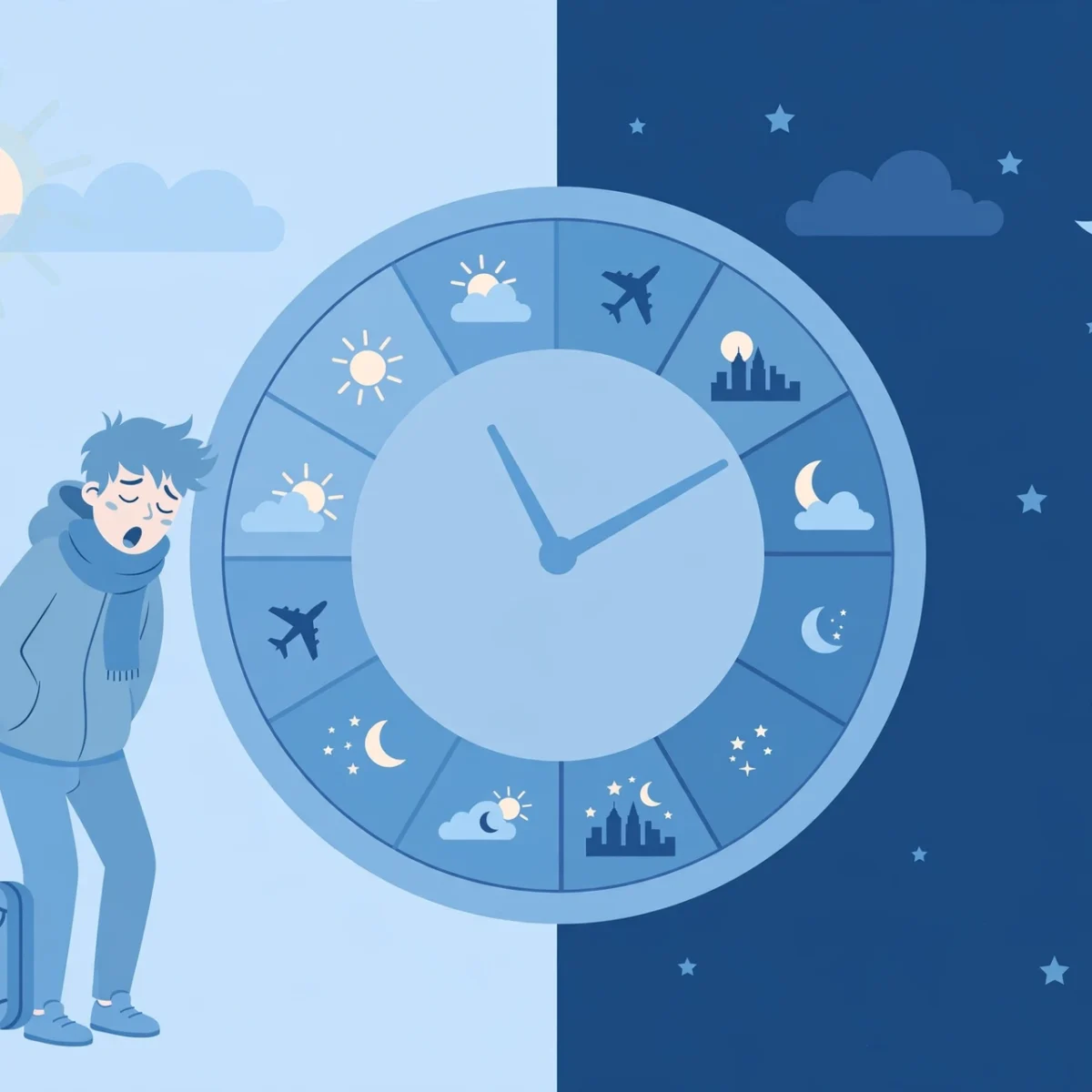
Jet lag happens when your internal body clock, which runs on roughly a 24-hour cycle, is out of sync with the local time at your destination. Your body expects daylight, meals, and sleep at the old times, while the new time zone demands the opposite. The more time zones you cross, the worse the mismatch, and eastward travel is typically harder than westward because it is tougher to fall asleep earlier than to stay up later.
There is no instant cure, but you can shorten the adjustment period from several days to one or two with the right approach.
Before You Fly: Shift Your Schedule Early
Start adjusting a few days before departure. If you are flying east, go to bed and wake up an hour earlier each day for two or three days before the trip. Flying west, shift an hour later each day. Arriving with your body clock already partway adjusted makes the first days dramatically easier.
Also consider your flight timing. Overnight flights that arrive in the morning let you start the new day on local time immediately, which is ideal for adjustment. If you must arrive late at night, try to sleep on the plane so you land ready for a normal local bedtime.
During the Flight: Set Your Watch and Act Local
As soon as you board, set your watch to the destination time and start living by it. If it is daytime at your destination, stay awake; if it is nighttime there, try to sleep. This mental switch helps more than people expect.
Other in-flight strategies:
- Stay hydrated. Cabin air is extremely dry, and dehydration worsens fatigue. Drink water regularly and go easy on alcohol and caffeine, which disrupt sleep quality.
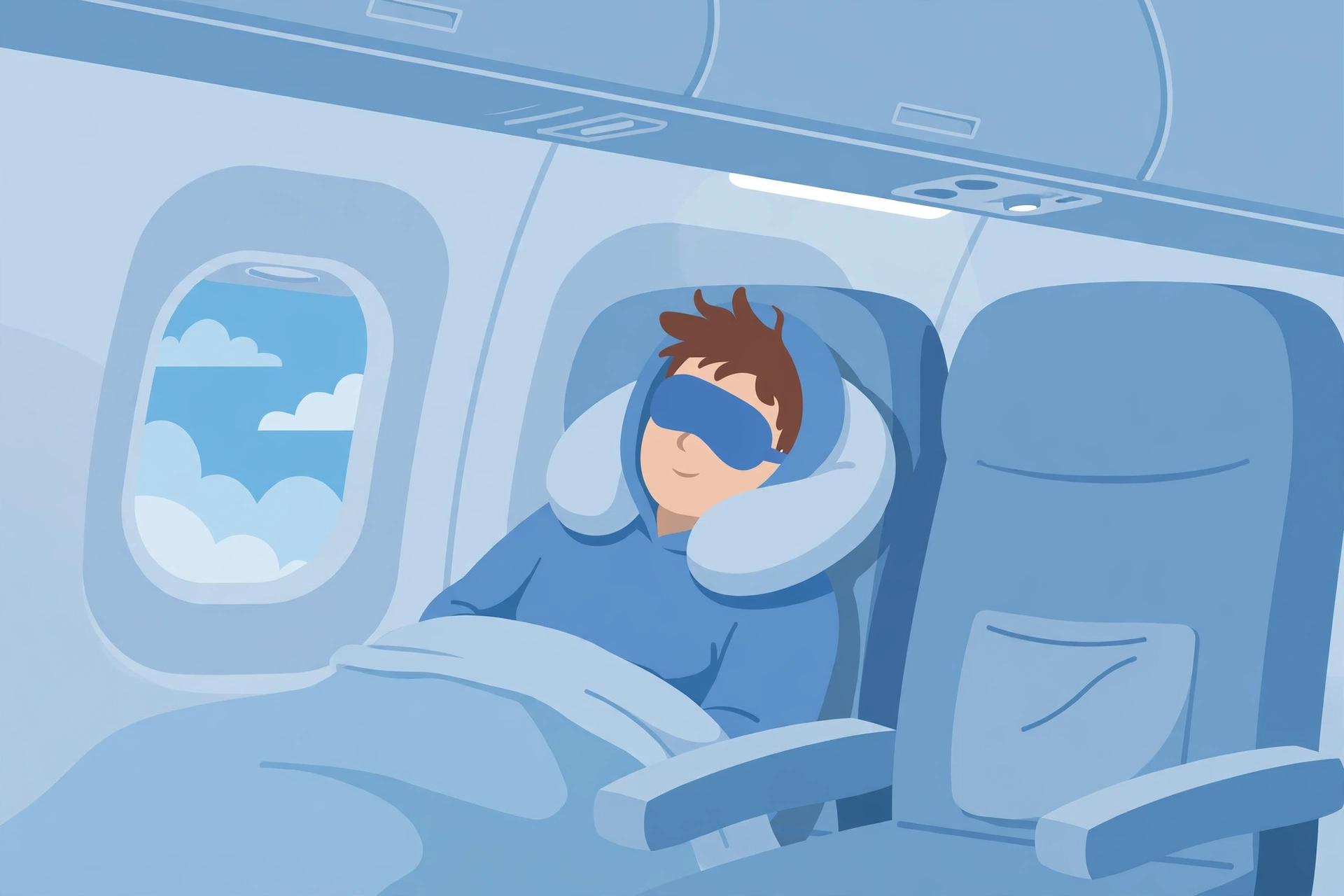
- Sleep strategically. Use an eye mask, earplugs, and a neck pillow to create the best possible sleep conditions when it is nighttime at your destination.
- Move around. Short walks and stretches every couple of hours reduce stiffness and help you feel less wrecked on arrival.
- Eat on destination time. Meal timing is a powerful signal to your body clock. Start eating meals at the times they would occur at your destination.
After You Land: Light Is Your Strongest Tool
Light exposure is the most powerful lever for resetting your body clock. The rules:
- Flying east: Get bright morning light at your destination to help your body shift earlier. Avoid bright light in the evening.
- Flying west: Seek bright light in the late afternoon and evening to help your body shift later. Morning light matters less.
Get outside as much as possible on your first day. Natural daylight is far stronger than indoor lighting and works much faster. A morning walk in the sun at your destination is one of the single best jet lag remedies.
Manage Sleep, Naps, and Caffeine
Resist long daytime naps. A short nap of 20 to 30 minutes can help you survive the afternoon, but longer naps delay your adjustment by keeping your body on the old schedule. Set an alarm if you nap.
Use caffeine strategically. A morning coffee at your destination helps alertness, but avoid caffeine after early afternoon local time so it does not interfere with falling asleep at the right hour.
Consider melatonin carefully. Melatonin is a hormone that signals nighttime to your body, and many travelers use small doses to fall asleep at the new local bedtime. It is widely available over the counter in some countries and regulated in others, so check local rules, and talk to a doctor or pharmacist if you are unsure about using it.
Eat, Exercise, and Stay Active
Eat meals on local time from day one, even if you are not hungry. Regular meal timing reinforces the new schedule. Light exercise, like walking or a gentle workout, boosts daytime alertness and improves sleep quality at night. Avoid intense late-night workouts that can keep you wired.
Stay active during the day rather than retreating to a dark hotel room. Activity and daylight together are the fastest combination for resetting your clock.

What to Avoid
- Sleeping pills you have never tried before, especially combined with alcohol
- Heavy drinking on the flight or the first night, which fragments sleep
- Marathon daytime naps that anchor you to the old time zone
- Staying indoors under artificial light all day
- Scheduling critical meetings or activities for your first morning after a long-haul flight
For more comfortable flying, check our carry-on packing checklist and tips on finding cheap flights for long-haul routes. If your itinerary includes a long connection, our layover vs stopover guide explains the difference, and the DigitalGeekSpot homepage has more travel resources.
Jet Lag Recovery Timeline: What to Expect
Day one is usually the hardest: you arrive tired, everything feels slightly unreal, and your appetite is off. This is normal. Get daylight, eat on local time, stay active, and resist the urge to nap for hours. An early local bedtime, even if you need a short evening nap to reach it, sets up recovery.
By day two or three, most travelers feel functional but not sharp: afternoons drag and mornings come early. Keep the light exposure going, keep caffeine to the morning, and avoid scheduling demanding activities late in the day. This is the phase where discipline with naps and bedtimes pays off most.
By day four or five after a typical long-haul trip, most travelers feel largely adjusted, with only minor grogginess remaining. Full adjustment can take up to about a week for very large time differences. If you cross zones constantly, maintaining consistent sleep habits between trips matters as much as any single remedy.
Natural Remedies Worth Trying
Beyond light and scheduling, a few gentle aids help. Staying well hydrated throughout the journey reduces the compounded fatigue of dehydration. Herbal teas like chamomile in the evening can be part of a wind-down routine that signals bedtime. Some travelers avoid heavy, greasy airplane meals in favor of lighter food, which is easier on a confused digestive system.
What matters most is consistency: the travelers who recover fastest commit fully to local time from the moment they board. Half-measures, like napping “just this once” for three hours or working through the local night, undo the good work of everything else. Treat the first 48 hours as a reset protocol and your body will follow.
Frequently Asked Questions
How long does jet lag last?
A common guideline is about one day of adjustment per time zone crossed, though this varies by person and direction. Eastward travel usually takes longer to adjust to than westward. Using light exposure, schedule shifting, and strategic naps can shorten recovery considerably.
Is jet lag worse flying east or west?
Flying east is generally harder. Traveling east requires falling asleep earlier and waking earlier, which most people’s body clocks resist more than the later bedtimes that westward travel demands. Plan extra adjustment strategies for eastbound trips.
Does melatonin help with jet lag?
Many travelers find small doses of melatonin helpful for falling asleep at the new local bedtime. It works best combined with light exposure and schedule shifting, not as a standalone fix. Availability and regulations differ by country, so check local rules and consult a healthcare professional if unsure.
Should I nap when I arrive with jet lag?
A short nap of 20 to 30 minutes is fine and can help you function. Avoid naps longer than that, especially late in the day, because they delay your body clock’s adjustment to local time. If you nap, set an alarm.
What is the fastest way to beat jet lag?
Shift your sleep schedule before the trip, live on destination time from boarding, get bright daylight at the right times after landing (morning for eastward, evening for westward), eat on local time, and avoid long naps. No single trick works alone; the combination is what speeds recovery.
Can children get jet lag?
Yes, and it often hits harder because kids have less flexible sleep patterns. The same strategies apply: shift schedules before travel, use daylight, keep meals on local time, and protect naps without letting them run too long. Allow extra recovery days in the itinerary when traveling with young children.
Does the direction of travel really matter?
Yes. Eastward travel is generally harder because your body must fall asleep earlier and wake earlier, which most body clocks resist. Westward travel asks you to stay up later, which comes more naturally. Build in an extra recovery day for eastbound trips when you can.