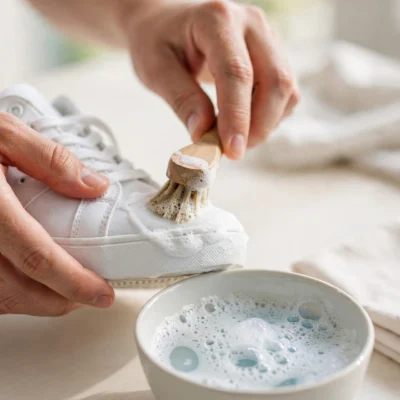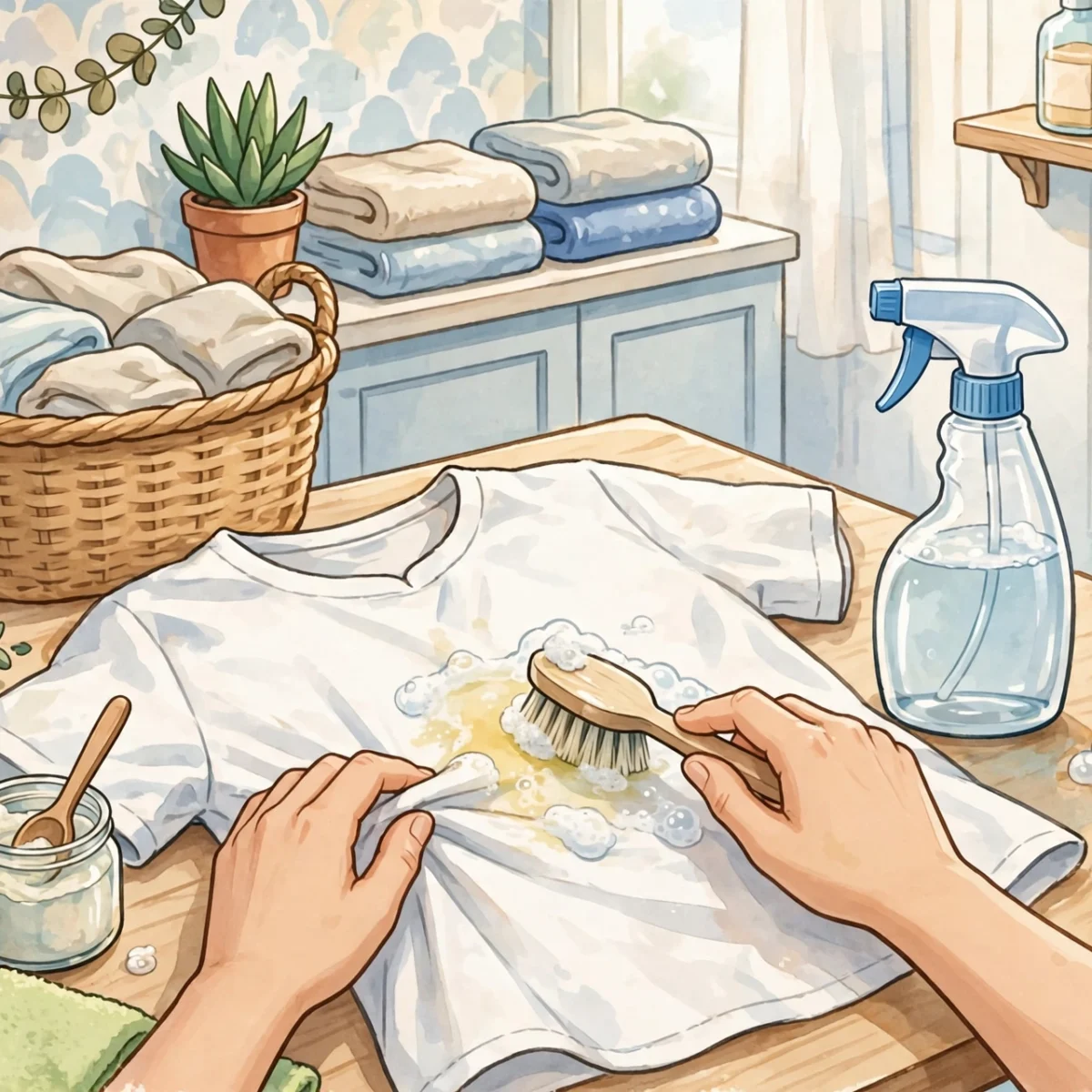
A stain does not have to mean the end of a favorite garment. Knowing how to remove stains from clothes quickly, with the right method for each stain type, saves outfits that would otherwise be ruined. This quick guide is a stain-by-stain cheat sheet covering the most common culprits: grease, coffee, ink, and blood, plus general rules and household remedies that handle most everyday marks.
The single most important rule of stain removal is speed. Fresh stains are dramatically easier to remove than set-in ones, because heat and time bond stain molecules to fabric fibers. The second rule is to identify the stain before treating it, since the wrong treatment can set a stain permanently. With those two principles and the methods below, you can handle the vast majority of laundry emergencies. For more household cleaning know-how, this guide to cleaning a fabric couch with baking soda covers similar techniques for upholstery.
Golden Rules of Stain Removal
Before reaching for any specific remedy, follow these universal rules. They apply to nearly every stain and prevent the most common mistakes.
- Act fast. Blot, rinse, or treat the stain as soon as possible. Every hour counts.
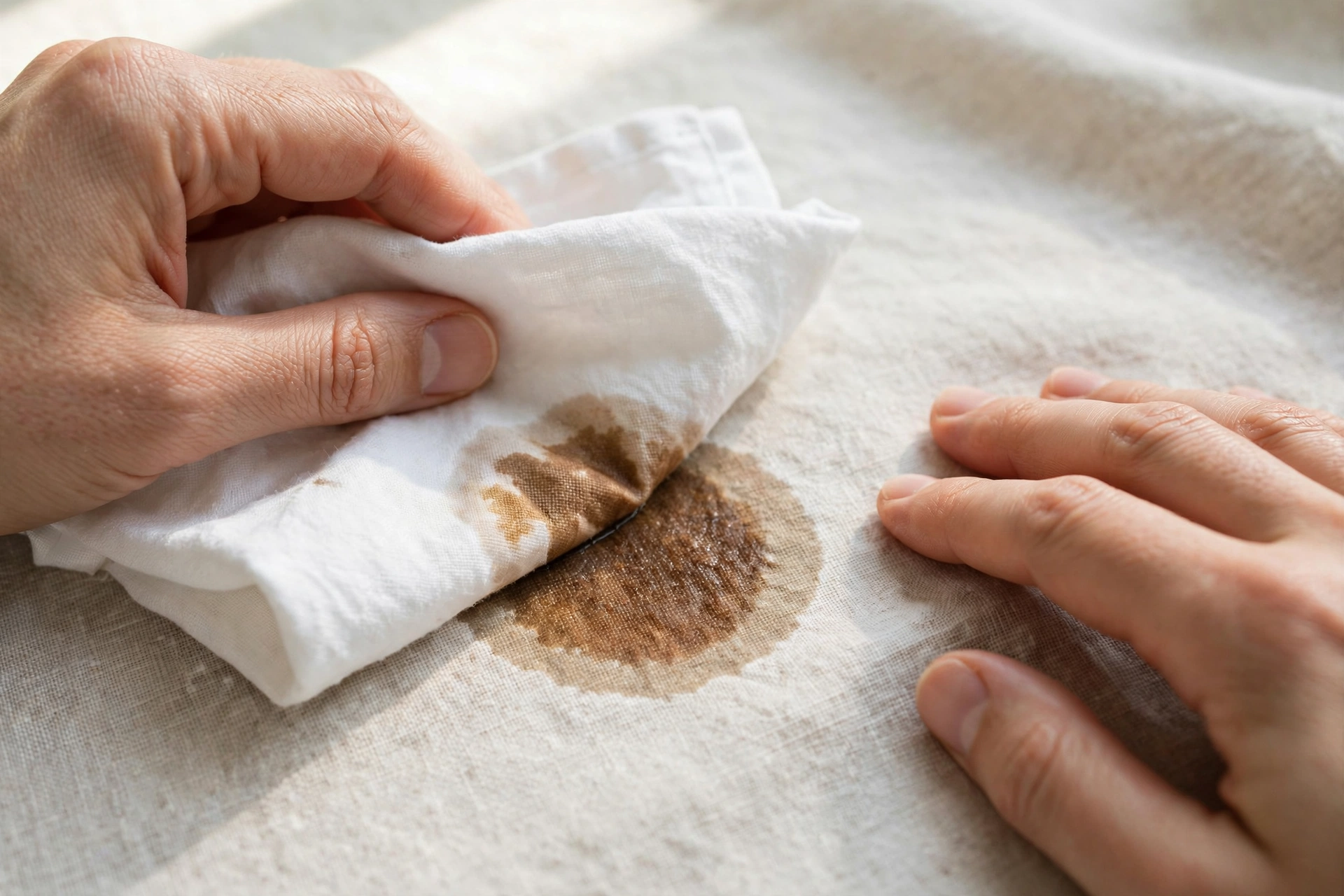
- Blot, never rub. Rubbing pushes the stain deeper into fibers and can spread it. Press gently with a clean cloth, working from the outside edge toward the center.
- Use cold water first. Cold water is safe for most stains. Hot water can set protein-based stains like blood and egg permanently, so default to cold unless the method calls for warm.
- Check before drying. Never put a stained garment in the dryer until the stain is fully gone. Dryer heat sets stains, often permanently. Air-dry and inspect first.
- Test in a hidden spot. Try any cleaning solution on an inconspicuous area first, especially on delicate or colored fabrics.
- Read the care label. Silk, wool, and dry-clean-only garments need gentler handling than cotton and synthetics.
How to Remove Grease and Oil Stains
Grease stains from cooking oil, butter, salad dressing, or motor oil are among the most common clothing stains. They look like dark, translucent spots and can seem impossible, but dish soap is remarkably effective because it is designed to cut grease.
Start by blotting away any excess with a paper towel. Then apply a small amount of liquid dish soap directly to the stain and gently work it in with your fingers or a soft brush. Let it sit for 10 to 15 minutes. Rinse with warm water, then launder as usual with the warmest water the fabric allows.
For stubborn or dried grease stains, sprinkle baking soda or cornstarch on the spot and leave it for 30 minutes to absorb the oil before brushing it off and treating with dish soap. White chalk rubbed into a fresh grease stain works on the same absorbent principle and is handy when you are away from home. Repeat the treatment if needed before drying, since heat will set any remaining grease.
How to Remove Coffee and Tea Stains
Coffee and tea leave tannin-based stains: brownish marks that respond well to prompt rinsing. If the spill just happened, blot up the excess and rinse the back of the fabric under cold running water to push the stain out rather than through.
Next, mix a solution of one teaspoon of liquid dish soap, one teaspoon of white vinegar, and two cups of cool water. Sponge the stain with this mixture, blotting between applications, then rinse. For white or colorfast fabrics, a diluted hydrogen peroxide solution (one part peroxide to two parts water) can lift remaining discoloration. Always test peroxide on a hidden area first.
Dried coffee stains need soaking. Submerge the garment in cool water with a scoop of oxygen-based stain remover for 30 minutes to a few hours before washing. Coffee with milk or cream adds a protein component, so keep the water cool rather than hot to avoid setting it.
How to Remove Ink Stains
Ink stains from ballpoint pens are tricky because ink is designed to be permanent. The key solvent is rubbing alcohol, which dissolves many ballpoint inks. Place the stained area face down on a clean white cloth or paper towel, then dab rubbing alcohol onto the back of the stain. The ink should transfer onto the cloth underneath. Replace the cloth as it picks up ink so you do not redeposit it.
Hairspray used to be a classic ink remedy because older formulas contained alcohol; modern hairsprays are less reliable, so rubbing alcohol or hand sanitizer with high alcohol content is a better bet. Work patiently in small sections, rinsing with cool water between rounds.
For gel or permanent marker ink, try dabbing with acetone-based nail polish remover on sturdy fabrics like cotton, testing first for colorfastness. Never use acetone on acetate, triacetate, or modacrylic fabrics, as it can dissolve the fibers. Delicate fabrics and large ink stains are often best left to a professional dry cleaner.
How to Remove Blood Stains
Blood is a protein stain, which means heat is the enemy. Always use cold water: hot water cooks the proteins and bonds them to the fabric. For fresh blood, rinse the stain under cold running water as soon as possible, then rub in a paste of salt and cold water or a dab of liquid laundry detergent.
Hydrogen peroxide is highly effective on blood, especially on white and light fabrics. Pour a small amount directly on the stain, let it fizz for a few minutes, then blot and rinse with cold water. Test on colored fabrics first, as peroxide can lighten some dyes.
For dried blood, soak the garment in cold salt water for several hours or overnight before treating. A paste of baking soda and cold water applied to the stain for 30 minutes can also help loosen it. As with all stains, check that the mark is fully gone before machine drying.
Quick Remedies for Other Common Stains
- Red wine: blot, then cover with table salt to draw out the liquid. Rinse with cold water and treat with dish soap solution.
- Sweat and deodorant: soak in a solution of white vinegar and water, or make a paste of baking soda and water and apply before washing.
- Grass: apply liquid laundry detergent or dish soap directly, let sit 15 minutes, then wash in the warmest safe water.
- Tomato sauce: scrape off excess, rinse from the back with cold water, then treat with dish soap before washing.
- Makeup and foundation: dab with micellar water or a small amount of dish soap, then rinse and launder.
- Chocolate: scrape off dried excess, soak in cold water with detergent, then wash. Avoid hot water at first since chocolate contains protein and fat.
Household Stain-Fighting Kit
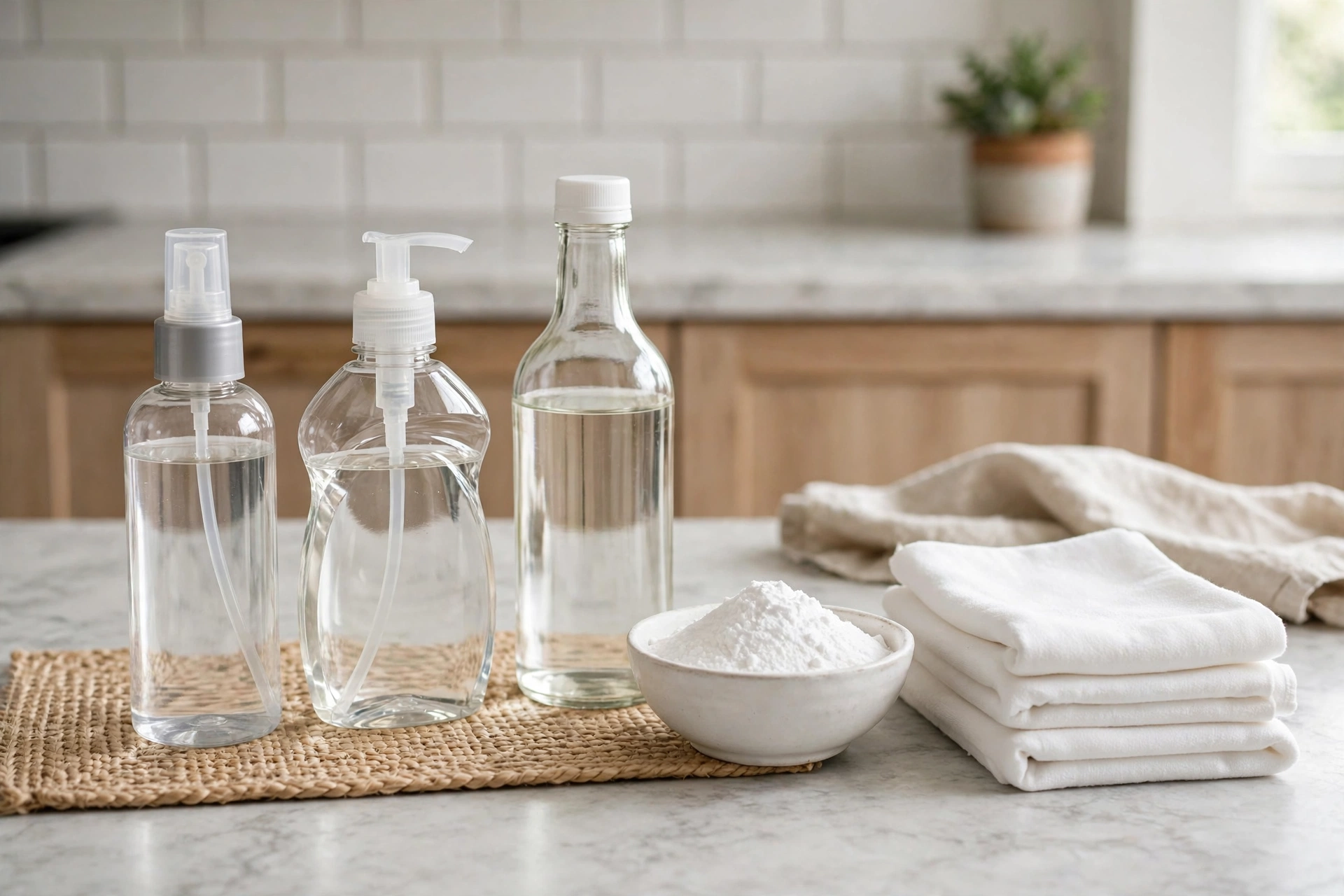
You do not need expensive specialty products to handle most stains. A small kit of household basics covers nearly every situation in this guide:
- Liquid dish soap (a grease-cutting formula)
- White vinegar
- Baking soda
- Hydrogen peroxide (3 percent)
- Rubbing alcohol
- Table salt
- An oxygen-based stain remover for soaking
- Clean white cloths and an old soft toothbrush for gentle scrubbing
Keep these together under the sink so you can act fast when a spill happens. Quick treatment with basic supplies beats delayed treatment with a fancy product almost every time. And remember that prevention helps too: wearing an apron while cooking and treating spills the moment they happen will save more clothes than any remedy. For keeping the rest of your wardrobe in good shape, explore more style guides on the DigitalGeekSpot homepage, including casual outfit ideas to refresh your rotation.
Frequently Asked Questions
What is the first thing to do when you stain your clothes?
Blot up excess liquid or scrape off solids immediately, then rinse with cold water. Do not rub, and do not apply heat. Fast action is the biggest factor in successful stain removal.
Can old, set-in stains be removed?
Sometimes. Soak the garment in cool water with oxygen-based stain remover for several hours, then treat according to the stain type. Success depends on the stain, the fabric, and whether heat has set it. Dryer heat makes removal much harder.
Does hot water help remove stains?
Hot water helps with greasy stains but sets protein stains like blood, egg, and dairy. When in doubt, start with cold water, which is safe for nearly all stain types.
Can baking soda remove stains from clothes?
Baking soda helps absorb fresh grease and can lift odors and light discoloration. It works best as a pre-treatment: sprinkle on grease, make a paste for spot treatment, or add it to the wash as a booster.
Will rubbing alcohol damage colored clothes?
It can fade some dyes, which is why you should always test on a hidden area first. For delicate or brightly colored fabrics, take ink stains to a dry cleaner instead.
Why should you not put a stained garment in the dryer?
Dryer heat bonds many stain types to fabric fibers permanently. Always air-dry and inspect the garment first; only machine dry once the stain is completely gone.