How to Keep Your Crypto Safe: 10 Security Tips
Learning how to keep crypto safe is one of the most important skills for anyone entering the world of digital assets. Unlike a bank account, crypto transactions are generally irreversible, which means a single mistake or successful scam can mean losing your funds permanently. The good news is that most losses are preventable with basic security habits.
This guide walks you through 10 practical security tips, from protecting your seed phrase to spotting phishing attempts. You do not need to be technical to follow them. Each tip is a simple habit that meaningfully reduces your risk, whether you hold a small amount on an exchange or manage your own wallet.
1. Guard Your Seed Phrase Like It Is the Key to a Vault
Your seed phrase, also called a recovery phrase, is a list of 12 or 24 words that controls your crypto wallet. Anyone who has these words can access your funds from anywhere in the world, with no password or ID check required. That is why the single most important rule in crypto security is simple: never share your seed phrase with anyone, for any reason.
Write your seed phrase down on paper and store it somewhere physically secure, such as a locked drawer or a safe. Do not store it in a notes app, email draft, cloud drive, or photo on your phone, because any of those can be hacked, synced, or leaked. No legitimate company, support agent, or wallet app will ever ask for your seed phrase. If someone asks, it is a scam, every time.
2. Use a Hardware Wallet for Meaningful Amounts
A hardware wallet is a small physical device that stores your private keys offline, away from the internet. Because the keys never touch an internet connected computer, malware on your phone or laptop cannot steal them. When you want to make a transaction, you confirm it physically on the device itself.
Hardware wallets are not necessary for tiny amounts, but once your holdings reach a level you would be upset to lose, they are widely considered the gold standard for self-custody. Buy hardware wallets only from the manufacturer or an authorized reseller, never secondhand, since a tampered device could be compromised before it reaches you.
3. Turn On Two-Factor Authentication Everywhere
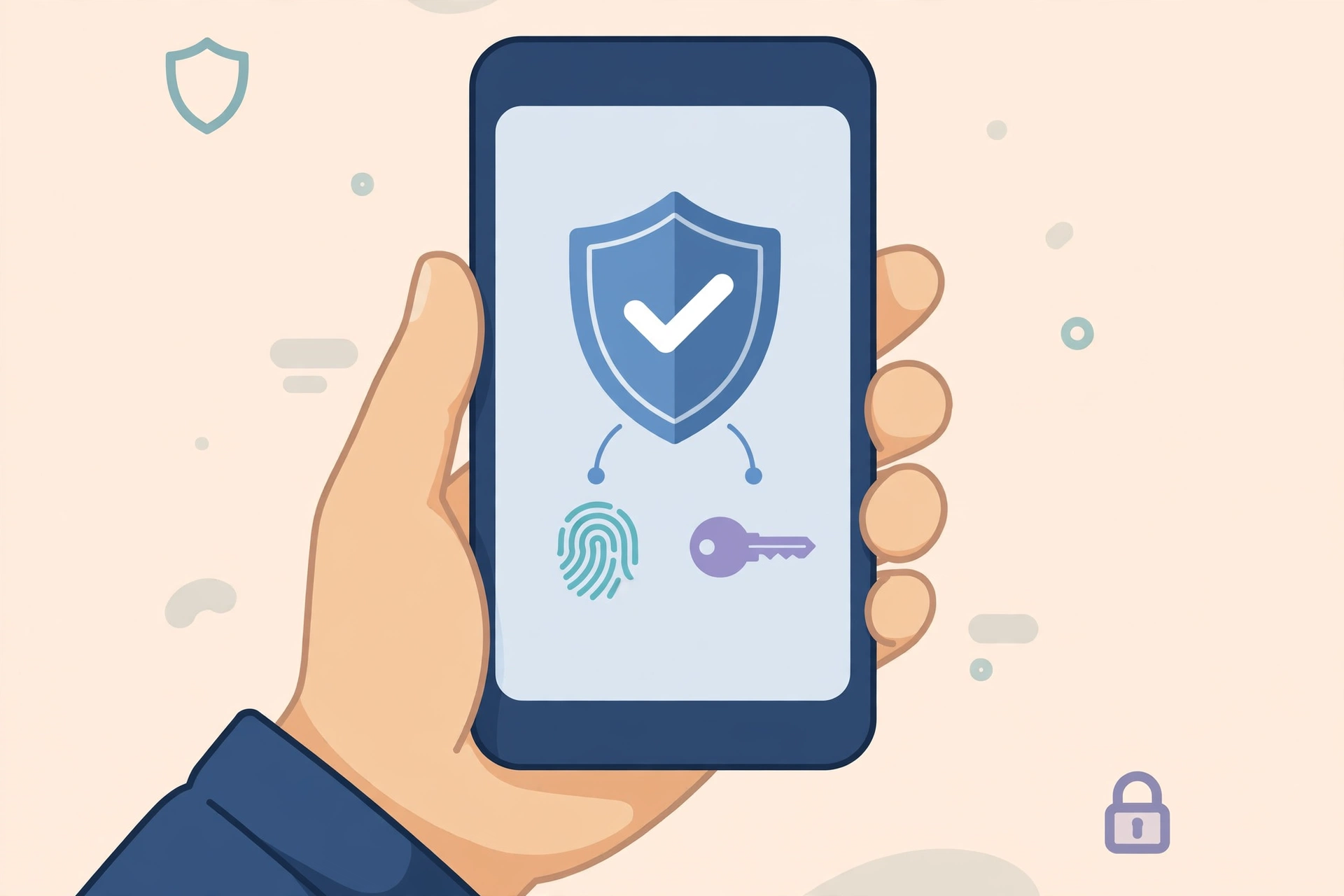
Two-factor authentication (2FA) adds a second step to logging in, so a stolen password alone is not enough to access your account. Enable it on every exchange account, email account, and crypto related service you use. Your email is especially important, because attackers often use it to reset passwords elsewhere.
Prefer an authenticator app or a physical security key over SMS codes. SIM swapping, where an attacker convinces your mobile carrier to transfer your number to their phone, can intercept text message codes. An authenticator app tied to your device is much harder to steal remotely. Store backup codes for your 2FA in a safe place so you are not locked out if you lose your phone.
4. Learn to Spot Phishing Before It Spots You
Phishing is the most common way people lose crypto. Attackers create fake websites, emails, and messages that look like legitimate exchanges or wallets, then trick you into entering your credentials or seed phrase. The fake sites are often nearly identical to the real ones, with only a tiny difference in the web address.
Protect yourself with a few habits. Always type exchange addresses manually or use bookmarks instead of clicking links in emails or messages. Check the URL carefully before entering any login details. Be suspicious of urgent messages claiming your account will be locked or that you have won something. Legitimate companies do not operate through threats and surprise prizes. If you ever fall for a phishing attempt, our guide on how to find a legitimate crypto recovery service explains how to tell real help from follow-up scams.
5. Understand Exchange Custody vs. Self-Custody
When you keep crypto on an exchange, the exchange holds the private keys, which means you are trusting the company with your funds. This is convenient for trading, but it comes with risks: exchanges can be hacked, freeze withdrawals, or even fail. The well known saying “not your keys, not your coins” captures this trade-off.
Self-custody means holding your own keys in your own wallet, giving you full control and full responsibility. There is no support team to reverse a mistake. Many people use a hybrid approach: keeping trading funds on a reputable exchange and moving long term holdings to a wallet they control. Whichever you choose, make it a deliberate decision rather than leaving everything wherever it happened to land.
6. Use Strong, Unique Passwords and a Password Manager
Reusing passwords across sites is one of the easiest ways to get hacked. If one website suffers a data breach, attackers will try your email and password combination on exchanges and wallets within minutes. Use a unique, long password for every crypto related account.
A password manager makes this practical by generating and storing strong passwords for you, so you only need to remember one master password. This single habit eliminates an entire category of attacks. Combined with 2FA, unique passwords make your accounts dramatically harder to compromise.
7. Keep Your Devices and Software Updated
Outdated phones, computers, and wallet apps are easier targets for malware. Security updates patch vulnerabilities that attackers actively exploit, so install updates promptly on every device you use for crypto. This includes your operating system, your browser, and your wallet applications.
Only download wallet apps and software from official sources, such as the developer’s website or official app stores. Fake wallet apps are a known scam vector, and they can look convincing. Double check the developer name and reviews before installing anything that will hold your funds.

8. Double Check Addresses and Networks Before Sending
Crypto transactions cannot be reversed, so a wrong address means lost funds. Always copy and paste addresses rather than typing them, then verify the first and last several characters before confirming. Some malware can secretly replace an address in your clipboard, so that visual check matters more than most people realize.
Equally important is using the correct network. Sending tokens on an unsupported network is a frequent and costly beginner mistake. Our walkthrough on how to send crypto on the correct network covers this in detail. For exchange withdrawals specifically, see how to withdraw from Crypto.com for a step by step example of choosing the right network.
9. Be Skeptical of “Too Good to Be True” Offers
If someone promises guaranteed returns, doubled deposits, or exclusive investment opportunities, assume it is a scam until proven otherwise. Crypto scams often impersonate celebrities, influencers, or well known platforms to appear trustworthy. Our investigation into one such scheme, BitQL exposed: the truth behind this crypto platform, shows the red flags these operations tend to share.
Common warning signs include pressure to act immediately, requests to send crypto to “verify” your wallet, and anyone who contacts you first with an opportunity. Legitimate investments do not need high pressure tactics. When in doubt, pause, research independently, and ask someone knowledgeable before sending anything.
10. Have a Backup and Recovery Plan
Security is not only about stopping hackers. It is also about making sure you do not lock yourself out. Store your seed phrase backup in at least one secure location, and consider a second copy in a different location in case of fire or theft. Some people use metal backup plates, which survive fire and water far better than paper.
Also plan for the worst case: make sure a trusted family member knows how to access your holdings if something happens to you, without giving them the keys today. A sealed envelope with instructions, stored securely and updated when things change, is a simple approach. Losing access because of poor planning is just as permanent as losing funds to a thief.
For more beginner friendly explainers on wallets, networks, and staying safe, browse the DigitalGeekSpot homepage, where new crypto guides are published regularly.
Frequently Asked Questions About Crypto Security
What is the safest way to store cryptocurrency?
For meaningful amounts, a hardware wallet combined with a securely stored seed phrase backup is widely considered the safest option. For small trading amounts, a reputable exchange with 2FA enabled is acceptable, but understand you are trusting the exchange with custody.
Can someone steal my crypto if they know my wallet address?
No. Your wallet address is like an account number: it is safe to share publicly so people can send you funds. What must stay secret are your private keys and seed phrase. Never confuse the two.
Is it safe to keep crypto on an exchange long term?
It carries more risk than self-custody, because exchanges can be hacked or restrict withdrawals. Many users keep only active trading funds on exchanges and move long term holdings to a wallet they control. Enable every security feature the exchange offers either way.
What should I do if I think I have been scammed?
Act quickly: move any remaining funds to a new secure wallet, change passwords, enable 2FA, and report the incident to the platform involved and local authorities. Be extremely cautious of anyone offering to recover your funds for a fee, as recovery scams are common.
Are authenticator apps really safer than SMS codes?
Yes. SMS codes can be intercepted through SIM swapping attacks, where a criminal transfers your phone number to their device. Authenticator apps generate codes locally on your phone and are not vulnerable to that attack.
Should I tell anyone how much crypto I own?
It is wise to keep that information private. Publicly advertising holdings can make you a target for phishing, social engineering, or even physical threats. Share details only with people you deeply trust and who need to know.